Customizable fact sheet: Trans Fat Elimination – Reasons for Policy Action Now
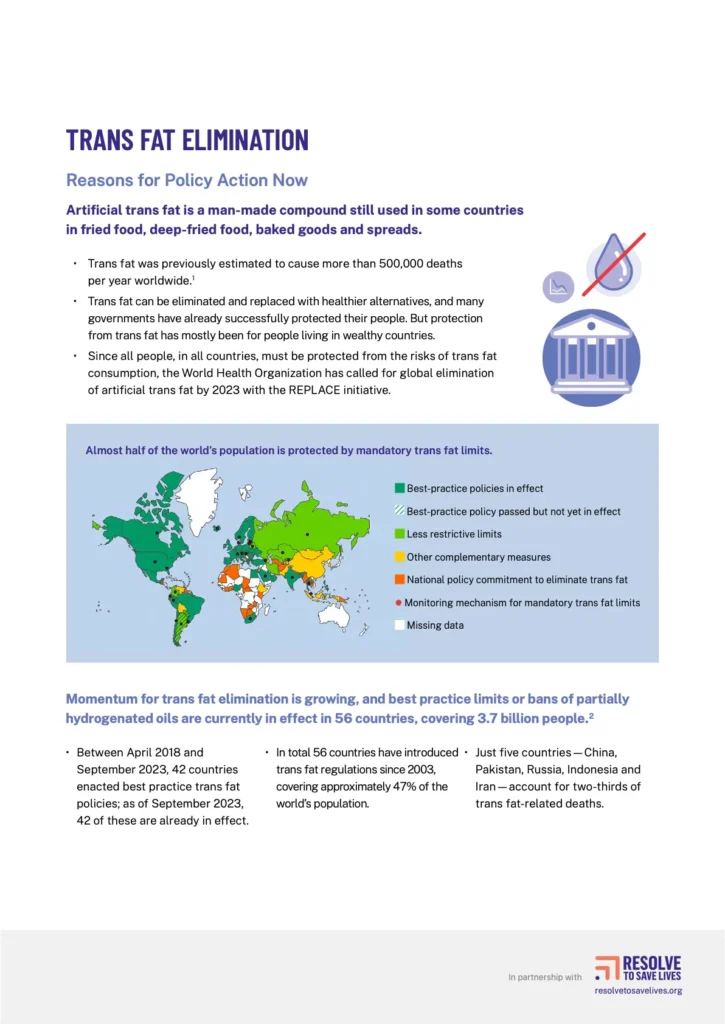
Fact sheet with key statistics and arguments for trans fat elimination Design files available here
Resolve to Save Lives Nigeria welcomes New Executive Director

NOVEMBER 20, 2023 (ABUJA, NIGERIA)—Resolve to Save Lives announced today the appointment of Nanlop Adenike Ogbureke as its new Executive Director in Nigeria. She will oversee a technical and operations staff of 11, facilitate effective coordination and implementation of program activities, as well as foster and maintain productive relationships with government and non-governmental stakeholders within […]
WHO and the 7-1-7 Alliance introduce Early Action Reviews
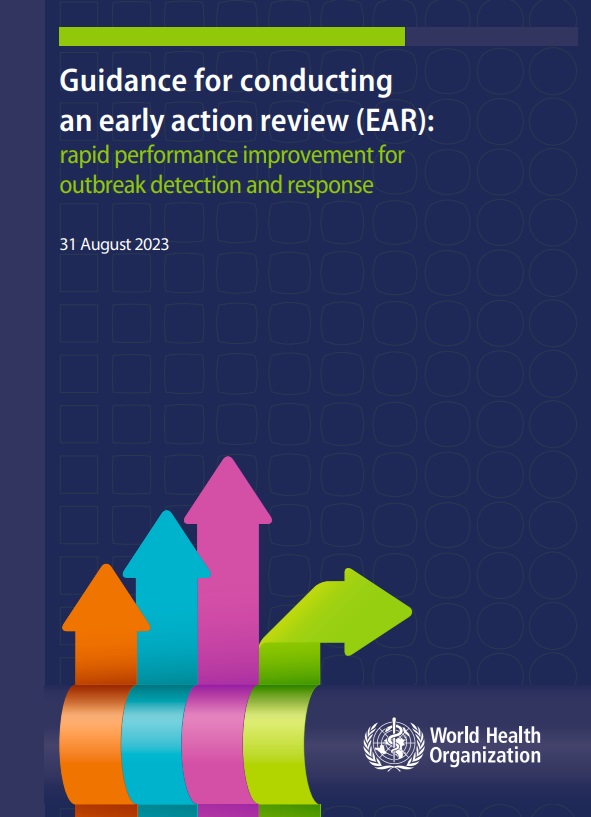
More than 500 people from 73 countries signed up to hear representatives of the World Health Organization and the 7-1-7 Alliance introduce new guidance on Early Action Reviews.
Developing technical capacity to scale up 7-1-7

The 7-1-7 Alliance hosted a training series for Atlanta-based staff of the U.S. Centers for Disease Control and Prevention. A first virtual training session introduced the 7-1-7 target, its central role in the WHO Early Action Review guidance, and how 7-1-7 fits into key components of the global health security framework. In a two-day, in-person […]
Sharing learnings to achieve the 7-1-7 target
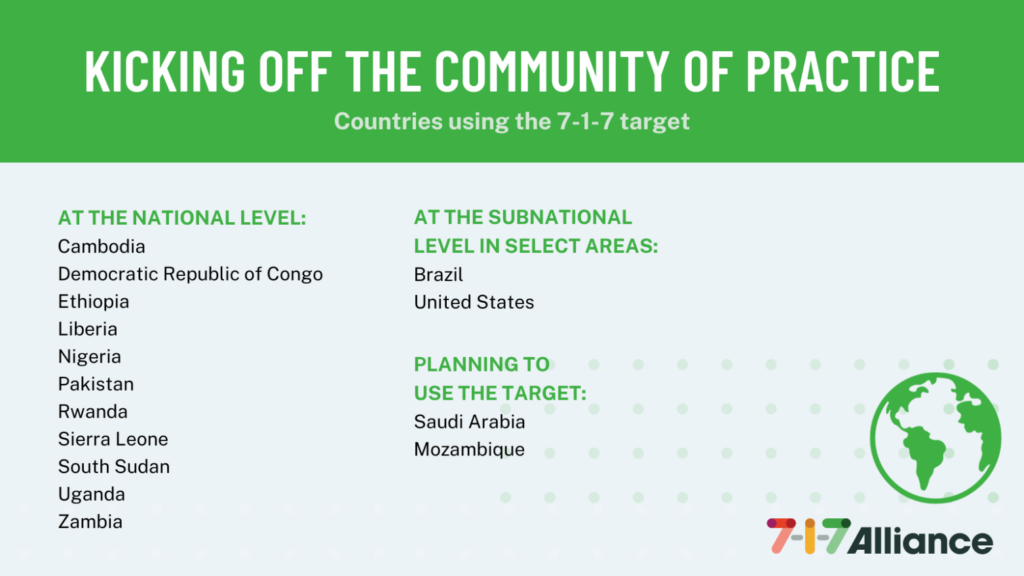
The 7-1-7 Alliance, a country-led initiative hosted by Resolve to Save Lives, formed a global community of practice with 15 implementing countries.
The Centrality of Communities and Civil Society in Epidemic and Pandemic Prevention. A Framework for Improved Preparedness and Response
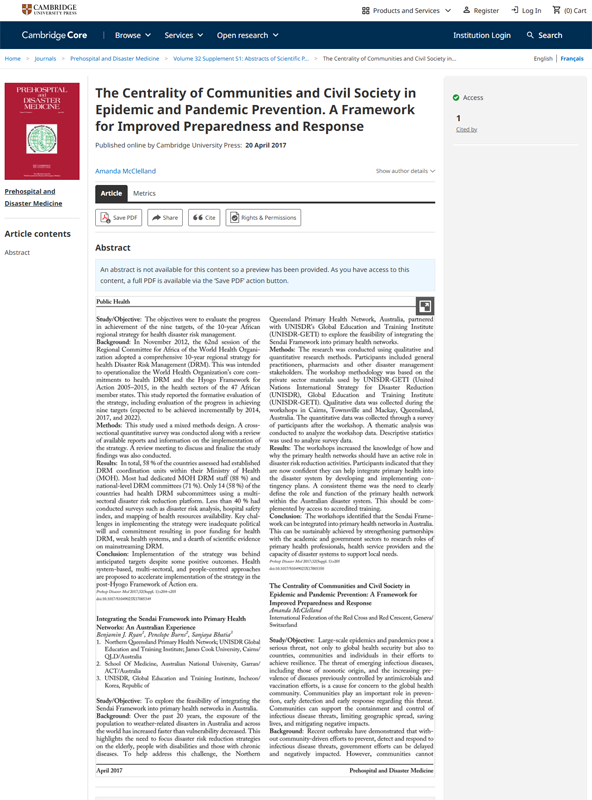
Large-scale epidemics and pandemics threaten global health security and community resilience, especially concerning emerging infectious diseases and the resurgence of previously controlled conditions. Communities play a vital role in preventing, detecting, and responding to these threats, as demonstrated in recent outbreaks. Effective community involvement enhances government efforts and mitigates negative impacts. This study emphasizes the […]
How to revitalize World Bank health spending

In a recent Devex column, our President and CEO Dr. Tom Frieden and Senior Advisor of Prevent Epidemics Marine Buissonniere discuss how the World Bank can strengthen its health programming—and support the countries in greatest need.
Sherif Sakr joins Resolve to Save Lives’ Board of Directors
September 26, 2023 (NEW YORK, USA)—Resolve to Save Lives (RTSL), a global health organization focused on partnering with communities and countries to prevent 100 million deaths from cardiovascular disease and make the world safer from epidemics, today announced the appointment of Sherif Sakr, partner and Chief Operating Officer of Deloitte LLP, to the RTSL Board […]
Five years of HEARTS
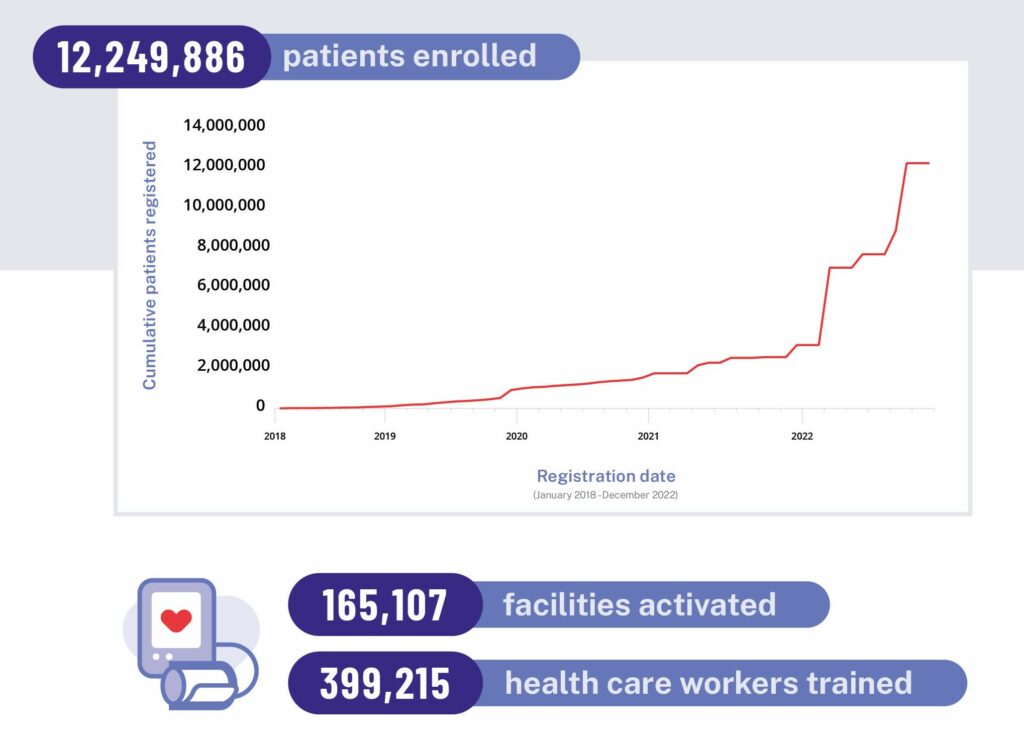
JACC report on the first five years of the Global HEARTS Initiative, a partnership between WHO, Resolve to Save Lives, and 32 low- and middle-income country governments.
First WHO report details devastating impact of hypertension and ways to stop it

Read the report here.
First WHO report details devastating impact of hypertension and ways to stop it
NEW YORK, 19 SEPTEMBER 2023—The World Health Organization (WHO) released its first-ever report on the devastating global impact of high blood pressure, along with recommendations on the ways to win the race against this silent killer. The report shows approximately 4 out of every 5 people with hypertension are not adequately treated, but if countries […]
7-1-7 forms the bedrock of new WHO guidance
The World Health Organization’s new Guidance and tools for Conducting an Early Action Review (EAR) incorporate the 7-1-7 target for outbreak detection and control, which Resolve to Save Lives has piloted since 2021. EARs offer a performance improvement approach, which can be used for each outbreak to identify system-level bottlenecks and propose immediate and long-term […]
First-of-its-kind study details the true cost of healthcare worker infections
At the launch our new study with the World Bank estimating the full economic burden of failing to protect healthcare workers, Senior Vice President of Prevent Epidemics Amanda McClelland and other speakers called for increased investments to improve protections for healthcare workers.
Lessons from HIV-hypertension integration
Director for Global Hypertension Control Dr. Bolanle Banigbe shared lessons from RTSL’s support for HIV-hypertension integration, and the scale up of hypertension services in more than 30 countries, with the HIV Coverage, Quality, and Impact Network (CQUIN) at a virtual event.
Review of Methods to Determine the Main Sources of Salt in the Diet
From WHO/PAHO Regional Expert Group for Cardiovascular Disease Prevention through Population-wide Dietary Salt Reduction
Sodium Reduction Framework
This framework summarizes the recommended components of a comprehensive dietary sodium reduction program, and provides links to existing implementation tools, examples of successful programs and other resources.
Going back to basics to stop the ongoing cholera pandemic

The focus on clean water, better healthcare and public health, and expanded vaccine production needed to control the spread of cholera today will prepare the world for future health crises and save lives.
Implementing and enforcing trans fat elimination policies: Case studies
Series of case studies documenting experiences from around the world with the implementation and enforcement of trans fat regulations
Integrating hypertension and HIV management: Executive summary
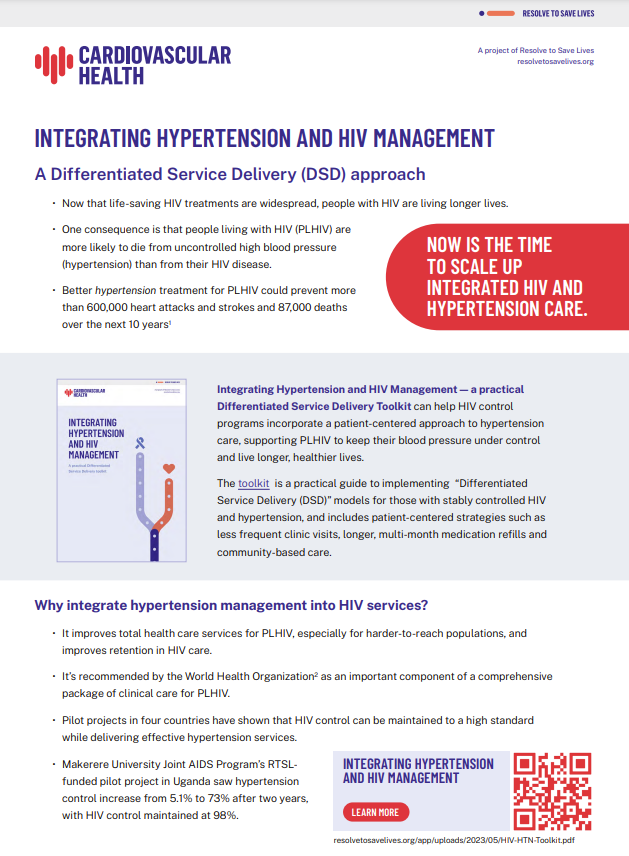
Executive summary of Resolve to Save Lives’ toolkit to help HIV control programs incorporate a patient-centered approach to hypertension care
Quick-Start Guide to Implementing a National Hypertension Control Program
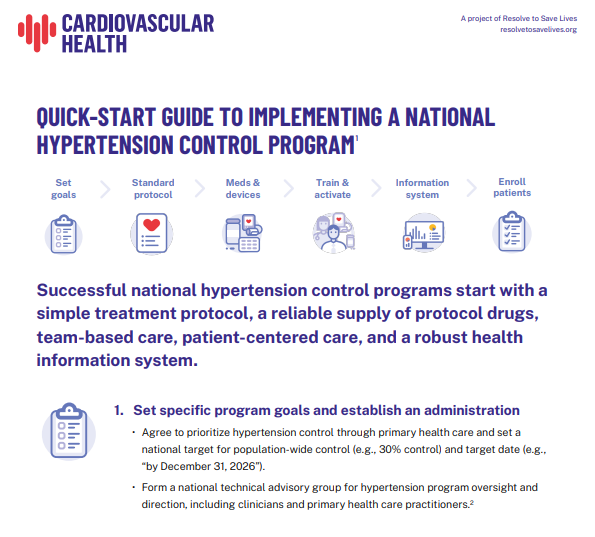
Fact sheet from Resolve to Save Lives with six steps to implementing a successful national hypertension control program.
Celebrating trans fat elimination on the global stage
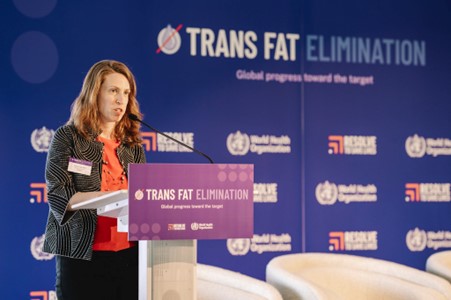
Co-hosted with the World Health Organization, our side event at the World Health Assembly celebrated progress in removing trans fat from the global food supply.
7-1-7 Alliance gains momentum

Our World Health Assembly side event showcased initial progress implementing the 7-1-7 target and the ongoing work of the 7-1-7 Alliance, empowering public health leaders to further accelerate advancements in health security.
Four epidemics that weren’t—New Ted-Ed video explains
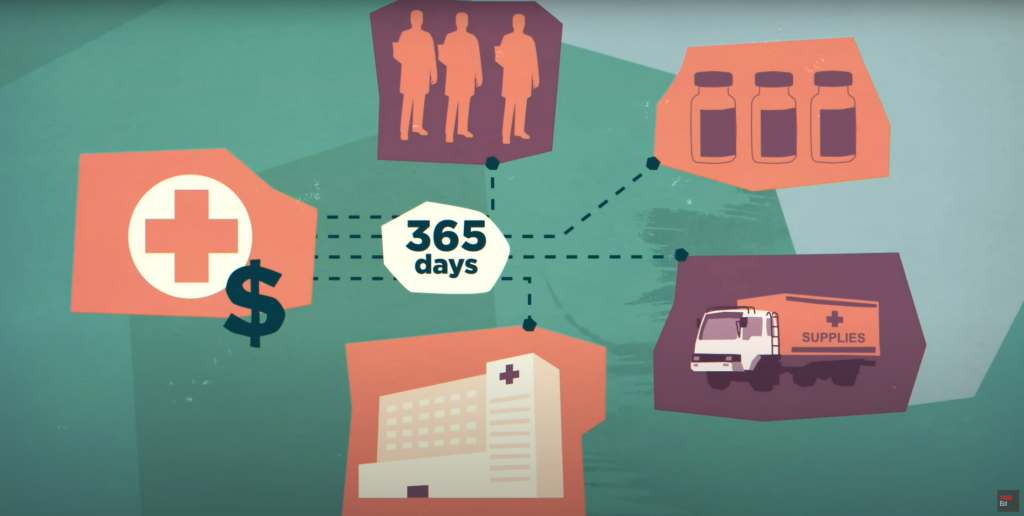
A new video from TED-Ed—developed with support from the Skoll Foundation and technical insight from Resolve to Save Lives —explores how four communities implemented strategies for effective outbreak response ad why investing in epidemic preparedness and prevention matters.
Resolve to Save Lives receives 2023 World Hypertension League award

Our Cardiovascular Health Team was honored to receive the Organizational Excellence Award in Population Global Hypertension Control.
How much did healthcare worker illness and death cost during COVID-19?
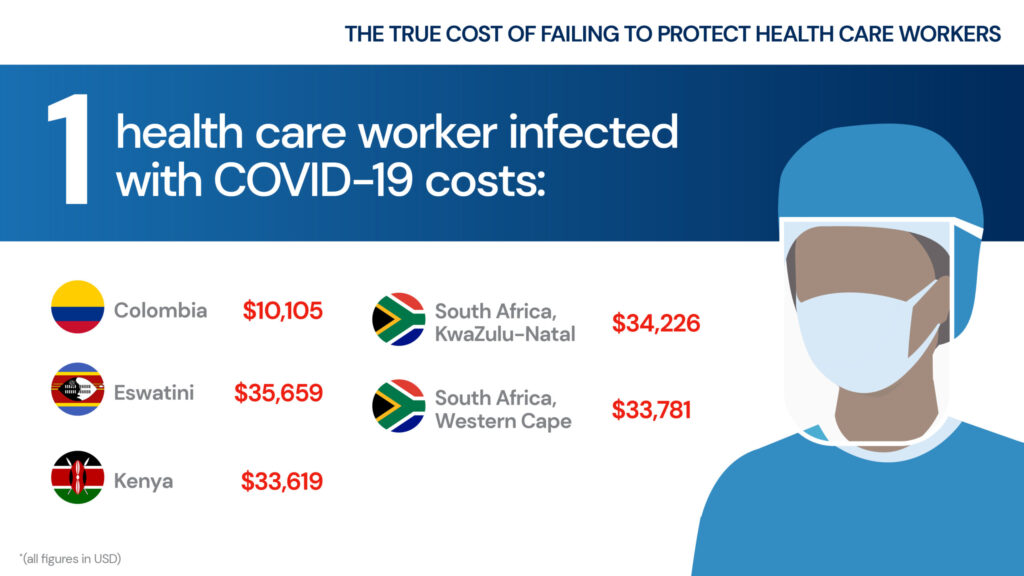
Developed in partnership with the World Bank, our latest article in Nature Communications provides a new framework for understanding the true cost of healthcare worker illness and death during COVID-19 and demonstrates that investing in protecting healthcare workers is an effective use of health spending.
Salt Awareness Week: May 15-21, 2023
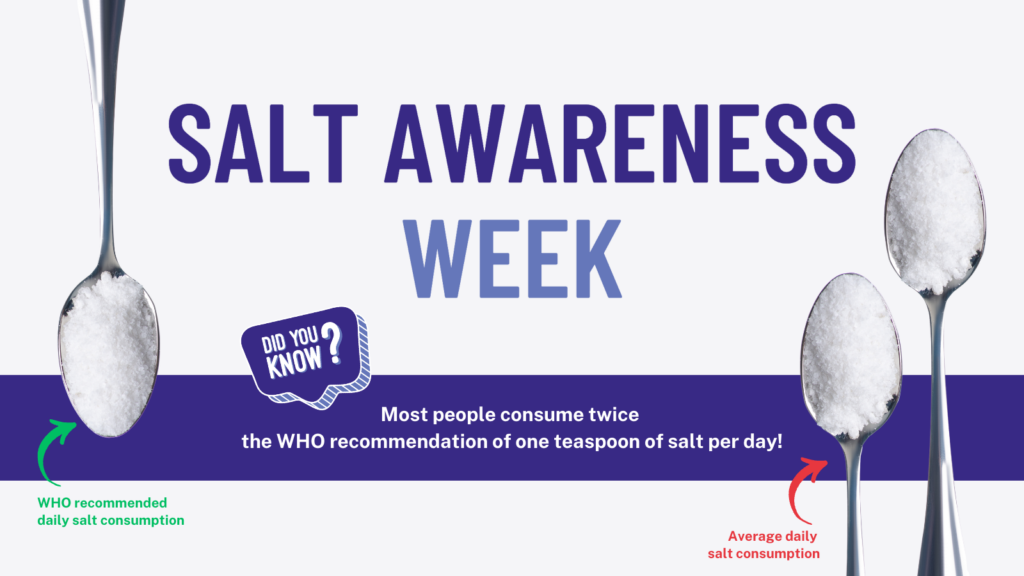
Resolve to Save Lives is highlighting the risks of eating too much salt and sharing ways people can cut back.
WHO Nutrition-Friendly Schools Initiative
This initiative created a framework for addressing the double burden of student ill-health and aims to improve coordination among agencies. Refer to ‘NFSI Component 4: Creating a supportive environment’ in the evidence review.
Global Strategy on Diet, Physical Activity and Health: A Framework to Monitor and Evaluate Implementation
Describes how to measure the implementation of the WHO Global Strategy on Diet, Physical Activity, and Health at the country level and proposes a framework and indicators (Logic model, page 5).
A framework to monitor and evaluate implementation of the WHO global strategy on diet, physical activity and health (2008)
This paper sets out an approach to measure the implementation of the WHO Global Strategy on Diet, Physical Activity and Health (DPAS) at country level and proposes a framework and indicators for this purpose. The indicators provided in this document should be seen as examples to be used, as appropriate, after adjusting to the country […]
Strengthening sector policies for better food security and nutrition results: Public food procurement (2018)
Part of a series to help policy makers address national food security and nutrition issues; guidance is focused on developing initiatives that support food purchases from small farms.