Lead poisoning prevention

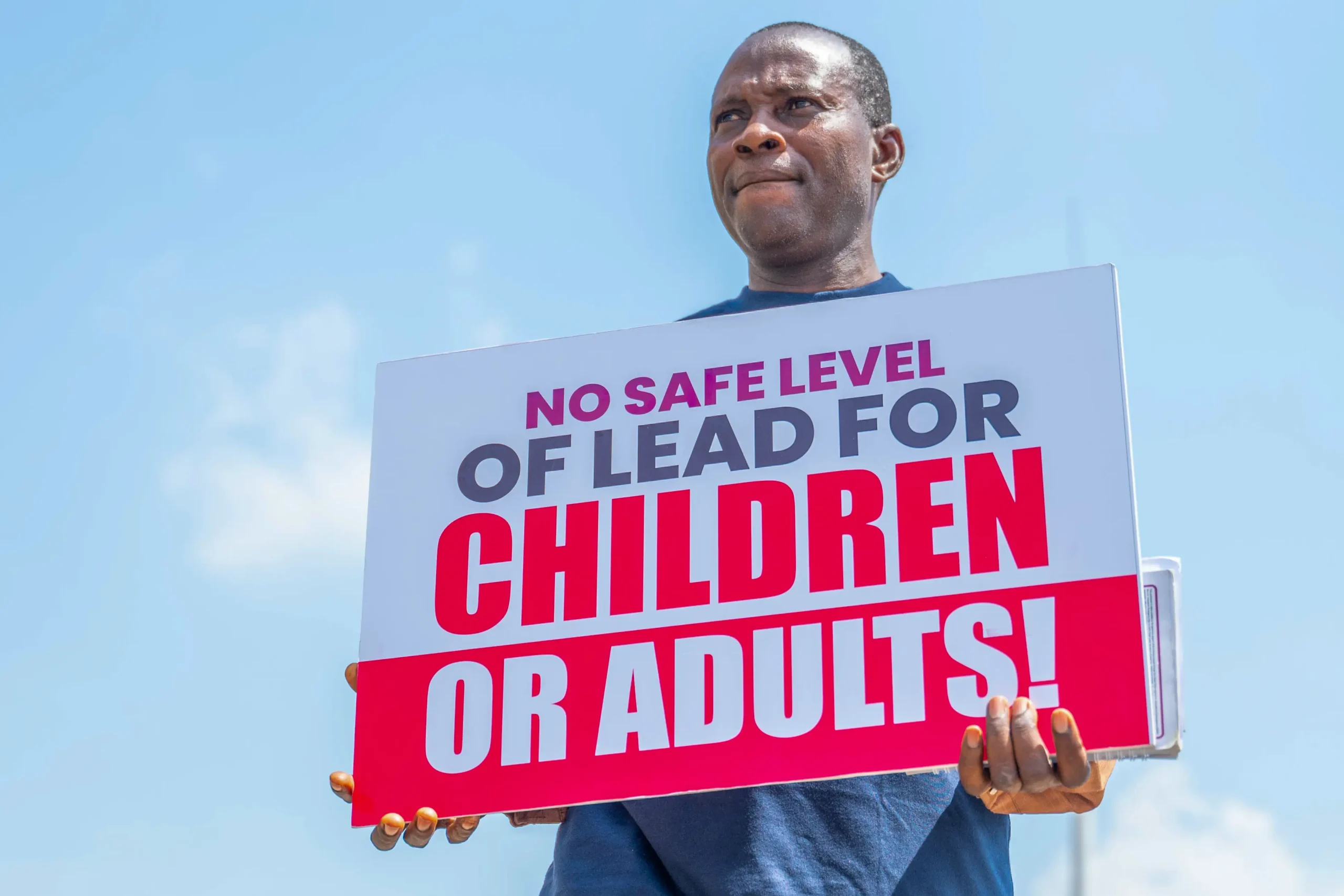
There’s no safe level of lead exposure—but we can stop it at the source.

Why lead poisoning prevention?

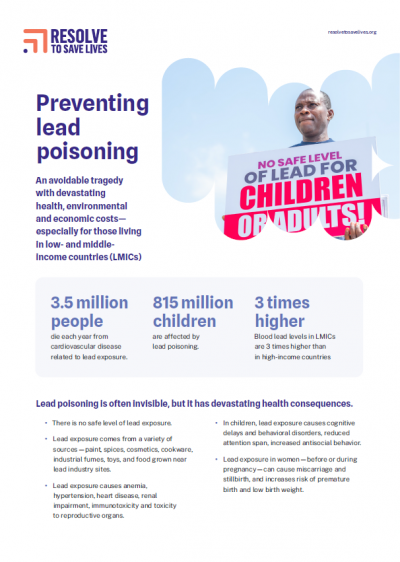
Lead poisoning is a preventable tragedy with high health, environmental and economic costs—especially for those living in low- and middle-income countries.

1,500,000+

million people die each year from cardiovascular disease related to lead. 

Prevention works. Identifying and acting on sources of lead exposure—including cosmetics and other consumer products—can stop avoidable suffering and make longer, healthier lives possible.

Healthier food in action

trans fat lab techs sitting at laboratory table with white lab coat and blue head cap and mask

Training lab techs to keep toxic trans fat out of Nigeria’s food

January 30, 2025
Trans fat elimination
Nigeria
To effectively ban trans fat and enforce compliance, lab tachs need training on simple protocols.

Quezon City’s healthy public food procurement policy: a model for the Philippines and beyond

April 5, 2023
Healthy public food procurement
Philippines
Supporting public health by establishing nutrition standards (including limits on salt, sugar and trans fat) for all food suppliers to public offices.

How we prevent lead poisoning

We work at the national and global level to eliminate lead exposure at the source. 

Together, we can protect children and adults worldwide from the health effects of lead exposure and prevent trillions of dollars in economic losses.  

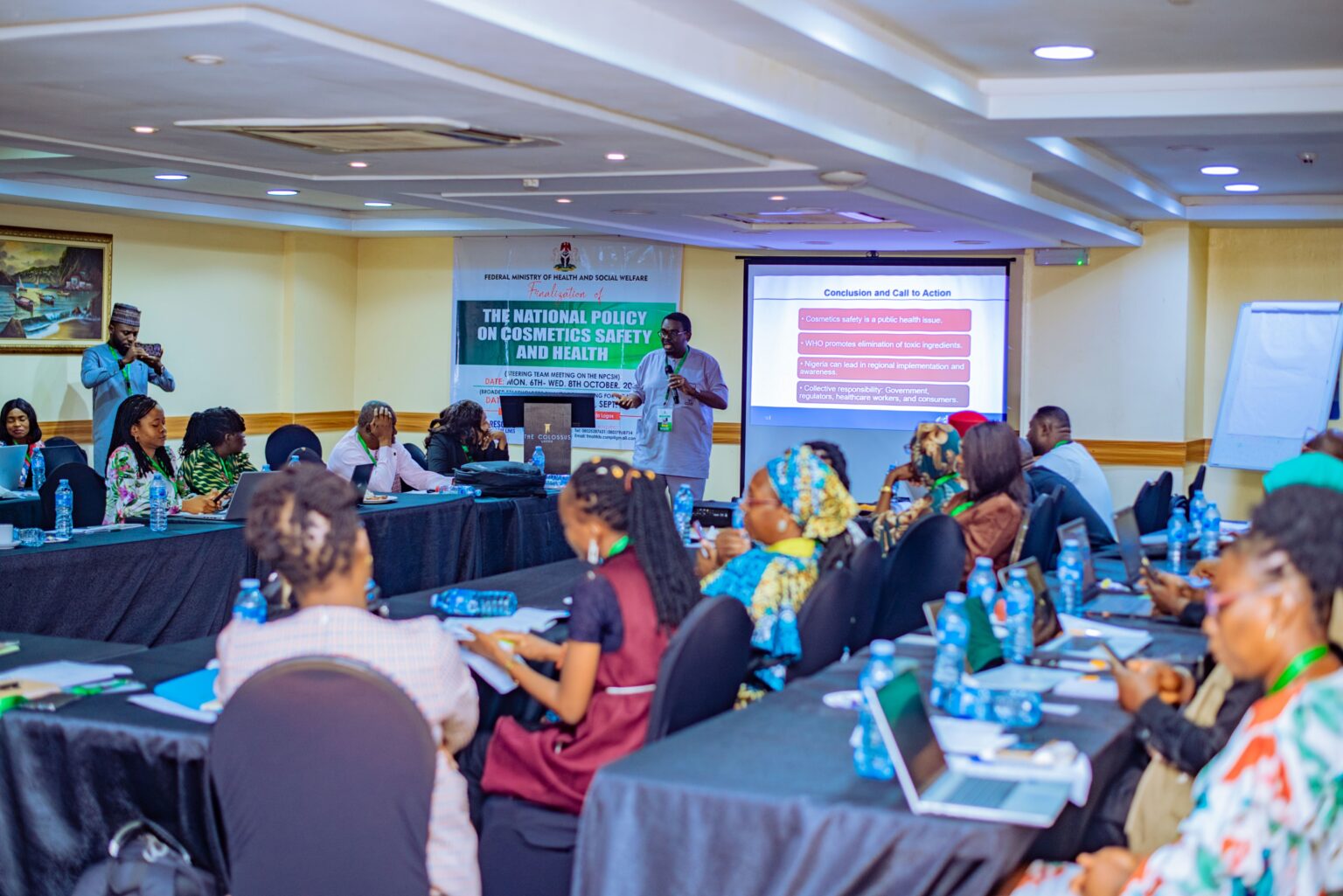
National policies and capacity strengthening

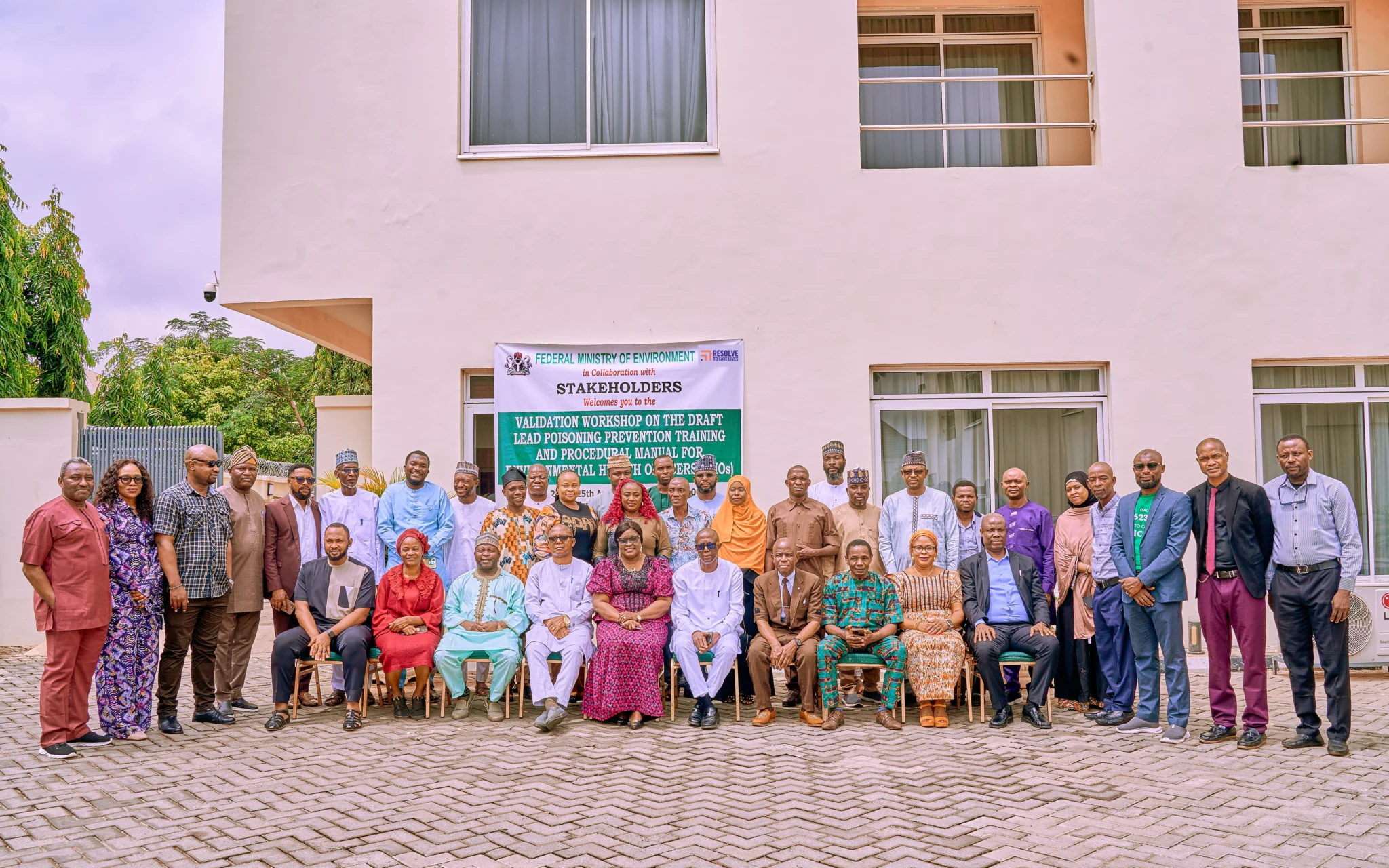
Supporting countries to identify lead sources and control them by developing, implementing and enforcing best practice regulations. 

Global tools and standards

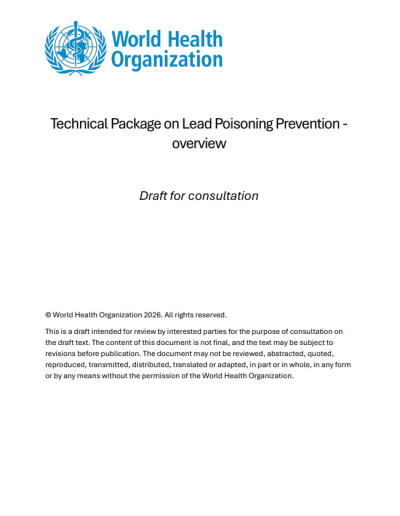
Partnering with the World Health Organization to create a technical package that will enable countries to take coordinated, effective action on lead poisoning prevention.

Explore

Partners

World Health Organisation (WHO)

Benchmarks for health emergencies

We partner with the World Health Organization to standardize best practices for preparedness, including developing a benchmarking tool to simplify and accelerate preparedness planning under International Health Regulations.

The cost of health care worker infections

In our advocacy efforts to protect health care workers, we released a joint report with the World Bank to calculate the true cost of health care worker infections during the COVID-19 pandemic, as well as wider socioeconomic implications.

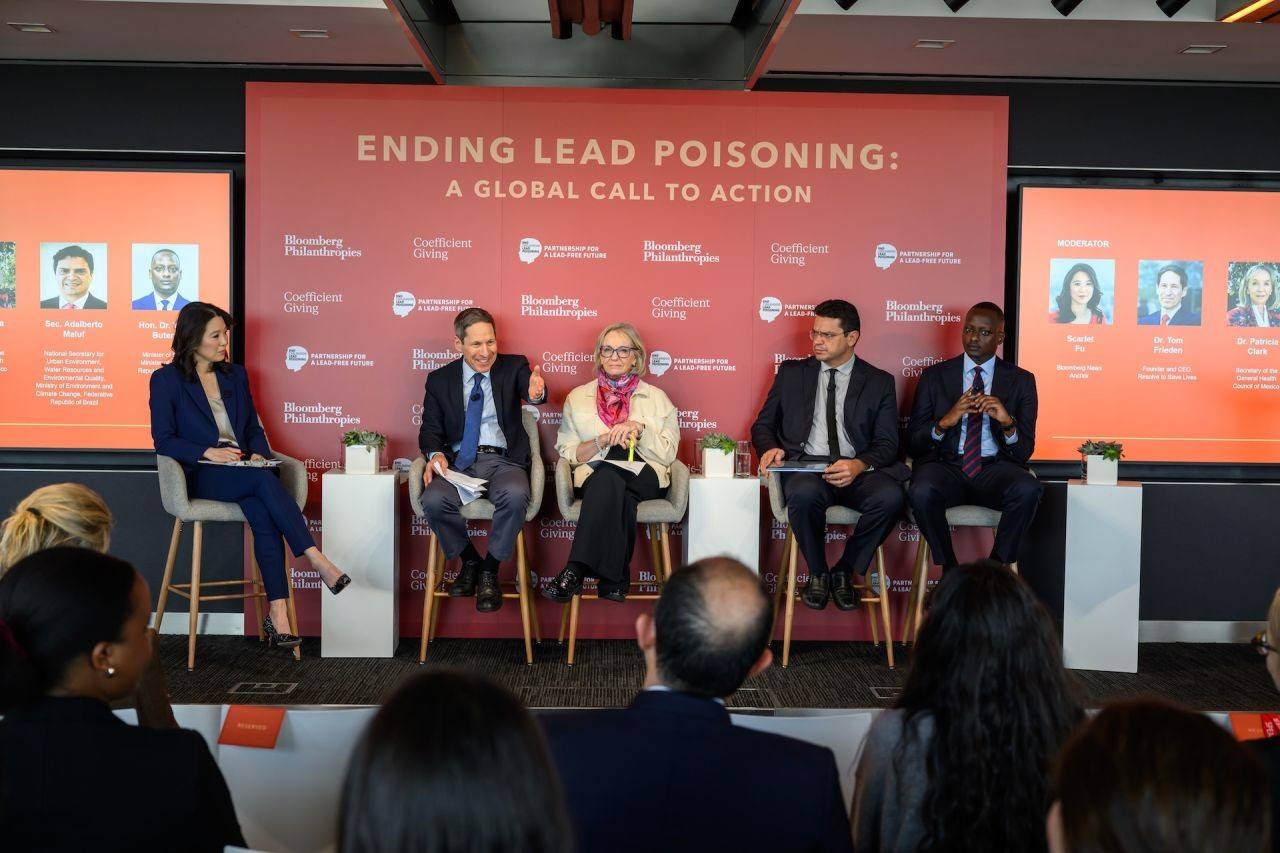
photograph featuring public health leaders in conversation, resolve to save lives epidemic prevention

How we work

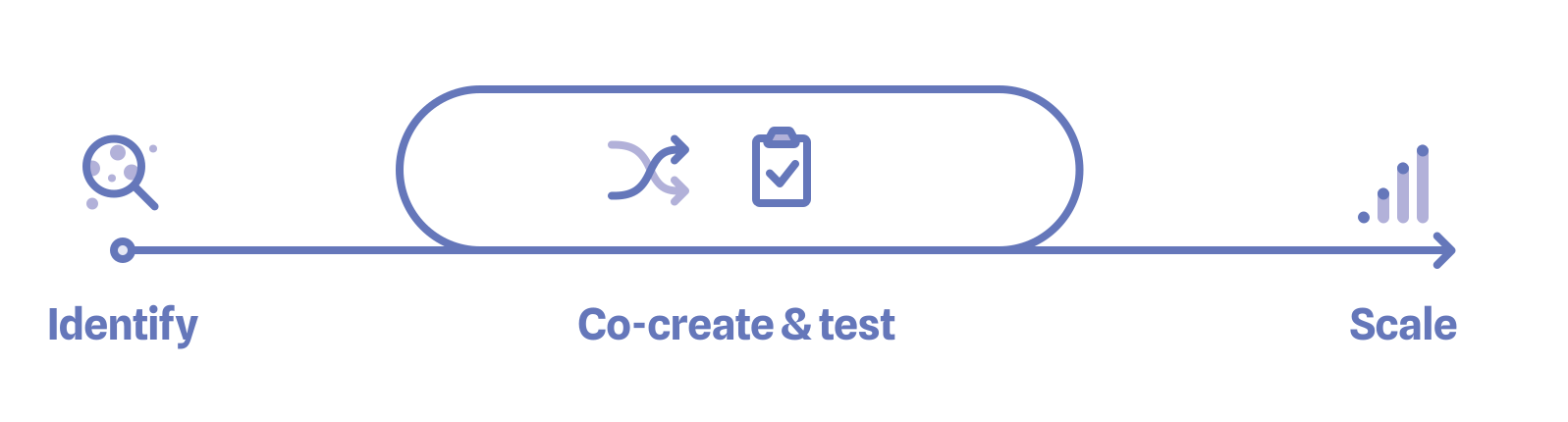
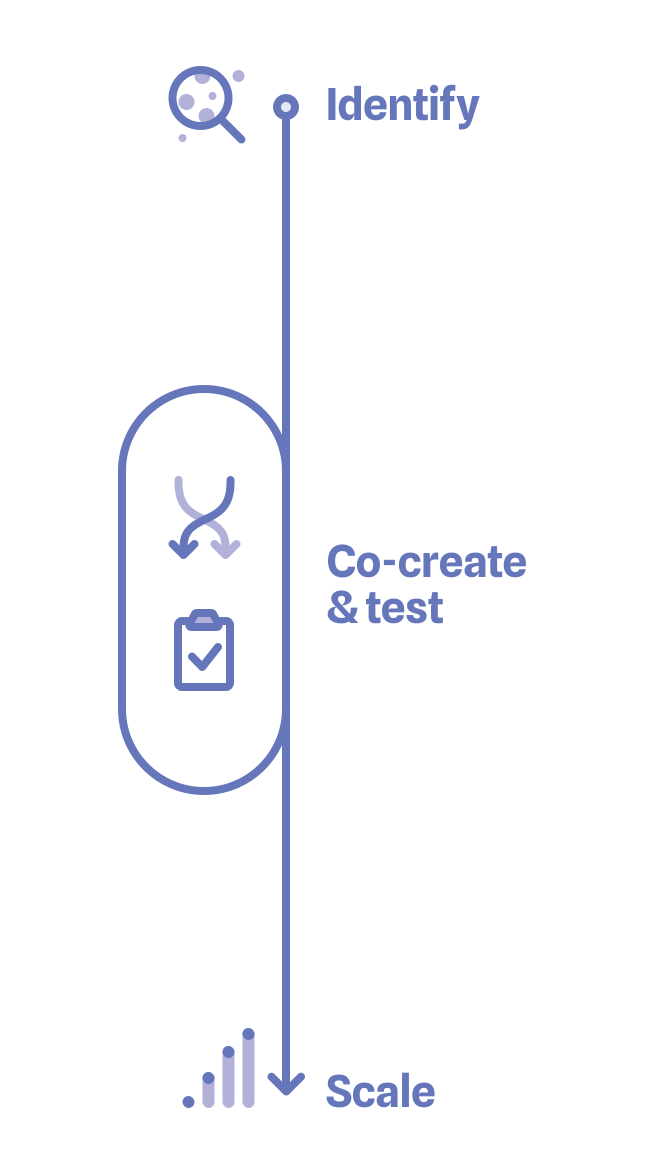
We collaborate with governments and partners to improve regulations that prevent lead exposure and implement cross-cutting enforcement strategies—and then scale those approaches to protect as many people as possible. Working closely with WHO and other partners, our experts develop tools for countries to take action against lead, from detection to regulation to treatment.


Learn more about our approach

Where we work: Primary health care

PREVENT technical package for lead poisoning prevention

PREVENT lead poisoning technical package: discussion paper

WHO
The WHO PREVENT technical package translates evidence into six prioritized actions to guide governments in efficiently reducing and eliminating lead poisoning as a public health threat.

Latest news

Join Resolve to Save Lives at the 2026 World Health Assembly

May 8, 2026
Resolve to Save Lives is proud to co-sponsor events on lead poisoning prevention, epidemic prevention and diabetes at this year’s World Health Assembly in Geneva, Switzerland…

In Kano State, Nigeria, new tools to screen consumer products for lead

March 6, 2026
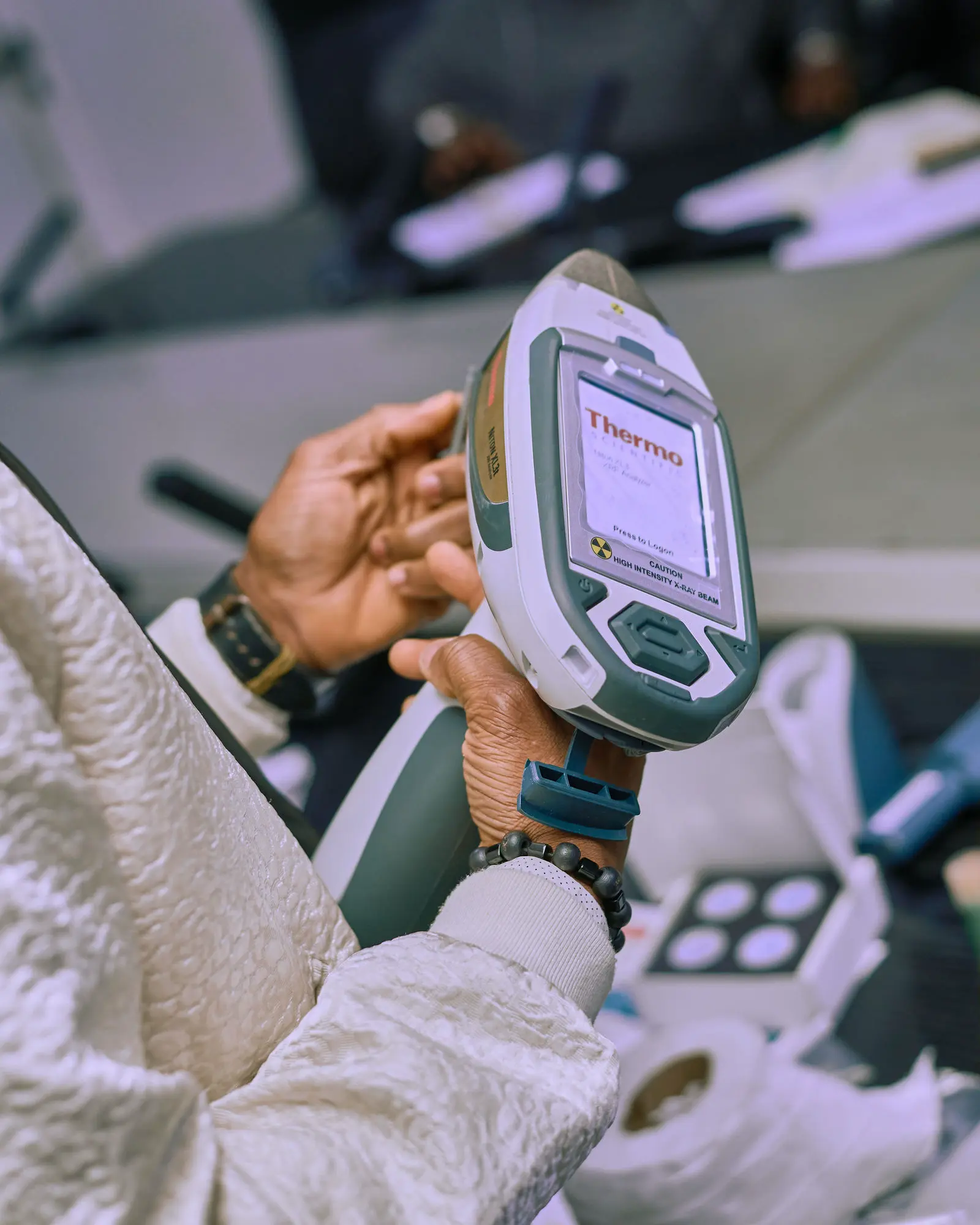
Resolve to Save Lives donates an XRF device to Kano State, Nigeria, strengthening the state's capacity to screen consumer products for lead and inform regulatory and public health decisions.…

Advancing global frameworks to prevent lead poisoning

March 4, 2026
Resolve to Save Lives and WHO co-led a webinar on two new frameworks to address lead poisoning, providing practical guidance for countries to take action against a leading cause of…