Author:  Resolve to Save Lives
Resolve to Save Lives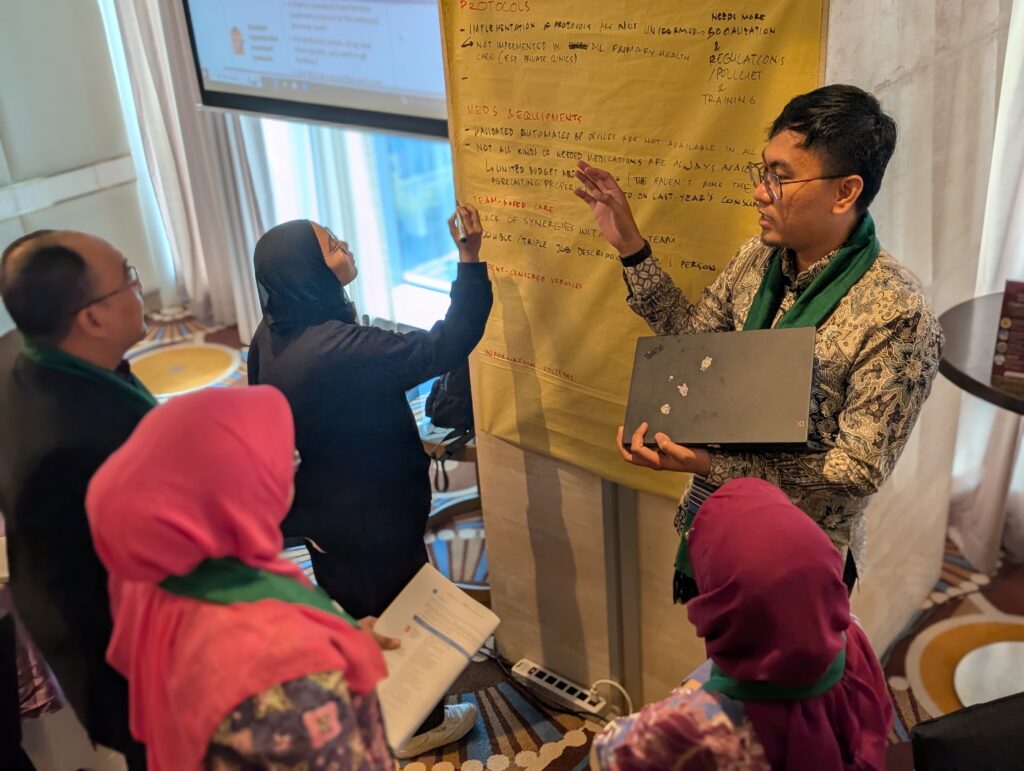
At a glance

Challenge: Effective hypertension control requires more than technical guidance
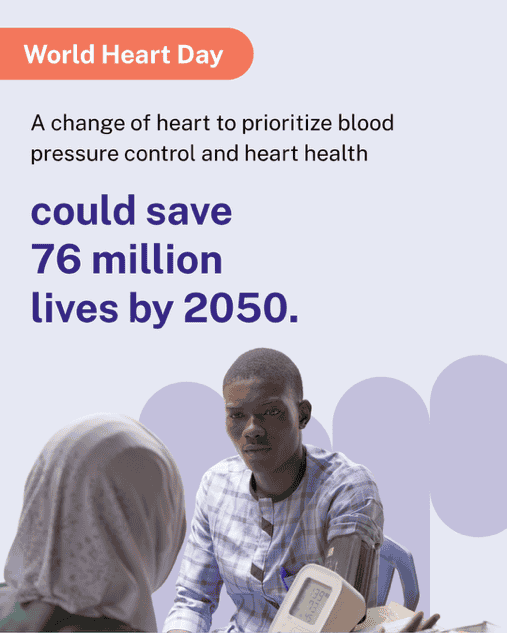
When it comes to designing health programs that prevent disabling heart attacks and strokes and premature deaths from cardiovascular disease, the evidence is clear. The World Health Organization’s (WHO) HEARTS technical package has supported treatment of 34 million patients around the world; when implemented correctly and consistently, HEARTS gets the results that matter: better blood pressure control and healthier people.
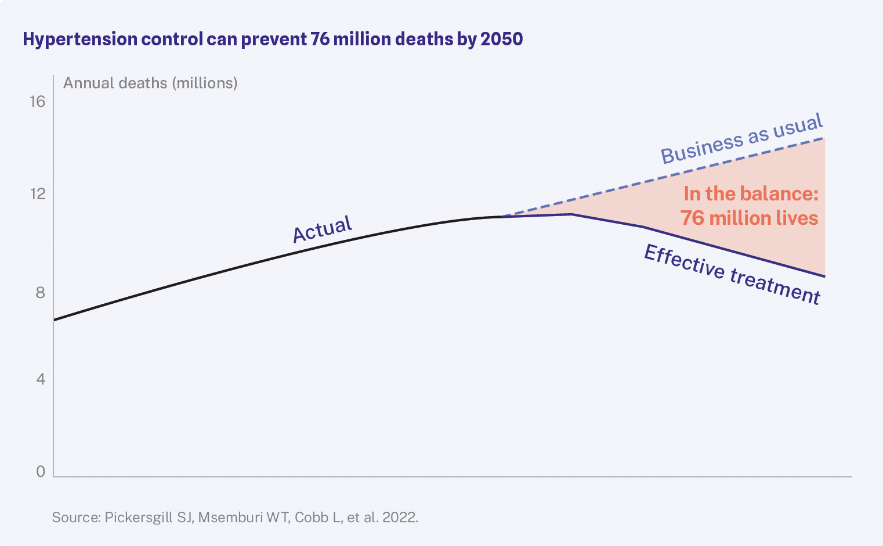
However, many noncommunicable disease, cardiovascular disease, and hypertension programs face challenges translating evidence into routine practice. This reflects a persistent gap between knowing the technical guidance and having the practical skills to adapt and apply it within varied country contexts.
Solution: Competency-based capacity building for managers of hypertension programs
Strengthening Capacity and Leadership for Hypertension Control (SCALE-HTN Control) is a competency-based training program developed and led by technical experts at RTSL and WHO. Rather than focusing primarily on transferring knowledge, SCALE-HTN Control strengthens the ability of national and subnational program managers to design, implement, assess, improve and scale high-quality hypertension control programs based on WHO’s HEARTS (see “What is HEARTS” below).
The SCALE-HTN Control curriculum
The SCALE-HTN Control training guides national and subnational program managers to translate global guidance and real-world experience into ready-to-implement action plans. SCALE-HTN Control’s 12 modules walk participants through each element of a successful hypertension program, from screening with accurate measuring devices, to evidence-based treatment protocols, to improving medicine accessibility, to information systems and data interpretation. Participants learn how to structure team-based care that keeps patients at the center, and how to advocate and adequately budget for the program’s needs.
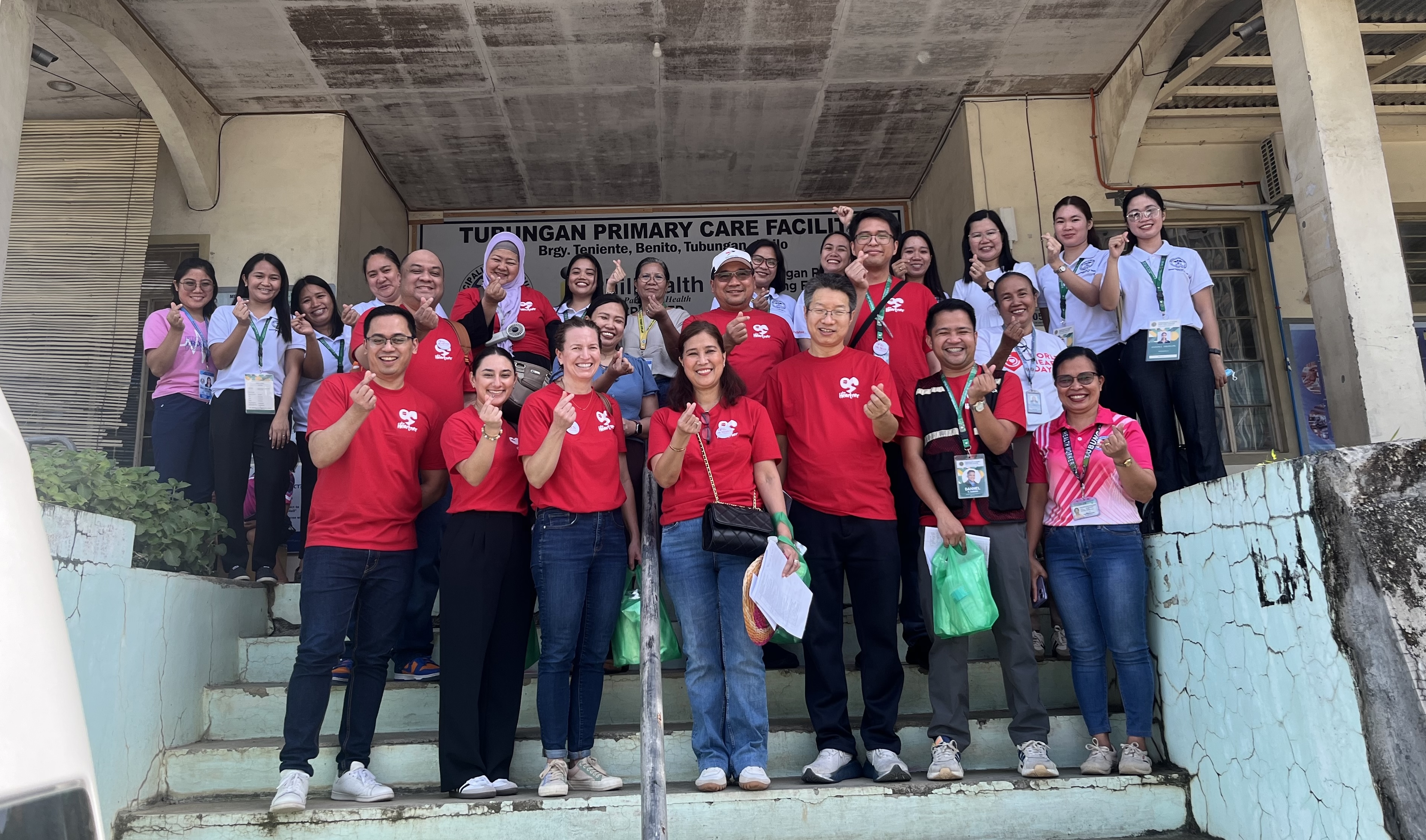
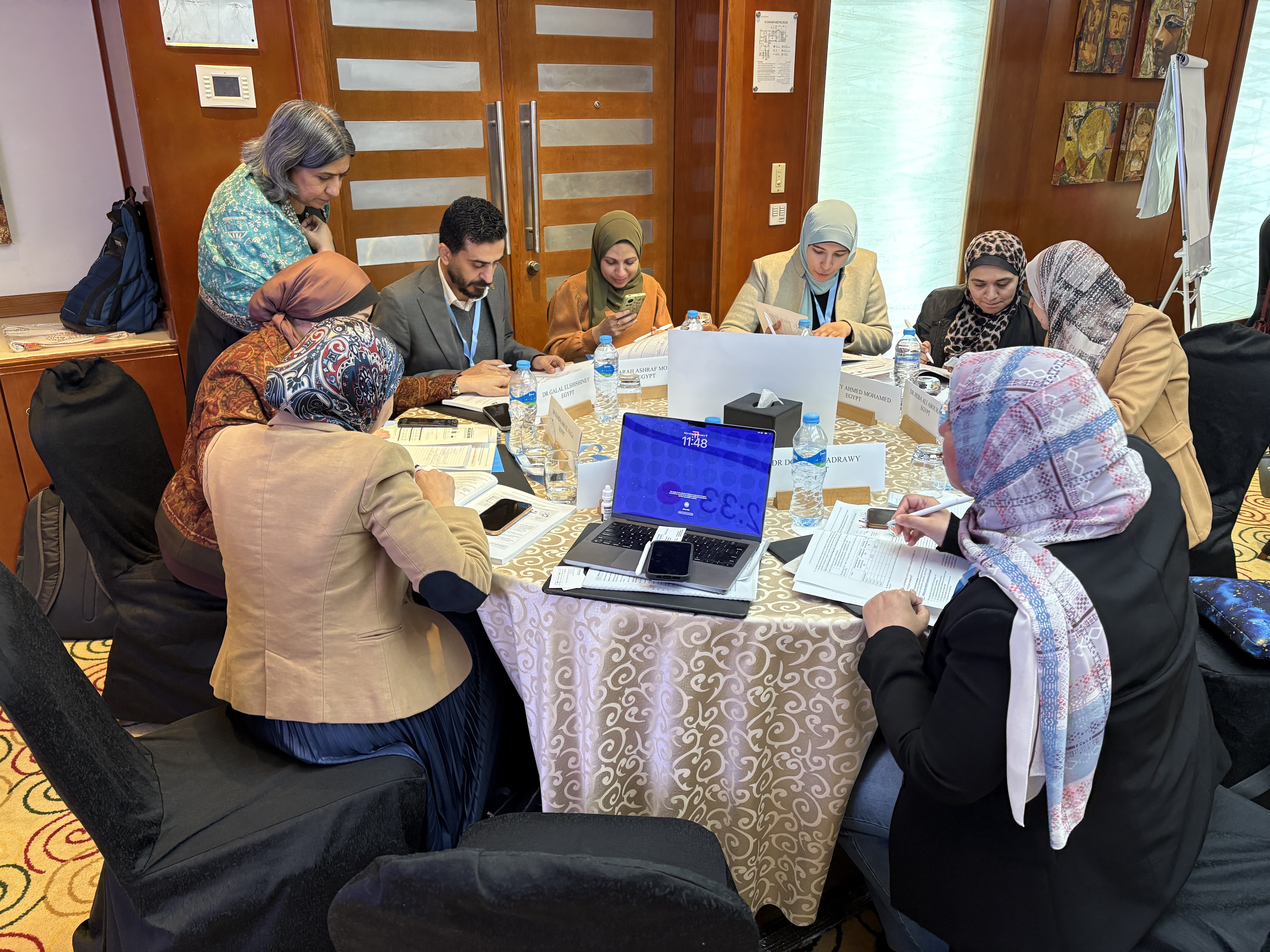
The five-day training prioritizes active engagement and peer-to-peer learning: through hands-on exercises, small-group problem solving, peer exchange, and discussions facilitated by RTSL staff and WHO colleagues. One day of the program includes a local field visit to a facility currently implementing HEARTS—an opportunity to observe HEARTS in practice and to debrief as a group on what they saw going well and what could be improved. Participants discuss their contexts in-depth, learn from others in similar positions, and problem solve with technical experts in real-time—closing the knowledge-skill gap.
Over the course of the training, participants develop and refine context-specific action plans with support from the program facilitators. These plans reflect the realities of their programs and address real problems in feasible ways, making them ready to share with partners and stakeholders back home.
A select number of participants complete an additional facilitator orientation prior to the program start and subsequently co-facilitate sessions alongside RTSL and WHO faculty. This approach strengthens local ownership, builds a growing pool of national facilitators and champions for hypertension control, and enables countries to adapt and deliver the training independently over time.
What is HEARTS?
To achieve the ambitious global goal of 50% blood pressure control, program managers should design hypertension programs that consistently deliver high-quality, HEARTS-based care at the primary care level by:
- Screening all adults for high blood pressure at every health visit using validated blood pressure measuring devices and starting treatment early
- Using evidence-based, linear protocols that are drug- and dose-specific, guide timely treatment, reduce clinical variation, and support task sharing
- Improving access to lifesaving blood pressure medications for those who need them
- Bolstering workforce capacity and task sharing to evenly distribute workload, so patients get the care they deserve
- Using a digital health care tool that provides real-time data to regularly improve program performance and keep patients in care
Developing a training program that meets the need
Over the course of two years, RTSL and WHO designed, user-tested, and iteratively refined the program with program managers from various countries and contexts. When initial feedback suggested that the modules were too text-heavy and abstract, they were updated to have a more dynamic presentation and practical focus: including videos and real-world country case studies and various individual and group exercises that keep members engaged and allow ample opportunity to share lessons learned. The field visit was added to bring HEARTS to life and bring the abstract to reality.
These enhancements have ensured the training program is relevant to all program managers—from those who have yet to integrate any aspect of HEARTS into their programs to those who are implementing all aspects but not seeing the results they desire—and that they meet the needs of the participants.
Impact: Leaders equipped to get high blood pressure under control
In less than two years since inception and one year since launch, the SCALE-HTN Control training has helped strengthen the leadership and management capacity needed to translate HEARTS-based strategies and guidance into country-level action.
As of June 2026, RTSL and WHO have trained 115 program managers from 20 countries across three WHO regions—Southeast Asia, Western Pacific, and Eastern Mediterranean.
The training has also since cascaded to the national level in the Philippines and Indonesia as a direct result of the facilitator training segment of the program. In total, 23 facilitators from Sri Lanka, the Philippines, Egypt, and WHO are now ready to deliver this training in their areas; Vietnam, China, and India are actively building momentum to follow; and the program directly inspired Egypt and others to conduct similar trainings for frontline health workers.
Beyond these direct outputs, the trainings have increased the visibility and credibility of blood pressure control as a strategic entry point for broader primary health care and NCD strengthening, elevating hypertension on national NCD agendas. They further deepened strategic partnerships with host governments and WHO regional and country offices. The initiative is also establishing an emerging community of practice that further promotes peer learning, cross-country collaboration, and ongoing mentorship—a qualitative infrastructure with the potential to continue generating impact long after each training cohort concludes.
As global momentum grows to reduce the burden of noncommunicable disease and its primary risk factor, high blood pressure, SCALE-HTN Control is helping countries build the leadership, management capacity, and local ownership needed to implement and scale effective hypertension programs. By strengthening the people who guide these programs, countries are better equipped to improve blood pressure control and reduce cardiovascular disease at scale.