Skip to content
Resolve to Save Lives
How we save lives
Our priorities
Epidemic prevention
Blood pressure control
Healthier food
Primary health care
Lead poisoning prevention
Our strategies in action
Where we work
Map
RTSL: Ethiopia
RTSL: India
RTSL: Nigeria
Who we are
About
Team
Careers
Justice & inclusion
Press
Our partners
Funding partners
Annual reports
News
Resources
Contact
Donate
Resource Library
Epidemic prevention
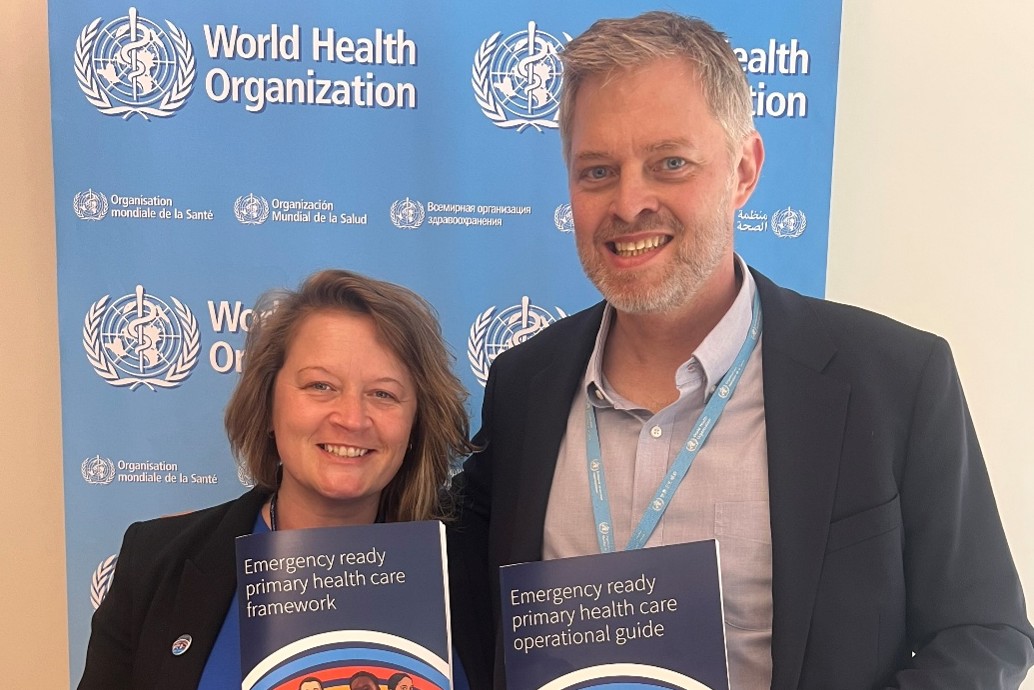
Emergency-Ready Primary Health Care (ERPHC) Framework and Operational Guide
RTSL and WHO
The ERPHC Framework and Operational Guide offers a practical approach to embedding preparedness, response and resilience within routine PHC systems.
Join Resolve to Save Lives at the 2026 World Health Assembly
The 7-1-7 target helps keep El Salvador “malaria-free”
ERPHC and 7-1-7: A Measles Case Study in Sierra Leone
Resolve to Save Lives
A study of 52 measles cases across 4 primary health facilities in Sierra Leone showed failed surge readiness due to supply gaps and referral pathways
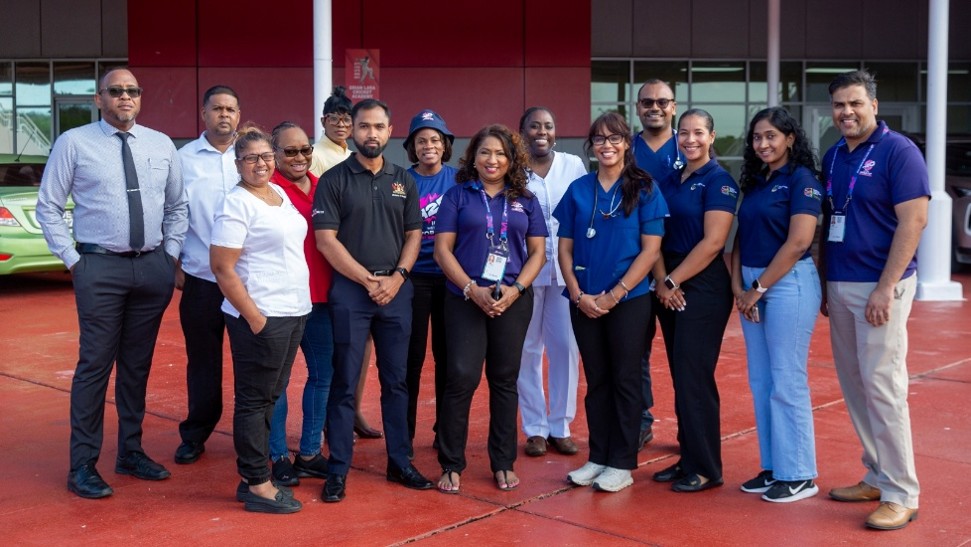
Early warning system in the Caribbean stops outbreaks before they start
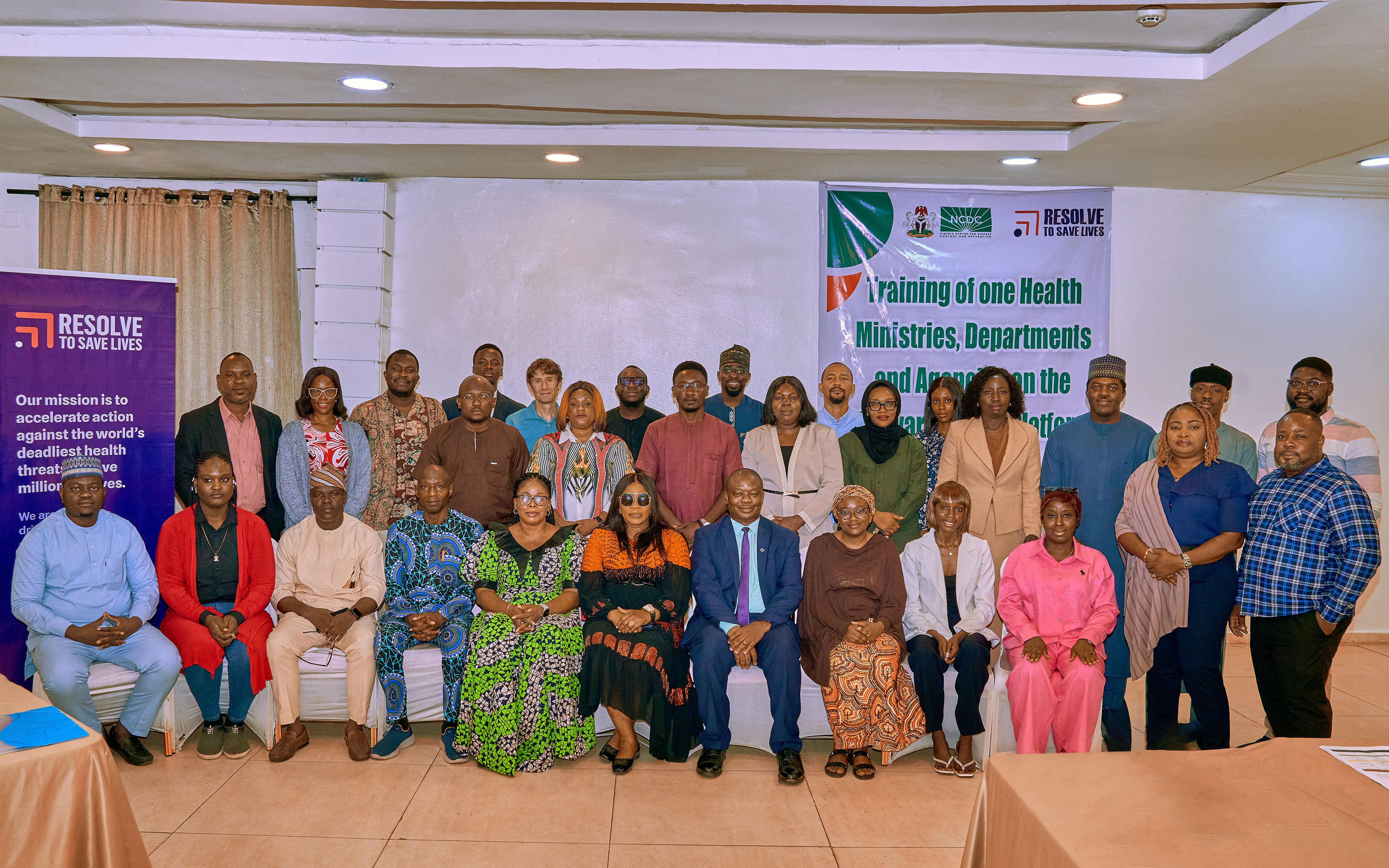
Strengthening frontline worker outbreak preparedness and response knowledge in Nigeria and Uganda
Resolve to Save Lives
A mobile training model helps frontline workers respond to outbreaks faster, with modules deployed within 48 hours and thousands trained within weeks
7-1-7 data insights: Why cholera response can’t keep pace with detection
7-1-7 Alliance
New report: Strengthening surveillance, laboratories, and outbreak response in Nigeria
A System in Transition: Nigeria Country Report
Resolve to Save Lives
Building “Emergency-Ready” health systems
Rapid Outbreak Financing to Prevent Epidemics
Resolve to Save Lives
Rio de Janeiro: Faster, more effective outbreak responses with 7-1-7
Adoption and use of the 7-1-7 target for timely outbreak detection, notification and early response in the human and animal sectors in humanitarian crisis-affected South Sudan: A mixed-methods study during 2025
Wellcome Open Research
Implementation of 7-1-7 for improving timeliness in outbreak detection and response in Thailand: A mixed-methods study on challenges in application and achievement of targets in 2024-25
Wellcome Open Research
7-1-7 data insights: Closing the response gap in vaccine-preventable disease outbreaks
7-1-7 Alliance
Epidemics That Didn’t Happen: How Uganda is strengthening its national Ebola response
A new alert system is allowing Zambia to find outbreaks faster
Evaluating the 7-1-7 target for epidemic detection, notification and response in Zambia: An operational research study, 2023-2025
Wellcome Open Research
2025 in review: Country leadership, global impact
Evaluating the 7-1-7 Outbreak Response Metric: Modelling and Implementation Insights for Ebola, Measles, and Anthrax in Central and Eastern Uganda, 2025
Wellcome Open Research
National public health leaders gather for Connected Leadership convening in Nairobi
IHR Key Obligations and Rights – Summary Table
Resolve to Save Lives
Training to prepare for the rainy season cholera surge in Zambia
Considérations relatives à la mise en place d’autorités nationales compétentes en matière de RSI
Resolve to Save Lives
IHR Legal Analysis: Standardized Checklist and Reporting Template
Resolve to Save Lives
Learning by doing: How Thailand adopted 7-1-7
Analyse juridique du RSI : liste de contrôle normalisée et modèle de rapport
Resolve to Save Lives
Adoption and use of the 7-1-7 metrics for effective detection, notification, and early response actions to public health events: A mixed-methods study in Cambodia, January 2023 to July 2025
Wellcome Open Research
7-1-7 Alliance webinars
7-1-7 Alliance