Disease situation reports (SITREPs) are among Nigeria’s most important tools for detecting outbreaks, monitoring disease trends and guiding public health action. Producing them requires extensive data cleaning, analysis, visualization and formatting, which can delay review and dissemination of the latest epidemiologic information.
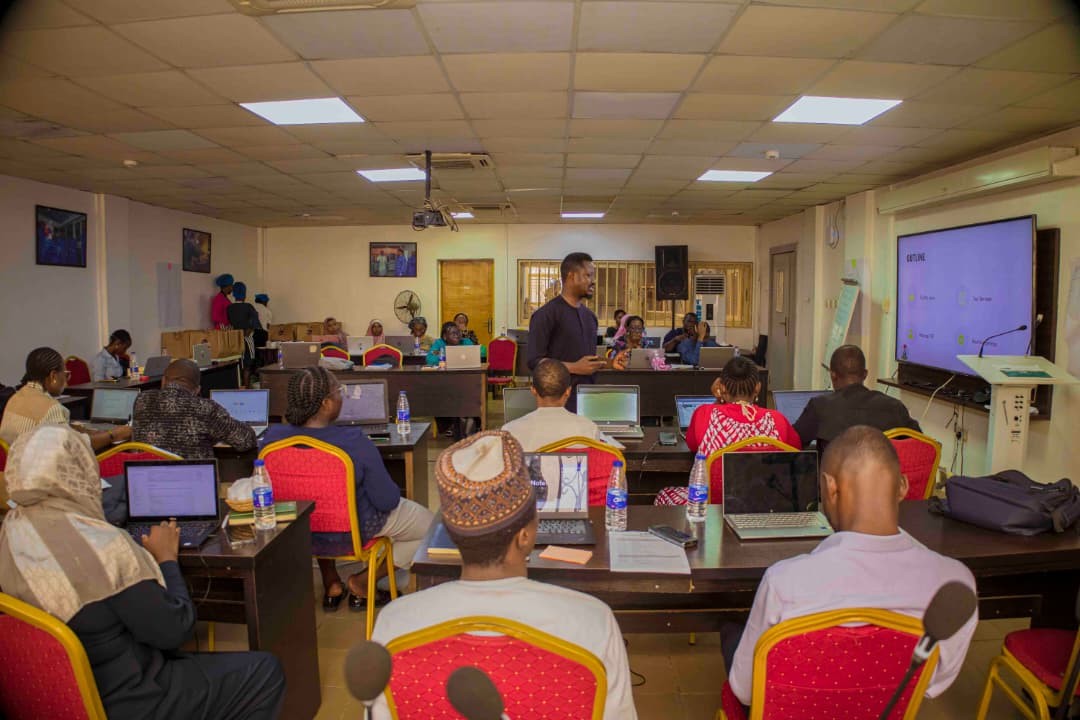
The Nigeria Centre for Disease Control and Prevention (NCDC), with technical support from Resolve to Save Lives (RTSL), strengthened the capacity of 22 staff from 11 disease technical working groups to use a programming language called R to automate the generation of situation reports. At a five-day workshop, participants learned how automated tools and workflows can make disease reporting more efficient, standardized, and reproducible.

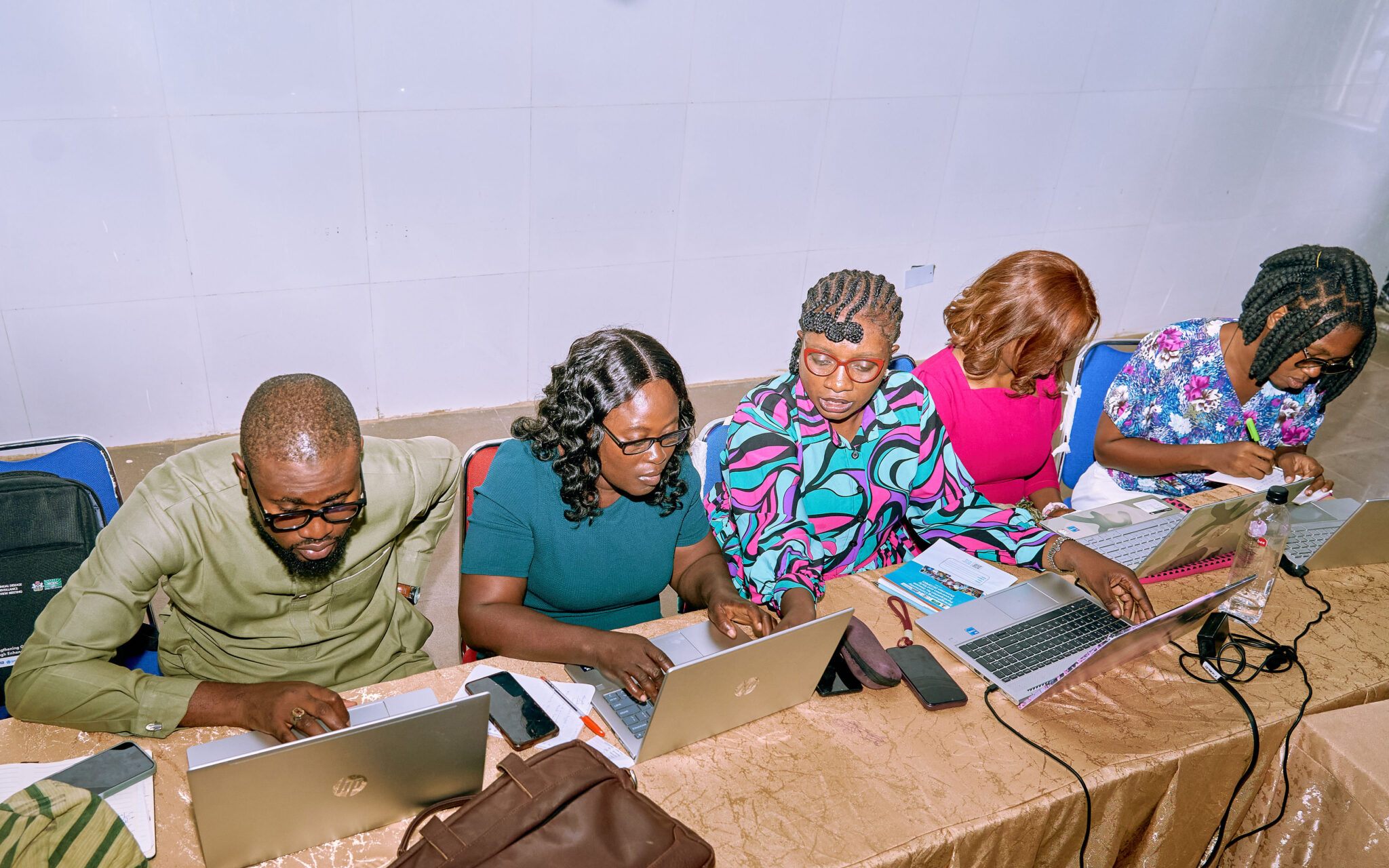
The training brought together epidemiologists, surveillance officers, and data analysts responsible for disease reporting across NCDC. Through demonstrations, guided coding exercises, and hands-on group work, participants learned to clean and process surveillance data, generate epidemiological summaries, build tables and visualizations, and produce disease-specific SITREPs. They also practiced troubleshooting common coding and data challenges.
With this capacity in place, NCDC can now build on the foundation by applying and expanding automated reporting across disease programs. As staff put their new skills into practice, the approach can reduce the time and effort analysis and report generation requires and support more consistent, timely surveillance information for outbreak preparedness, detection, and response.
RTSL will continue to provide formal trainings and ongoing technical mentorship as NCDC expands automated reporting and strengthens the quality, consistency and usability of its disease surveillance information products to enable timely and informed decision-making.