Resource Library

Epidemic ready primary health care (ERPHC)

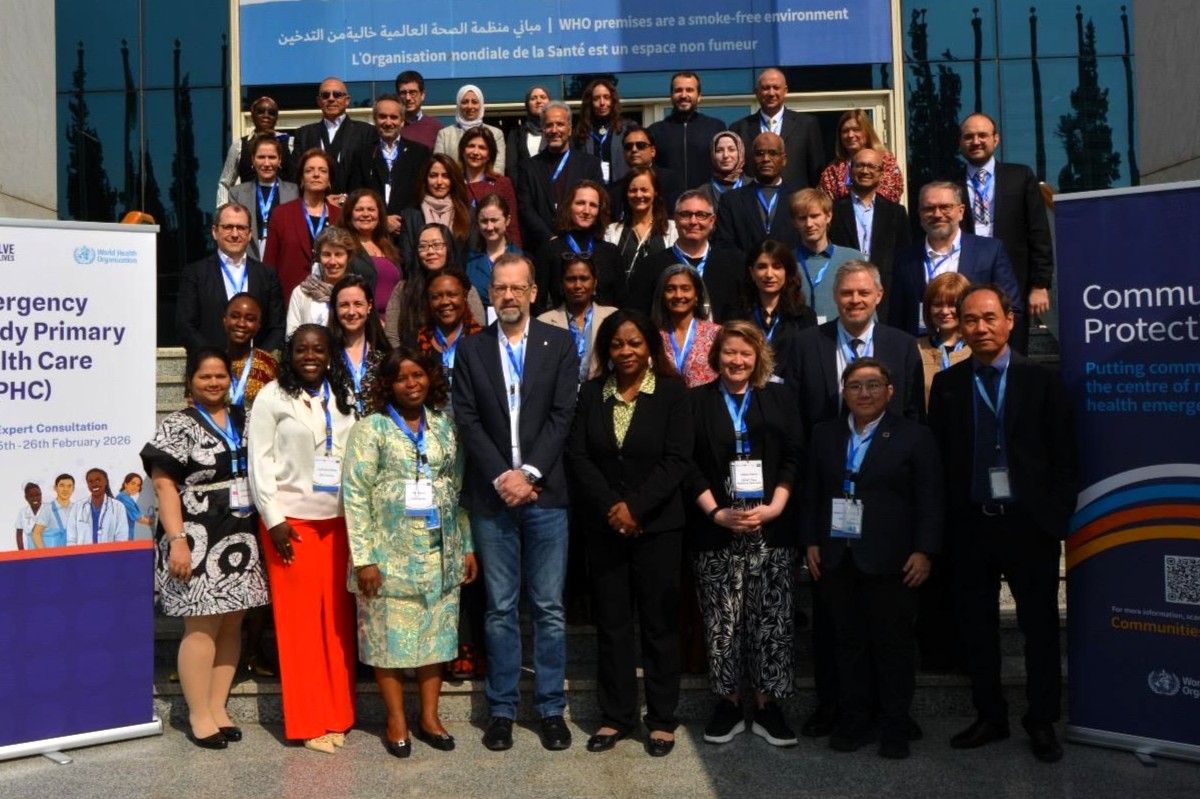
RTSL and WHO
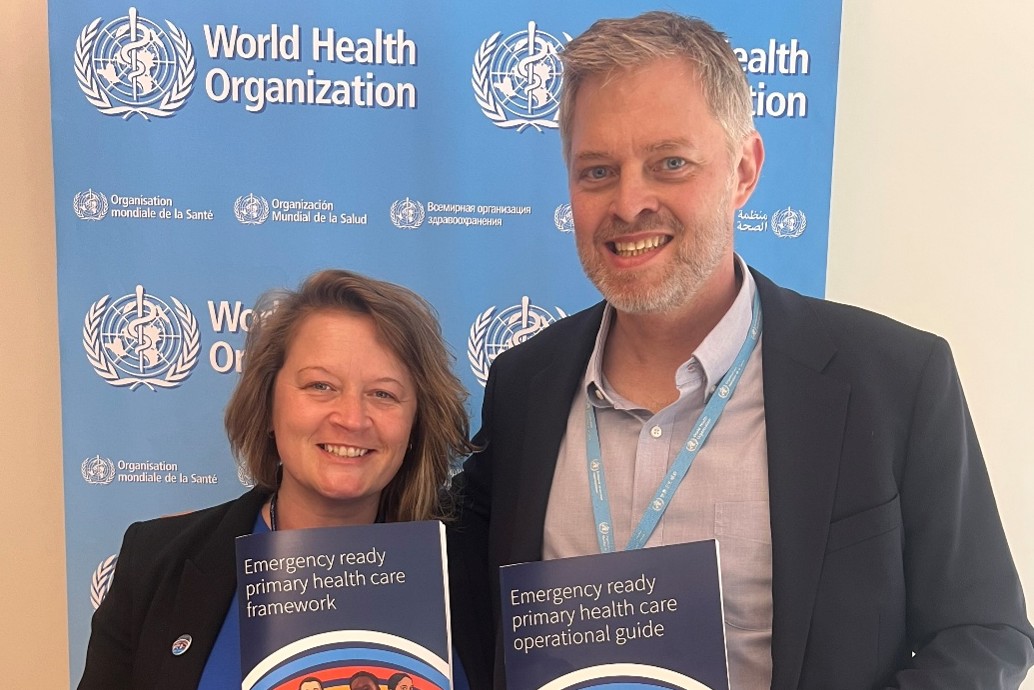
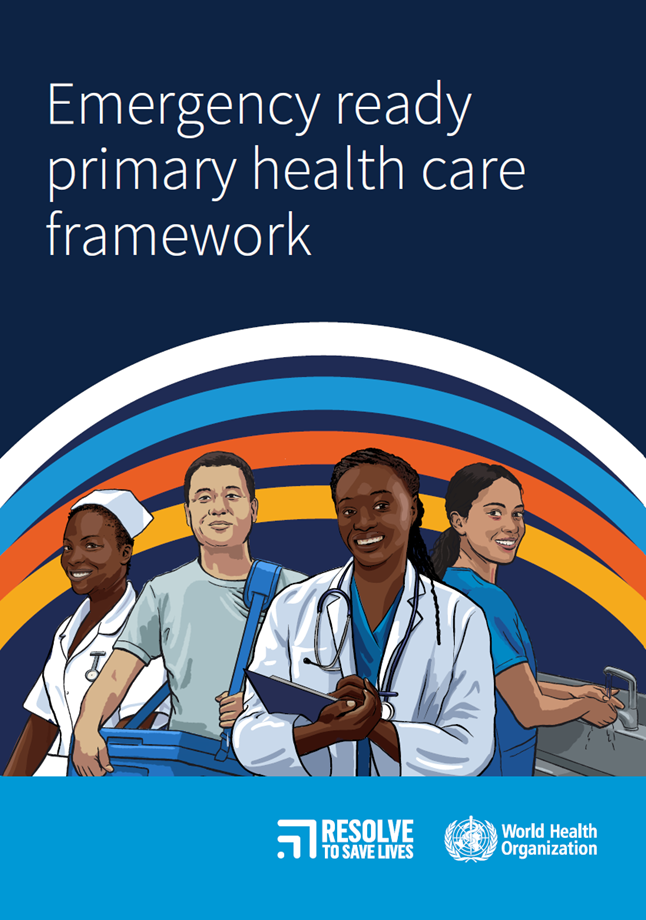
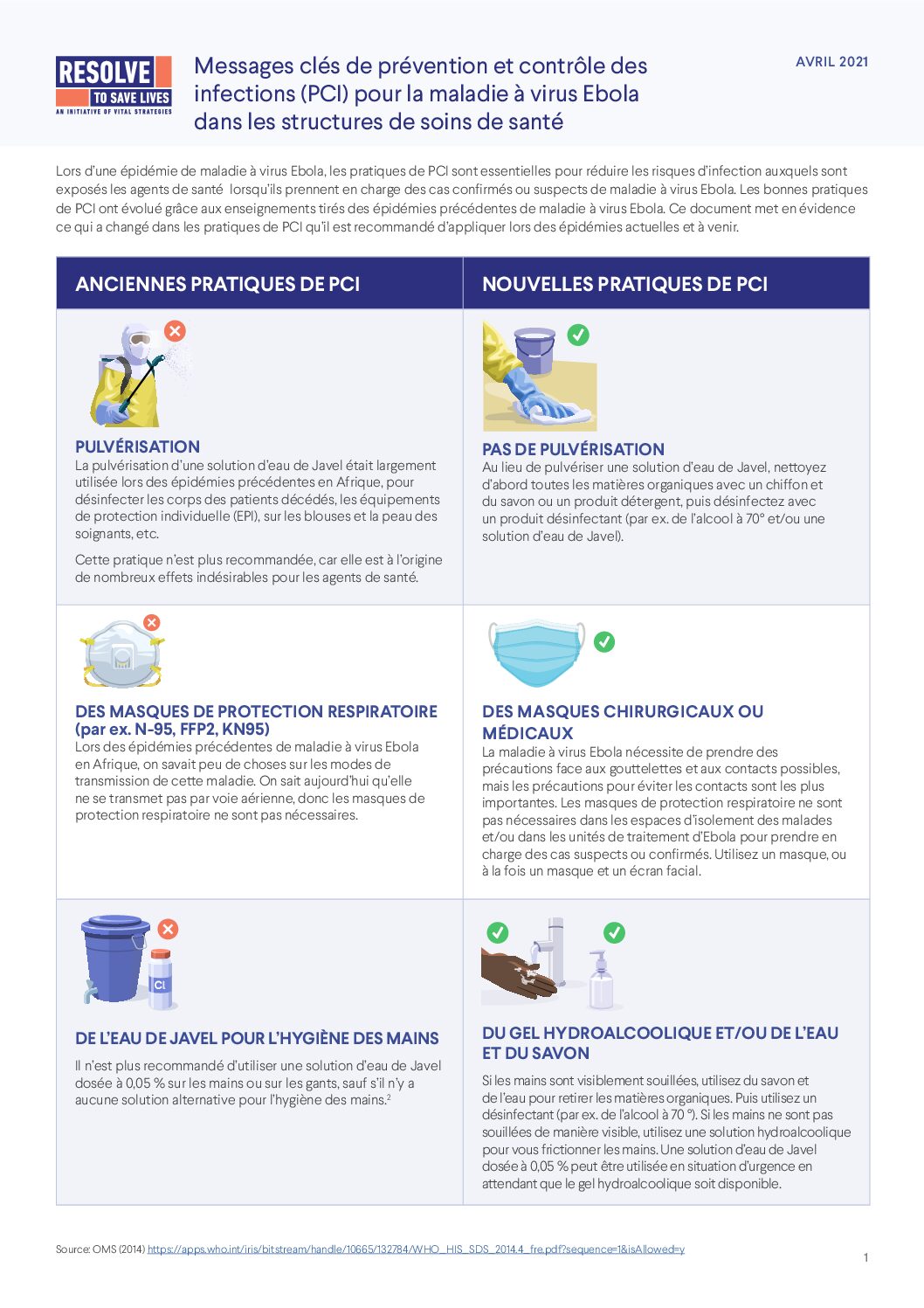
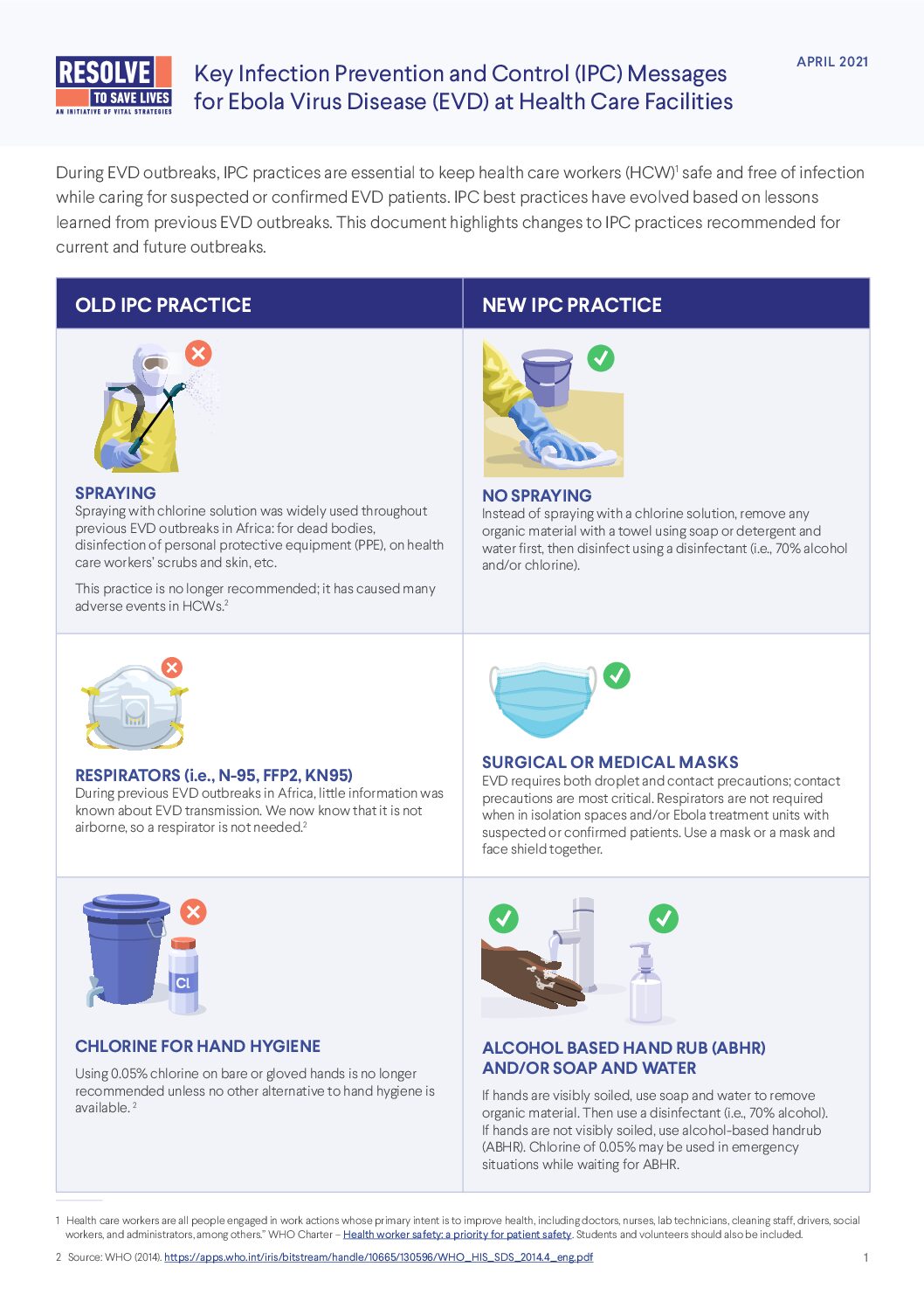
The ERPHC Framework and Operational Guide offers a practical approach to embedding preparedness, response and resilience within routine PHC systems.
Resolve to Save Lives
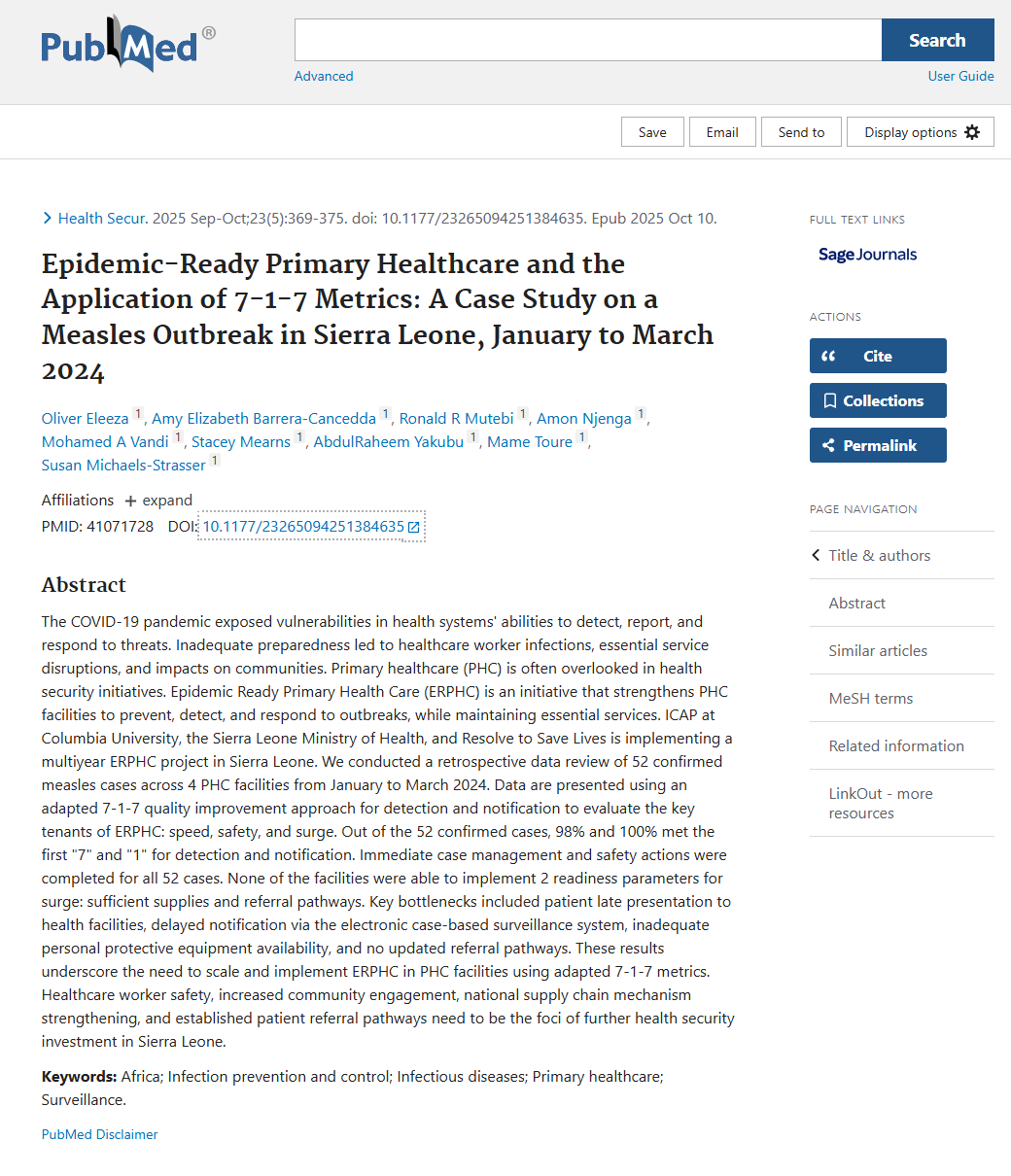
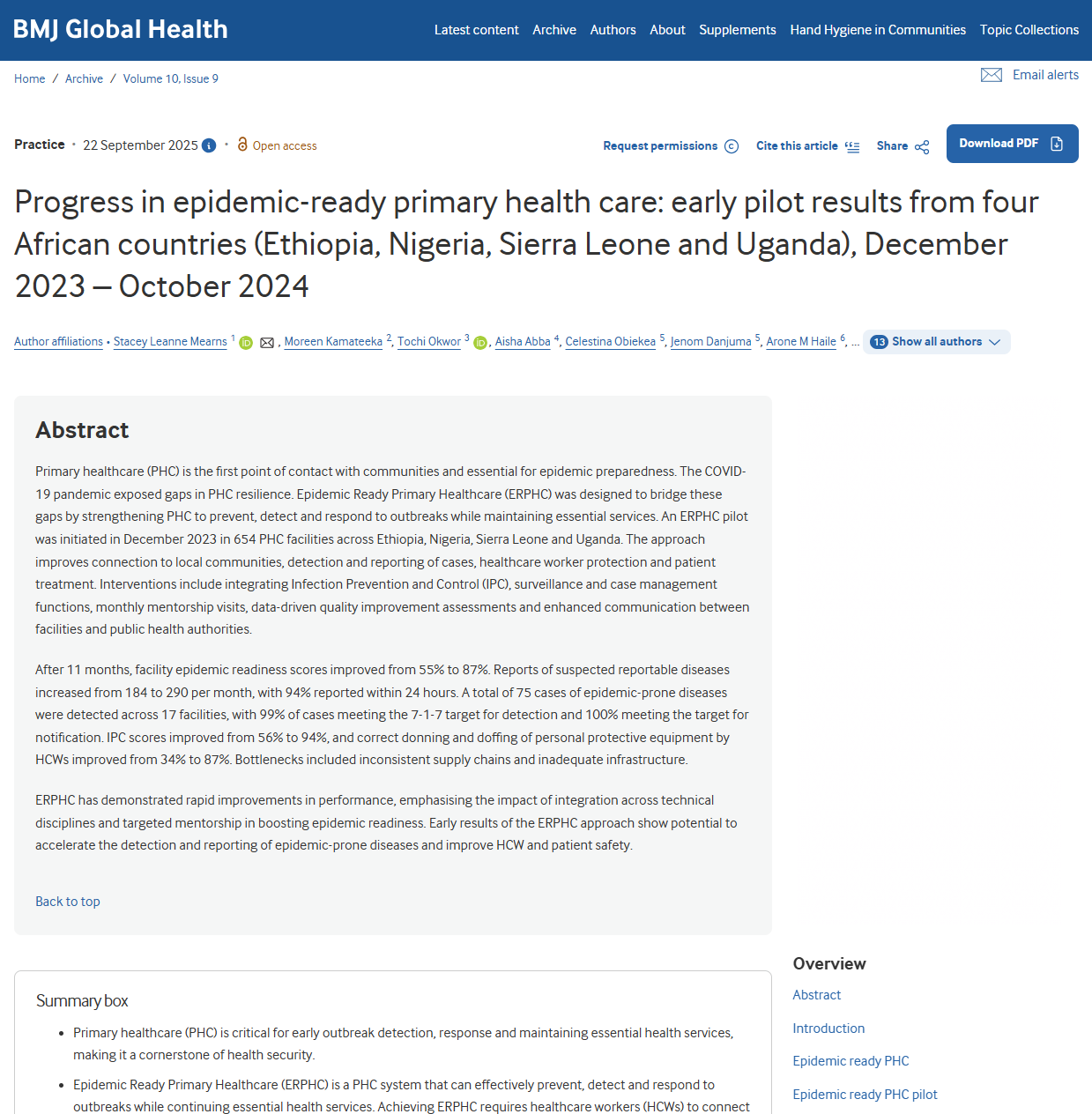
A study of 52 measles cases across 4 primary health facilities in Sierra Leone showed failed surge readiness due to supply gaps and referral pathways
Resolve to Save Lives
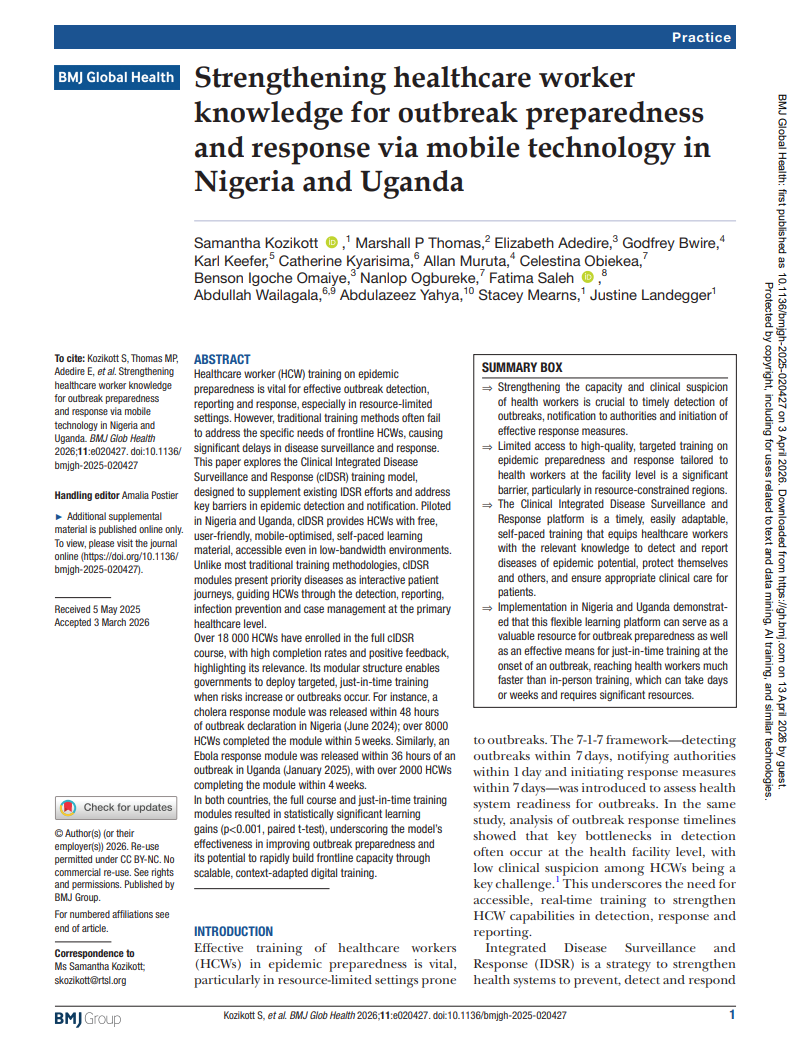
A mobile training model helps frontline workers respond to outbreaks faster, with modules deployed within 48 hours and thousands trained within weeks
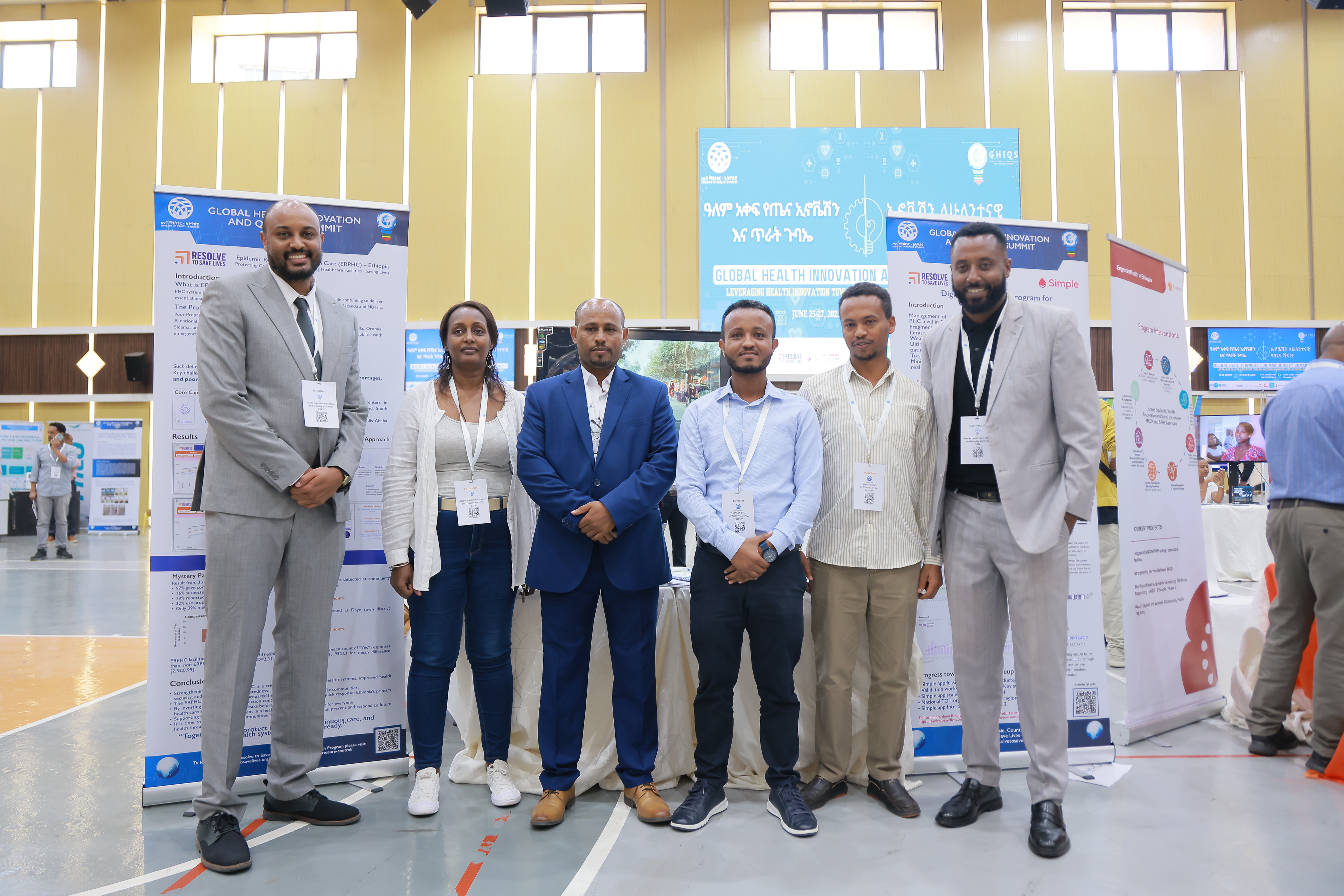
Ministry of Health Ethiopia
Monitoring and Evaluation Plan for Ethiopia’s national Infection Prevention and Control strategy. .
Ministry of Health Ethiopia
A guide for IPC professionals focused on the surveillance of infections that occur during health care delivery.
Ministry of Health Ethiopia
The strategic IPC interventions planned to prevent, reduce and control the development of health care-associated infections (HAIs) and antimicrobial resistance (AMR) in Ethiopia.
Ministry of Health Ethiopia
Volume II of Ethiopia’s national IPC manual covers advanced and special settings in infection prevention and control.
Ministry of Health Ethiopia
Volume I of the IPC manual of record for all health care delivery systems in Ethiopia, covering general principles. See Volume II for advanced IPC and special settings.
Resolve to Save Lives
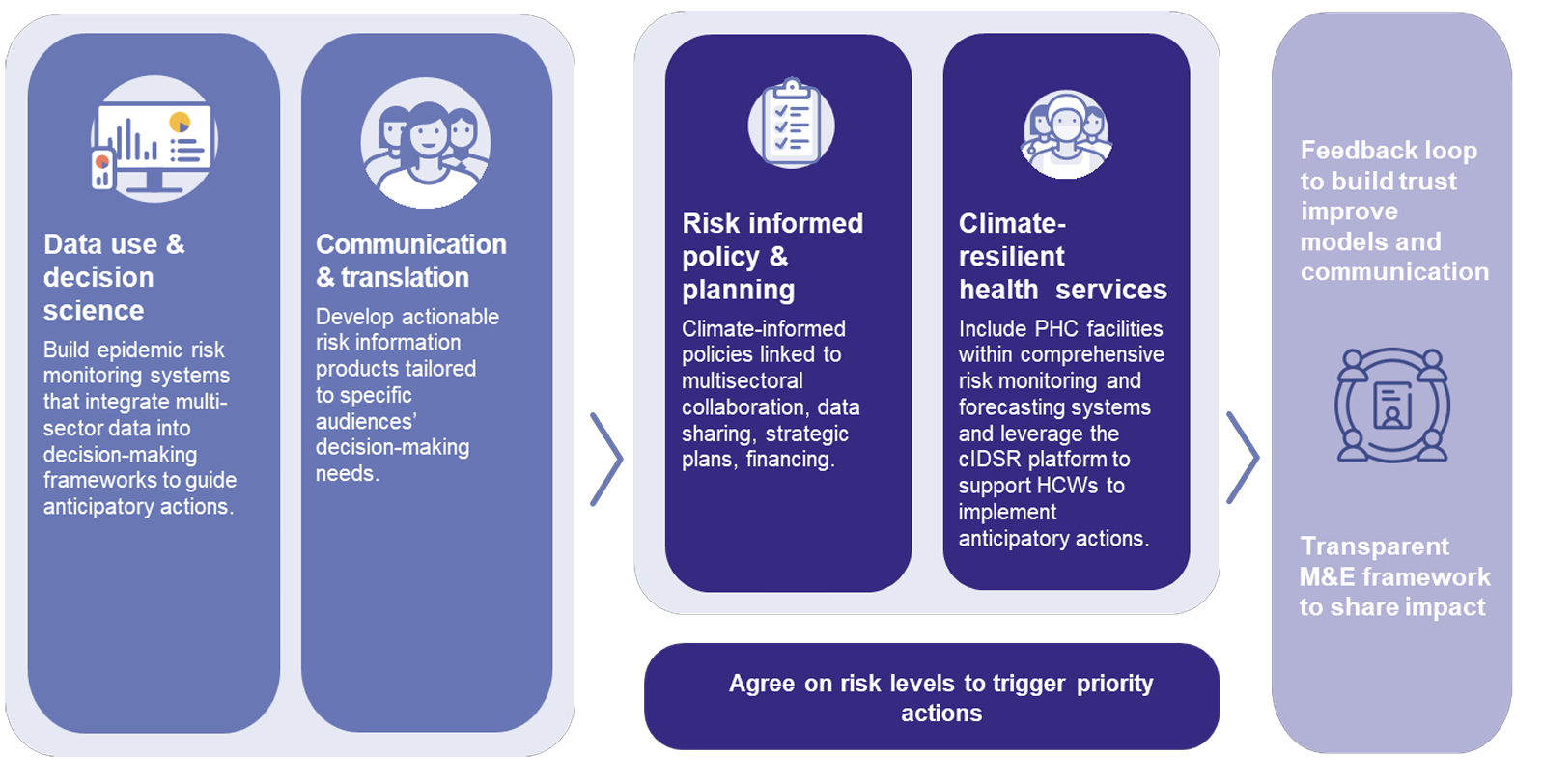
Strengthening epidemic readiness by integrating climate data into health systems.
The Lancet Public Health
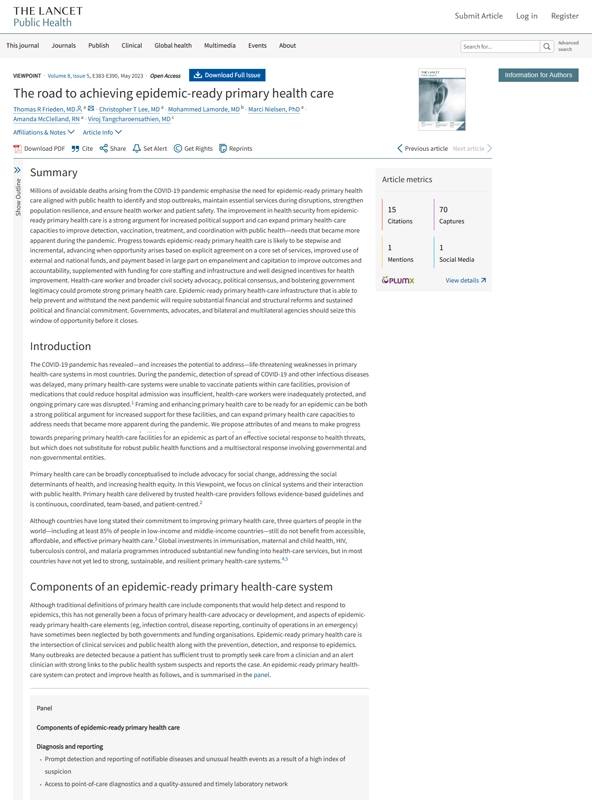
We propose an epidemic-ready primary health care model to integrate public health and health care, stop outbreaks, ensure essential services, strengthen resilience, and protect workers and patients.
BMJ Global Health
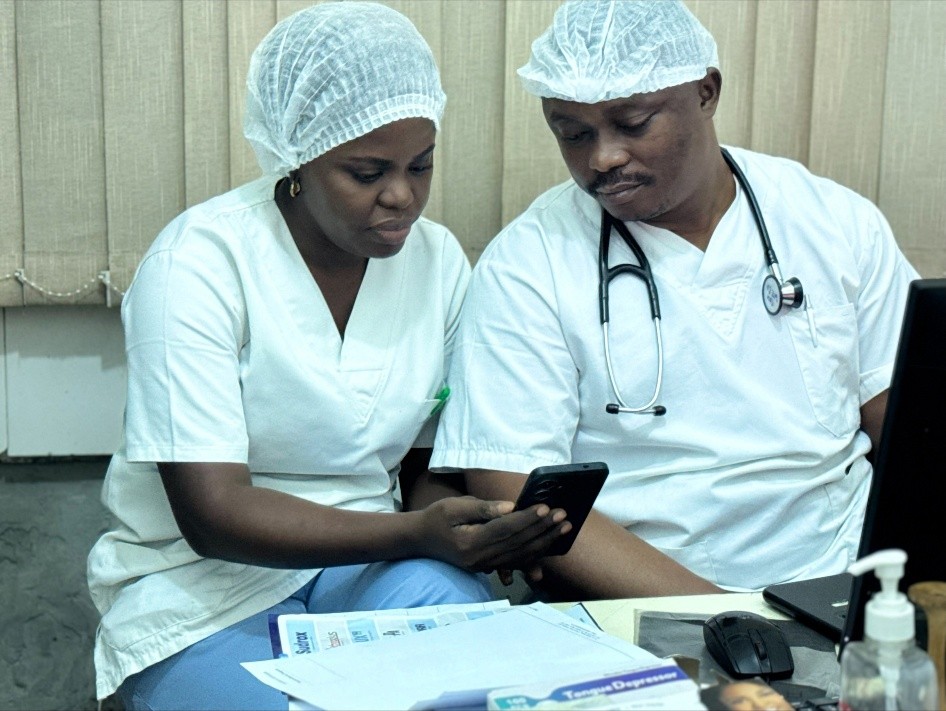
An infection prevention and control initiative improved COVID-19 infection rates for health care workers in Africa, but challenges showed the need for long-term investments in sustainable IPC programs
Human Resources for Health
Effective outbreak response requires sustained investments in health systems—going beyond training to include adequate equipment, space and staffing levels.
Nature Communications
SARS-CoV-2 infections among health care workers caused up to 8.38% of health expenditures in five low- and middle-income countries, underscoring a need for stronger protection measures.