Hand in hand with our partners, we're making real progress against the world’s deadliest health threats.
Dear Colleague,
In November, health workers in Ethiopia detected an unusual cluster of fever cases. Within days, testing confirmed Marburg virus and triggered a coordinated response—led by the Ethiopian government and supported by partners including Resolve to Save Lives—that identified cases rapidly and implemented isolation measures. This was Ethiopia’s first Marburg outbreak, and, as of this writing, it appears to have been contained, with excellent, coordinated tracking and response. A decade ago, this response would have taken weeks—if it happened at all.
At Resolve to Save Lives, we work shoulder to shoulder with governments and communities to co-create and scale programs that countries will sustain. We co-create solutions, test what works, and help scale them up.
This year proved why this approach matters. As global health funding declines and new threats emerge, the programs we’ve built with partners are holding strong—because countries run them.
Our model works because countries drive it. That’s what will sustain progress in the uncertain years ahead.
Together with our partners, we address the world’s deadliest, most preventable health threats: heart attacks and strokes that kill millions each year, lead and other toxic substances that poison our children, and epidemics that devastate communities.
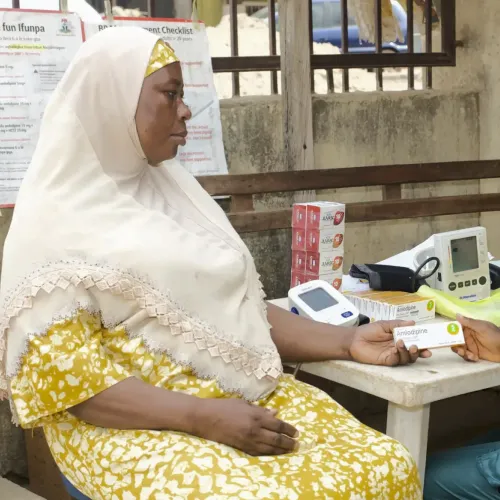
Our cardiovascular health partnerships will prevent 9 million deaths over the coming decades through programs that countries now operate themselves. This past year, 15 million additional patients were enrolled in hypertension treatment. These are mothers, fathers, neighbors, and community leaders who will live longer, healthier, more productive lives.
Pakistan and Malaysia banned industrial trans fat in 2025. More than four billion people—half the world’s population—now have protection from this harmful additive. Nigeria passed policies addressing lead in cosmetics, a critical step to prevent intellectual disability and early death.
The 7-1-7 Alliance now spans 75 countries and has engaged more than 3,500 frontline health workers. New research confirms that faster outbreak response saves lives. Our work strengthening primary health care in Ethiopia, Nigeria, Sierra Leone, and Uganda protects patients and health care workers and builds the foundation for better outbreak detection and response. We’ve supported more than two dozen countries to strengthen systems and unlock financing to address critical gaps in preparedness.
None of this would be possible without partners who share our commitment to closing the gap between what we know saves lives and what actually happens in communities. Our model works because countries drive it. That’s what will sustain progress in the uncertain years ahead.
With thanks,
Dr. Tom Frieden President and CEO Resolve to Save Lives
Epidemic prevention
Nearly 1 in 4countries are using—or on the road to using—the 7‑1‑7 target to find and stop outbreaks faster.
Millions of lives and livelihoods are at risk because infectious disease outbreaks aren’t detected, reported and controlled in time.
In 2025, we worked with our partners to manage disruption while strengthening the systems that find epidemics faster and stop them sooner.
We build tools that strengthen epidemic preparedness and response. In the Democratic Republic of the Congo, our new tool is helping partners identify financing gaps and align outbreak response funding with national needs.
In South Sudan, our partners used the 7-1-7 target and quick access to flexible funds from RTSL to stop a cholera outbreak in what they called “the fastest we’ve ever been able to deploy a team.”
Over the past year, we engaged 127 leaders and practitioners from 10 countries—not through one-off trainings, but through sustained accompaniment that reshapes how leaders prioritize, collaborate, and deliver results in complex systems.
Thailand’s Department of Disease Control
Our 7-1-7 target is changing the way the world is finding and stopping outbreaks.
Developed and refined with our partners in Brazil, Ethiopia, Liberia, Nigeria, and Uganda, 7-1-7 is now the global standard. In 2025, it was actively used or formally adopted by nearly 50 countries, with 30 more expressing interest. The World Health Organization (WHO) also embedded it in its new National Health Emergency Alert and Response Framework.
7-1-7 gives countries useful data. When countries use that data and treat every outbreak as a learning opportunity, we see more Epidemics that Didn’t Happen.
As 7-1-7 surfaces bottlenecks in outbreak detection and response, we’ve co-created solutions to address them. Event-based surveillance systems capture unconventional early warning signs so countries can detect outbreaks sooner; rapid response funds remove barriers from early response actions; and modern public health laws—like those in Kano State, Nigeria and the 10+ countries we’re working with—give our government partners the clear legal authority they need to act quickly at all stages of outbreak response.
Scalable digital health infrastructure
In Zambia, surveillance systems capture signals and reports of suspected cases of infectious diseases, but response efforts lacked a coordinating platform—making it difficult to monitor events and assign responsibilities across teams, sectors, and agencies and launch an effective response.
We worked with the Zambia National Public Health Institute (ZNPHI) using a rapid design approach that enabled teams to design, build, and test an initial solution in just five days—laying the foundation for a fully operational, country-owned system.
Through further development, design, and testing, what began as an early model evolved into ZEBRA (Zambia’s Emergency Bridge for Response Application). Designed to integrate seamlessly with ZNPHI’s existing surveillance systems, ZEBRA provides surveillance teams and the national emergency operations center with a real-time view of every outbreak detected across the country, allowing events to be verified quickly and escalated before outbreaks can spread.
Primary health care
primary health care workers
0
enrolled in our mobile training to learn how to protect themselves and their patients during deadly outbreaks.
Every year, 8 million people in low- and middle-income countries die from causes that quality primary care could have prevented.
In 2025, we strengthened partnerships to build stronger health systems and improve care in communities—where even small interactions can save lives, every day.
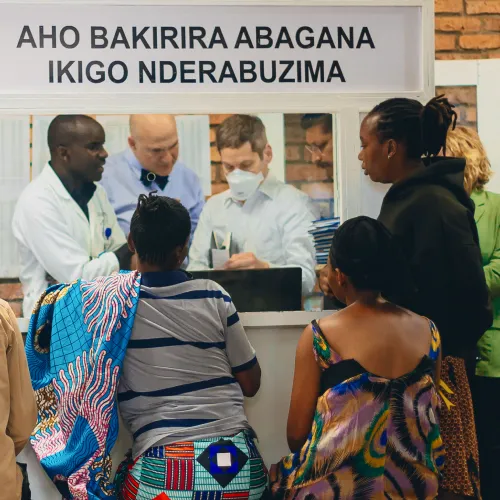
Primary care facilities shouldn’t have to wait for an outbreak to test their readiness. In Ethiopia, Nigeria, Sierra Leone, and Uganda, we ran patient simulation exercises to mimic real-world outbreak scenarios.
In Zambia, more than 26,000 frontline health workers used our mobile course to boost their skills to identify cholera cases and protect themselves and their patients—improving their knowledge scores by an average of 40%.
With our support, Rwanda is modernizing health financing by setting clear rules for payment, quality and digital claims that speed up reimbursement and strengthen care delivery.
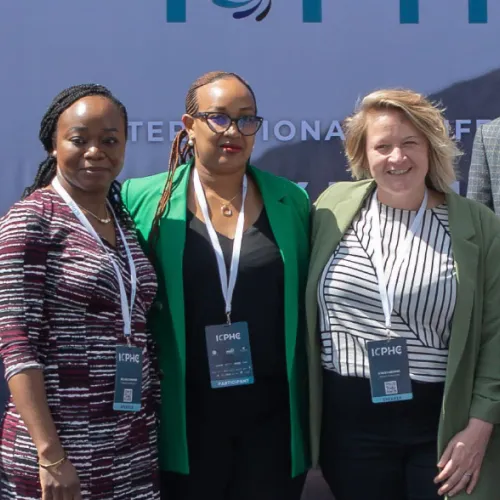
At the International Conference on Primary Health Care, we helped bring together more than 700 participants from 40 countries and 100 organizations to advance knowledge sharing, partnerships and practical support for primary health care.
Primary health care is both the most neglected and the most powerful intervention point—reaching more patients and offering more opportunities to save lives than any other setting.
Drawing on years of experience working with governments, we expanded our innovative, evidence-based strategies to transform how primary health care is financed, delivered and measured.
Our ERPHC program supported hundreds of health facilities to become epidemic-ready: to better prepare for outbreaks, find cases quickly, and manage them safely, all while continuing to provide the everyday care people depend on. Soon, its reach will grow as WHO adopts our ERPHC framework into its global guidance.
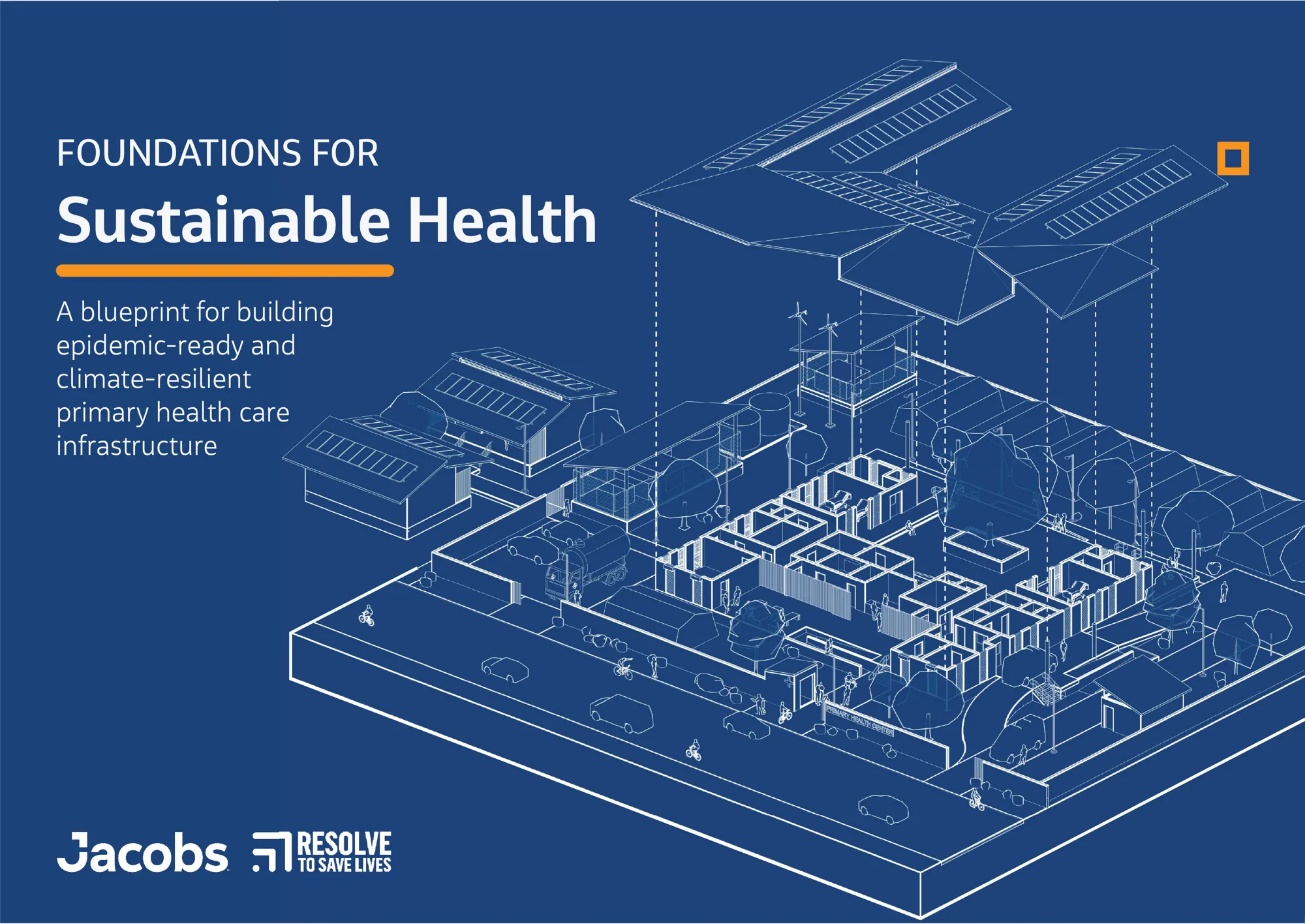
To meet the needs of a changing climate, we developed a blueprint to support countries to build primary health care infrastructure that is epidemic-ready, climate-resilient and sustainable.
Most primary care assessments only capture data from people who visit health facilities. We worked with primary care experts to develop Primary Health Care Questions for Surveys (PHCQS), giving countries a consistent way to measure access and the unmet need for services.
Scalable digital health infrastructure
In Rwanda, the right digital tools are making a difference in primary health care—strengthening quality, expanding access and improving outcomes.
Working with the Ministry of Health, our team brought a user-first focus to Rwanda’s new electronic medical record (EMR) system—designing and refining alongside health care workers to create a tool that works with their workflows, reduces paperwork, and speeds up the flow of patients. We produced a suite of training videos and embedded staff within the Ministry of Health to help users troubleshoot the tool—increasing adoption of the system and reducing training time and costs. We also enabled automation to analyze data and generate reports—freeing up primary health workers to focus on providing care.
Even the best data needs to be easy to access. Our team developed a simple, user-friendly performance dashboard that tracks progress in primary health care—helping decision makers quickly identify problems and monitor the effects of their interventions.
Blood pressure control
million patients
0
enrolled in hypertension treatment, including 15 million in 2025 alone
Every year, more than 18 million people die of heart disease and stroke—but treatment and prevention remain neglected.
In 2025, we strengthened our partnerships with countries to implement effective, large-scale blood pressure control programs at the primary health care level.
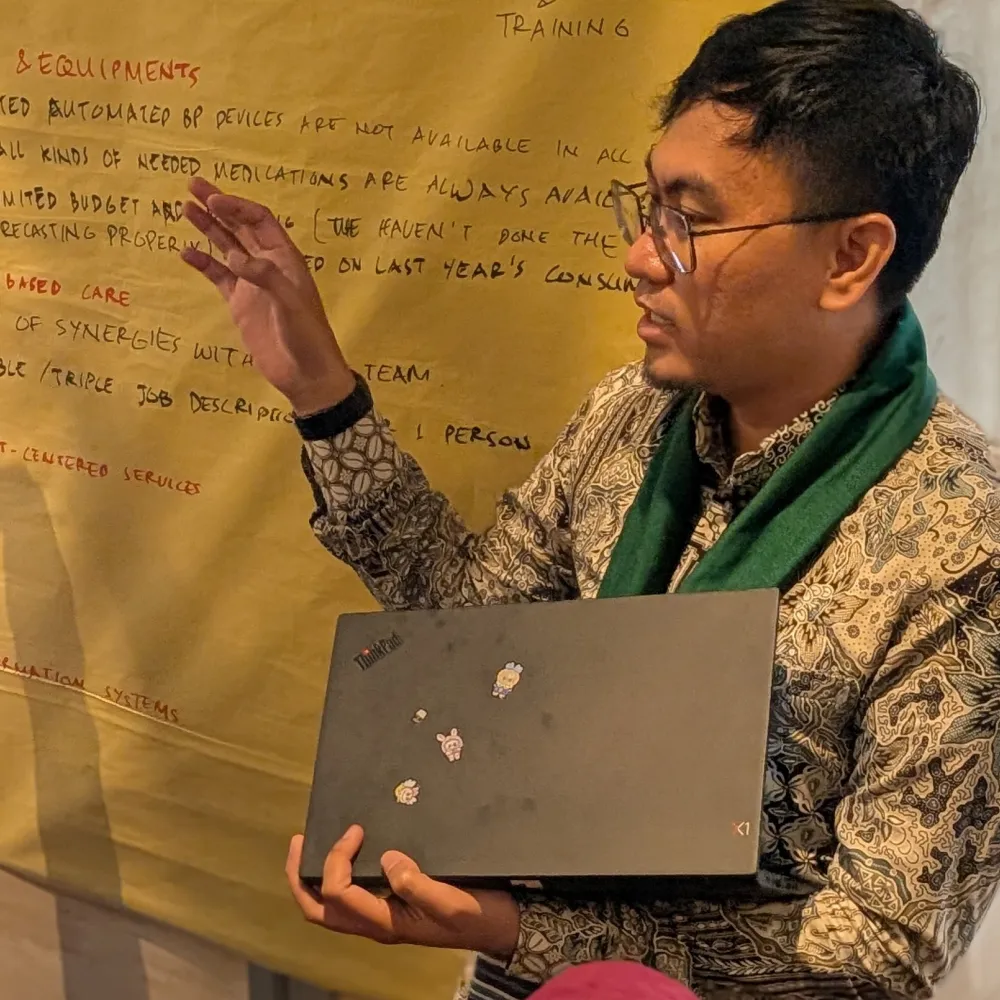
We designed and facilitated new, best-in-class trainings for managers of noncommunicable disease and cardiovascular disease programs representing 11 countries, and counting—cultivating national champions ready to take best practices to scale.
In Nigeria, we worked with partners to build local capacity to produce affordable, high-quality medication—a step toward making hypertension medicines accessible to all and eliminating a major barrier to blood pressure control.
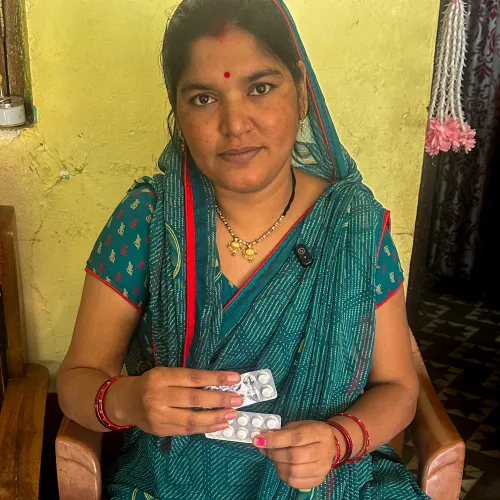
In India, we partnered to launch a first-of-its-kind learning lab for blood pressure disorders during pregnancy—supporting local primary health centers to manage blood pressure as a part of regular pre- and post-natal care.
With the endorsement of national and regional health leaders, Ethiopia’s Ministry of Health began a national scale-up of RTSL’s Simple app for large-scale hypertension and diabetes management programs—bringing this digital tool to more than 700 health care facilities in ten regions.
When the UN General Assembly spotlighted noncommunicable diseases this year, we were ready—armed with years of evidence showing which hypertension interventions save lives.
With NCDs in the spotlight, we zeroed in on one change with the potential to save millions of lives worldwide: making quality blood pressure medicines more accessible. We showed that offering medicine for free reduces the risk of heart attack, stroke and hospitalization and that making this shift can cost just one penny per pill. Our country partners are proving that it’s possible: in Nigeria, we supported a drug revolving fund that is lowering medication costs by up to 49%, and at the World Health Assembly, ministers of health from around the world detailed how they’re making lifesaving medicines available for those who need them at a cost they can afford.
Scalable digital health infrastructure
A strong digital solution can mean the difference between a blood pressure control program that fails and one that saves millions of lives.
We enhanced our user-centered, open source Simple app for managing blood pressure and diabetes by adding features that let program managers set priorities, track progress and guide health care teams toward actions that improve patient outcomes.
With the gold-standard HEARTS 360 dashboard we developed for managing hypertension and diabetes programs, countries put previously underused program data to work—and made big improvements.
In Sri Lanka, where we partnered with the Ministry of Health, the streamlined, impact-focused data on the hypertension control program dashboard helped program managers identify a widespread problem with prescription practices. Within just one year of beginning targeted interventions to address it, blood pressure control rates increased from 50% to 68%.
Healthier food
billion people
0
protected from toxic trans fat thanks to policy action we support
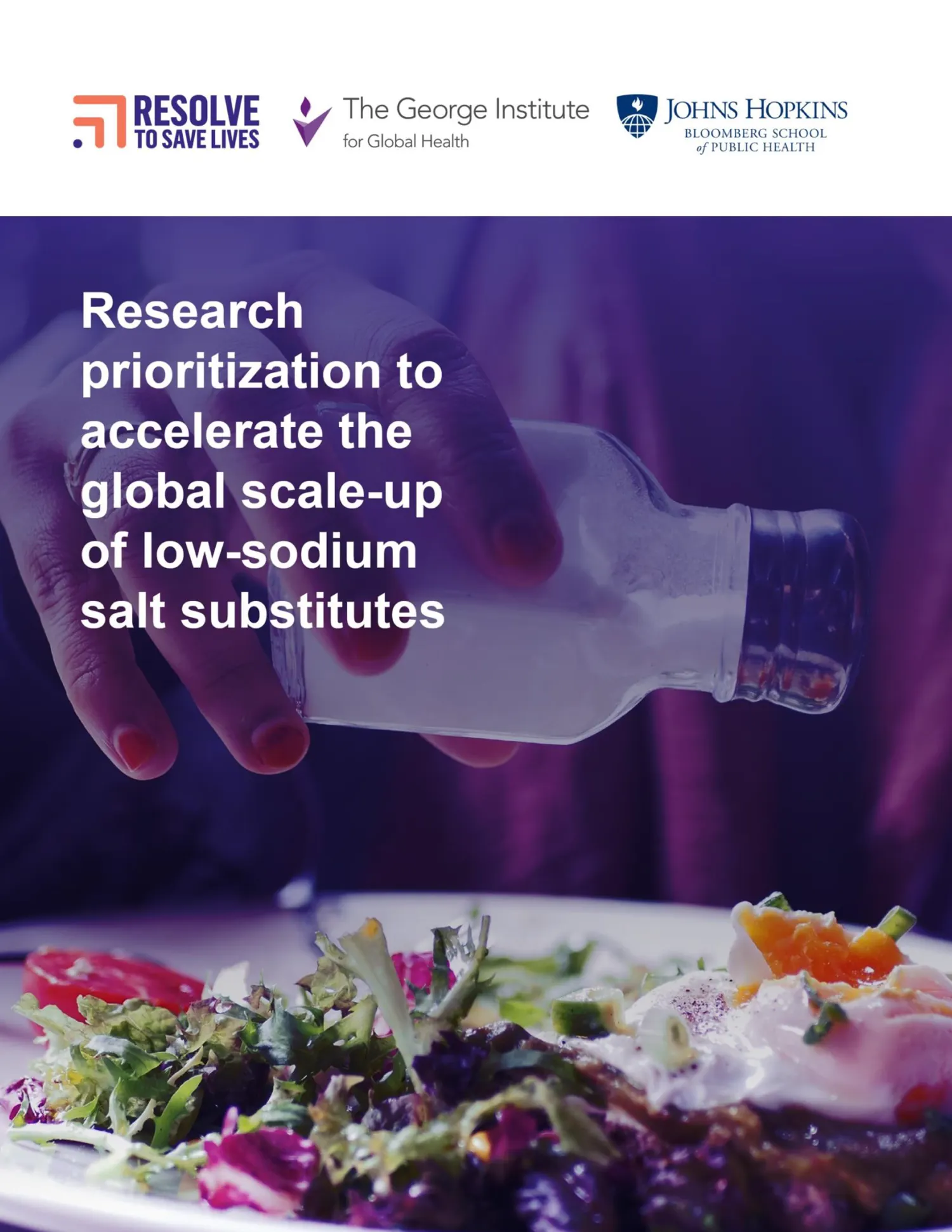
Unhealthy food—especially artificial trans fat and consuming too much salt—is a leading contributor to heart disease and premature death.
In 2025, we worked with our partners to advance policies that create a healthier food supply and empower people to make healthier food choices—protecting millions from preventable heart attacks and strokes.
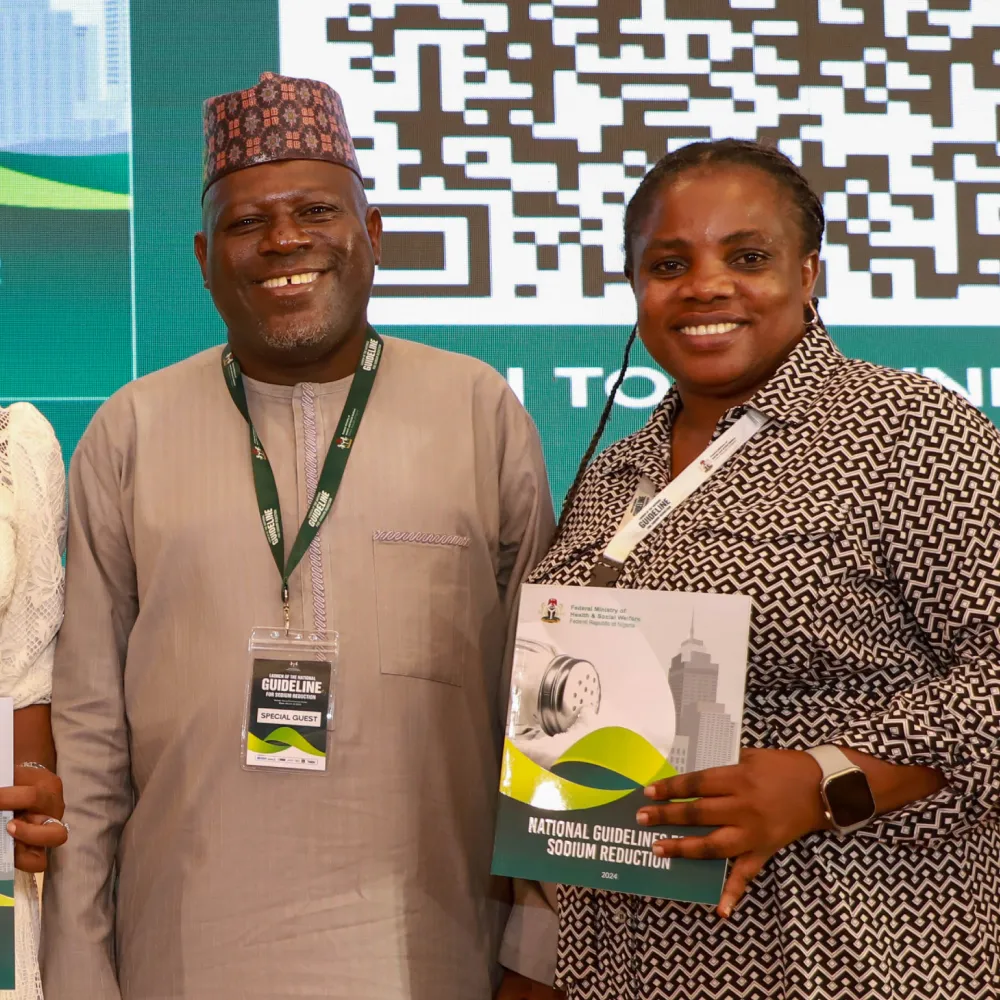
With our support, Pakistan became the 64th country to ban trans fat—a critical public health victory protecting more than 240 million people. We’re also celebrating best practice policies in Malaysia and Georgia, bringing the global total to 4.1 billion people protected from trans fat.
Ethiopia is closer than ever to endorsing the unhealthy diet proclamation that will protect consumers from the harms of foods high in salt, sugar, and fat. RTSL supported drafting the proclamation and evidence-generation efforts and provided public advocacy, technical, and financial support which were instrumental in completing the draft proclamation.
Changing food policy can be daunting—but putting credible evidence and tools in the hands of advocates and policymakers accelerates action.
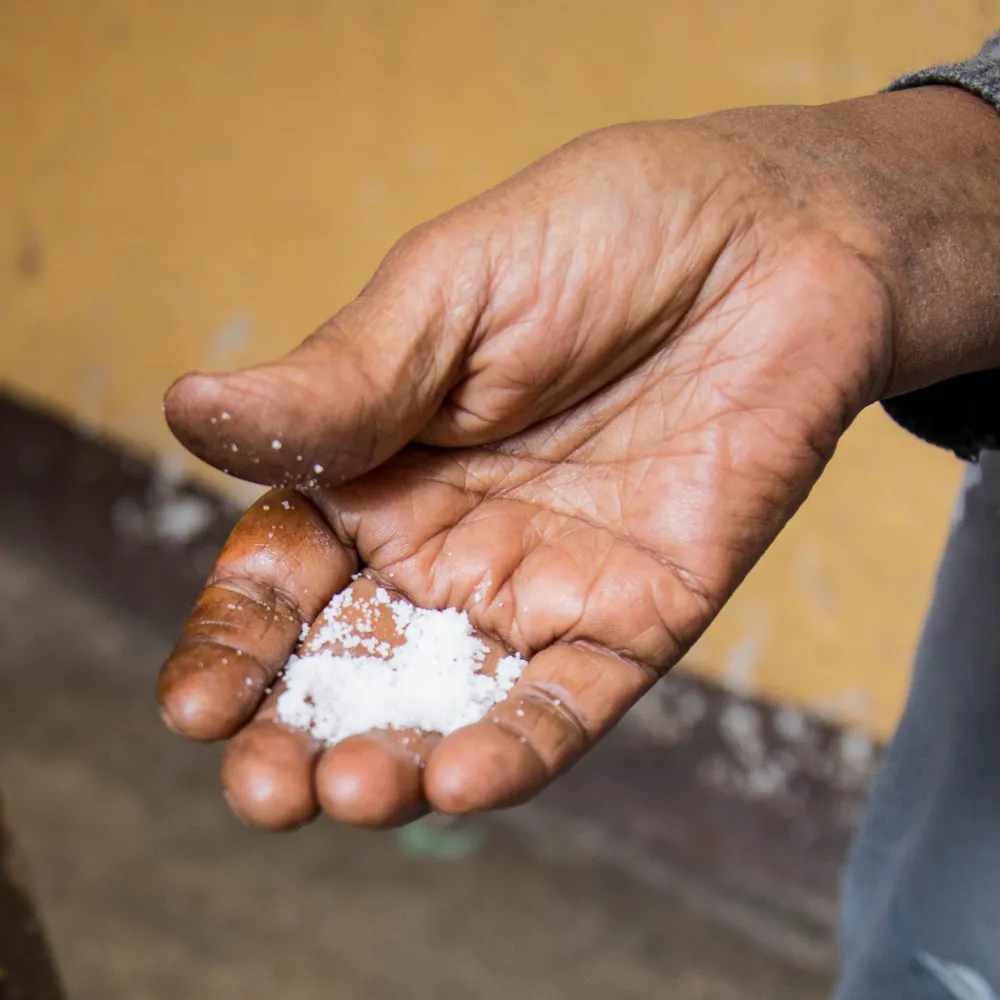
51% of the world’s population is now protected by trans fat bans, but billions remain at risk from this easily replaced toxic additive. We developed tools that examine those who supply edible oils containing trans fat to help eliminate trans fat at the source.
Lead poisoning prevention
Millions of people
will be protected from dangerous lead in cosmetics by a new policy in Nigeria.
Estimates show that every year, lead exposure contributes to more than 1 million deaths from heart disease.
In 2025, we worked with our partners to strengthen Nigeria’s national efforts to prevent lead poisoning—advancing evidence-based policies and building laboratory capacity to detect lead in consumer products.
With our support, Nigeria marked a major milestone with the development and adoption of a national policy on cosmetic safety and health—strengthening protections for 230 million people by reducing exposure to lead in cosmetics, including lipstick and kohl eyeliner.
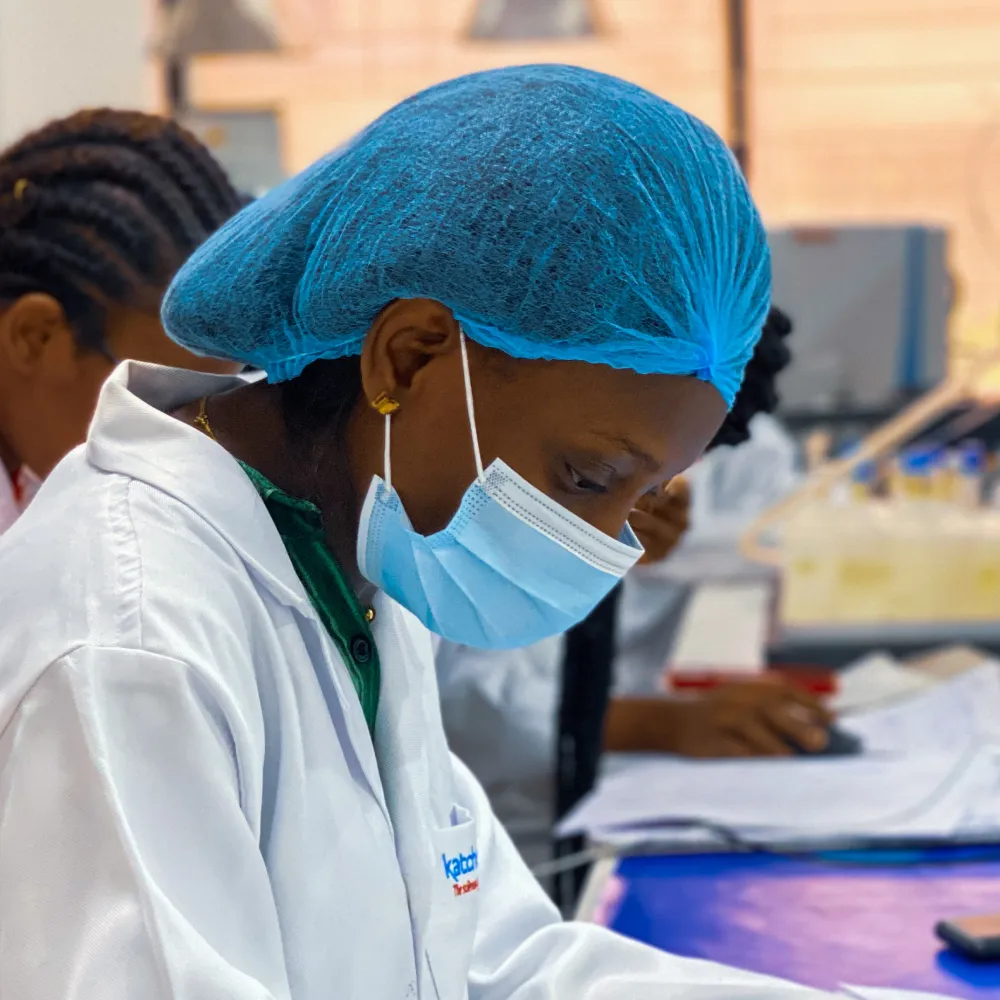
We trained scientists, researchers and regulators to use X-ray fluorescence devices to quickly screen cosmetics and other consumer products for lead—which will help document sources of lead and enforce protections strengthening national field testing and market surveillance capacity.
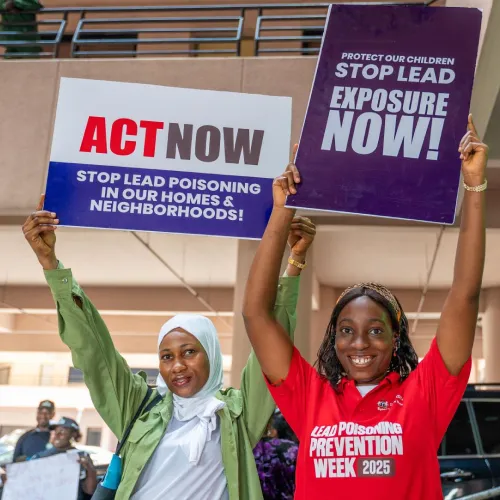
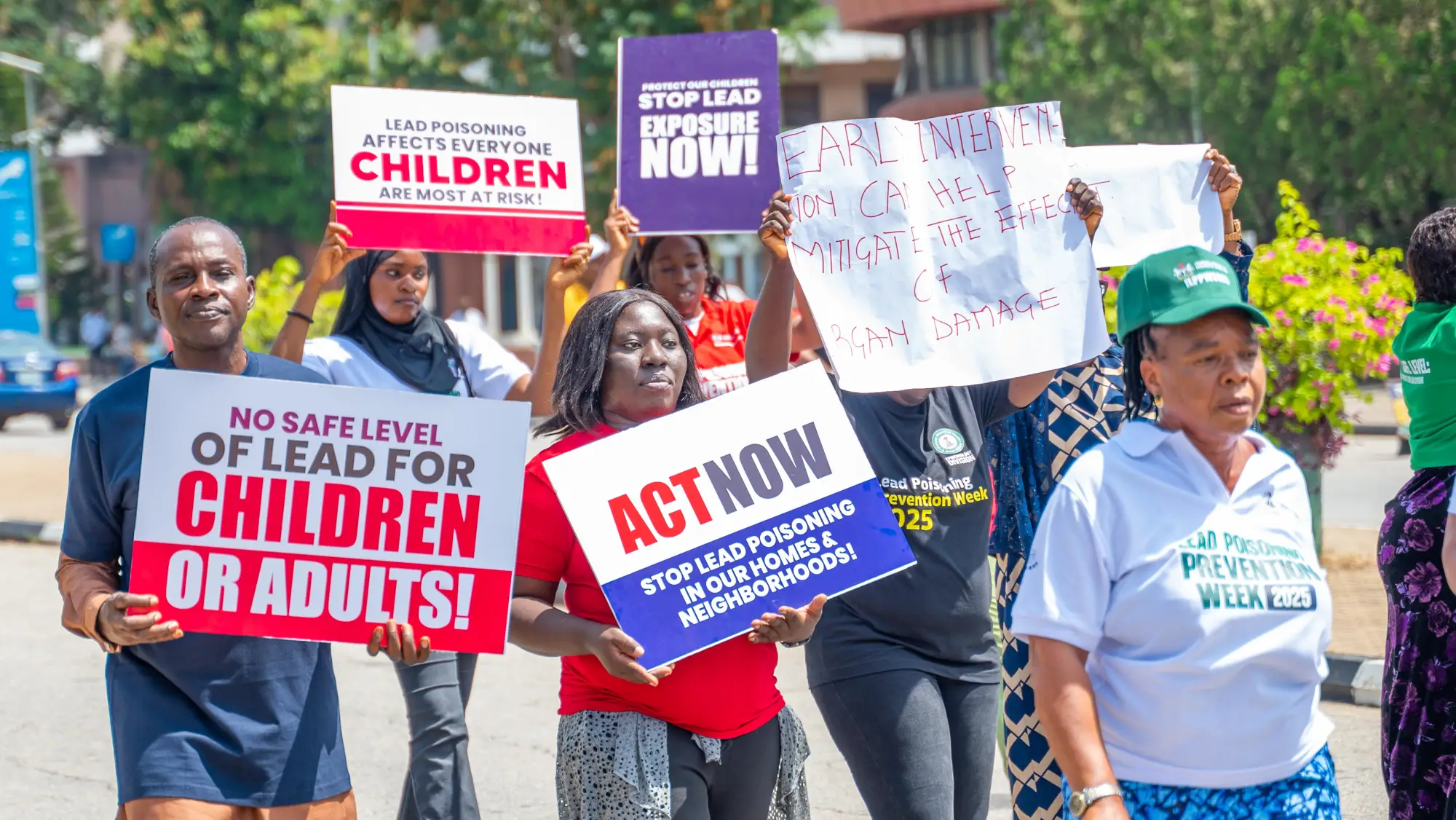
We supported national leaders as they used Lead Poisoning Prevention Week to amplify the call to end lead exposure in Nigeria—with a national stakeholder event, a ministerial press briefing, and a road walk in Abuja to raise awareness.
In 2025, we expanded our work to prevent lead poisoning, an urgent but under-addressed public health threat that contributes to heart disease and has devastating, permanent effects on children’s development.
We’re working with local and global partners to co-create and test solutions that can reduce lead exposure from consumer products such as paint, food, spices, cookware and cosmetics. Through Bloomberg Philanthropies Lead Poisoning Prevention Initiative, we are partnering with WHO to create a global technical package that will guide countries on how to take coordinated, effective action on lead poisoning prevention. This technical package will support governments to test potential sources of lead, create policies to regulate those sources, and reduce exposure.
In Nigeria, we’re working alongside government and local partners to establish a national model to reduce lead exposure from cosmetics, while also strengthening surveillance, regulation, and broader government capacity to protect communities from lead poisoning.
How we did it
Our partners
We work with a network of partners who bring deep expertise, trusted community relationships and invaluable local insights. Their expertise and resources make it possible to accelerate action against the world’s deadliest health threats and save millions of lives.
Our regional offices
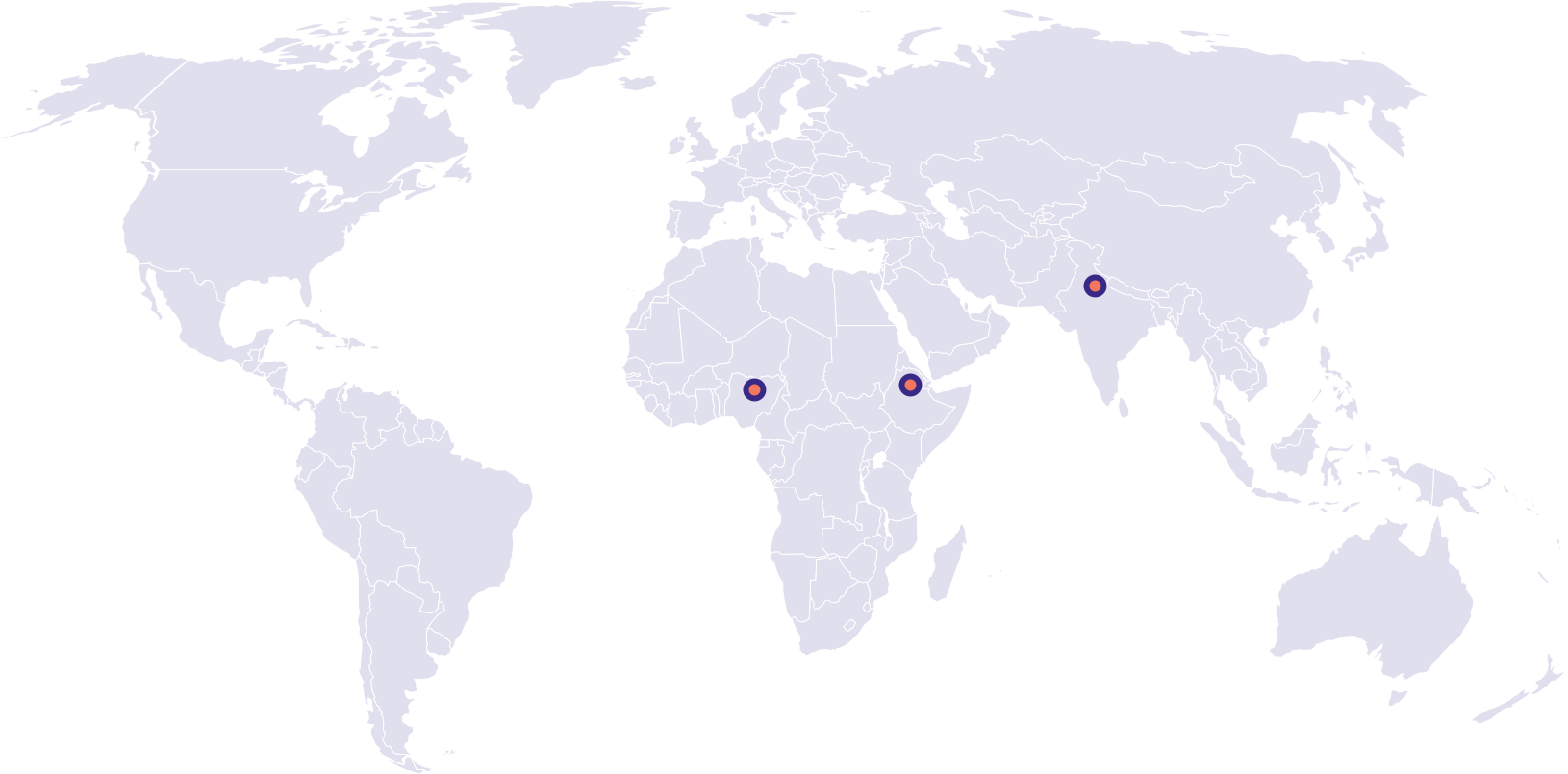
Our offices in Ethiopia, India and Nigeria support our close, longstanding partnerships, so we can work hand-in-hand to strengthen institutions, advance policies that protect health, and improve integrated care delivery.
Our approach
What makes RTSL so effective? We use technical, operational, and policy approaches to identify health threats that can be stopped, co-create and test simple solutions, and scale the best solutions worldwide.
Thank you to our outstanding Board of Directors in 2025 for your leadership and support.
Dr. Ibrahim Abubakar
Pro-Provost (Health) and Dean, University College London Faculty of Population Health Sciences
Prof. Awa Marie Coll Seck
Director | Program Committee Chair
Dr. Lia Tadesse Gebremedhin
Director | Executive Director, Harvard Ministerial Leadership Program • Professor of Practice, Harvard T.H. Chan School of Public Health
Dr. Margaret Hamburg
Director | Co-President, The InterAcademy Partnership
Dr. Farzad Mostashari
Board Chair | Co-Founder and CEO, Aledade
Mr. Sherif Sakr
Director | Chief Operating Officer and Partner, Deloitte LLP
Ms. Angela Sun
Director | Principal, Hyland Ventures
Dr. Tom Frieden
Board Member and Director | President and CEO, Resolve to Save Lives
No posts found
Our funding partners
None of this lifesaving work would be possible without the support of our visionary funding partners.
Funding from forward-thinkers like Bloomberg Philanthropies, the Gates Foundation, and the Skoll Foundation has endowed Resolve to Save Lives with the unique capacity to prototype solutions to the world’s deadliest health threats, rapidly iterate to develop a proof of concept, and partner with national and global organizations to bring most effective approaches to scale. We thank all our funding partners for their investment in a healthier future.
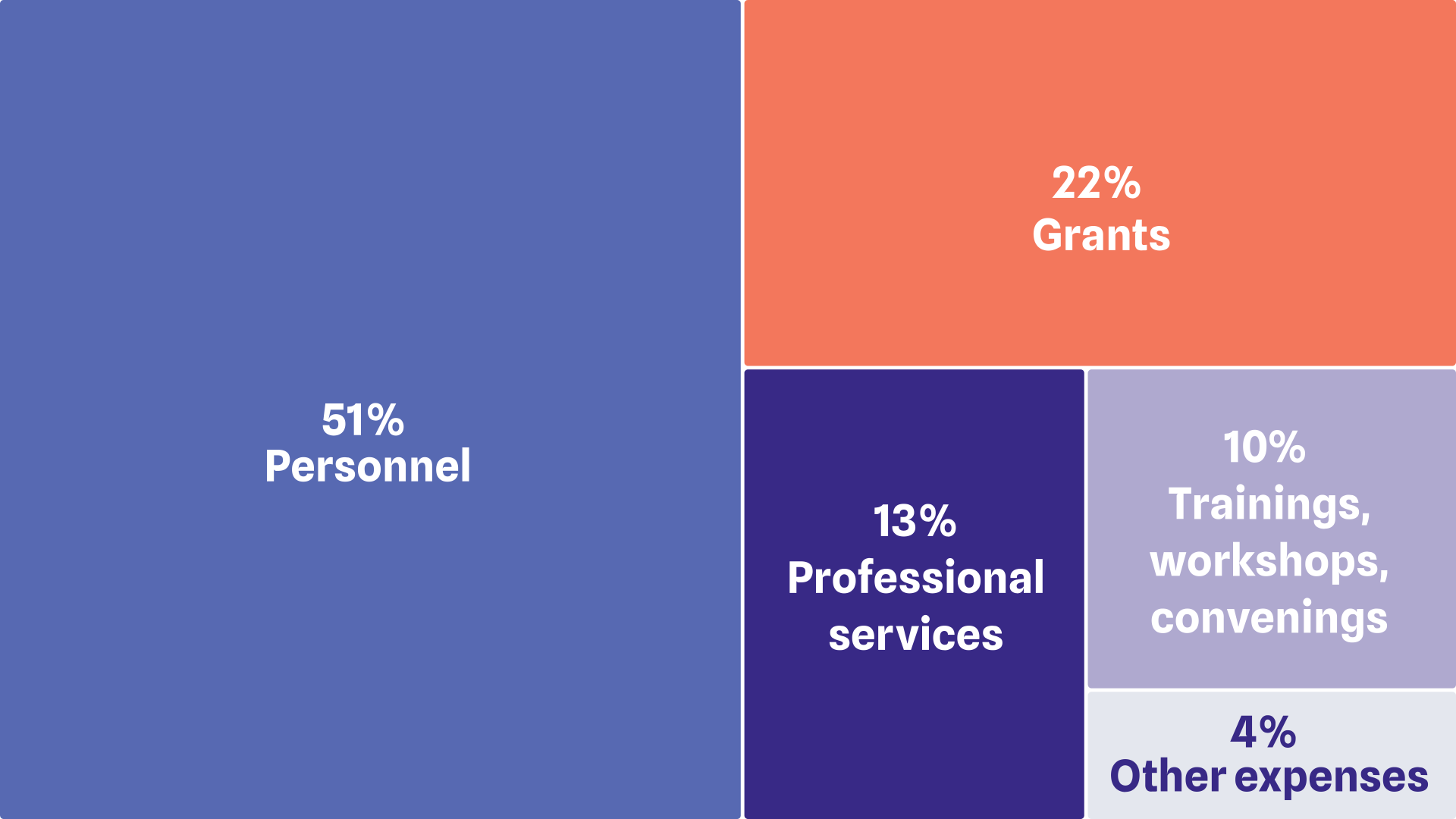
Our 2025 financials
With the funding entrusted to us, we strategically allocate our resources to maximize impact for our partners and drive progress in global public health.
Financial information presented for 2025 represents preliminary analysis; final data and audited financial information will be posted when available.
*Blood pressure control, Healthier food and Lead poisoning prevention
What's next
Resolve to Save Lives remains committed to accelerating action against the world’s deadliest health threats, working toward a future where people live longer, healthier lives, communities flourish, and economies thrive.
As we navigate a changing global health landscape in 2026, we will continue to work shoulder to shoulder with countries and communities in all that we do—from our support for faster outbreak detection and response, stronger primary health care, and better blood pressure control, to our work to advance policies that make food healthier and reduce toxic lead exposure.
We look forward to co-creating new solutions with our partners, testing them, and supporting countries to scale up what works.
Together, we’ve saved millions of lives already—and we can save millions more.
Global health needs your support—now, more than ever.
We’re known for making the most of the funds entrusted to us. We partner strategically, pairing financial resources with technical assistance from our team. This combination of flexible funding and hands-on support leads to faster impacts.
Dr. Salam Gueye, Director of Emergencies for the World Health Organization Africa Region said:
$50,000 from Resolve to Save Lives is often more valuable than millions from another donor.