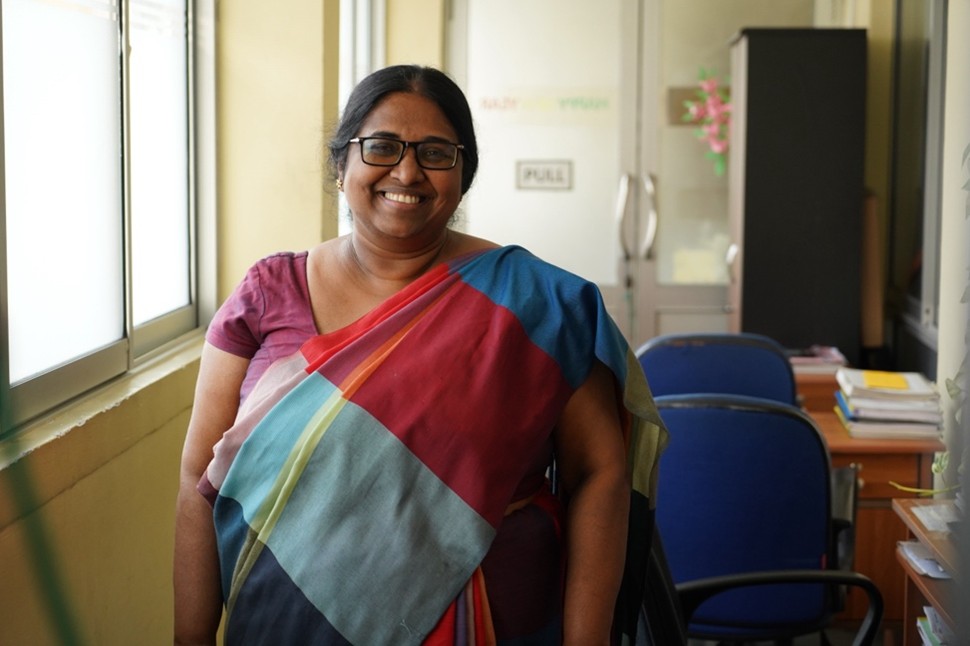
Cardiovascular health partners from around the world gathered at Bloomberg Philanthropies in New York City to celebrate progress and refine the path toward saving 100 million lives by 2050.
At the convening, we debuted a new video highlighting the impressive progress of our partners since the start of the Cardiovascular Health Initiative in 2017, including 4 billion people protected from trans fat, 100 million protected by sodium reduction policies, and 50 million more on life-saving hypertension treatment.
As one partner put it: “We’re not just imagining a healthier future. We’re actively building it.”

Key takeaways from the convening included:
- The most resilient cardiovascular health programs are not delivered to countries—they are built by them. Technical support, global standards, and donor financing are accelerants. Local leadership, local capacity, and local systems are the engine. When countries drive, programs survive funding cycles, staff turnover, and shifting global priorities.
- The economic case for cardiovascular health investment is strong. Helping governments make that case is a priority. Catalytic donor funding has been essential and transformative, but the endgame is domestic investment. Tax revenues from unhealthy products reinvested in health systems, insurance schemes covering hypertension treatment, and pooled procurement making medicines permanently affordable are what will make cardiovascular health programs last.
- Broad, diverse partnerships are the driving force of progress, with civil society as the multiplier. Finding allies in unexpected sectors and building coalitions across government, civil society, academia, media, and the private sector is more effective than engaging health ministries alone.
- Primary health care is the central delivery platform. When hypertension care reaches the community level—like barangay health workers in the Philippines , the decentralized team-based care in India , and community health workers in Nigeria—outcomes improve at scale. Strengthening primary health care systems is what ensures treatment protocols, digital tools, and domestic financing actually reach patients.
- Healthier food policies have passed. The next frontier is enforcement. 67 countries have passed trans fat elimination policies. The challenge now is turning policy into practice, and shifting focus to active monitoring, regulatory capacity building, and closing the gap between what is on the books and what is in the food supply.
- When technology is built for the frontline, it can be a force multiplier. Digital solutions have real potential , but the key principle is never losing sight of who is being served. Technology designed around the needs of the health worker and the patient is technology that scales
- The tools, protocols, and strategies that have scaled are those built with countries, not for them. Co-creation is a discipline, not a nicety: meeting governments where they are, understanding their constraints and their goals, and designing solutions that fit existing systems rather than replacing them. This approach requires more time upfront and is always worth it.