Author:  Resolve to Save Lives
Resolve to Save Lives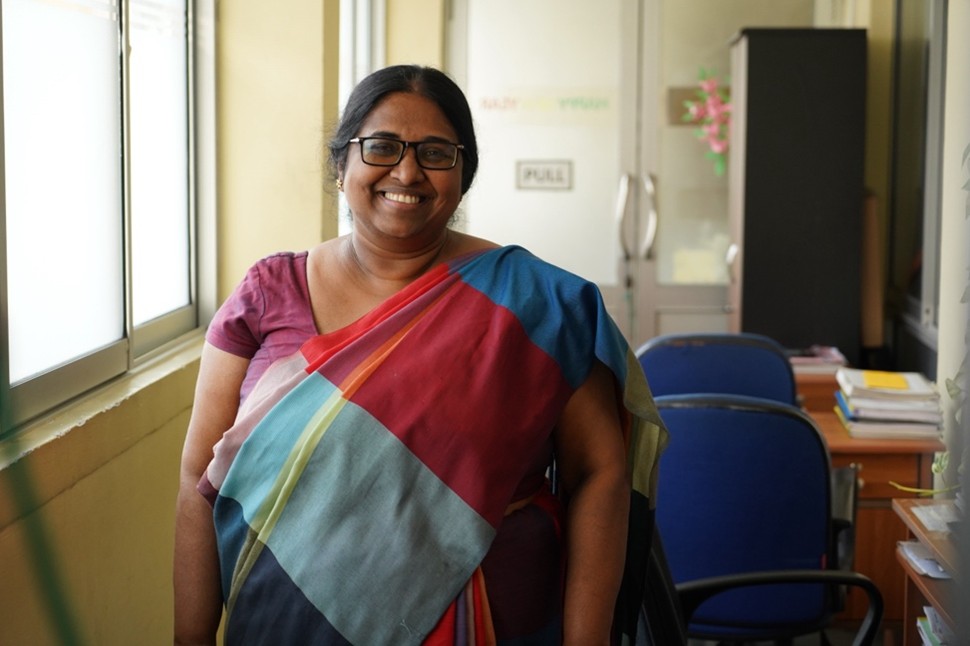
At a glance

A national champion for heart health
More than one in four adults in Sri Lanka have high blood pressure—a leading cause of death in Sri Lanka—yet it remains widely under detected, undertreated, and poorly controlled.
No one knows this better than Dr. Champika Wickramasinghe. As Deputy Director General of Noncommunicable Diseases (NCD) for the Sri Lanka Ministry of Health, Dr. Wickramasinghe is a national champion in the fight against high blood pressure, which she calls “a silent but formidable threat to the health of Sri Lankans.”
High blood pressure—also known as hypertension—causes heart disease, stroke, and kidney disease, but it can be managed with medication and lifestyle changes.
That’s why, in 2021, Resolve to Save Lives (RTSL) partnered with Dr. Wickramasinghe and the Sri Lanka Ministry of Health (MOH) to implement a World Health Organization (WHO) HEARTS-based hypertension program at the primary care level. As of April 2026, the program had enrolled approximately 430,000 people across all provinces and achieved a blood pressure control rate of 45%, even with the newly added patients.
We talked to Dr. Wickramasinghe about her role in the program, why this work is important for the health of all Sri Lankans, and her hopes for the future of blood pressure control in Sri Lanka.
-
Tell us about the program you’re working on with RTSL. What are you most excited about?
-
This program is a protocol-based hypertension management intervention. It started with a pilot of two districts in Sri Lanka and has now expanded nationwide.
As a foundation, the MOH developed and implemented a simple treatment protocol for hypertension and diabetes, provided validated blood pressure devices to primary healthcare units, offered medicines free of charge to patients, trained healthcare workers to deliver effective hypertension care, and implemented an electronic information system to enable national and district leadership to leverage real-time data for program quality improvement.
With support from Resolve to Save Lives, our goal is to better prevent and manage hypertension, saving generations of Sri Lankans from the burden of high blood pressure, heart disease, and early death.
-
Why is improving blood pressure control in Sri Lanka so important?
-
In Sri Lanka, many people do not even know they have hypertension and how deadly it is. And, of those who do, only one third have it under control. Eighty percent of our people die due to NCDs. That is mainly due to hypertension and cardiovascular disease, and also diabetes and other related illnesses.
Therefore, it was very important for us to screen the patients and identify them early, as well as have a good treatment program. That’s why I have started on this project. This is a very low-cost intervention that will give a lot of results. That’s why we were so dedicated to this.
-
When it comes to improving blood pressure control, what are some of Sri Lanka’s unique strengths? What are some unique difficulties?
-
In many ways, Sri Lanka is not unique. We have a high burden of high blood pressure, leading to many heart attacks and strokes. We suffer the consequences like anyone else—in the health of our population and in high healthcare costs.
What Sri Lanka does have that many other countries may not is a national commitment to preventing and controlling hypertension and a strong primary healthcare system where patients can access care for free. healthcare workers are trained to measure blood pressure at every visit so we can detect cases early, and on how to properly use the digital system to track patients to monitor treatment, provide timely follow-up, and adjust treatment according to the protocol. Antihypertensive medicines are provided free to patients, which means patients can take their medicine and not worry about sacrificing other necessities. All of these components contribute to the success of our hypertension program.
The HEARTS technical package works—it can be adapted to any country. The key is to prioritize NCDs and continuously work on improving service for patients.
-
Where do you see your work having the most impact?
-
Our work certainly impacts the quality of life for patients, but even the economy is benefited. In 2025, we spent 180 billion LKR1 on medications for hypertension control. With full expansion of the HEARTS program to all Primary healthcare facilities in the country, that amount can be reduced because our protocol uses just three medications for hypertension that are low-cost and evidence-based. That can bring down a lot of healthcare costs while benefiting the patients.
In addition, once a patient’s blood pressure is under control, they need not come for an appointment with their healthcare provider every month. This means they do not need to miss work, and also their caretakers or their children who would need to accompany them to these appointments will not miss work. So, the whole country is benefited by this project.
-
What lessons did you learn from this work that you can share with others?
-
There are a few lessons that I can speak to. Firstly, the Simple app, a free software, is being used in the program to manage patients with hypertension and diabetes. This has helped our healthcare workers to follow up with patients more quickly and consistently and has been instrumental to providing real-time data for us to make program decisions. The data dashboards have been crucial to our quality improvement efforts.
From the beginning of the pilot project, we partnered with professional associations such as the College of Physicians. We worked closely with them to develop and approve the simple treatment protocols for hypertension and diabetes. Their involvement pushed forward protocol development quickly and made sure protocols aligned with Sri Lanka guidelines for a high standard of care. I would say, if possible, develop hypertension and diabetes protocols together, and pilot them together. This can also help expedite and improve quality.
Something I am happy that we did from the beginning was audits for clinical service quality and also listening to patient concerns about the program. We perform clinic audits and satisfaction surveys twice a year so that we can continue to improve services based on clinical data and what works best for patients.
The catalytic funding we received from Resolve to Save Lives was instrumental in getting the program off the ground, but the Sri Lanka government’s financial commitment to fighting NCDs is what is driving stronger, sustainable PHC systems for managing NCDs. Investing our domestic resources towards addressing noncommunicable diseases has already prevented thousands of heart attacks and strokes, and continuing to do so will create longer and healthier lives for the Sri Lankan people.
Lastly, we spent a lot of time in piloting, nearly two years or so. Allowing ourselves time to learn from the pilot was a great idea, but we could have expanded the program earlier and reached more citizens sooner, preventing even more heart attacks, strokes, and premature deaths.
-
You mentioned that diabetes is an important health concern to include when screening for and treating high blood pressure. Can you say more about this?
-
Once the MOH approved the simple protocol for hypertension and saw how it improved the ease and quality of delivering hypertension care at PHC facilities, we realized that the same approach was needed for diabetes. Many people with hypertension also have diabetes, therefore we convened with the professional colleges to develop a simple diabetes protocol with just two medicines. This is now being implemented in PHCs alongside the hypertension protocol.
More recently, we modified both protocols to include treatment with statins for eligible hypertension patients and those with diabetes above age 40, which will save more lives. Continuing to modify and update protocols based on the best available evidence is a way to constantly improve patient care.
-
What are the next steps for blood pressure control work in Sri Lanka?
-
Now, we are rolling out this intervention for the whole country, across all districts. It will be implemented in all the primary care institutions in Sri Lanka. That means every primary care clinic throughout Sri Lanka will screen adults ≥ 18 years for high blood pressure, start those with blood pressure ≥140/90 mmHg on treatment following the simplified protocol, and ensure follow-up appointments where providers modify medications per the protocol to get and keep blood pressure under control.
-
What is your hope for the future of this work in Sri Lanka?
-
My hope is for most patients to manage their blood pressure in primary care—there are so many who do not need secondary or tertiary level care. When the quality of care improves in primary care facilities closer to home, it makes it easier for patients to come back, and it doesn’t waste expensive, specialized resources. So only the patients who need extensive or specific treatment will go for secondary and tertiary care.