High blood pressure remains one of the leading risk factors for heart disease and stroke globally, often progressing silently without symptoms until serious complications occur. To mark World Hypertension Day 2026, Resolve to Save Lives (RTSL) joined government partners in Nigeria and Ethiopia to strengthen awareness, promote early detection, and highlight the importance of accessible, integrated hypertension services.
Across both countries, activities focused on bringing hypertension prevention and control closer to communities through public awareness campaigns, frontline screening efforts and strengthened primary health care services.
Nigeria promotes awareness and screening
In Nigeria, RTSL collaborated with the Federal Ministry of Health and Social Welfare, as well as state ministries of health in Kano and Ogun States, to deliver a series of public engagement activities.
Activities included free blood pressure screenings for civil servants and community members, alongside health education sessions promoting routine screening, healthy diets, physical activity and treatment adherence. The screenings provided an opportunity for participants to have their blood pressure measured and receive counseling on hypertension prevention and management.
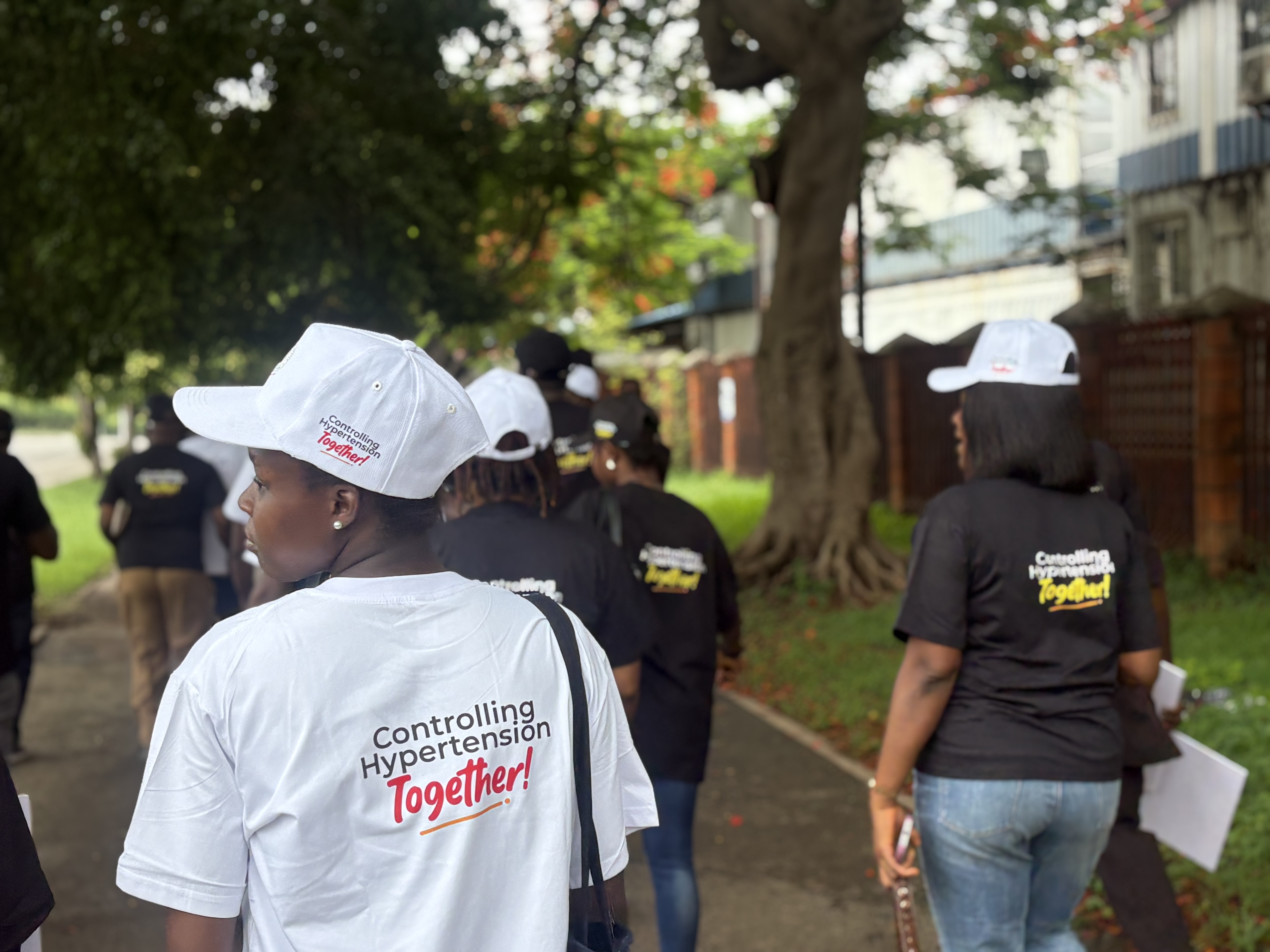
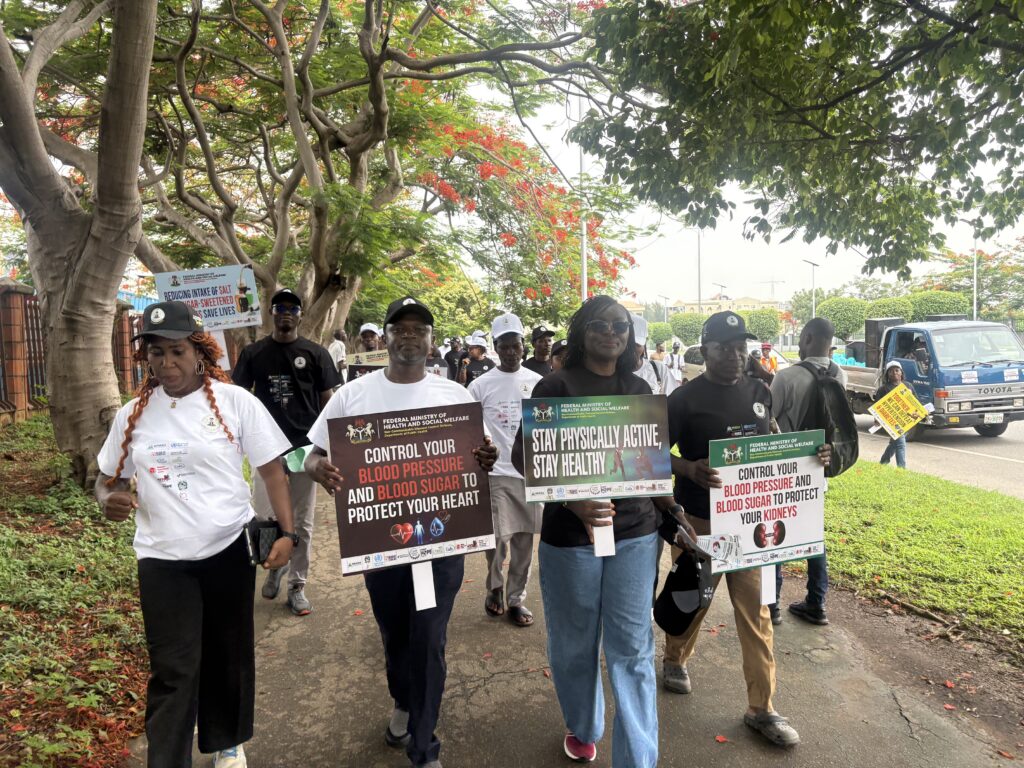
In Abuja, government officials, health leaders, partners and community members took part in a public awareness walk, through the city to raise awareness about hypertension and the importance of regular blood pressure checks. The walk concluded with community sensitization activities and health talks at the Garki Ultramodern Market, where members of the public received information on hypertension prevention and control.
As part of the commemoration, high-performing subnational teams and health facilities from the Nigerian Hypertension Control Initiative (NHCI) were recognized for their contributions to strengthening hypertension care in Kano and Ogun States.
RTSL Nigeria Executive Director, Nanlop Ogbureke, joined key stakeholders during a live interview on the Nigerian Television Authority (NTA) to share key messages on hypertension prevention and control nationwide. Discussions focused on the importance of early detection, treatment adherence, and strengthening primary health care services to improve hypertension control. Speaking during the program, Nanlop emphasized the importance of routine blood pressure checks and sustained investments in hypertension prevention and treatment services.
Ethiopia strengthens awareness and integrated hypertension services
In Ethiopia, RTSL collaborated with the Ministry of Health, Ethiopia, Addis Ababa City Administration Health Bureau, the Ethiopian Heart Association, and the Ethiopian Diabetes Association to organize advocacy and awareness activities aimed at strengthening hypertension prevention and control efforts across the country.
Activities included a training session for media professionals to strengthen accurate, evidence-based reporting on hypertension and other noncommunicable diseases (NCDs). The training equipped 33 journalists and communicators with information on hypertension prevention and control, while highlighting the role of the media in promoting public awareness, healthy behaviors, early detection and treatment through public education and advocacy.
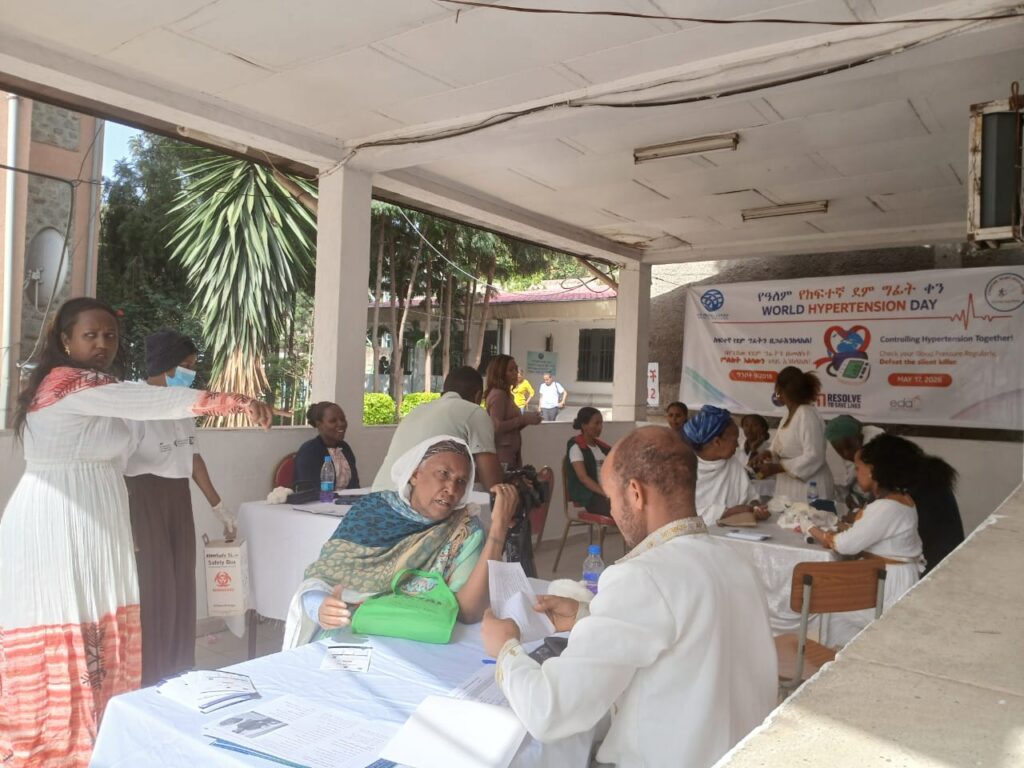
The commemoration also featured a primary health care-level event at Nifas Silk Lafto Woreda 06 Health Center in Addis Ababa, bringing together government officials, partners and health professionals to strengthen collaboration on hypertension prevention and control. Participants visited the health center’s NCD clinic to observe hypertension screening and patient care services, including the use of the Simple App platform to support patient follow-up and treatment continuity.
Speaking during the event, RTSL Ethiopia Country Director, Girma Dessie, emphasized the need to strengthen routine blood pressure screening and improve access to hypertension services through primary health care. He highlighted the importance of establishing screening corners at health facilities to ensure all adults are routinely screened for hypertension, regardless of the reason for their visit, while also underscoring the need for validated blood pressure devices to support accurate diagnosis and care.
Learn more about how RTSL supports countries to strengthen blood pressure control.