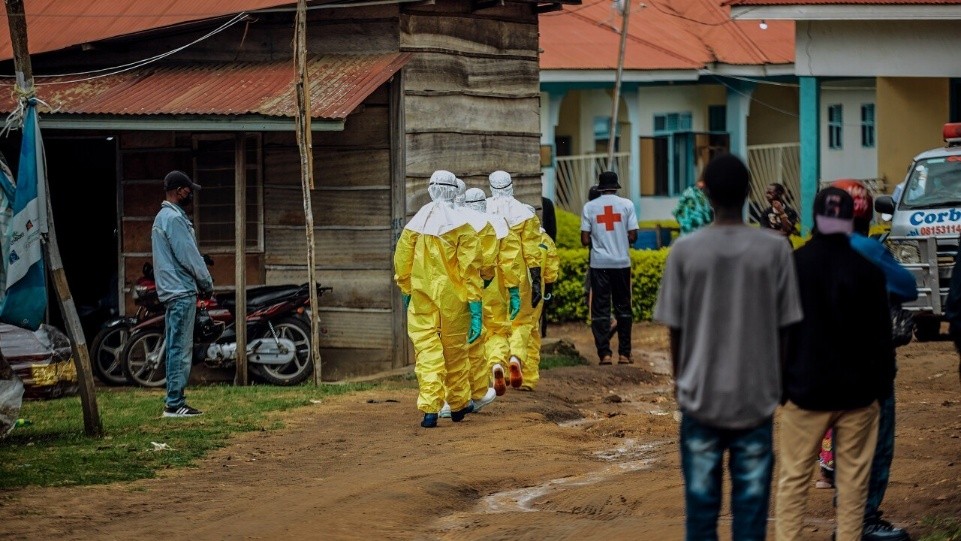
Even in a challenging time for global health, epidemics are not inevitable.
The fourth edition of Epidemics That Didn’t Happen shows that the trajectory of a disease is not a matter of fate, but targeted investment and timing. When countries detect and respond to outbreaks quickly, fewer people get sick and die.
This year’s case studies share a common target: 7-1-7, which measures how quickly a country detects and contains infectious disease threats. In the report, you’ll discover:
- How officials in El Salvador stopped the spread of imported malaria cases to keep the nation’s malaria-free status.
- The response teams in Gabon that defied a regional emergency by stopping an mpox outbreak with two cases and no reported deaths.
- New approaches to funding that allowed South Sudan to stop cholera with what officials called “the fastest we’ve ever been able to deploy a team.”
- A cross-border collaboration that successfully contained a cholera outbreak in Thailand with no reported deaths.
- How Uganda is building on lessons from past Ebola outbreaks to rapidly contain the disease and transform public health outcomes.
- A mass surveillance system developed by officials in the Caribbean to protect mass gatherings and small island economies.
Epidemics That Didn’t Happen shows outbreaks can be stopped before escalating further.