Author:  Resolve to Save Lives
Resolve to Save Lives
At a glance

Challenge: A missed opportunity to increase healthy food access
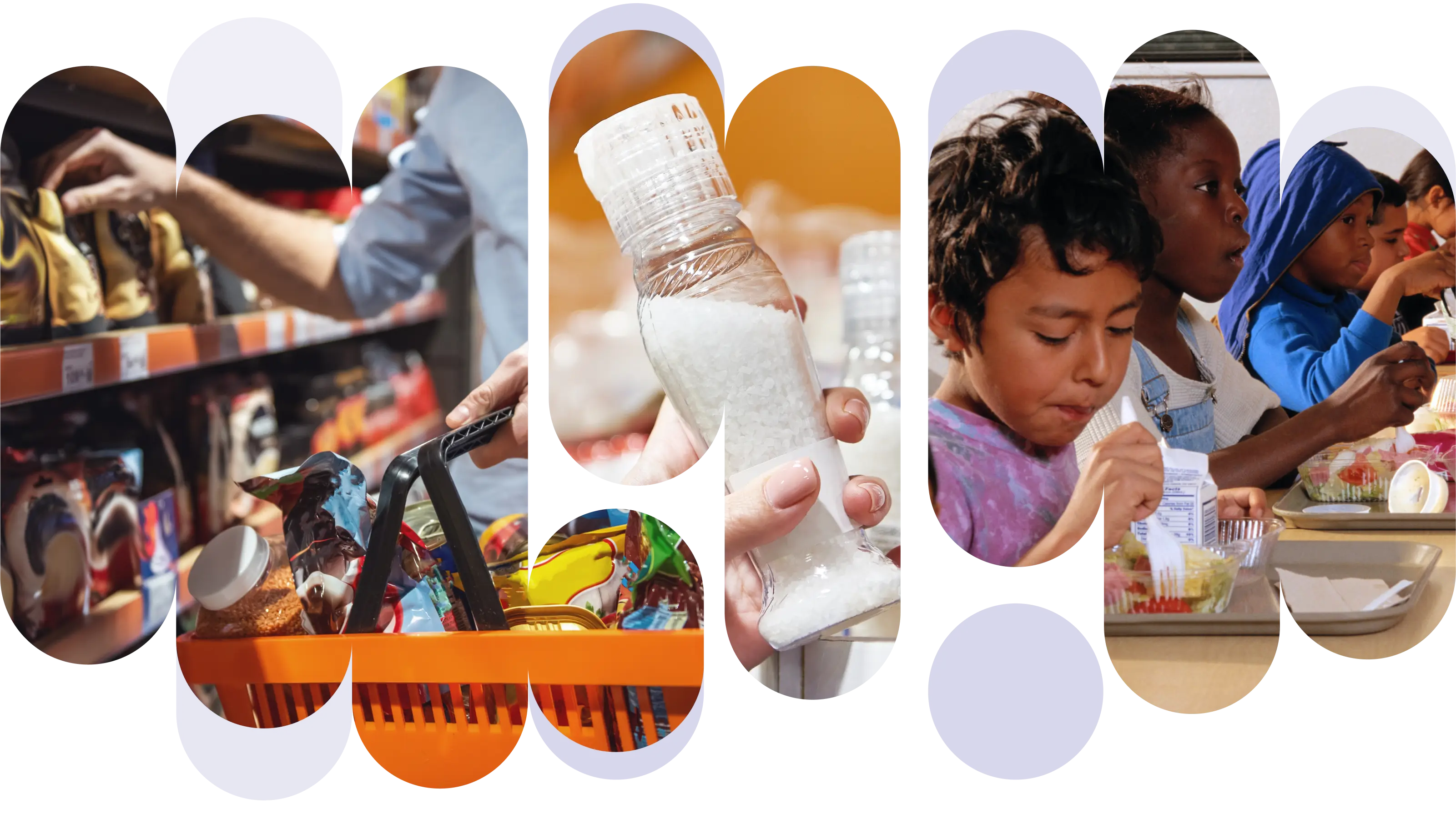
Governments are responsible for feeding millions of people every day—in schools, hospitals, correctional facilities, and other public institutions—giving them a unique ability to positively influence food choices and impact health at scale. Despite this, most countries have no national policy in place to set healthy nutrition standards and outline best practices on public food procurement and service—the process of buying, serving, and selling food in government-owned institutions.
This was true in Nigeria, Africa’s most populous country with more than 240 million people, where a lack of a national policy was a missed opportunity to increase access to healthy food to improve overall health and reduce the burden of diet-related noncommunicable diseases across the country.
In 2023, Resolve to Save Lives (RTSL) partnered with the Nigerian Heart Foundation to conduct an analysis of public food procurement and service practices across publicly funded institutions in Nigeria. The goal was to understand the realities of food procurement and service practices within the diverse settings supported through government funds, many of which serve the country’s most vulnerable.
What they found was a complex system that included many distinctive sectors and settings, each with their own unique processes, priorities, and decisionmakers—and an opportunity to bring them all together under one national policy.
Using the World Health Organization (WHO)’s “Action Framework for Developing and Implementing Public Food Procurement and Service Policies for Healthy Diet” and building off RTSL’s previously developed Guide to Developing Nutrition Standards, RTSL supported its partners in the Government of Nigeria in drafting a National Guideline on Public Procurement of Food and Related Services to set healthy nutrition standards for public institutions across the country. The policy set out specific requirements for how food should be selected, prepared, and served to improve nutritional quality and promote a healthy diet that lowers sodium content, adheres to existing trans fat policy, and avoids ultra-processed foods.
This policy was ambitious, with its success dependent on consensus building among stakeholders in health, procurement, regulatory agencies, and other sectors that normally had limited interaction with each other. The 2023 analysis had set the stage for this collaboration; RTSL and the Nigerian Heart Foundation had begun engaging with the groups whose buy-in would be needed going forward.
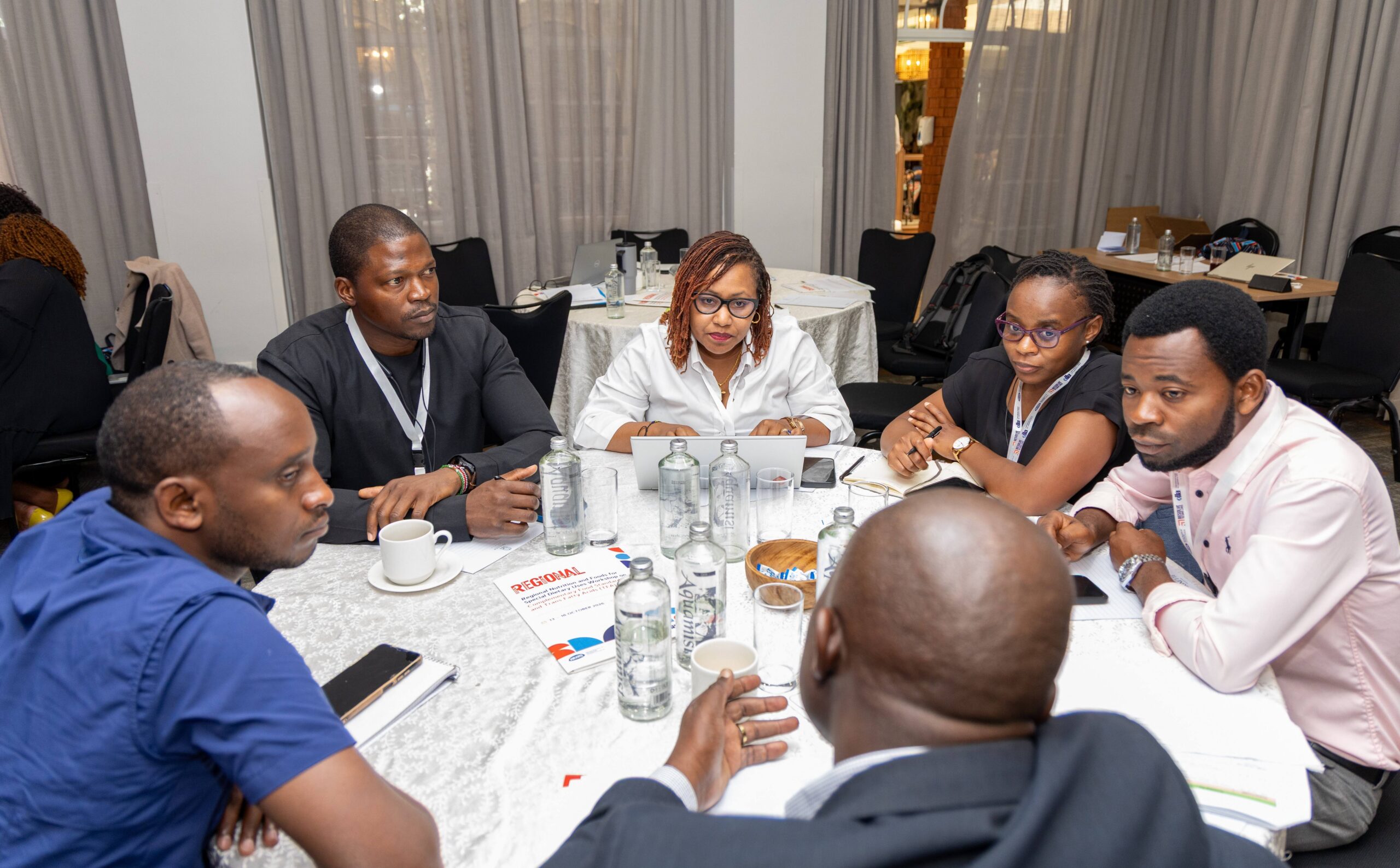
So, in 2024 when RTSL collaborated with partners to hold the first of a series of technical workshops developing the guidelines, this early work had already paid off: they knew who to invite to the table. These stakeholders were already familiar with the project and ready to share their thoughts and insights. By late 2025, the final workshop brought together government agencies, including the National Agency for Food and Drug Administration and Control (NAFDAC), Bureau of Public Procurement (BPP), Federal Ministry of Budget and Economic Planning (FMBEP), Federal Ministry of Health and Social Welfare (FMoHSW), Federal Ministry of Agriculture (FMAFS), and Federal Ministry of Justice (FMOJ), to review and finalize the guidelines while creating a sense of collective ownership.
We began to pull all these agencies together in rooms where they could bounce off ideas with each other, and that also built momentum that made everybody know that we were driving to one goal.
Okeoma Erojikwe, Principal Advisor and Manager, Resolve to Save Lives Nigeria
Rather than a top-down directive focused on compliance, this collaboration strengthened the group’s understanding of and commitment to a shared goal: improving the country’s health. The results of this workshop helped to finalize the groundbreaking policy and move it forward for passage and implementation.
Impact: Healthier foods for a healthier future
As a result of this collaborative work, in July of 2026, BPP, in collaboration with FMBEP and FMoHSW, officially launched the National Guideline on Public Procurement of Food and Related Services.
Not only is this Nigeria’s first policy to create nutrition standards for public food procurement and service; it is the first to set mandatory healthy nutrition guidelines at the national level using a “whole-of-government” approach that includes all public institutions, setting a new bar for how to create innovative policies by building partnership across diverse government agencies. It also serves as an example for how WHO’s Action Framework and best practice nutrition standards can be tailored to local contexts and resources.
The policy will now move to implementation, with BPP as the lead agency tasked with monitoring and enforcement at a national level. Next steps will include the development of new tools and trainings to support public institutions as they adjust to the new policy and its requirements. Along the way, continued support from and engagement with stakeholders and partners will remain crucial to success.
The passage of this policy marks a nationwide commitment to providing all in Nigeria with access to healthy foods that meet nutrition standards and prevent, rather than exacerbate, heart disease and other diet-related noncommunicable diseases. It also holds the potential to reshape the overall food environment in Nigeria by impacting the wider market and triggering private sector suppliers and vendors to shift towards providing healthier food options.
Every opening [for engagement] is an opportunity, no matter how small it looks.
Batet Musa, Nutrition Policy Advisor, Resolve to Save Lives Nigeria
Nigeria will also serve as a model for other countries looking to implement similar policies at a national level, including the importance of early engagement with stakeholders and partners, and creating opportunities for sustained engagement every step of the way. By doing this, Nigeria continues to set an example for how to build a healthier future for all.