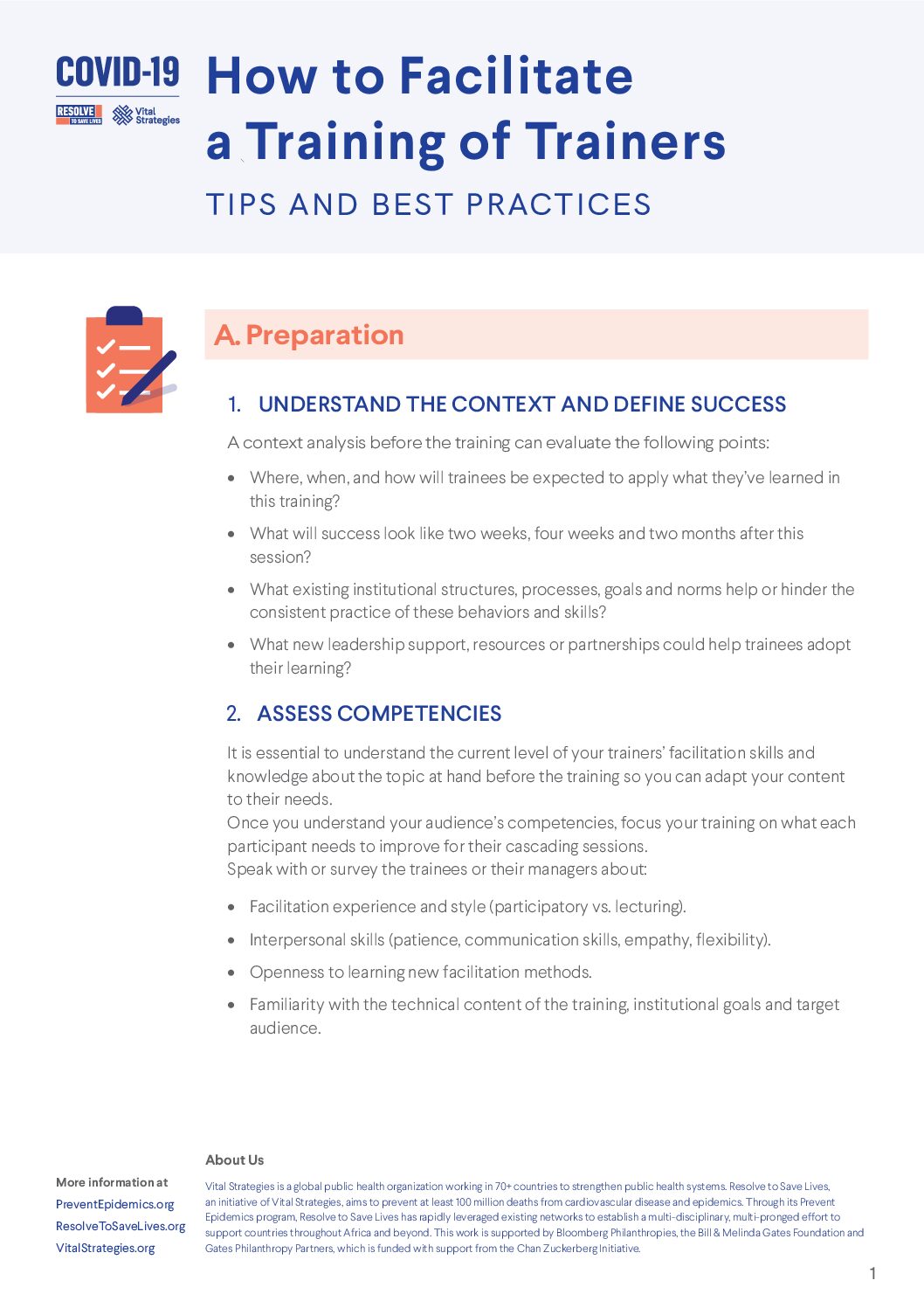
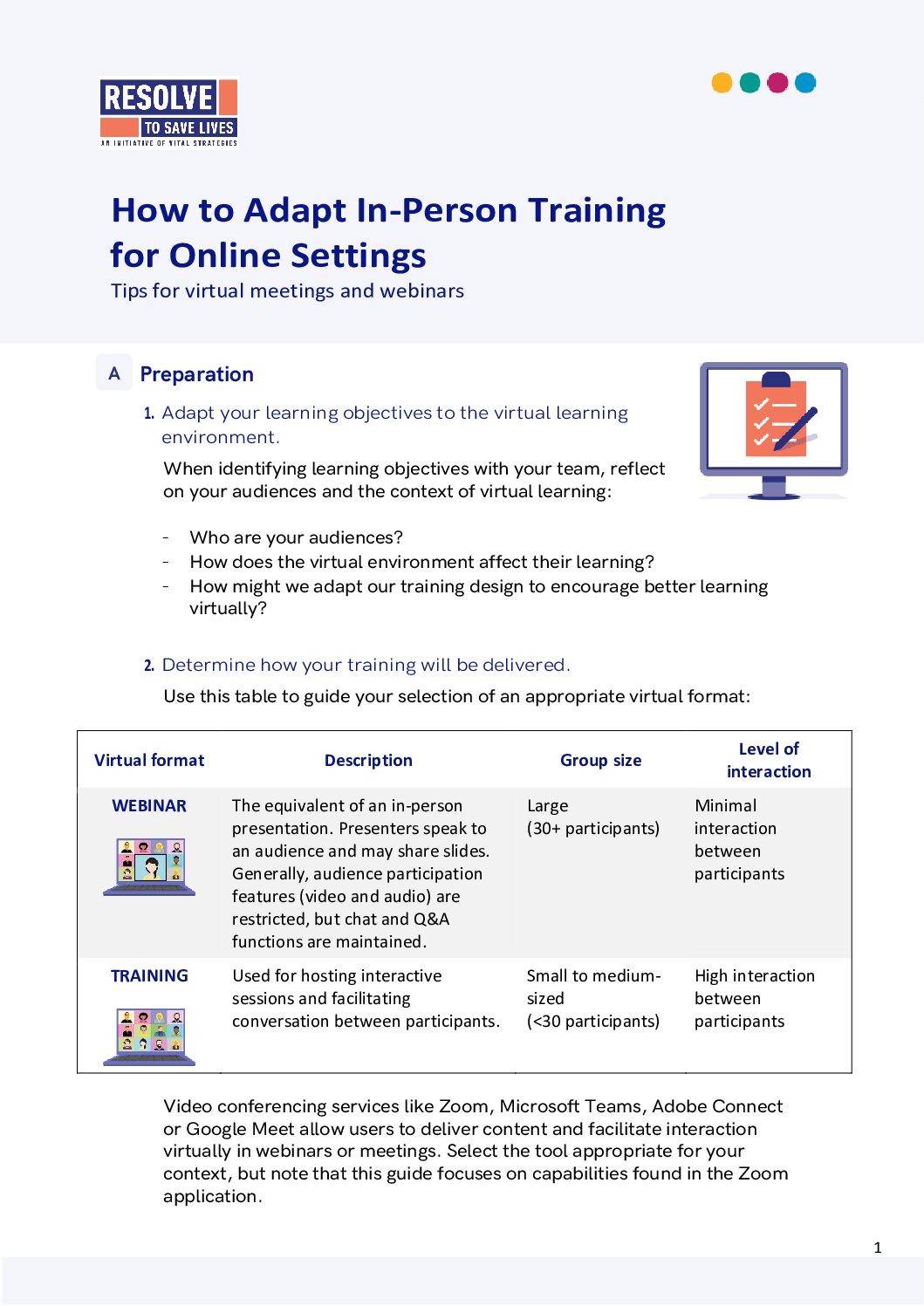
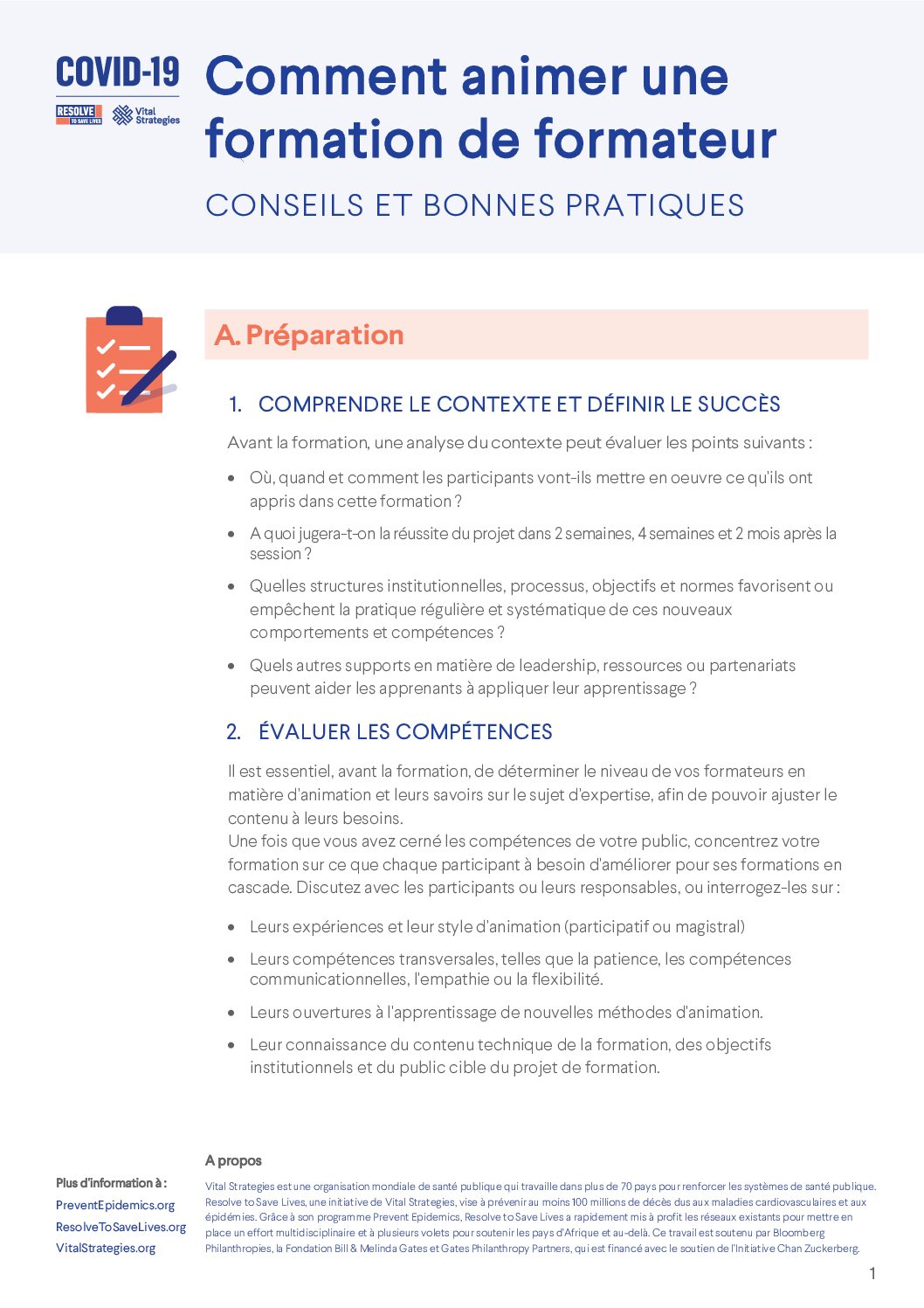
A practical guide from Resolve to Save Lives on how to effectively facilitate a Training of Trainers, covering preparation strategies, participant engagement, and knowledge transfer.
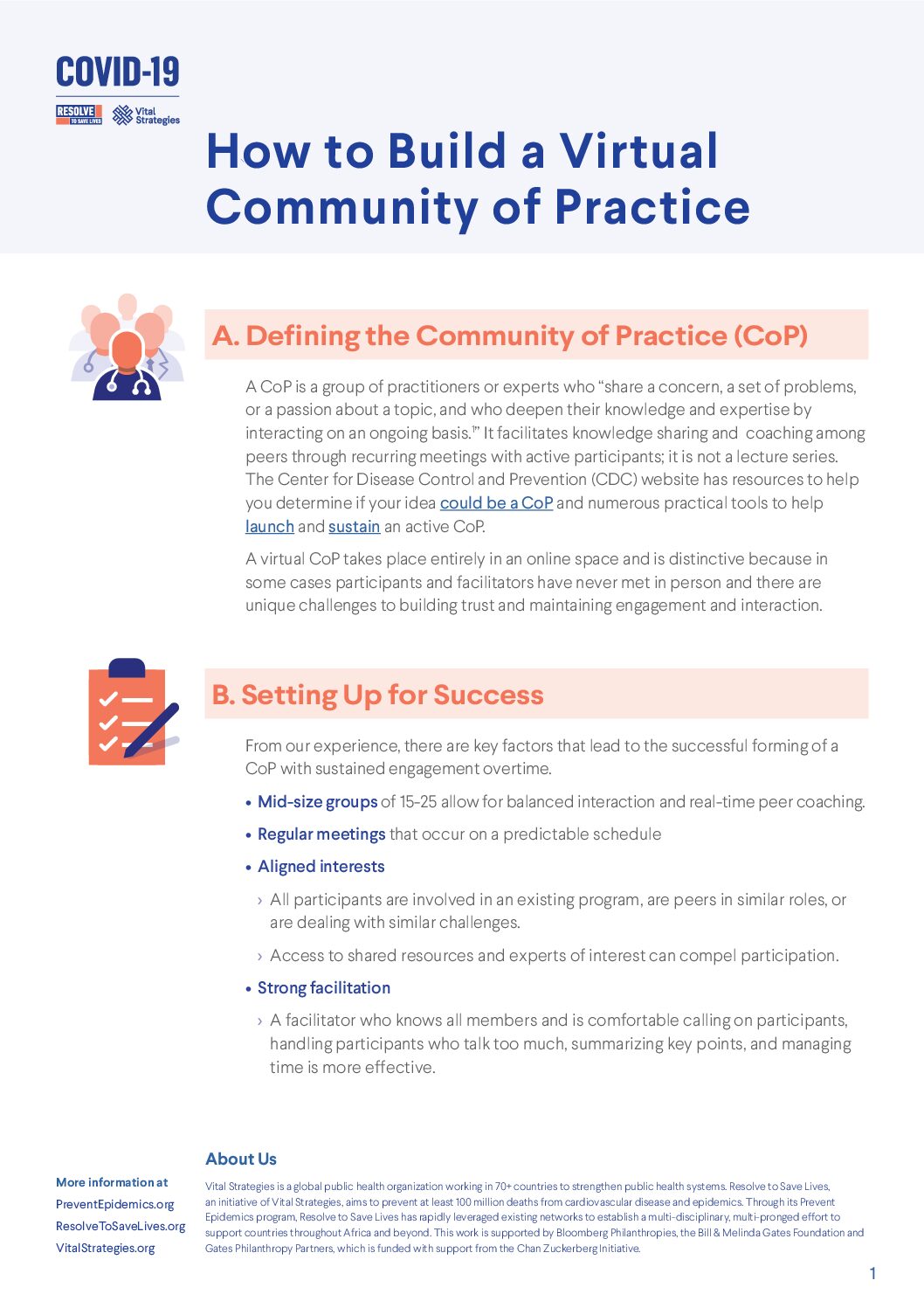
A practical guide from Resolve to Save Lives on how to build and conduct a virtual community of practice, supporting collaborative learning across public health teams.
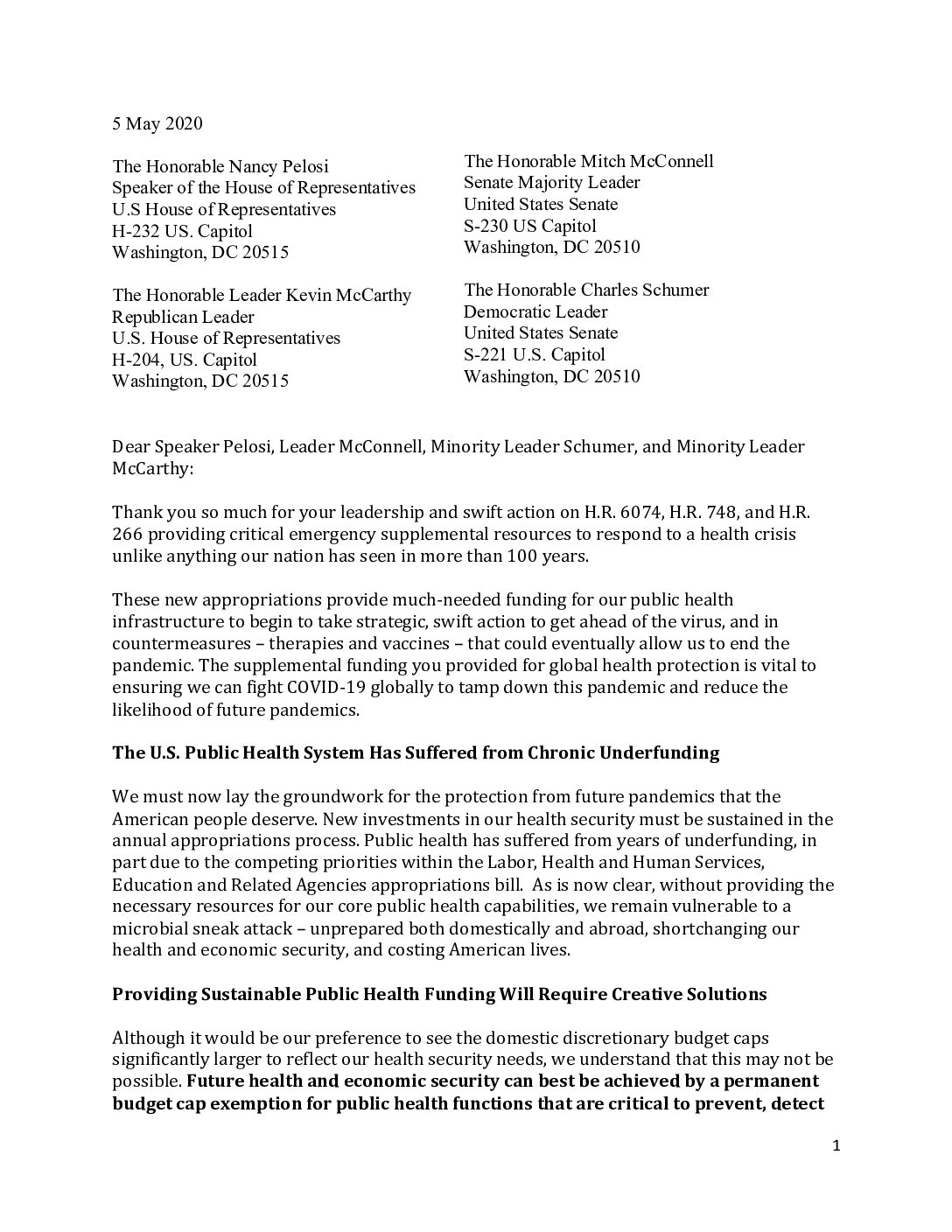
A letter from Resolve to Save Lives to US Congress advocating for investment in health defense operations to prevent, detect, and respond to future outbreaks.
Practical guidance from Resolve to Save Lives on using existing respiratory disease surveillance and hospital data systems to supplement COVID-19 surveillance and inform response activities.
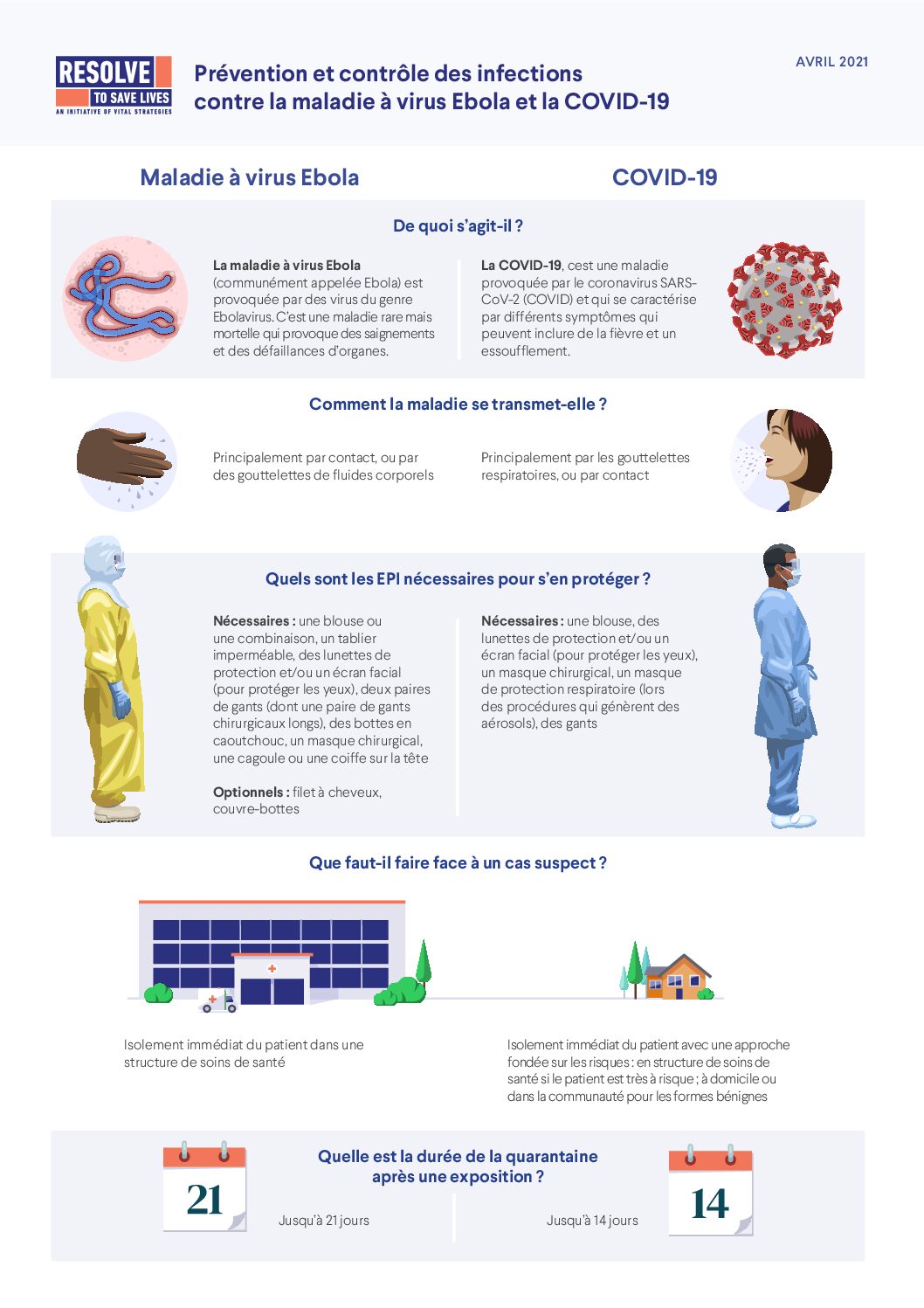
An infographic from Resolve to Save Lives outlining key infection prevention and control measures for Ebola and COVID-19, covering hand hygiene, PPE, safe patient handling, and waste management.
A step-by-step framework from Resolve to Save Lives for analyzing and improving epidemic control systems, including targets for case investigation and contact tracing to reduce COVID-19 transmission.
How do local governments contribute to pandemic response? Surveying 25 cities, we documented a crucial role in risk communication and community coordination.
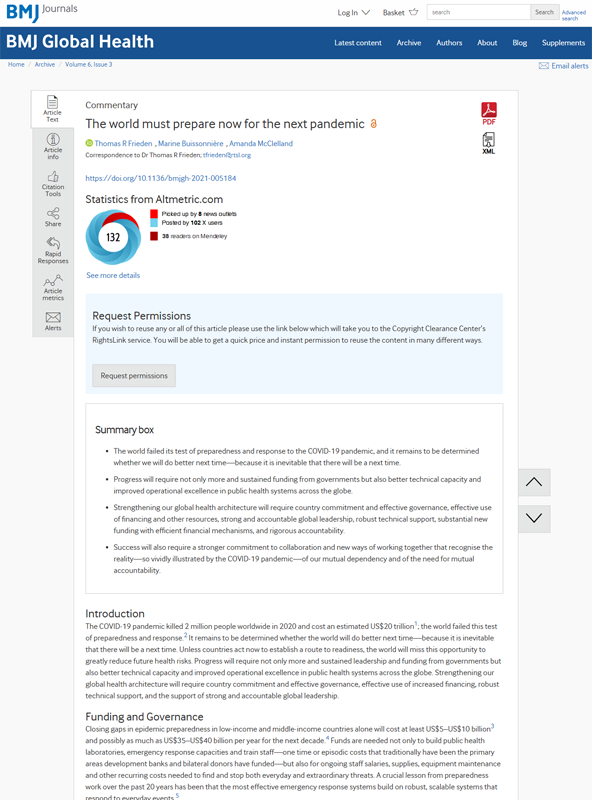
Preparing for the next pandemic requires sustained government funding, efficient financial mechanisms, better public health capacity, strong global leadership, and a commitment to collaboration.
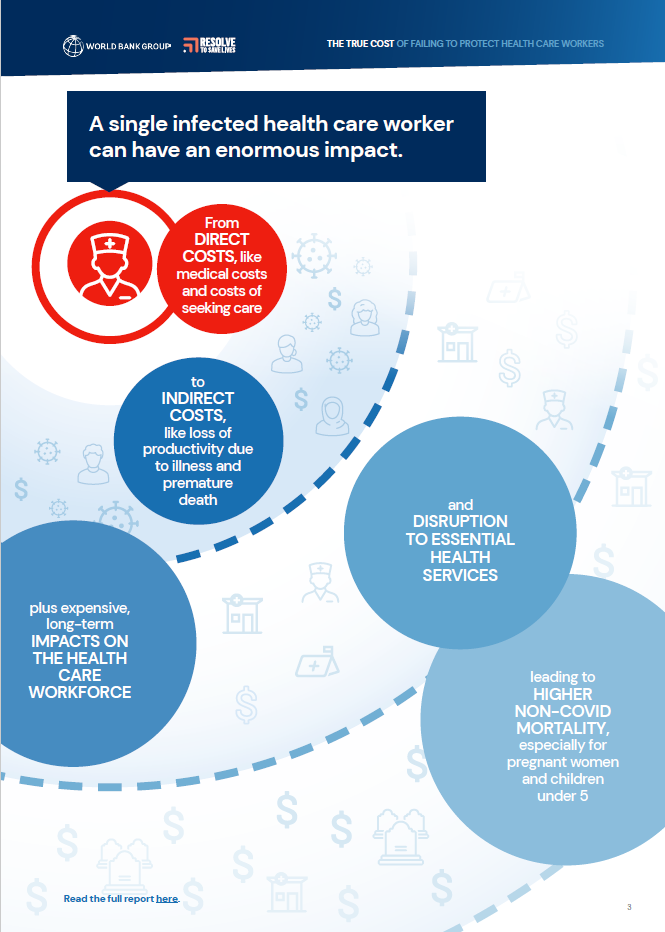
A landmark study from the World Bank and Resolve to Save Lives that measures the broader socio-economic costs of health care
worker infections and deaths from COVID-19
An infection prevention and control initiative improved COVID-19 infection rates for health care workers in Africa, but challenges showed the need for long-term investments in sustainable IPC programs
Effective outbreak response requires sustained investments in health systems—going beyond training to include adequate equipment, space and staffing levels.
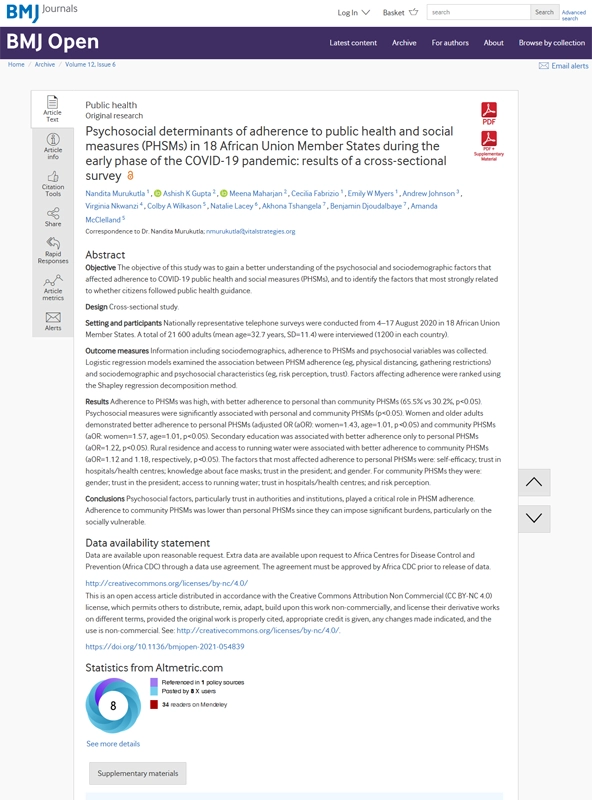
Trust in authorities, a sense of control over one’s environment and behavior, and access to resources influenced adherence to public health and social measures during the COVID-19 pandemic.