Addressing Unhealthy Diets in India
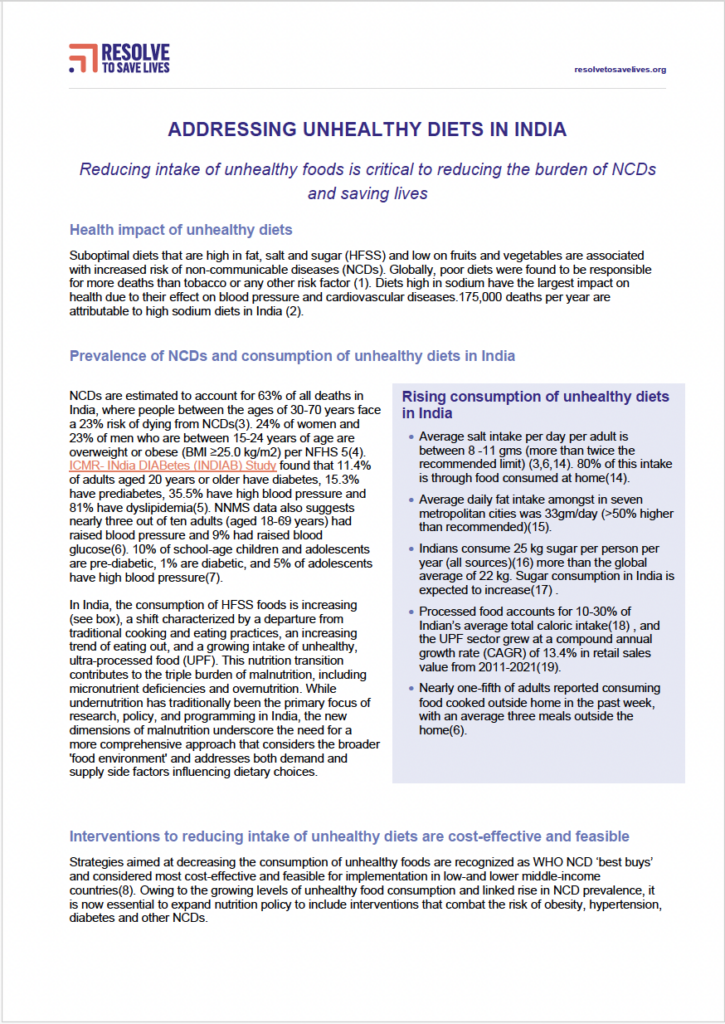
Learn more about Resolve to Save Lives’ comprehensive, cost-effective interventions to promote healthier diets and save lives in India.
Resolve to Save Lives: India Country Profile
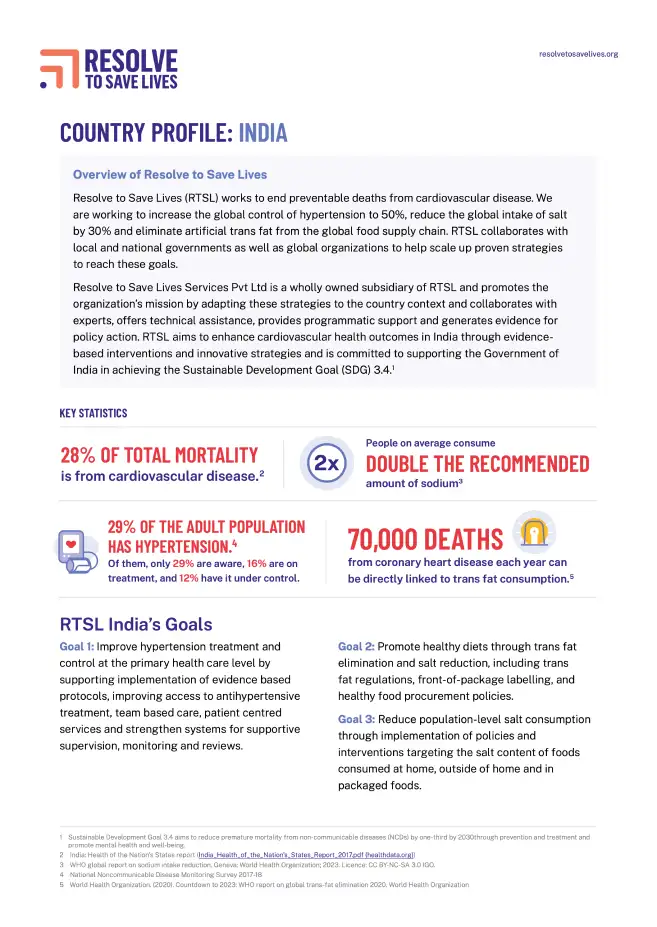
Learn more about how Resolve to Save Lives is working to end preventable deaths from cardiovascular disease in India.
Countdown to 2023: 5-year progress report on global trans fat elimination

New World Health Organization progress report, supported by RTSL. Since initial call to action in 2018 for all countries to eliminate toxic trans fat and protect their people from this risk factor for heart attack and strokes, 43 more countries have banned trans fat protecting an additional 2.8 billion people, or 46% of the world—as […]
Fiscal policies to promote healthy diets: WHO guideline

A WHO guideline offering Member States recommendations on implementing fiscal policies, such as taxes and subsidies, to promote healthy diets by influencing consumer behavior through price adjustments at the retail level.
Virtual Course: Regulatory Policies to Prevent Obesity and Diet-related Noncommunicable Diseases

Virtual course developed by PAHO aiming to strengthen capacity to design and advance effective regulatory policies that reduce the demand for and offer of ultra-processed and processed products to prevent obesity and diet-related NCDs in the Region of the Americas.
Global sodium reduction strategies course
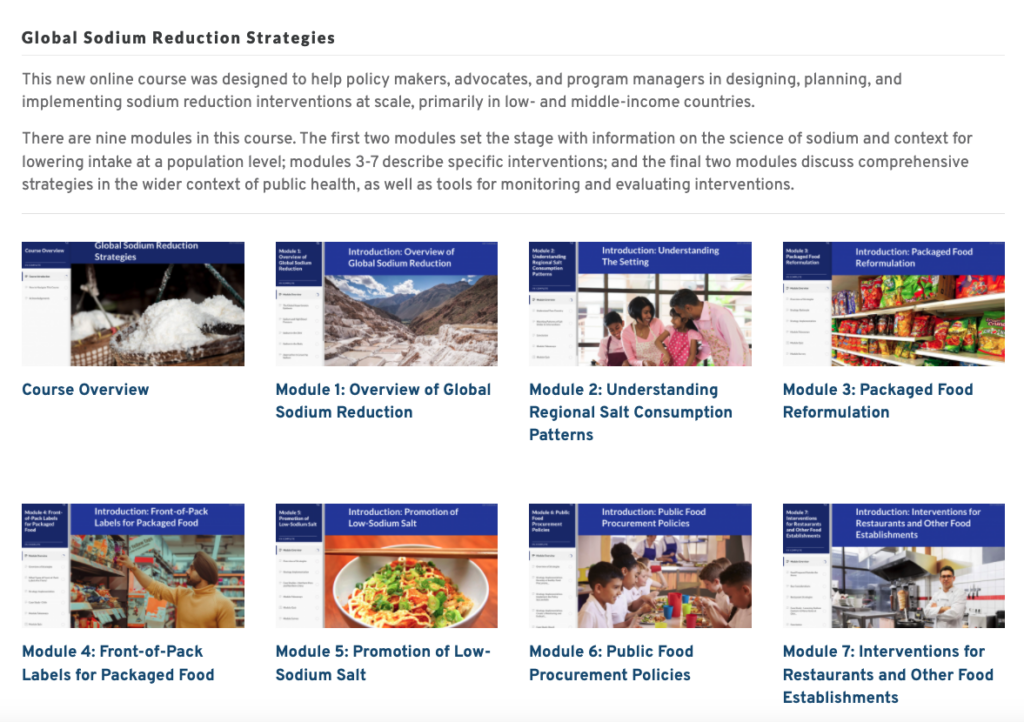
A nine-module online course to help policy makers and health advocates design, plan, and implement global sodium reduction interventions at low- and middle-income countries
Tackling NCDs: best buys and other recommended interventions for the prevention and control of noncommunicable diseases, 2nd ed

WHO’s updated list of “best buys” and recommended interventions for addressing NCDs, aligned with the extended Global Action Plan (2013–2030) to help countries achieve the nine voluntary NCD targets and advance SDG 3 on good health and well-being.
Blood pressure poster study
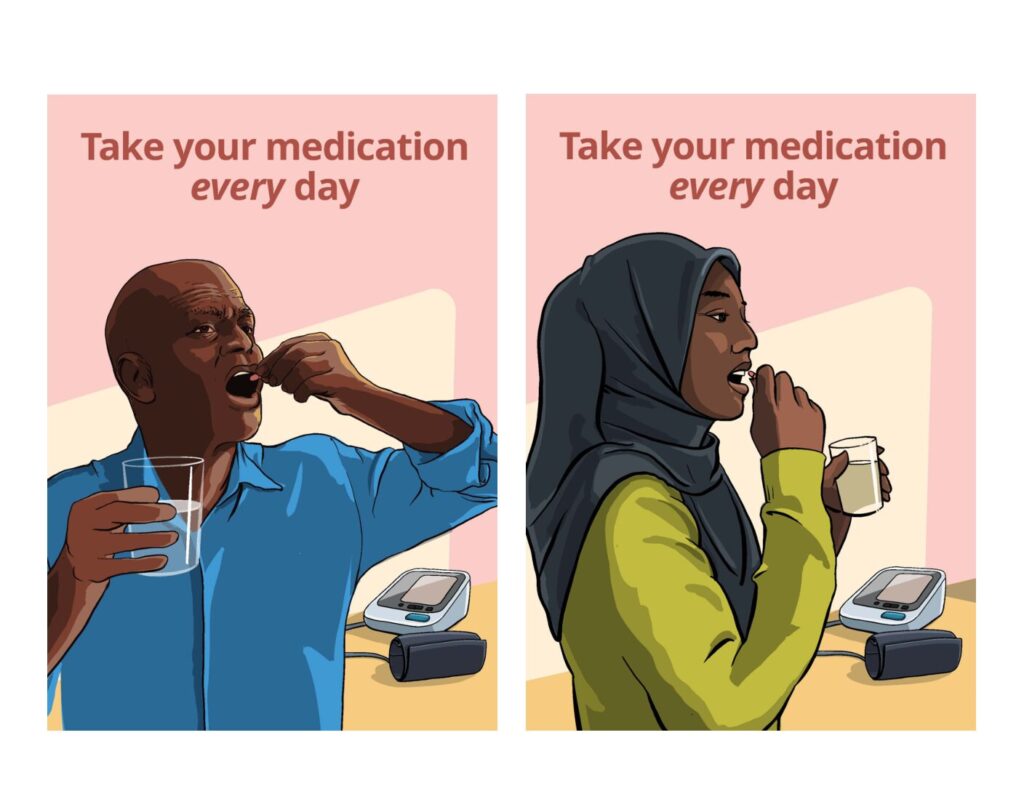
A qualitative study conducted by Resolve to Save Lives determined this poster to be the most impactful for encouraging patients to take their blood pressure medications daily. Forty patients from five different places said they prefer this poster because it shows someone actually taking their medication, which made clear what they needed to do.
WHO global sodium benchmarks for different food categories, 2nd ed

A document that updates the global sodium benchmarks developed in 2021 for different food categories to help reduce salt intake using country experiences (updated in 2024)
Urban pandemic response: Survey results describing the experiences from twenty-five cities during the COVID-19 pandemic

How do local governments contribute to pandemic response? For PLOS Global Public Health, Resolve to Save Lives collaborated with colleagues at Center for Global Health Science & Security and Vital Strategies to assess government responsibilities, the timeline of response activities, challenges faced during the COVID-19 pandemic among members of the Partnership for Healthy Cities. Among […]
Saving lives through comprehensive sodium reduction

A six-step guide developed by Resolve to Save Lives that governments can follow to help reduce sodium consumption at the national level.
Regulate Trans Fat, Even if Burden is Low

Fact sheet from Resolve to Save Lives making the case for trans fat regulation in low-burden settings
Understanding, preventing, and stopping epidemics
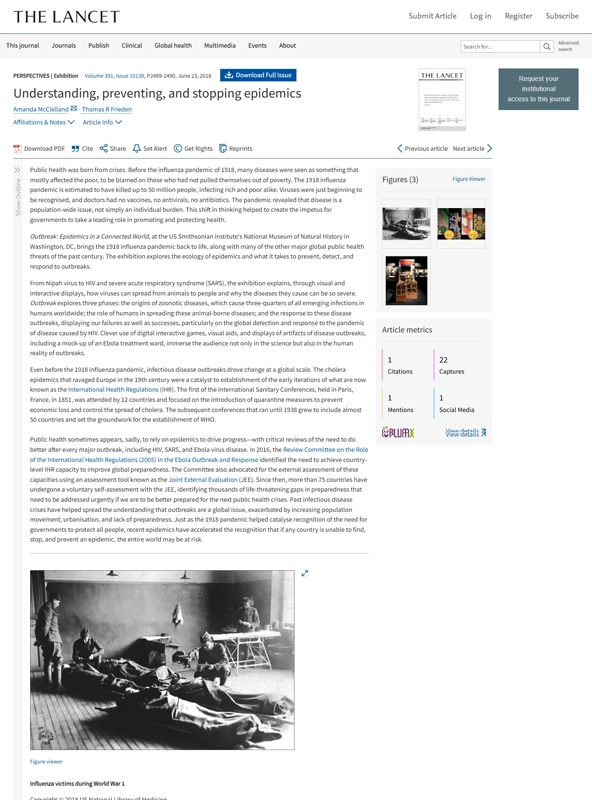
The Smithsonian exhibition, Outbreak: Epidemics in a Connected World, shows that the world cannot afford to wait for the next epidemic—we must act on the information that we have now to end preventable outbreaks. Writing for the Lancet, Resolve to Save Lives reflects on the impact of epidemics over the past century, from Nipah virus […]
Increasing uptake of low-sodium salt

Fact sheet highlighting the addition of low-sodium salt to one’s diet to reduce blood pressure and associated risk of heart attack or stroke.
Nutrient Profile Models: A valuable tool for developing healthy food policies
Position paper from GHAI, Resolve to Save Lives and other partners presenting best practices for defining, selecting and using effective NPMs.
Timeliness metrics for screening and preventing TB in household contacts of pulmonary TB patients in Kenya
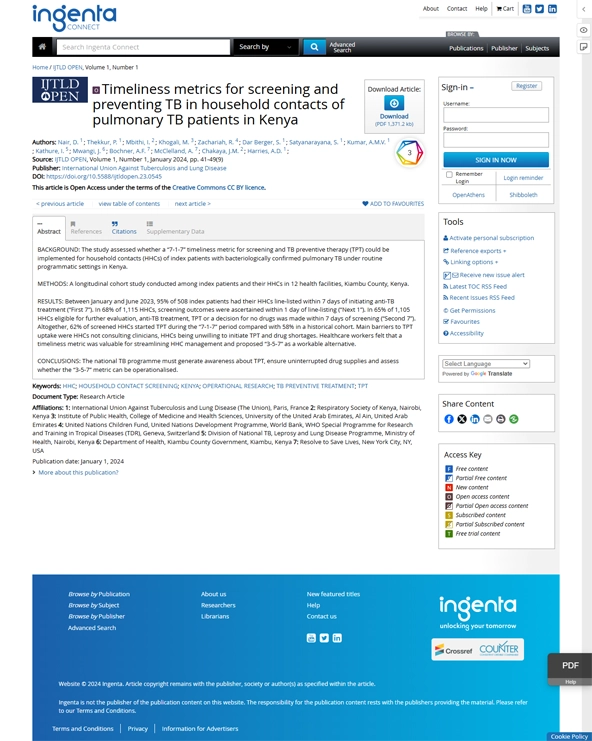
In a study published in the International Journal of Tuberculosis and Lung Disease, our colleagues at the International Union Against Tuberculosis and Lung Disease and the Respiratory Society of Kenya evaluated the feasibility of implementing a “7-1-7” timeliness metric for screening and initiating TB preventive therapy (TPT) among household contacts (HHCs) of index patients with […]
Healthy School Canteen
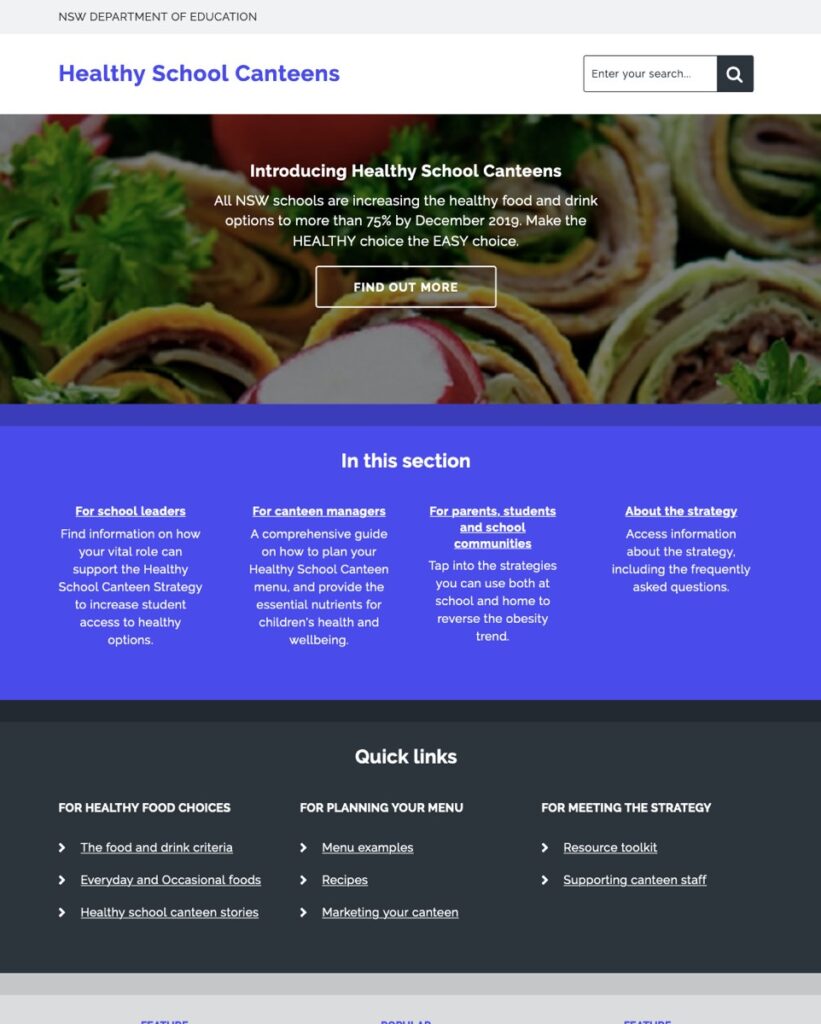
Includes resources to support transitioning to healthier school canteens for school leaders, canteen managers, parents, and communities.
Healthy Public Food Procurement and Service Policies Fact Sheet
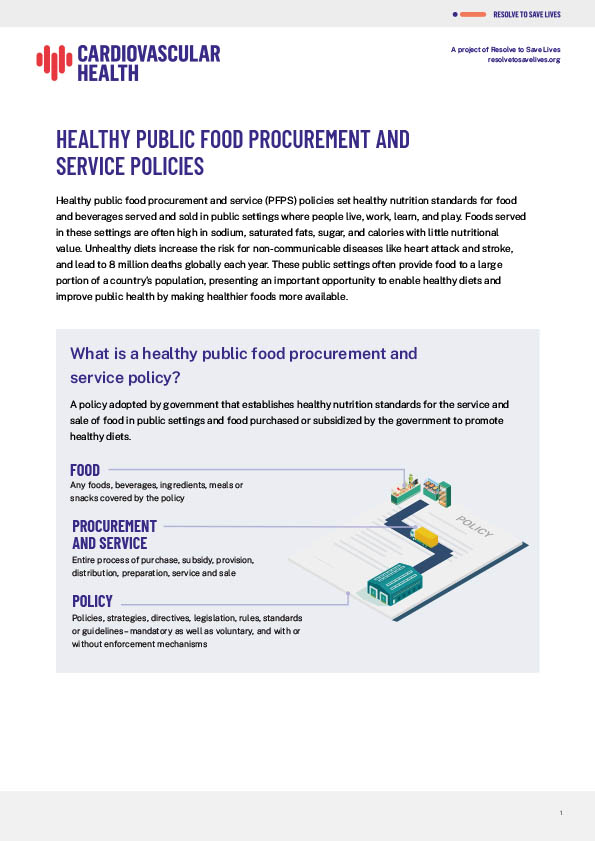
Core principles, benefits and resources for implementing healthy food procurement and service policies.
Healthy Food and Drink in NSW Health Facilities for Staff and Visitors Framework (2017)
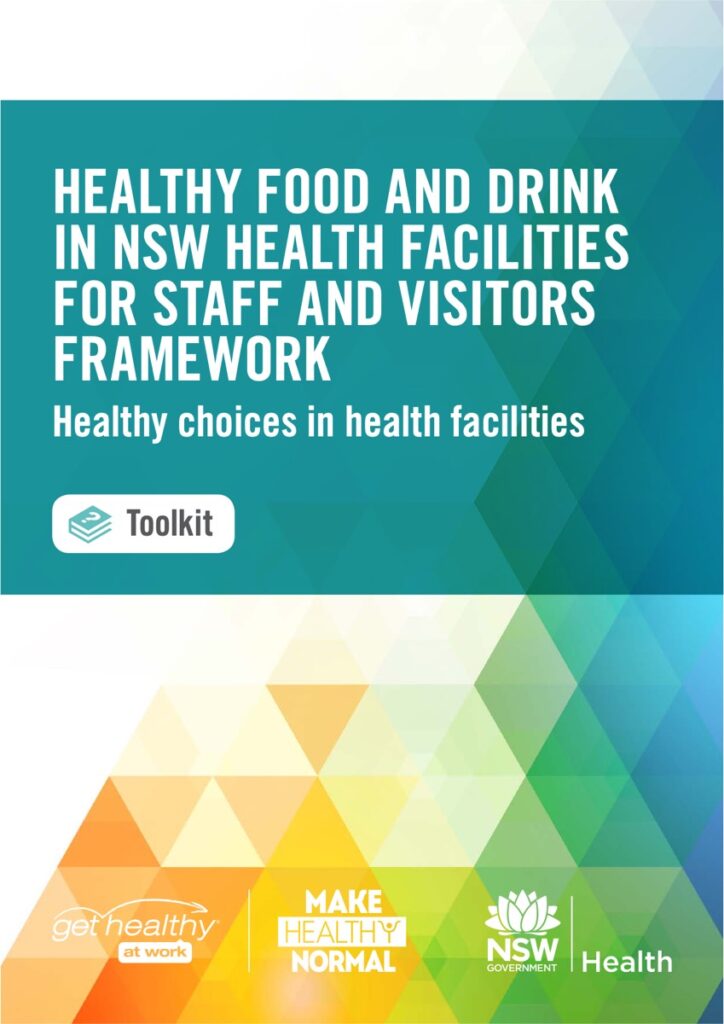
Best practice guidelines for health facilities to use for cafes/cafeterias, vending machines, convenience stores/newsagents, retail premises, and catering.
Resources for Victoria School Operations: Canteens, Healthy Eating and Other Food Services
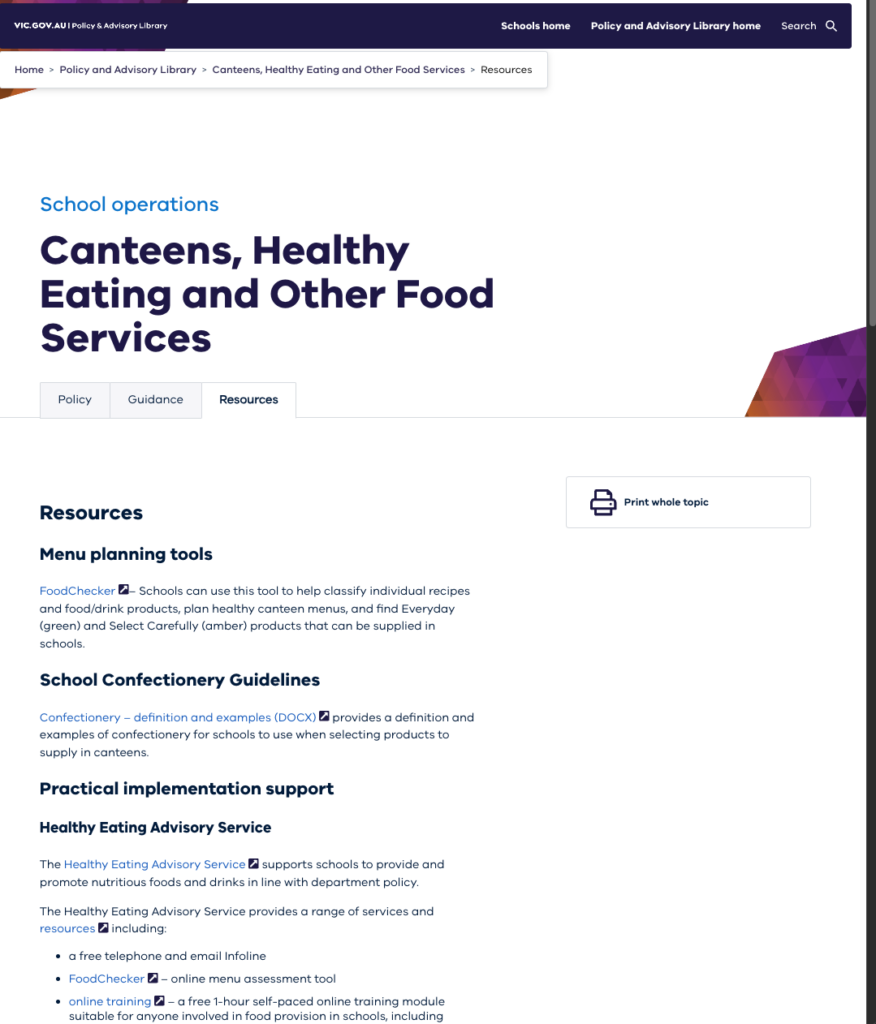
Resources to assist schools develop healthy canteens. The website includes links to the policy, evaluating changes, food planners, and educational materials.
Kaiser Permanente Food Brand Standards website
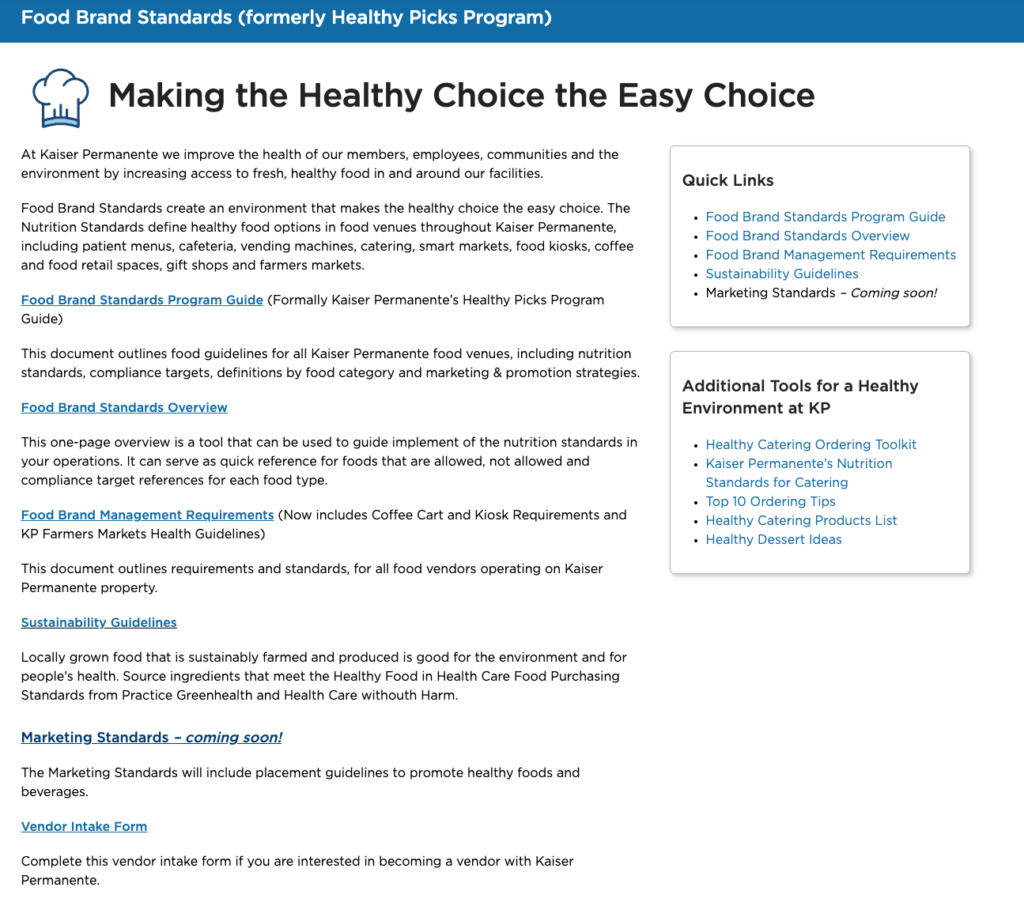
Describes healthy food guidelines and implementation resources for hospital food venues, including patient menus, cafeterias, coffee carts, kiosks, vending and gift shops.
Healthy Workplace Food & Beverage Toolkit website
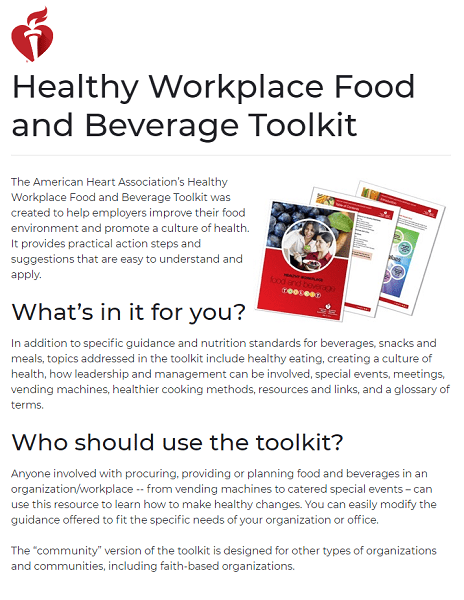
Includes links to vending machine data collection tools and checklist for meetings and catered meals.
Healthy State Act (2012)
Model bill to expand healthy choices for government employees and in government institutions.
Healthy food procurement and nutrition standards in public facilities: evidence synthesis and consensus policy recommendations
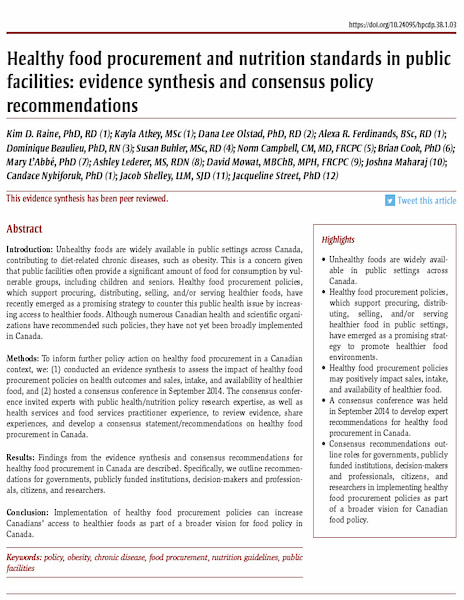
Synthesis of evidence and consensus conference to inform further policy action on healthy food procurement in Canada.
Impact of the Food-Labeling and Advertising Law Banning Competitive Food and Beverages in Chilean Public Schools, 2014–2016
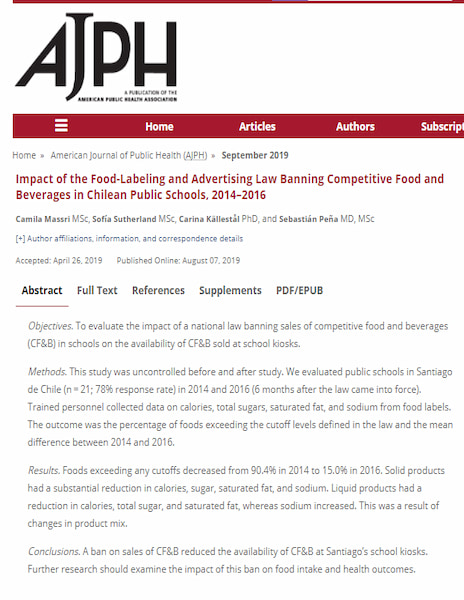
Reviews the impact of the national law banning sales of competitive food and beverages in schools, based on Chile’s Law of Food Labeling and Advertising. Results show that availability of foods exceeding cutoffs decreased from 90.4% in 2014 to 15.0% in 2016 after policy implementation.
School nutrition guidelines: overview of the implementation and evaluation
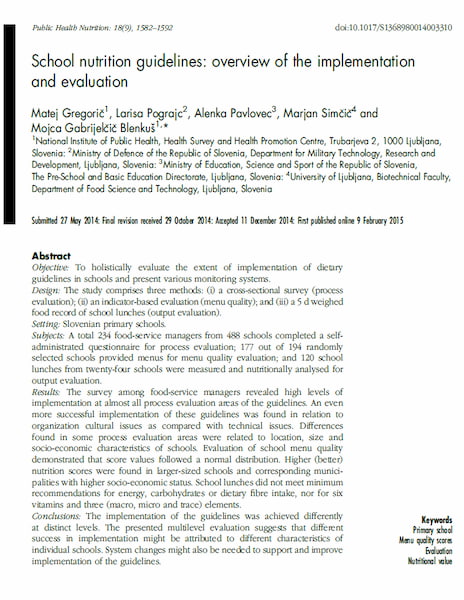
Describes three methods of evaluating the implementation of dietary guidelines in schools in Slovenia: (i) a cross-sectional survey, (ii) an indicator-based evaluation of menu quality; and (iii) a five day weighted food record of school lunches (output evaluation). The multi-level evaluation suggests that some differences in implementation are attributed to school characteristics; system changes may […]
Healthier and more sustainable catering website
Resources include a description of nutrition principles of healthier catering and a toolkit for serving older people in residential care
Healthy Choices website
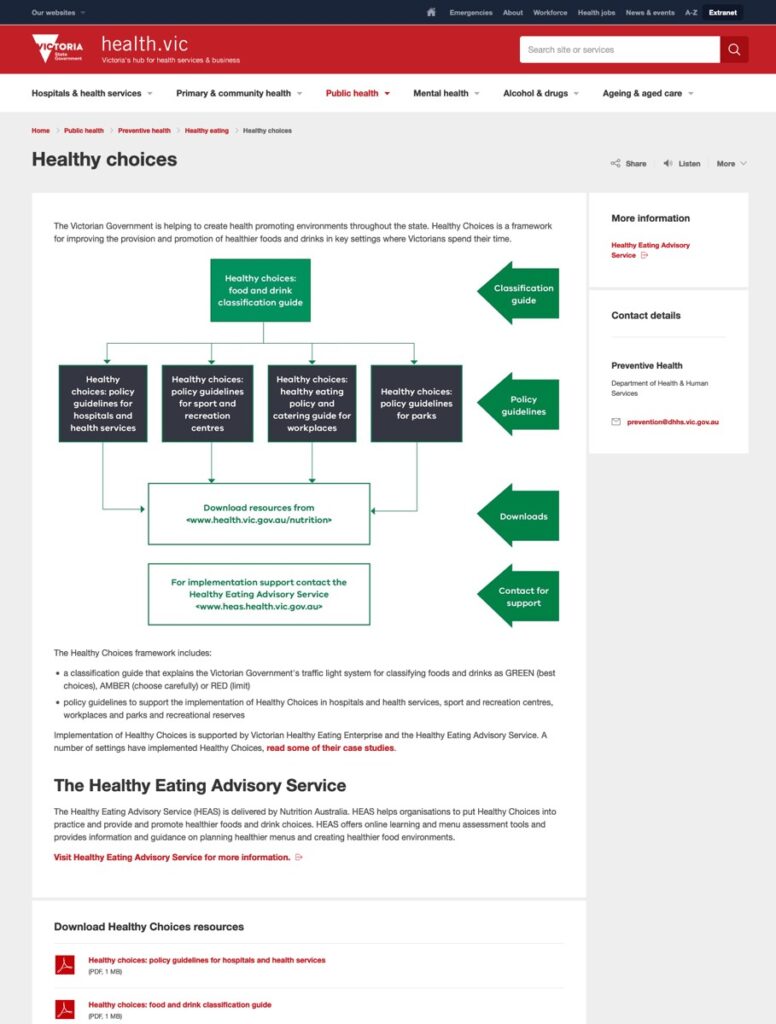
Guidelines to help workplaces, hospitals and health services, parks, and sporting centers provide healthy foods and drinks.
India’s School Children Regulation
India’s regulation including restrictions on the advertising, marketing, or selling of food products high in saturated fat or trans-fat or added sugar or sodium on school campuses or to school children in an area within fifty meters from the school gate in any direction.
Healthy Meals in School Programme
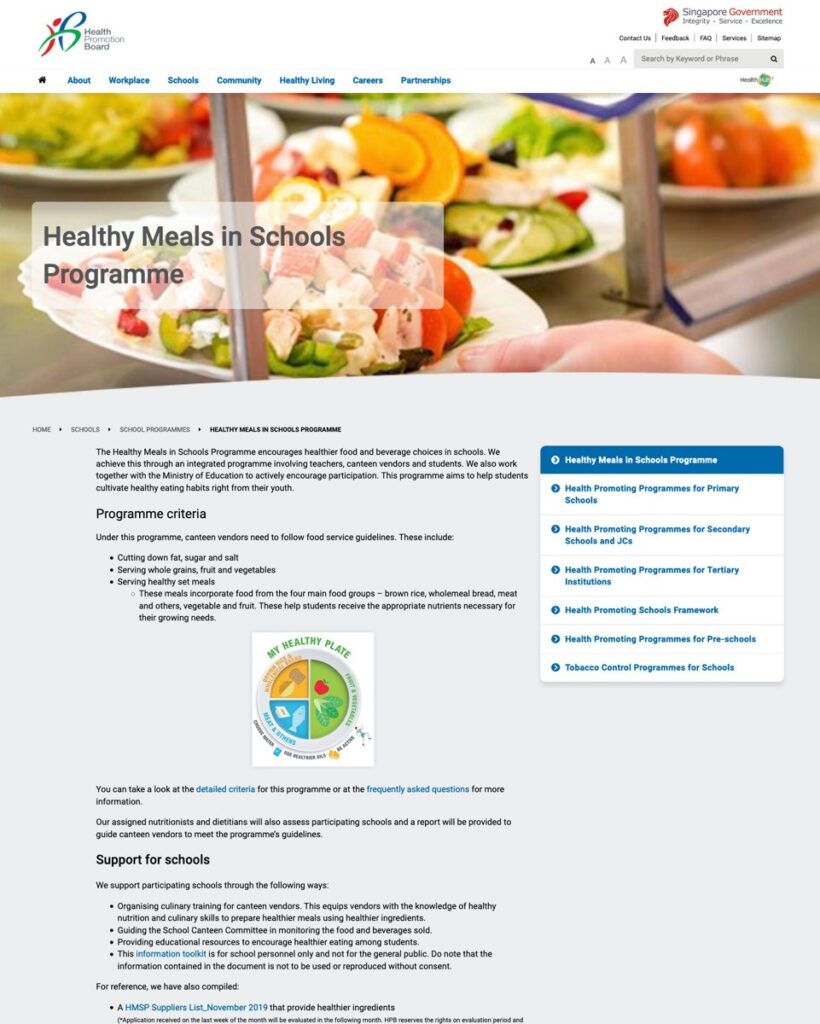
Describes program criteria and support available for schools.