Sodium Reduction Communications Toolkit
Research-informed recommendations to make lower-sodium a reality in your country.

Why sodium reduction
Excess sodium intake is a leading dietary risk to public health, with global consumption averaging double the WHO-recommended limit and contributing to at least 1.9 million deaths annually from heart disease and stroke. Sodium occurs naturally in food and beverages but is often added as salt to make processed foods and when cooking at home. While international commitments call for a 30% reduction in sodium intake by 2030, progress on nutrition policies has been slow—often sidelined by other public health priorities or challenged by food industry opposition. Collective local-level action, drawing on proven strategies, is essential to accelerate progress.
In this toolkit
How to use this toolkit
This toolkit is designed for advocates, public health champions, and technical experts who already have advocacy and communications strategies in place and are seeking practical ways to adapt global evidence, messages, and resources to their local context. It provides adaptable communications materials and guidance to support country-level advocacy for evidence-based sodium reduction policies.
The toolkit was developed through formative research with local and regional partners across multiple countries to better understand which messages, framing approaches, and dissemination strategies are most effective in motivating decisionmakers to adopt and implement sodium reduction policies.
By helping users translate global evidence and advocacy resources into locally relevant communications, the toolkit supports more effective engagement with policymakers, their advisers, media, civil society partners, and other key stakeholders. It offers practical tools for tailoring messages, materials, and outreach approaches to local priorities, audiences, and policy environments.
The resources and recommendations included here are intended to strengthen and complement existing advocacy and communications efforts, rather than replace them. They are most effective when integrated into broader country-level strategies aimed at advancing nutrition policy and improving public health outcomes.
Adapting global messages for local impact
Communicating about sodium is inherently difficult—the body needs some sodium to function, and salt is a commonly used seasoning worldwide. The following effective messaging recommendations from our partners can help make this topic more accessible and actionable.
Know your audience and tailor messaging to their needs
Once your overall communications objectives are in place, carefully consider your target audience(s) and their needs from the start. Researching the specific priorities of different stakeholders to tailor the tone and elements of your messages to each target audience—by group and individual—can be helpful.
Ask yourself:
- Who do you need to reach?
- What do they know/ not know?
- What do they care about?
- What specific information is needed to persuade them?
- When might they be most receptive?
For more information on audience mapping, see Step 2: Identifying Your Primary Audience of GHAI’s Communication & Media Advocacy Action Guide.
Use simple, relatable language and keep materials brief—even for policymakers
Technical accuracy matters, but comprehension matters just as much. Commonly understood terms out-perform precise scientific language in both policymaker and public-facing materials, provided they are firmly grounded in evidence and do not oversimplify the underlying science.
- Say “salt” instead of “sodium” wherever possible
- Use “teaspoons” instead of “grams” for consumption data
- Create materials that are ideally one page
- Use visuals to communicate data rather than tables or charts
- Aim for 3 data points maximum. Though there are likely dozens of statistics related to salt reduction that you could use, more than three can be overwhelming instead of convincing.
For more guidance on audience-specific messaging, see this Messaging Matrix (LINK TBD)
Lead with solutions
Focus on achievable policy actions rather than only describing the problem:
- When communicating with decisionmakers, offer several evidence-based options instead of prescriptions to reduce defensiveness if all best-practice policies can’t be pursued at once and to increase receptivity for prioritizing sodium reduction efforts wherever possible.
- Frame messages as supportive and collaborative rather than antagonistic.
- Opt for solutions-forward rather than fear-based
For more guidance on messaging, see this Messaging Do’s and Don’ts (LINK TBD)
Connect to existing audience priorities
For decisionmakers, frame messages around what they care about most backed by the best available data. Depending on the country’s context, this might be the financial benefits of the policy or how it links to other established health goals. Frame public messaging around consumer or family protection or pointing to the consequences of not passing the policy.
For more guidance on audience-specific messaging, see this Messaging Matrix (LINK TBD)
Use evidence to support your key messages
Evidence can demonstrate the:
- Severity of the problem in your country
- The relevance of the issue in your context and why it matters to your audience
- The effectiveness of the policy as a solution (e.g. Affordability/cost savings of local/national policy implementation)
An example of a key message not connected to evidence might be, “Salt reduction is important for one’s health.” Whereas, “Eating more than WHO’s recommended 2g of salt per day increases blood pressure, which increases one’s risk for heart attack, stroke, and early death” uses one data point plus evidence to highlight why and how salt reduction is important to one’s health.
Adapt messages to available evidence, prioritizing local data where possible
Often global and even regional data is not enough to persuade policymakers. Consider what specific kinds of data will resonate best with your audience. This might include national sodium intake, hypertension burden, stroke burden, economic costs, local dietary sources or national policy commitments.
If local evidence is unavailable, use regional or global evidence while acknowledging data limitations and emphasizing the relevance to your country’s context.
| Do: | Don’t: |
|
Use the best available local evidence, even if it is not sodium-specific. |
Present global or regional estimates as country-specific facts. |
|
Clearly distinguish between country, regional and global data. |
Overstate certainty when local data are unavailable. |
|
Explain why global evidence is relevant to the country’s health priorities. |
Wait for perfect data before communicating about evidence-based policies. |
|
Use comparable country examples to demonstrate feasibility. |
Assume findings from another country apply without explaining why they are relevant. |
|
Acknowledge evidence gaps while emphasizing that they should not delay action. |
Oversimplify language in a way that makes it lose its meaning or become inaccurate. |
Anticipate industry opposition—and pre-empt it
Develop messages that address common industry arguments (anti-poor, anti-business, no local evidence) before campaigns launch, not after. Share widely with coalitions and include when reaching out to policymakers and journalists.
For more guidance on audience-specific messaging, see:
Key insights per policy area
While pushing for best practice standards, consider the following messaging insights when targeting specific policy areas:
Salt reformulation and sodium targets
Emphasize feasibility, industry precedents and health system savings, supported by local consumption data.
Front-of-package labelling
Highlight consumer rights, informed choice, family health, and equity, while preparing evidence to counter anti-poor narratives—i.e., inequity of poor health outcomes and unhealthy food consumption.
Public food procurement and institutional settings
Focus on environmental change, behavioral nudges and the role of government in shaping healthier default.
Recommendations for using the toolkit resources
The 4 Ms of strategic communications

Message
Use simple, relatable language. Say “salt,” not sodium. Frame policy as supportive and solutions-forward—not prescriptive or fear-based.

Messenger
Who delivers the message matters as much as the message itself. Combine trusted technical voices with cultural figures and grassroots pressure.

Medium
In-person engagement remains the most effective channel for decisionmakers. Pair it with trained media coverage for broader reach.

Moment
Time advocacy pushes to concrete policy windows. Know when your audience is most receptive—and be ready to act quickly.
Use a wide range of messengers
- Policymakers are most convinced when pressured from all sides, e.g., trusted advisors, academics, and clinicians applying pressure from the top; cultural figures and the public applying pressure from the bottom.
- Building and engaging a diverse coalition of CSOs, health professionals, government-affiliated partners, and even journalists, can amplify credibility and provide surge capacity when industry opposition emerges.
- Coordinated collaboration amongst coalition members can also help compensate for resource constraints.
Engage with journalists—don’t just pitch to them
- Journalists often lack foundational knowledge of consuming excess salt. Invest in capacity-building workshops and MOUs for sustained, accurate coverage that has the potential to reach both policymakers and the public.
- Sharing easy-to-digest one-pagers in addition to pitches and press releases can help increase understanding, accuracy, and persuasion of reporting.
Prioritize in-person communications
In-person communication remains the most effective medium for reaching decisionmakers. Direct engagement allows advocates to tailor messages and respond to concerns in real time, and to build the trust and relationships required to keep policies progressing.
Know when your audience is most receptive—and be ready to act quickly
Align communications with policy milestones, conferences, public awareness days, and other key moments to increase relevance and reach. Just as importantly, connect sodium reduction messages to current government priorities, such as NCD prevention, cardiovascular health, healthy eating strategies, or national health action plans. Framing sodium reduction as a solution that supports existing policy goals can help capture decisionmakers’ attention and create opportunities for action.
Resources
Messaging

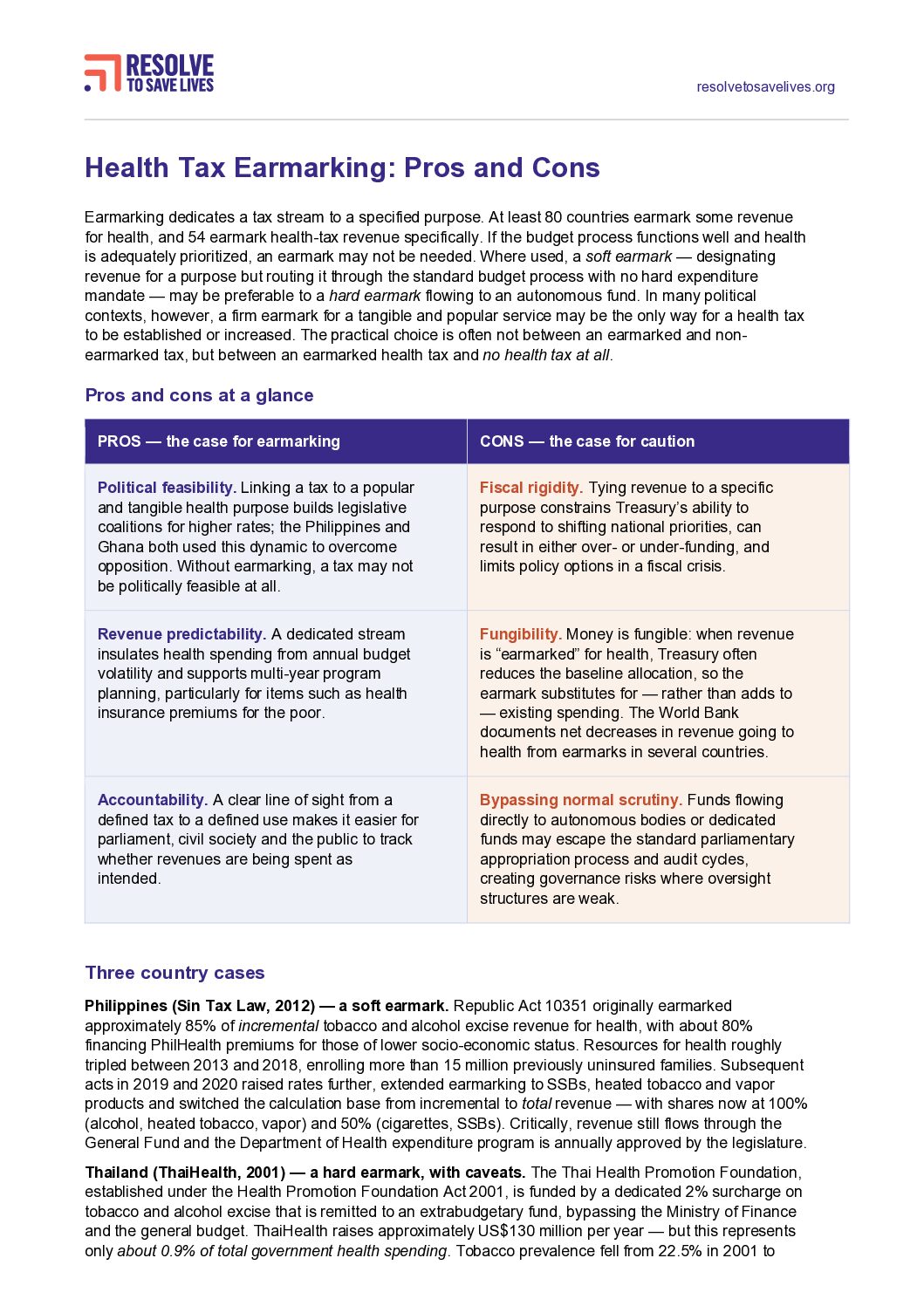
7-1-7 Early Disease Detection
The 7-1-7 target sets three timeliness metrics for outbreak detection, notification, and early response — helping countries identify bottlenecks and improve performance.


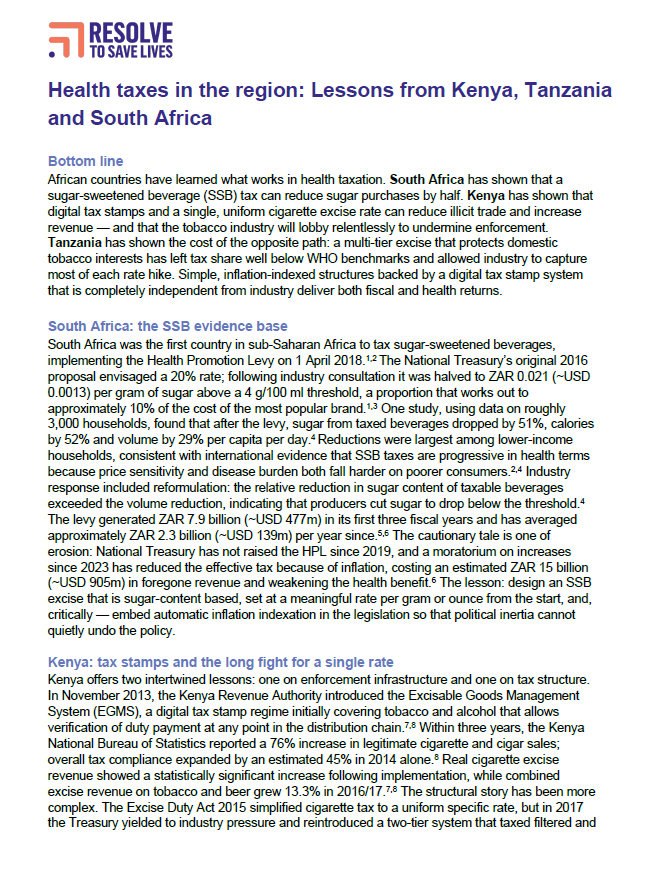
Epidemics that didn’t happen
Read our reports showcasing outbreaks that were stopped in their tracks.
7-1-7 Early Disease Detection
The 7-1-7 target sets three timeliness metrics for outbreak detection, notification, and early response — helping countries identify bottlenecks and improve performance.
Evidence
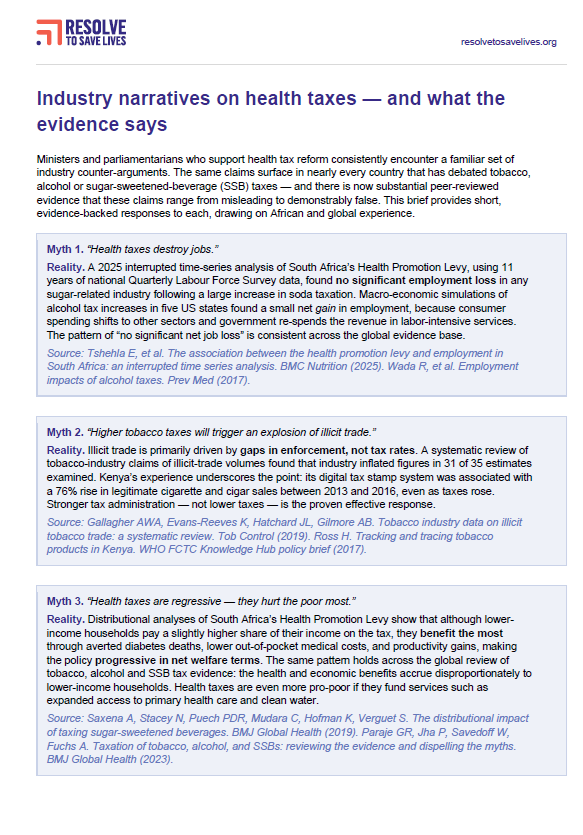
7-1-7 Early Disease Detection
The 7-1-7 target sets three timeliness metrics for outbreak detection, notification, and early response — helping countries identify bottlenecks and improve performance.
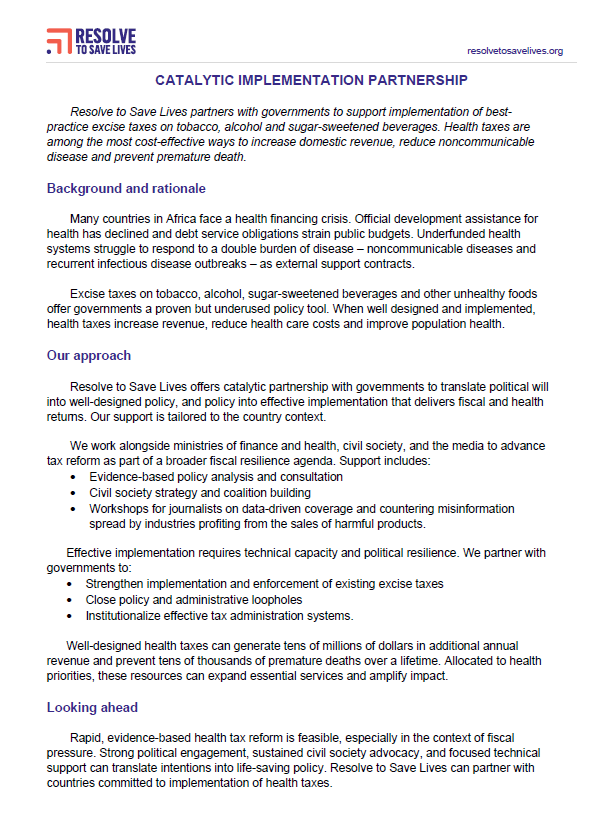
Epidemics that didn’t happen
Read our reports showcasing outbreaks that were stopped in their tracks.
7-1-7 Early Disease Detection
The 7-1-7 target sets three timeliness metrics for outbreak detection, notification, and early response — helping countries identify bottlenecks and improve performance.
Storytelling


Digital communications

Media advocacy
About this toolkit


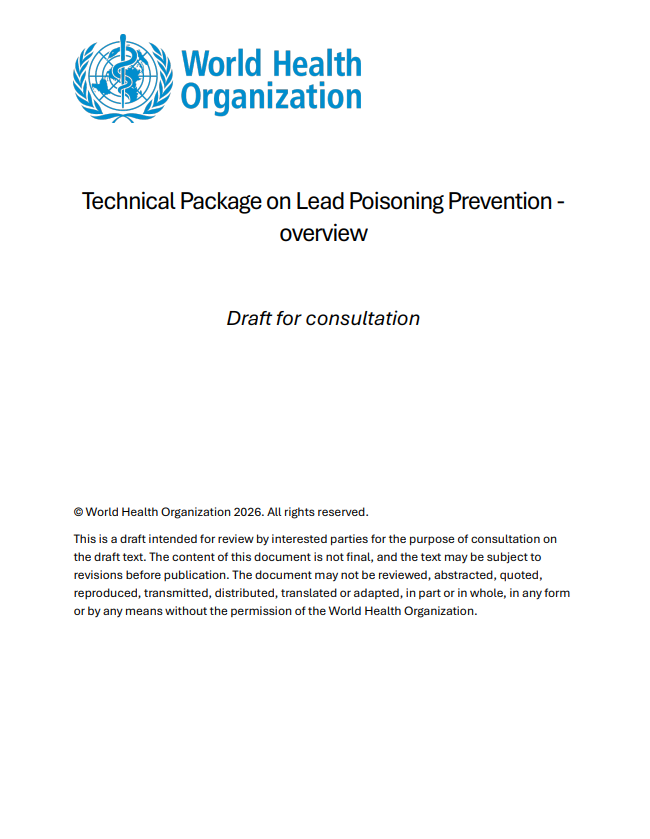
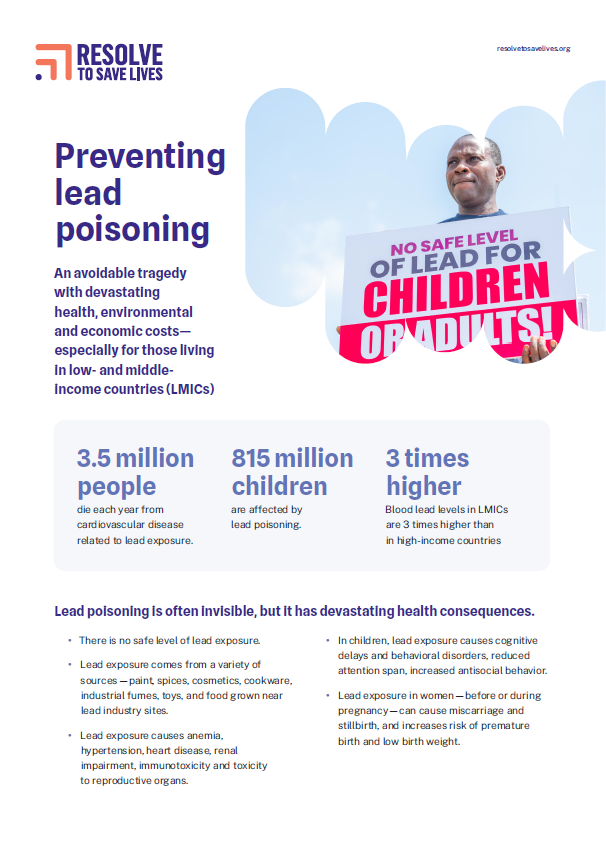
Resolve to Save Lives (RTSL) and the Global Health Advocacy Incubator (GHAI) developed this communications toolkit with technical inputs from World Health Organization (WHO) to support global and local advocacy for healthier food environments. We’d also like to thank all the individuals and organizations who reviewed and contributed to this publication.
This toolkit focuses specifically on adapting and deploying sodium reduction communications resources in country-level advocacy. Looking for broader advocacy or communications guidance?
- GHAI’s Advocacy Action Guide provides guidance on campaign planning, coalition building, policy advocacy, and stakeholder engagement.
- GHAI’s Communications and Media Advocacy Action Guide provides comprehensive guidance on communications strategy, media advocacy, digital engagement, and spokesperson preparation.