COVID-19 / In-Depth Science Review: November 1, 2021

The glut of COVID-19 vaccines is a myth: How we can — and must — remove barriers to vaccinating the world against COVID-19 This science review is a snapshot of the new and emerging scientific evidence related to COVID-19 during the period specified. It is a review of important topics and articles, not a guide […]
Removing barriers to vaccinating the world against COVID-19

The latest in-depth science review from our Prevent Epidemics team debunks the myth that the world is facing an imminent glut of vaccines and discusses barriers to global vaccination, including supply and equity. We have repeatedly squandered opportunities to better address supply shortages through technology transfer and the creation of additional production hubs.
#BeatThePressure campaign launches to improve hypertension control around the world

The LINKS community launched the #BeatThePressure campaign to promote the adoption of the new WHO hypertension guideline, including strategies such as task sharing and affordable medications.
Low sodium salt could save millions of lives
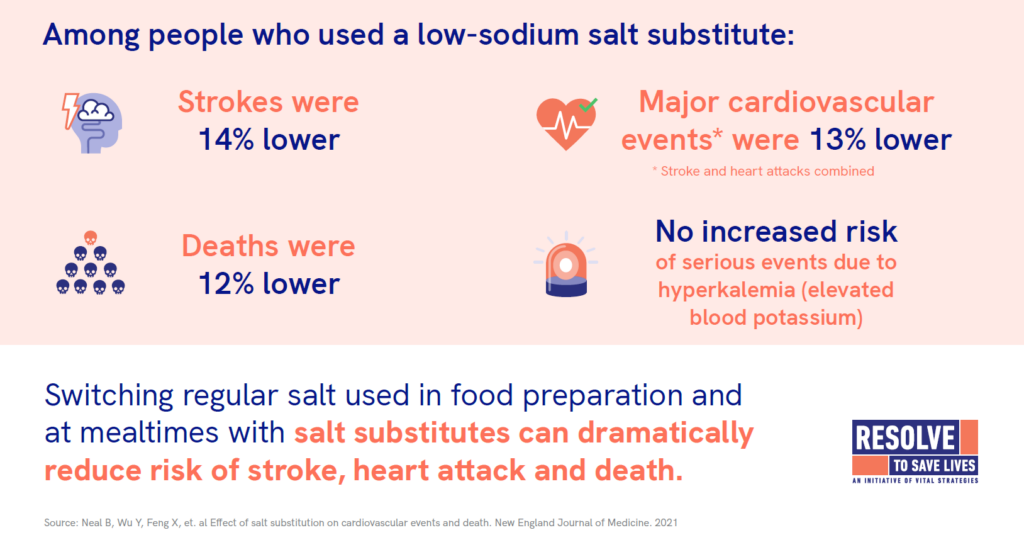
Our president and CEO Dr. Tom Frieden called for governments around the world to make low-sodium salts more accessible, citing a new study published in the New England Journal of Medicine that highlights the potential of low-sodium salts to prevent heart attack and stroke and save lives.
Celebrating World Heart Day 2021
We joined the World Heart Federation in recognizing World Heart Day by highlighting evidence-based strategies to improve hypertension around the world. Our six-step guide outlines strategies such as simple protocols and patient-centered care, needed for creating successful hypertension programs in diverse country contexts.
LINKS Community launches Public Funds for Healthy Foods Campaign
The LINKS Community kicked off a “Public Funds for Healthy Foods” campaign to encourage advocacy for health public food procurement policies that include limits on sodium and trans fats. Read more on what you can do to promote healthy public food procurement policies in your community.
WHO releases new, lifesaving hypertension guideline

Our President and CEO Dr. Tom Frieden released a statement encouraging countries to demonstrate their commitment to ending preventable deaths from high blood pressure by adopting and implementing WHO’s new “ Guideline for the pharmacological treatment of hypertension in adults ”.
COVID-19 / In-Depth Science Review: August 20, 2021
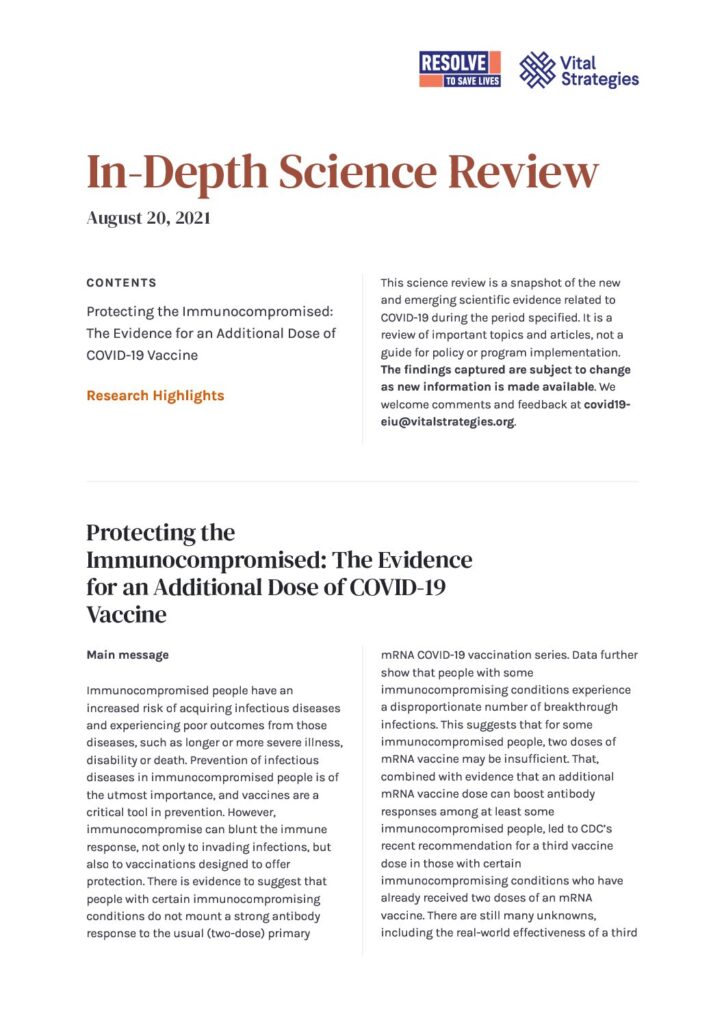
Protecting the Immunocompromised: The Evidence for an Additional Dose of COVID-19 Vaccine. This science review is a snapshot of the new and emerging scientific evidence related to COVID-19 during the period specified. It is a review of important topics and articles, not a guide for policy or program implementation. The findings captured are subject to change […]
Grants awarded to three organizations championing trans fat elimination advocacy
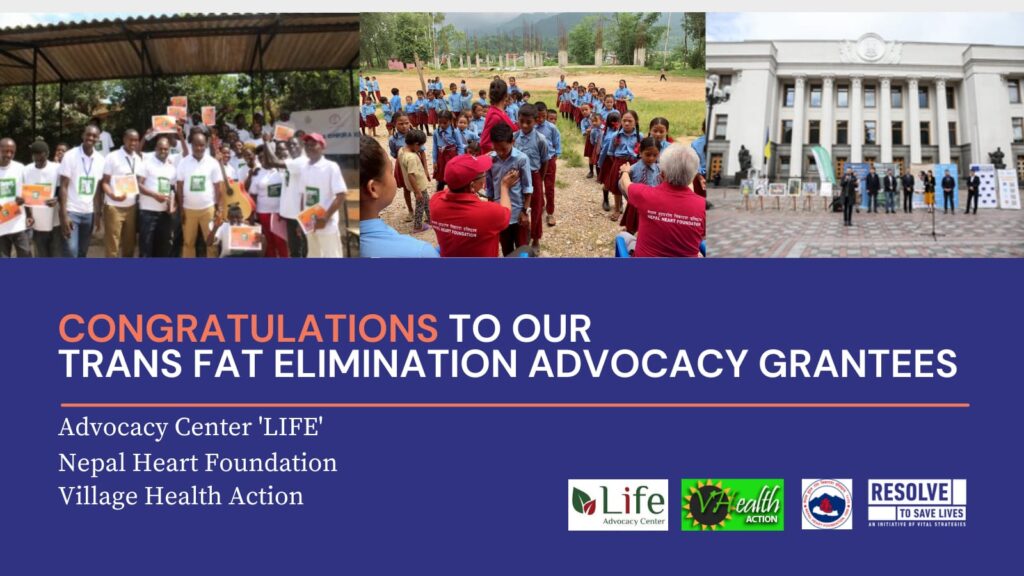
Resolve to Save Lives awarded grants to Advocacy Center ‘LIFE’, Nepal Heart Foundation, and Village Health Action for trans fat elimination advocacy projects in Ukraine, Nepal and Burundi. The new grantees will support life-saving policies by collaborating with ministries of health, offering technical guidance, and leading public awareness campaigns.
COVID-19 / In-Depth Science Review: August 2, 2021
A Hidden Toll: The Mental Health Impacts of COVID-19 on the Public Health Workforce. This science review is a snapshot of the new and emerging scientific evidence related to COVID-19 during the period specified. It is a review of important topics and articles, not a guide for policy or program implementation. The findings captured are subject […]
The Mental Health Impacts of COVID-19 on the Public Health Workforce

The latest in-depth science review from our Prevent Epidemics team discusses the hidden toll the COVID-19 pandemic has placed on the mental health of public health workers across the world. It also identifies strategies to prevent or reduce these harms—both on the public health workforce and on healthcare workers.
COVID-19 / In-Depth Science Review: July 16, 2021
Opening K-12 schools for in-person learning amidst vaccines and variants: what have we learned and how can this guide us? This science review is a snapshot of the new and emerging scientific evidence related to COVID-19 during the period specified. It is a review of important topics and articles, not a guide for policy or […]
7-1-7: an organizing principle, target, and accountability metric to make the world safer from pandemics

In a new publication in The Lancet, our team has outlined a novel global 7-1-7 target: identify the outbreak within 7 days of emergence, report to public health officials within 1 day, and effectively respond within 7. We are at a now-or-never moment to improve global readiness against the next disease threat.
From lionizing to protecting healthcare workers during and after COVID‐19—systems solutions for human tragedies
Frontline healthcare workers need full protections in the form of infection prevention and control (IPC) measures, water, sanitation and hygiene (WASH) programs, and expanded training opportunities. Writing in the International Journal of Health Planning and Management, experts at Resolve to Save Lives review healthcare worker infections and deaths during previous epidemics, illustrating the high human […]
Third round of LINKS grants awarded to 9 winners
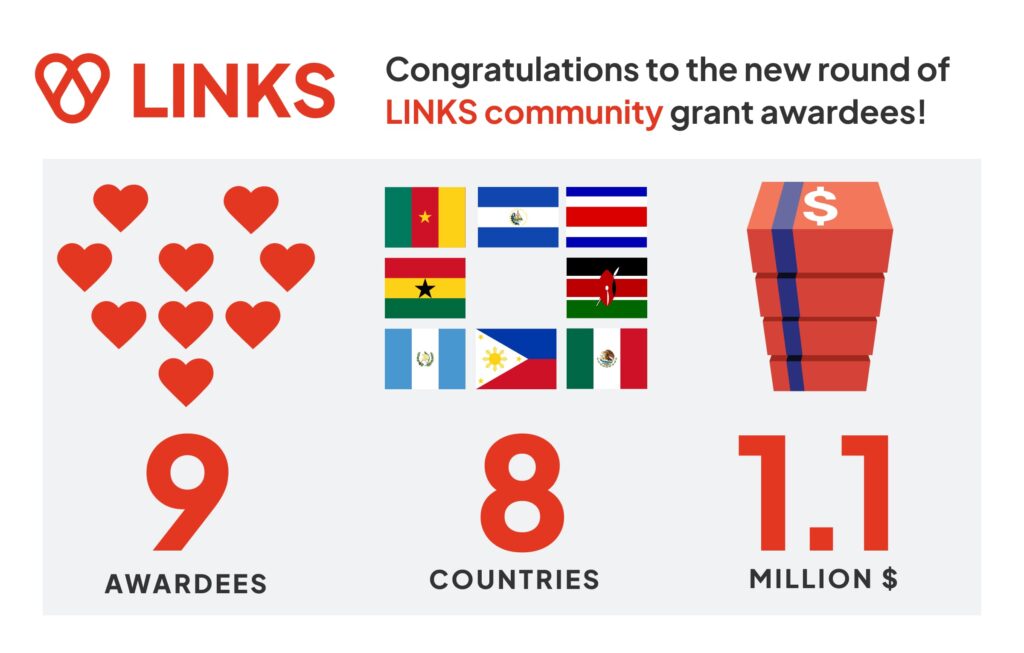
We announced nine recipients of LINKS third round of grant funding. Over $1.1 million was awarded to projects in eight countries that will expand care for high blood pressure and support trans fat elimination and sodium reduction policies.
The Future of Global Health Security: Lessons Learned from Preparedness and Response

Leaders from Norway, Uganda, PAHO and representatives from USAID and the International Federation of Red Cross joined us in a virtual event to discuss the need for increased investments in pandemic preparedness and better governance. You can watch the full event here.
Strengthening Primary Healthcare for Increasing Population Health Resilience
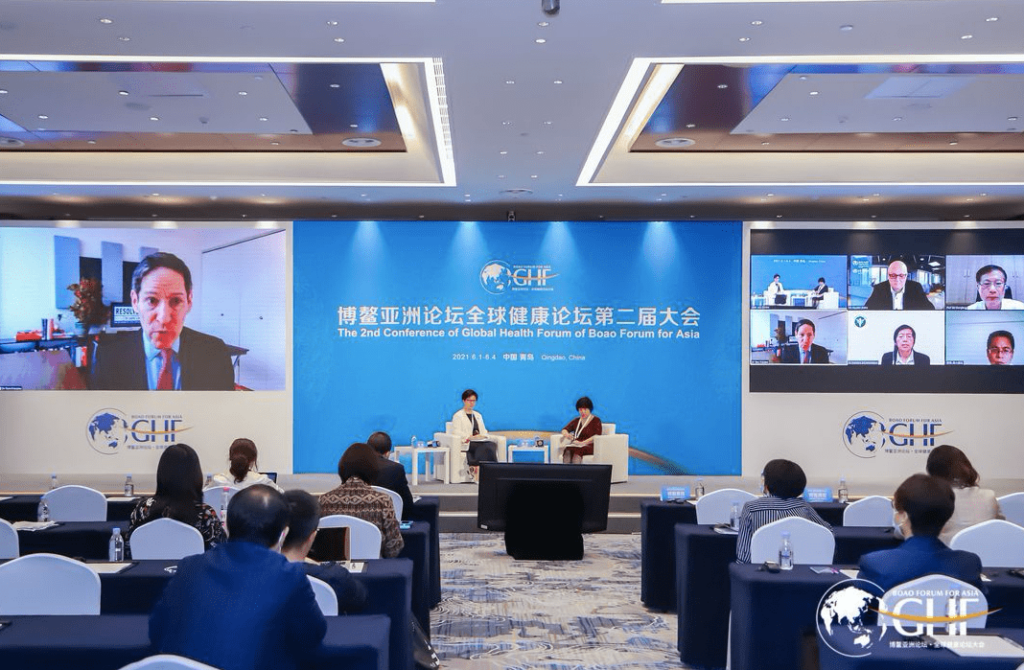
At the second Global Health Conference of Bo’ao Forum for Asia in China, Dr. Tom Frieden presented a keynote discussing how primary healthcare is the most needed, and the most neglected aspect of global health systems. Panelists from WHO China and Thailand spoke of population health resilience and cases of strengthening primary healthcare systems.
Highlighting the importance of healthcare workers
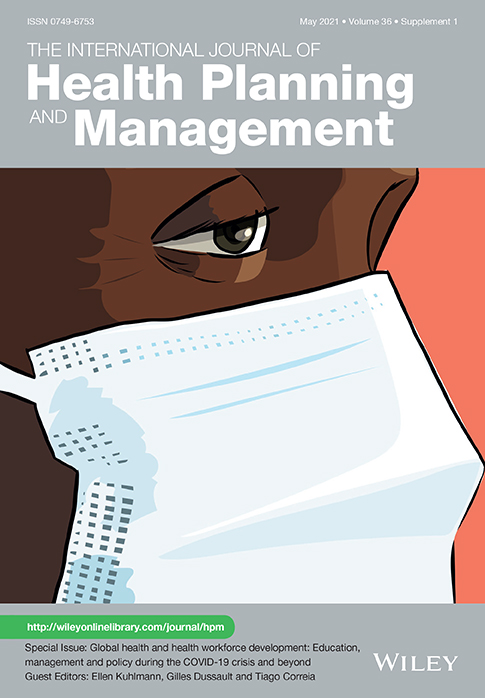
The May 2021 edition of the International Journal of Health Planning and Management included an article written by the Prevent Epidemics team on our report, Protecting healthcare Workers: A Need for Urgent Action, and featured artwork from the report as the cover image.
COVID-19 / In-Depth Science Review: June 4, 2021
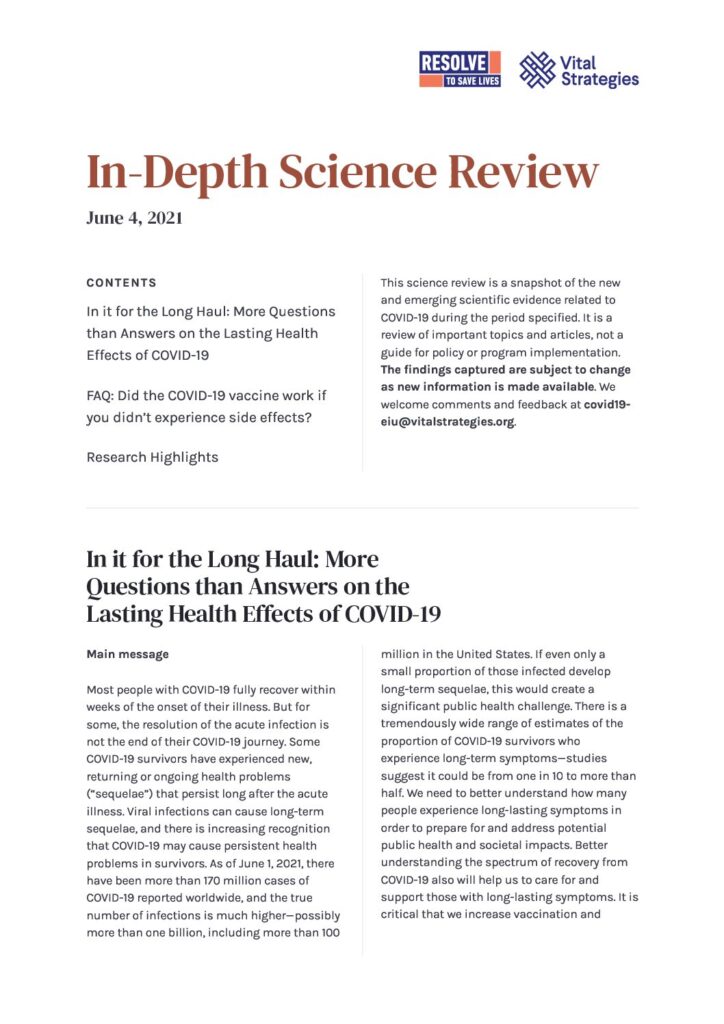
In it for the Long Haul: More Questions than Answers on the Lasting Health Effects of COVID-19 This science review is a snapshot of the new and emerging scientific evidence related to COVID-19 during the period specified. It is a review of important topics and articles, not a guide for policy or program implementation. The findings […]
Taming the World’s Leading Killer: High Blood Pressure
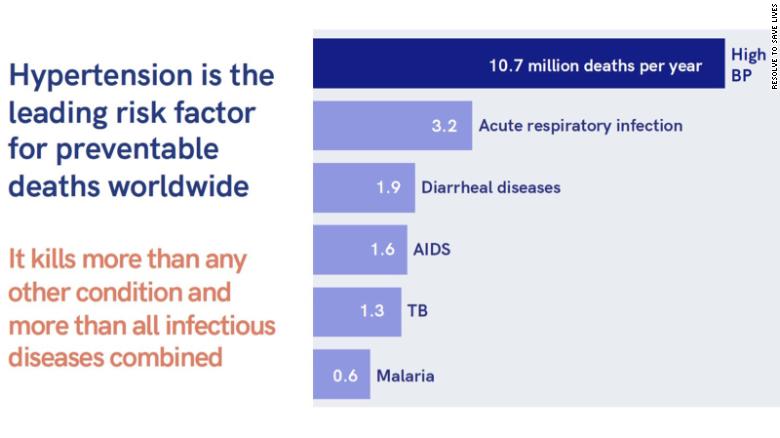
Our President and CEO Dr. Tom Frieden released an OpEd on CNN about the urgent need to address high blood pressure and what we can do to stop this killer: lower daily salt consumption and promote proper treatment and medications.
Statement by Dr. Tom Frieden on the Biden Administration’s Announcement to Donate COVID-19 Vaccines
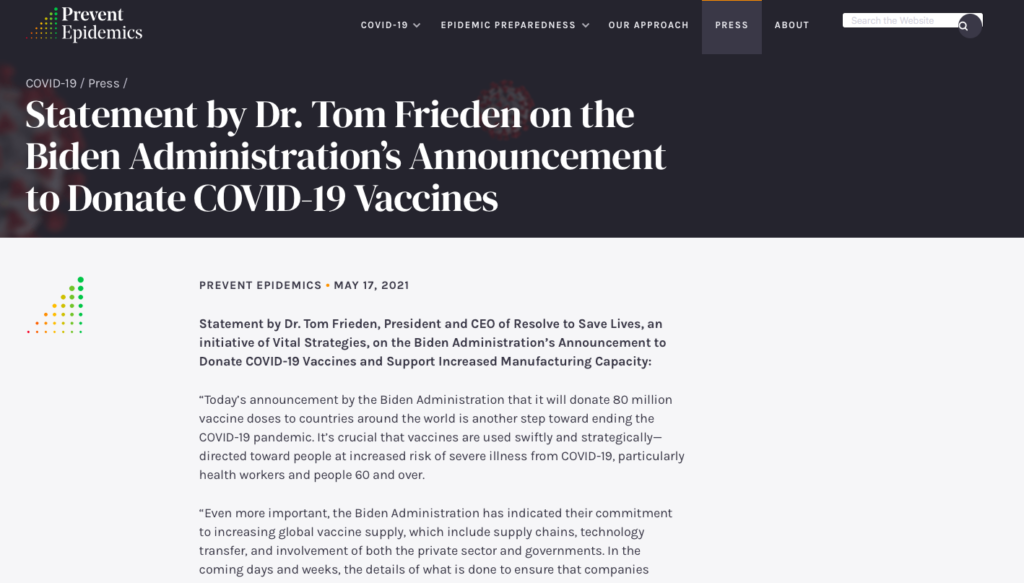
The Biden Administration announced it will share 80 million vaccine doses for the global vaccination effort. Dr. Tom Frieden said that not only is this another step towards ending the Covid pandemic, but it’s crucial these vaccines are used strategically and, “directed toward people at increased risk of severe illness from COVID-19, particularly health workers […]
New lives saved calculator models the impact of cardiovascular health interventions
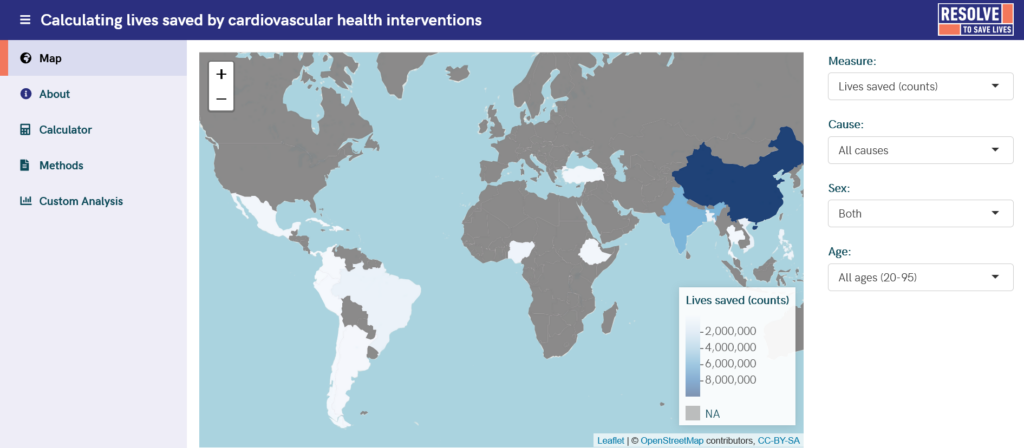
On World Hypertension Day, we launched a new tool with the University of Washington to help policymakers, advocates and health experts visualize how millions more lives can be saved when countries adopt evidence-based hypertension prevention and treatment policies. The new tool models the number of lives that could be saved by the year 2040 when […]
New Global Sodium Benchmarks for Different Food Categories
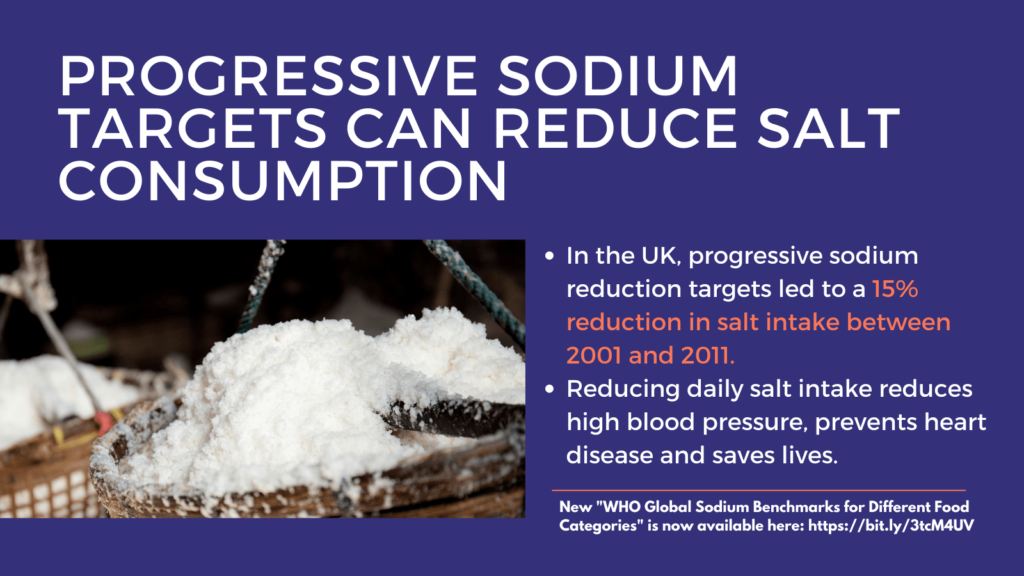
We supported the launch of WHO’s new Global Sodium Benchmarks for Different Food Categories . The benchmarks are a guide for countries and industry to reduce the sodium content in 18 categories of processed foods, which are a primary or rapidly increasing source of sodium in many countries. This is an important step toward meeting […]
Epidemics That Didn’t Happen
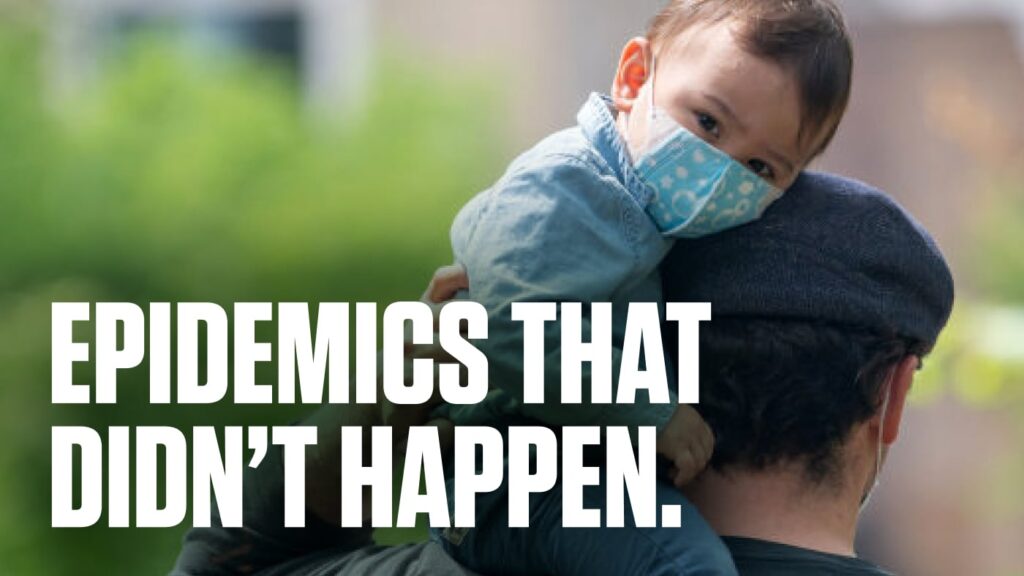
Our report features eight inspiring stories of Epidemics That Didn’t Happen, or whose impact was lessened, because of planning and action. As the world continues efforts to better prepare for the next disease threat, these stories serve as a reminder that we can do better.
How genomic surveillance helps us understand SARS-CoV-2
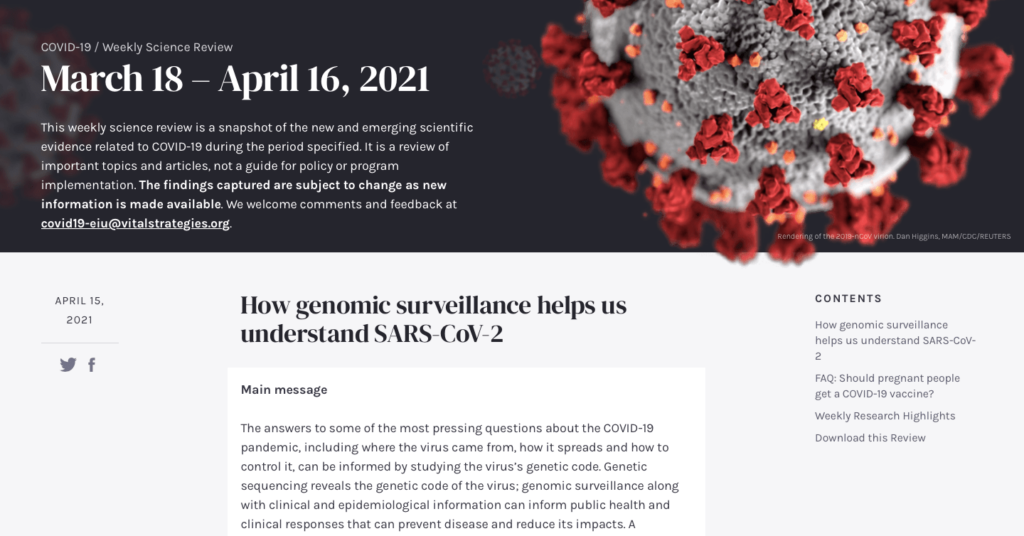
In a Weekly Science Review, our Prevent Epidemics team discusses how genomic surveillance is used to study the COVID-19 virus and answers some of the most pressing questions about the pandemic.
New research shows impact of heart disease prevention in low- and middle-income settings
The latest Journal of Clinical Hypertension features new research on programs supported by Resolve to Save Lives in Thailand, India and Latin America. These studies highlight creative and scalable patient-facing programs and public health solutions to improve heart health in lower- and middle- income countries.
Request for Proposals Open – Trans Fat Advocacy Mini Grants
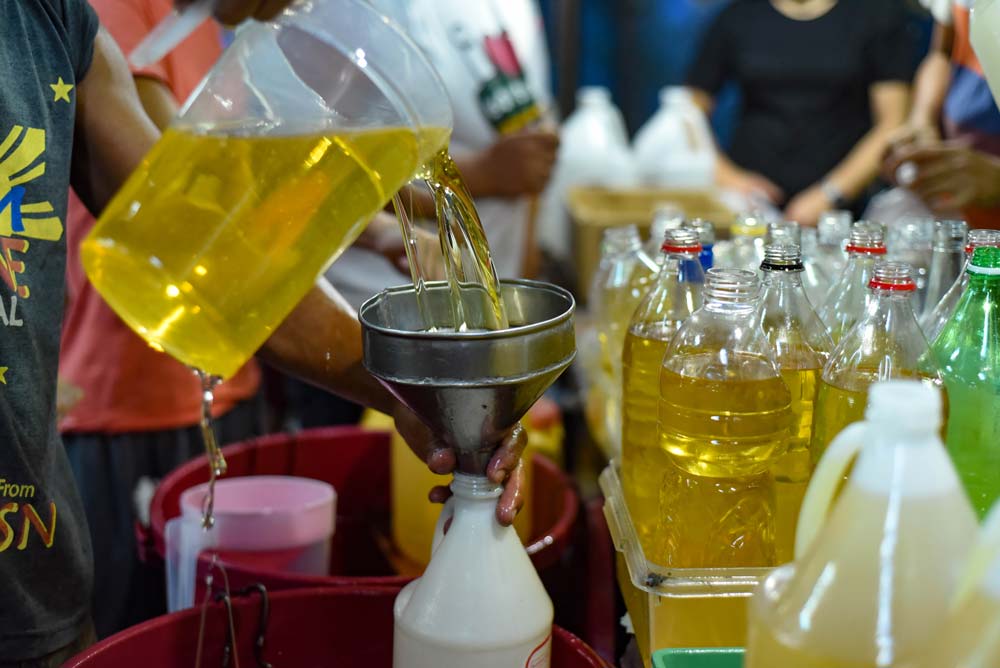
We announced our request for proposals for advocacy activities to accelerate best-practice trans fat elimination policies, including engagement with policy makers and influencers. Proposals are due May 20th. Download the complete Request for Proposals here.
Statement from Dr. Tom Frieden on Global Trans Fat Elimination Progress

On April 1, regulations banning artificial trans fat in food products went into effect in the European Union, bringing the global number of people protected by best practice trans fat elimination policies to 2.9 billion. Our President and CEO Dr. Tom Frieden released a statement on the growing momentum for eliminating artificial trans fats and […]
New Online Course on Global Sodium Reduction Strategies
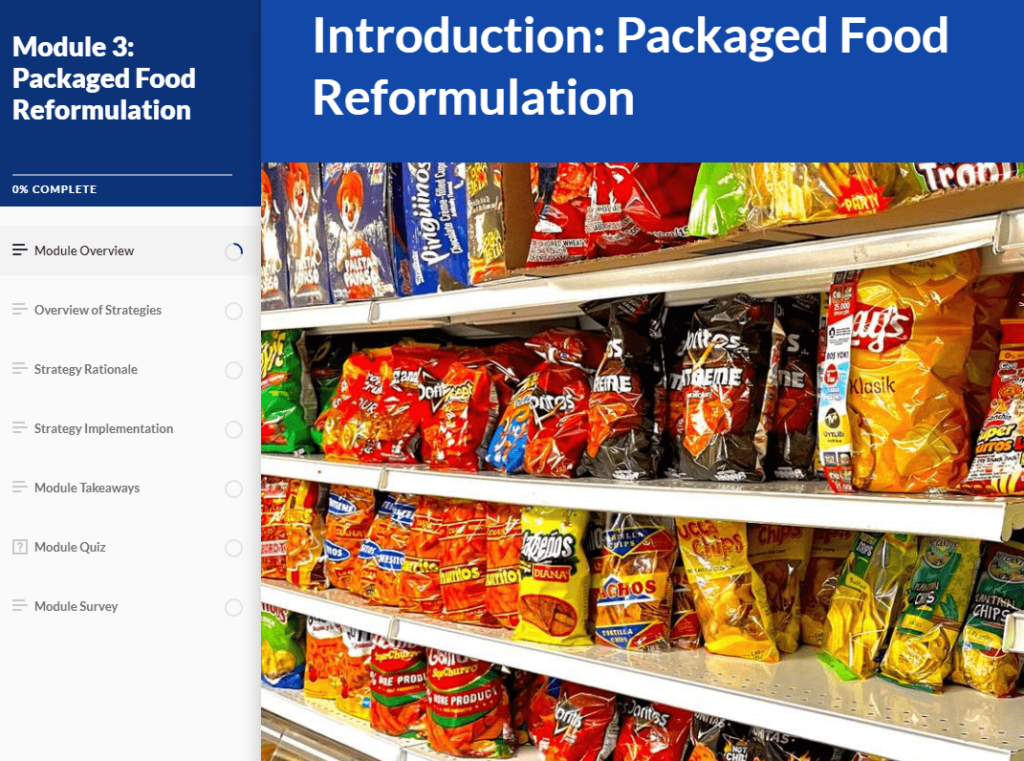
Johns Hopkins University launched a free online course that connects program managers and policy makers with evidence-based strategies and practical tools to implement salt reduction initiatives, including promotion of low-sodium salt and public procurement policies, in their communities.
Why Even Well Prepared Countries Failed the Pandemic Test
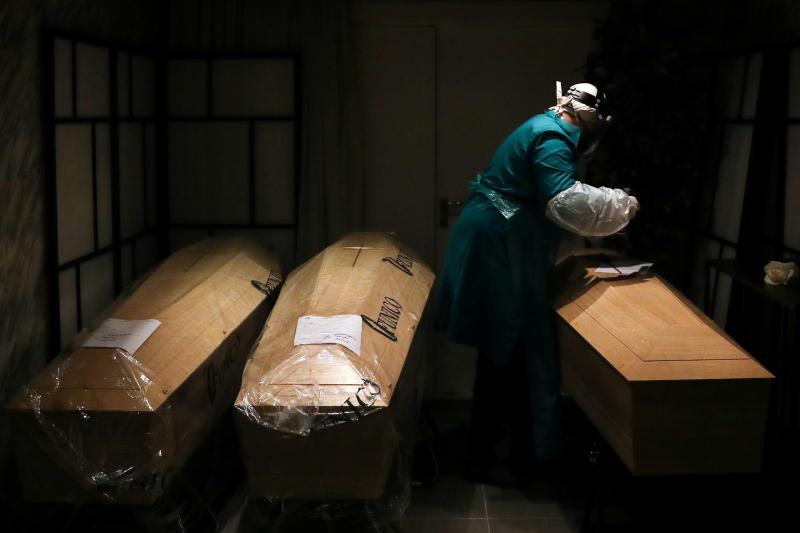
In 2016, the WHO created the Joint External Evaluation (JEE) to assess a country’s level of preparedness in meeting its obligations under the International Health Regulations. Though the United States and the United Kingdom scored highly, neither of these countries have responded successfully to COVID-19. Dr. Tom Frieden speaks on how bad politics can undermine […]