COVID-19 / In-Depth Science Review: March 18 – April 16, 2021
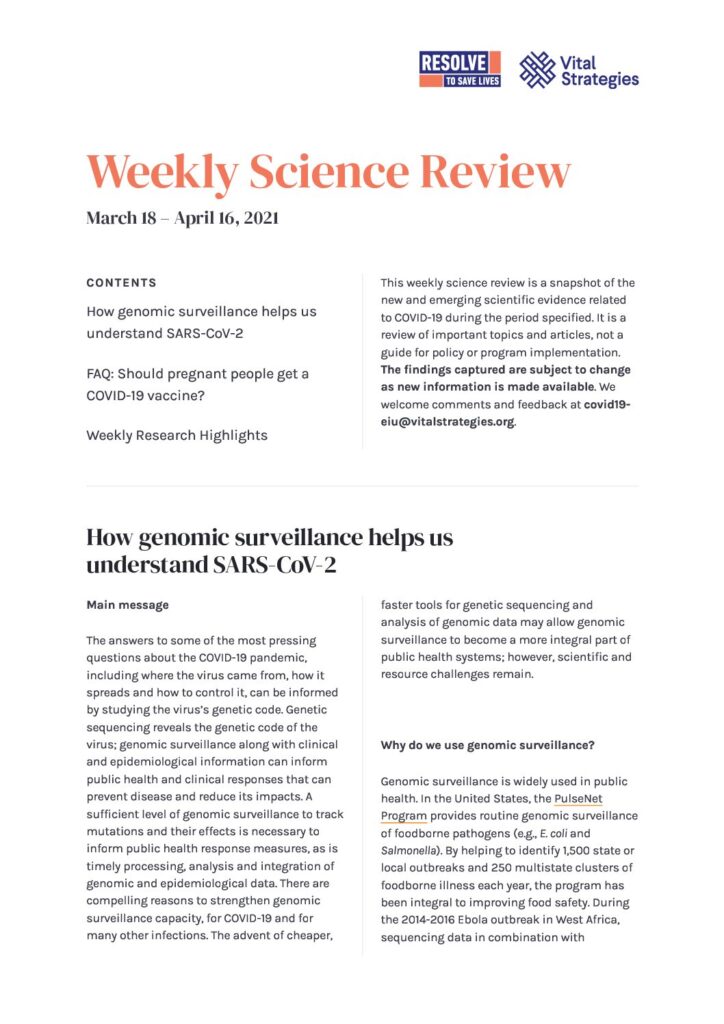
How genomic surveillance helps us understand SARS-CoV-2 This science review is a snapshot of the new and emerging scientific evidence related to COVID-19 during the period specified. It is a review of important topics and articles, not a guide for policy or program implementation. The findings captured are subject to change as new information is made […]
Salt Awareness Week 2021
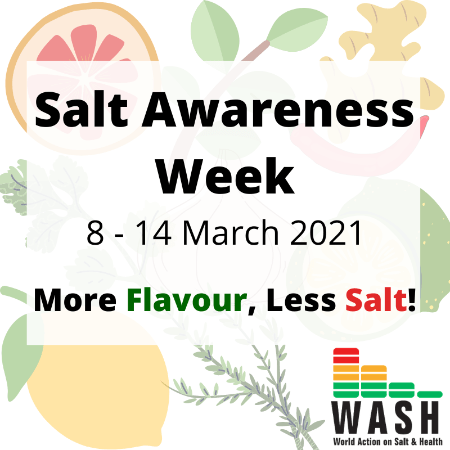
For this year’s Salt Awareness Week, we partnered with World Action on Salt, Sugar and Health (WASSH) on a joint webinar highlighting successful salt reduction initiatives from grantee partners in Sri Lanka, Malaysia and Morocco.
Celebrating International Women’s Day
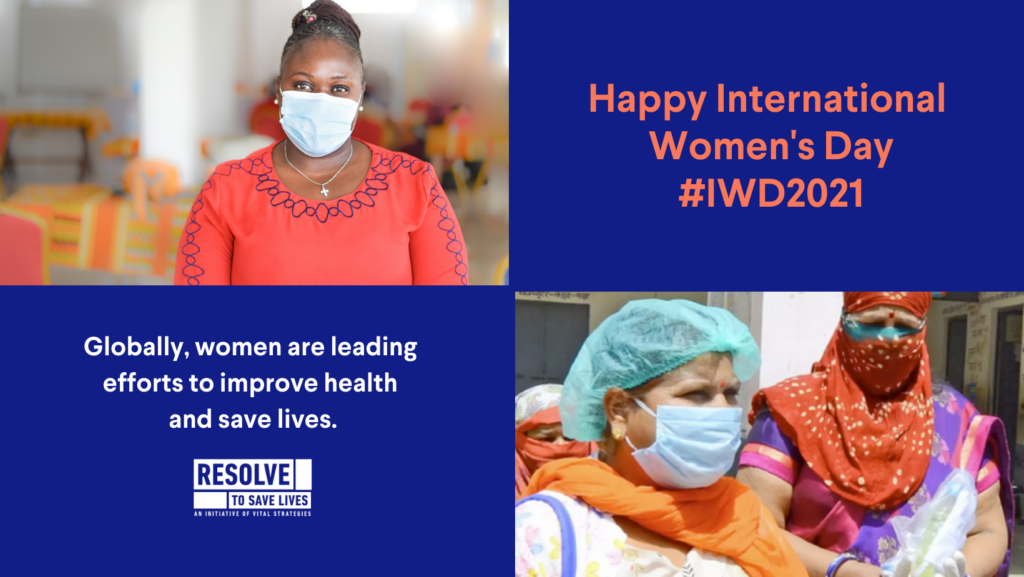
From training health workers in Liberia to addressing hypertension in India, women are working to create a healthier, more equal world. On International Women’s Day, we celebrate their achievements.
COVID-19 / In-Depth Science Review: February 22 – March 2, 2021
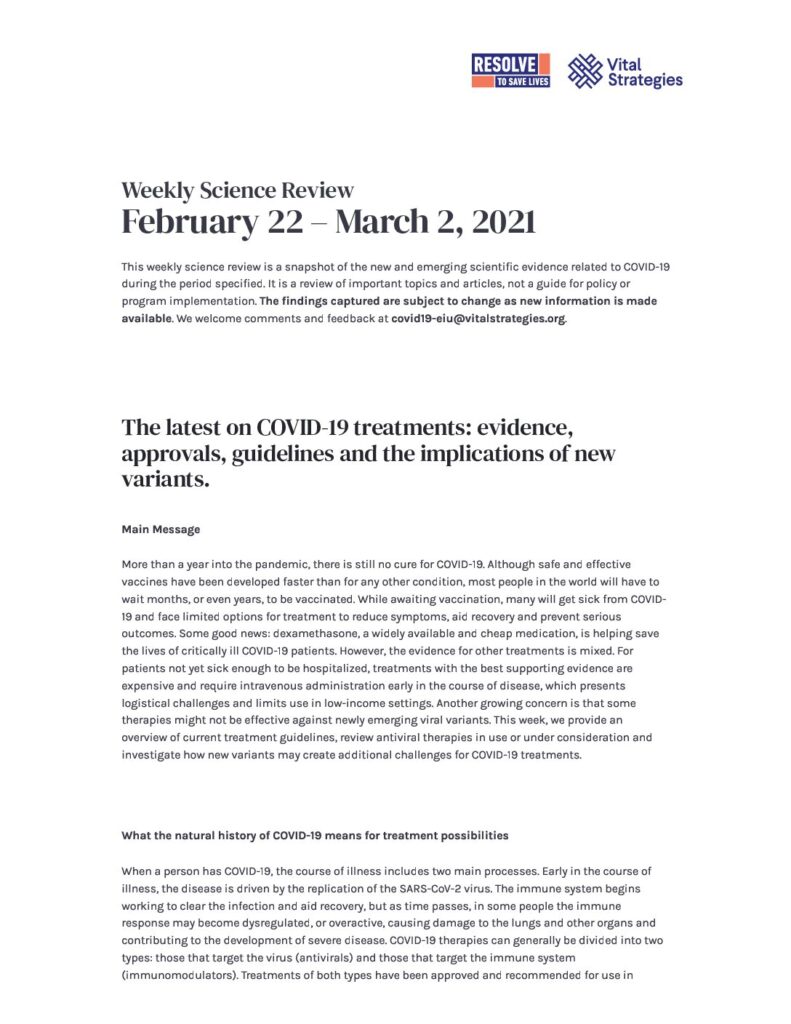
The latest on COVID-19 treatments: evidence, approvals, guidelines and the implications of new variants. This science review is a snapshot of the new and emerging scientific evidence related to COVID-19 during the period specified. It is a review of important topics and articles, not a guide for policy or program implementation. The findings captured are subject […]
Now or Never

On February 25, 2020, Resolve to Save Lives predicted that a COVID-19 pandemic was inevitable. In his Annual Letter, President and CEO Dr. Tom Frieden writes how simplicity, speed, and scale have defined Resolve to Save Lives’ response to COVID-19 and our fight against cardiovascular disease. Read to learn more about how the world can […]
COVID-19 / In-Depth Science Review: January 30 – February 17, 2021
In depth: Should second doses of COVID-19 vaccines be delayed? This science review is a snapshot of the new and emerging scientific evidence related to COVID-19 during the period specified. It is a review of important topics and articles, not a guide for policy or program implementation. The findings captured are subject to change as new […]
Will We Be Ready for the Next Pandemic?
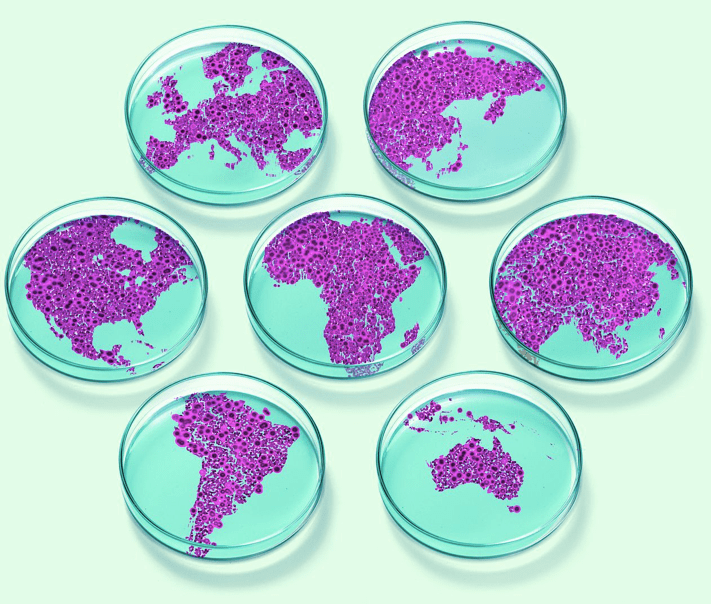
If the world wasn’t prepared for COVID-19, how can we prepare for the next pandemic? President and CEO of Resolve to Save Lives, Dr. Tom Frieden, proposes six urgent steps: 1) Set a goal for early warning and response 2) Bolster the capacity of countries to prepare and respond 3) Let global institutions focus on […]
Defining collaborative surveillance to improve decision making for public health emergencies and beyond
Public health emergencies such as COVID-19 and other large-scale outbreaks (cholera, measles, and mpox) are occurring with increasing frequency, magnitude, and complexity, compounded by devastating natural disasters, conflicts, and other humanitarian crises. Timely and effective intelligence is vital for decision-makers to assess risks, prepare, and respond appropriately. Experts from Resolve to Save Lives and partners […]
Food Fight: Fighting for Healthier Food is a Life-or-Death Struggle

Poor quality nutrition kills more than 10 million people every year. Governments need to make improving nutrition quality a public health priority by focusing on four changes: 1) Eliminating artificial trans fat, 2) Reducing sodium intake, 3) Increasing potassium intake, and 4) Limiting added sugar. Read more from our Resolve to Save Lives team.
COVID-19 / In-Depth Science Review: January 16th-29th, 2021
Should everyone wear medical masks to prevent the spread of COVID-19? This science review is a snapshot of the new and emerging scientific evidence related to COVID-19 during the period specified. It is a review of important topics and articles, not a guide for policy or program implementation. The findings captured are subject to change as […]
African countries show why leadership matters in pandemic response
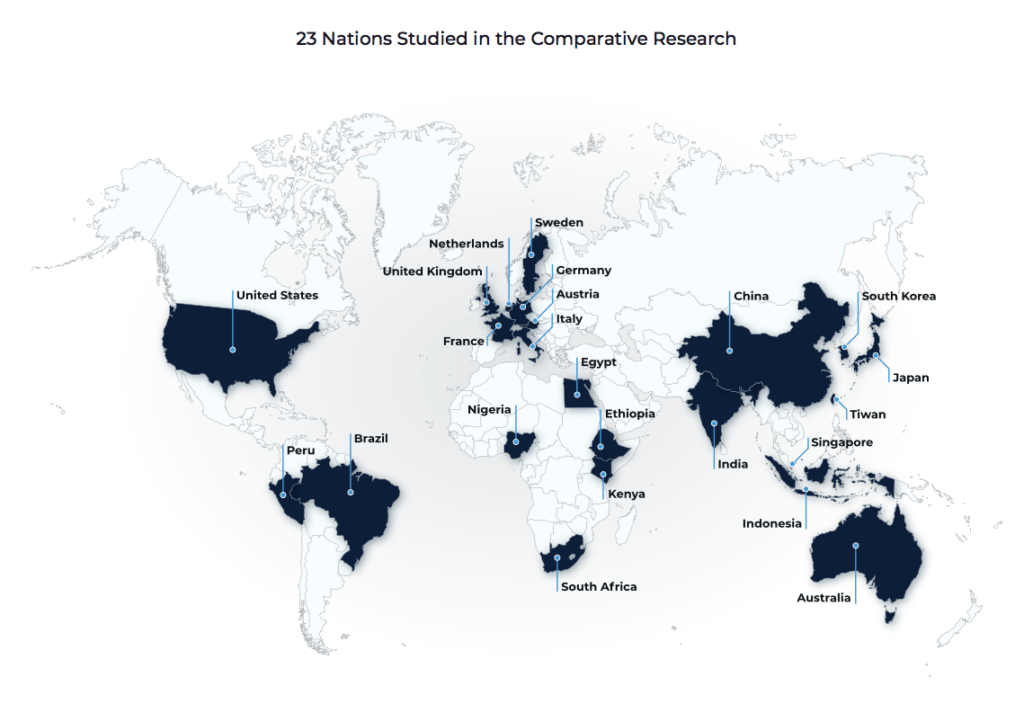
A 23-Nation Comparative Study of COVID-19 Response shows African countries exemplified a multilateral approach to pandemic response and experienced better outcomes than countries with far more resources.
Protecting healthcare Workers: A Need for Urgent Action
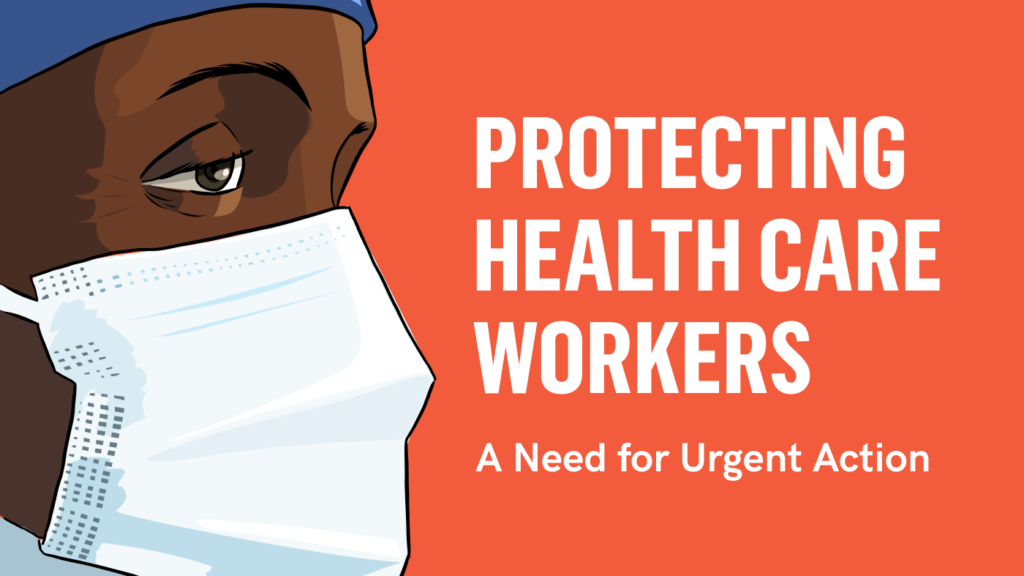
Resolve to Save Lives and partners launched a new report detailing the persistent problem of high rates of infection and death among healthcare workers, the cost of these failures, and recommendations on how to move forward.
Action framework for developing and implementing public food procurement and service policies for a healthy diet
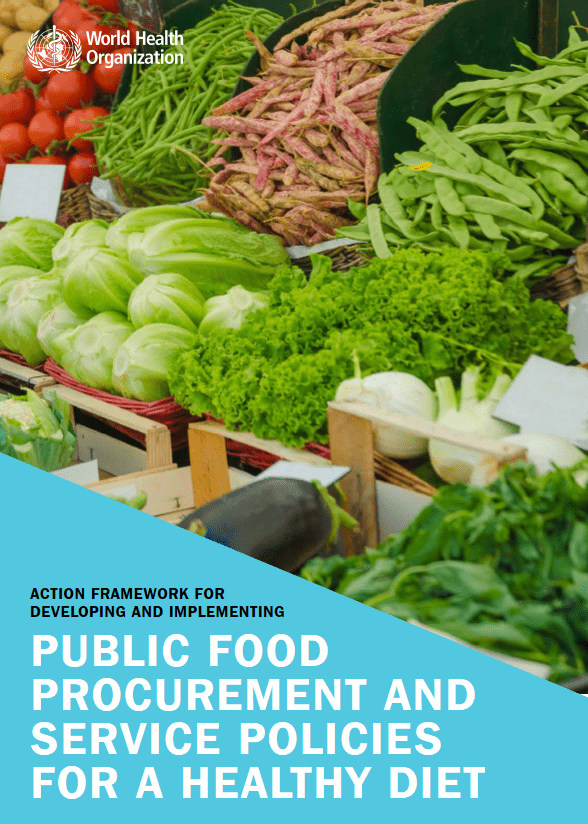
In partnership with the World Health Organization, we developed a guide on implementing nutritional standards to make healthy food choices the default option in public settings such as schools, government work places and child care centers.
COVID-19 / Revisão Científica Aprofundada: 19 de dezembro de 2020 a 8 de janeiro de 2021
Os primeiros resultados da vacinação contra a COVID-19 Esta revisão científica é um panorama das novas e emergentes evidências científicas relacionadas à COVID-19 durante o período especificado. Trata-se de uma revisão de tópicos e artigos importantes, não um guia para a implementação de políticas ou programas. Os resultados obtidos estão sujeitos a alterações à medida […]
Protecting healthcare Workers: A Need for Urgent Action

Our report details the problems affecting our healthcare workforce and key actions that governments, health systems and funders must take to address them.
How do local-level authorities engage in epidemic and pandemic preparedness activities and coordinate with higher levels of government? Survey results from 33 cities
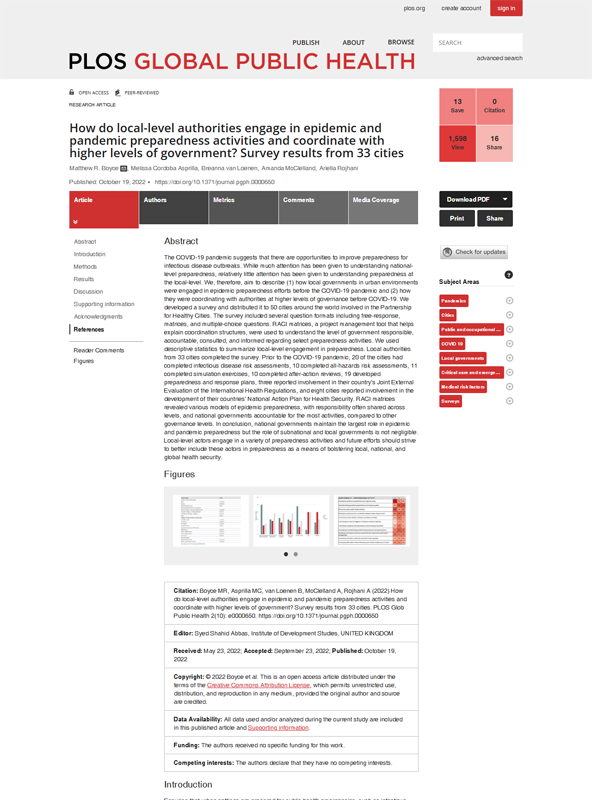
Engaging local governments in epidemic preparedness will strengthen global health security by ensuring better coordination between local and national authorities. Writing in PLOS Global Public Health, Resolve to Save Lives and partners explore local-level involvement in epidemic preparedness before the COVID-19 pandemic. The research, based on responses from 33 cities in the Partnership for Healthy […]
WHO announces first-ever certificate program for trans fat elimination

We supported the launch of WHO’s first-ever certification program for countries that have enacted best policies for eliminating trans fat in their countries.
Why we need to eliminate artificial trans fat from the world’s food supply to save lives

“Meeting WHO’s ambitious goal of a world free of artificial trans fat by 2023…won’t be easy, especially given the ongoing global focus on the pandemic. But the time is right,” writes Resolve to Save Lives President and CEO Dr. Tom Frieden in Devex.
Six Steps for Scaling Up Effective Hypertension Management
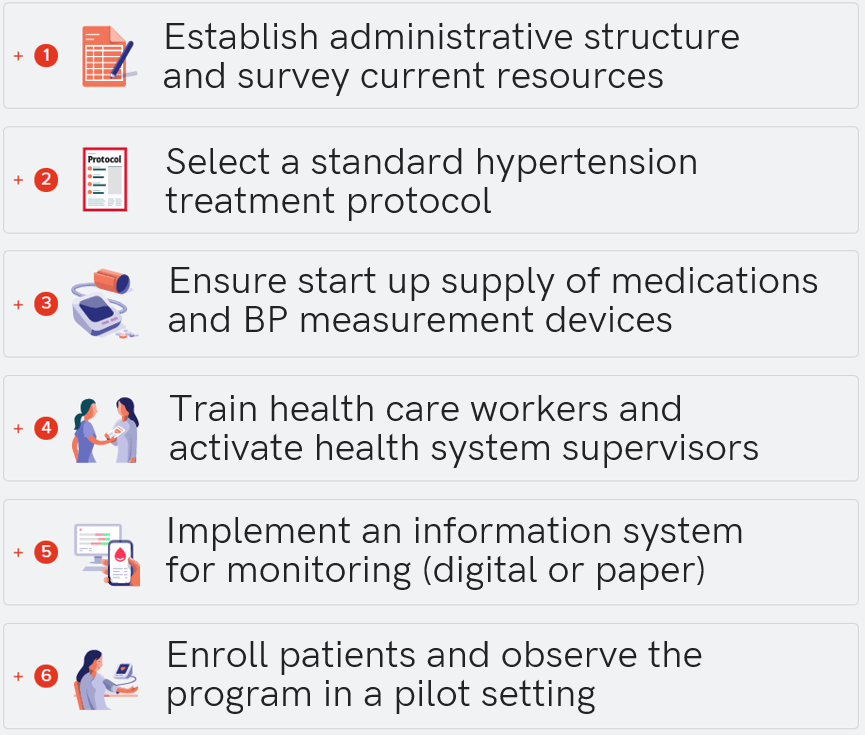
On World Hypertension Day, we launched a step-by-step guide for with tools and resources for hypertension control program managers.
More than 3 billion people protected from harmful trans fat in their food
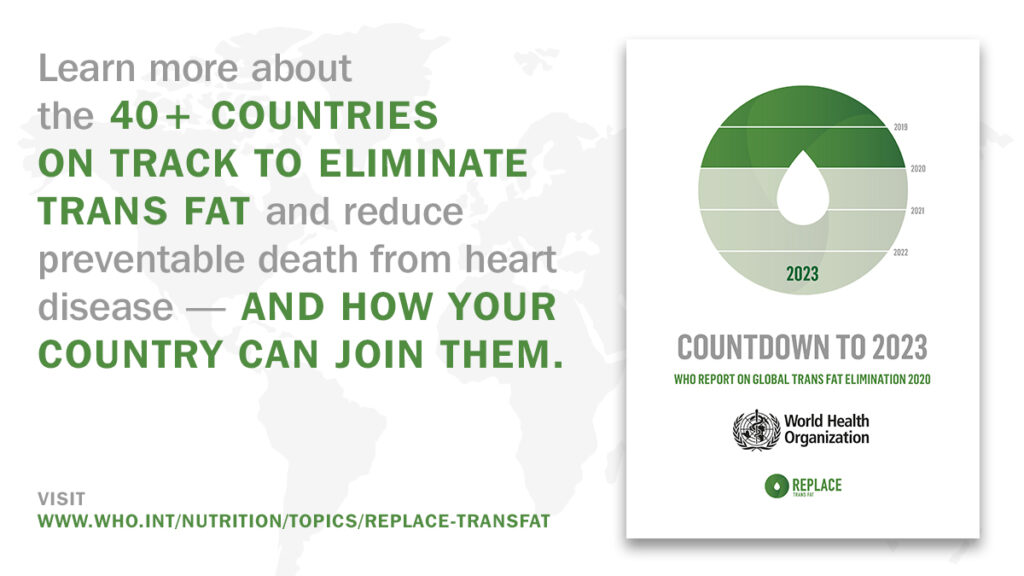
The second annual progress report for the REPLACE initiative highlights global progress toward the elimination of artificial trans fat. Watch the launch event here.
New Study: Hypertension Management Cost-Effective in Low- and Middle-Income Countries

A comprehensive review from Resolve to Save Lives and partnersomprehensive review from Resolve to Save Lives and partners, published in BMJ Global Health, found that most hypertension interventions are cost-effective in low- and middle-income settings.
New Special Section in Journal of Clinical Hypertension Authored by Investigators from Low- and Middle-Income Countries Fills Gap in Cardiovascular Health Research

Authors from eight low- and middle-income countries published articles evaluating our cardiovascular disease prevention initiatives after participating in a mentorship program with experts from the U.S. CDC, the Lancet Commission on Hypertension Group, Resolve to Save Lives, and the World Hypertension League.
Promoting mask-wearing

Check out our guidance for policymakers on how to encourage widespread use of masks to reduce the spread of COVID-19.
Priority Actions to Advance Population Sodium Reduction
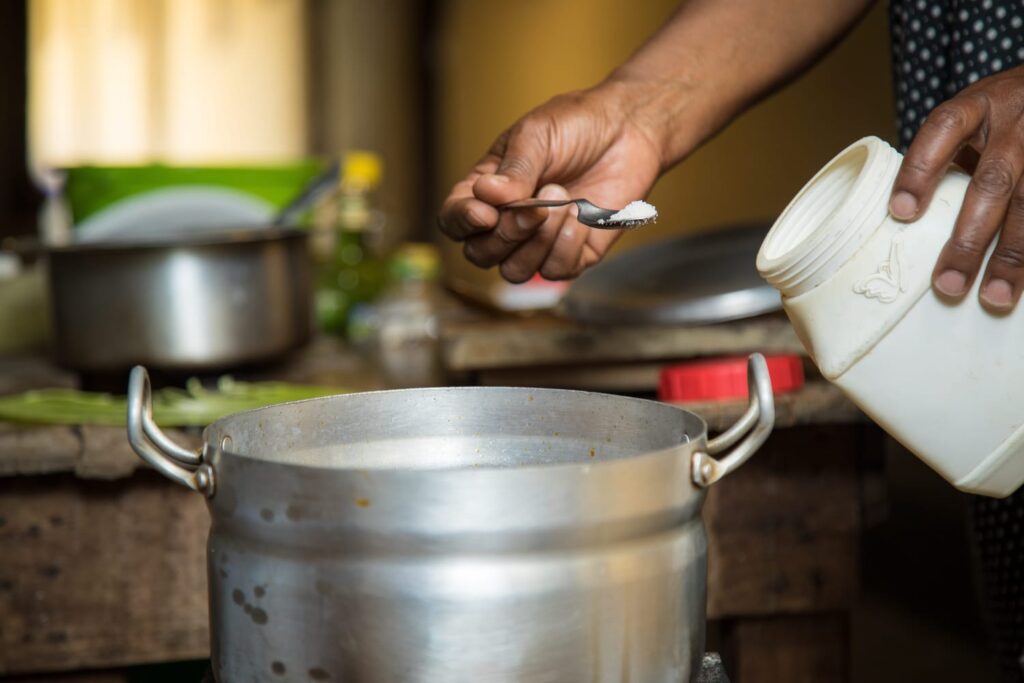
In a review published in Nutrients, we identified seven priority interventions to reduce salt intake and save lives: front-of-pack labeling, packaged food reformulation targets, regulating food marketing to children, taxes on high sodium foods, food procurement policies for public institutions, mass media campaigns and population uptake of low-sodium salt.
#WearAMask
Our team joined the #WearAMask challenge for World Mask Week.
New Grantees in Four Countries Will Save Lives by Improving Diets

Our newest grantees in Nepal, the Philippines, Togo and Uganda will support policies to make healthy choices easier by keeping junk food out of schools and other publicly-owned facilities.
During a Pandemic, Addressing Another Leading Killer

COVID-19 has disrupted all aspects of society, including the healthcare services that hypertension patients depend on to manage their condition. Learn more about how Resolve to Save Lives and partners are adapting to keep up care for hypertension and other chronic diseases.
Reducing Premature Mortality from Cardiovascular and Other Non-Communicable Diseases by One Third: Achieving Sustainable Development Goal Indicator 3.4.1

A paper authored by Resolve to Save Lives and Vital Strategies highlights how the world is not currently on track to reach its SDG 3.4.1 goal to reduce premature death from NCDs, but that it’s possible. Progress will require improvements to access to quality healthcare and medications and financial protections for health programs in addition […]
Protecting healthcare Workers
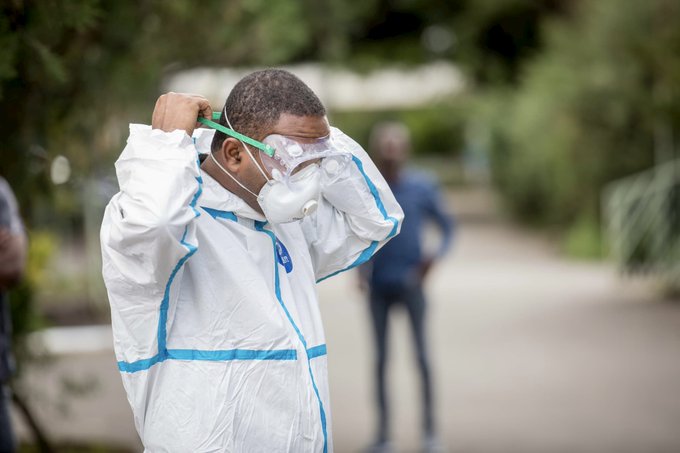
In a new paper in Health Security, we identify practical steps countries can take to protect health workers, curb COVID-19 and prepare for future epidemics.
Metrics That Matter
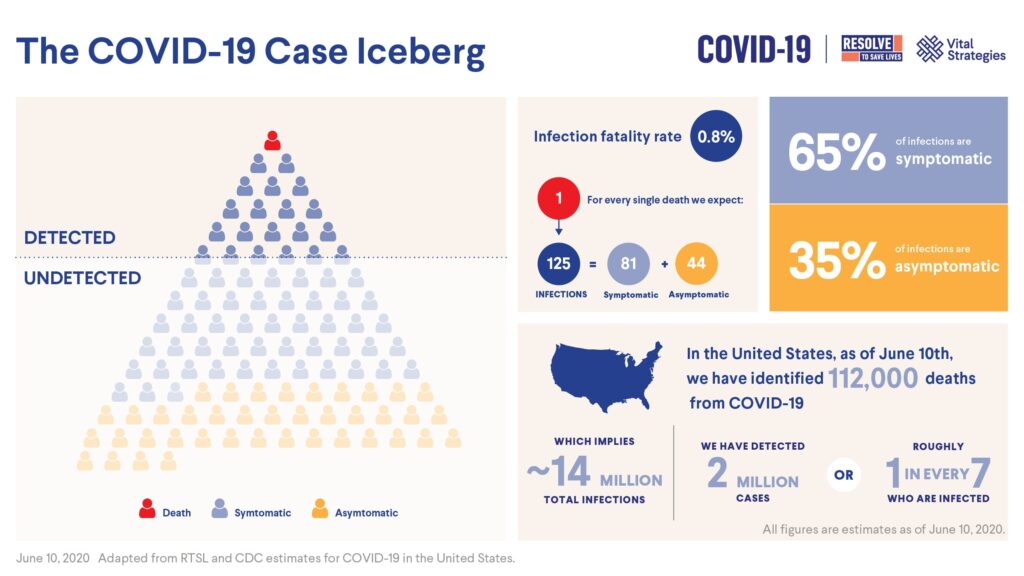
Our expert epidemiologists debunked myths about commonly reported COVID-19 data.