Protocol: Measuring Trans Fatty Acids in Human Serum or Plasma
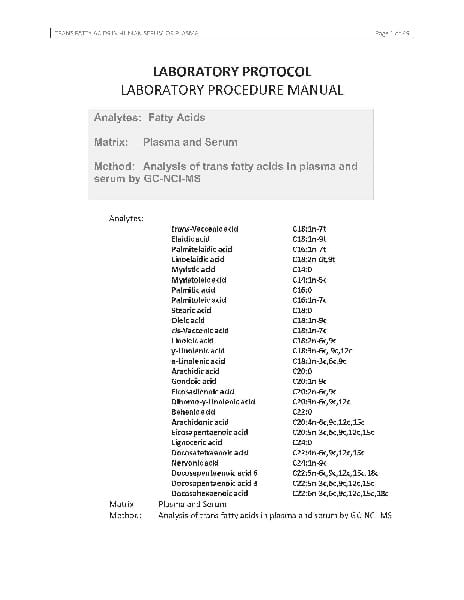
WHO REPLACE module A web resource
Surveying Trans-Fatty Acids in Human Population
WHO REPLACE module A web resource
WHO global sodium benchmarks for different food categories, 2nd ed

A document that updates the global sodium benchmarks developed in 2021 for different food categories to help reduce salt intake using country experiences (updated in 2024)
Systematic review on international salt reduction policy in restaurants
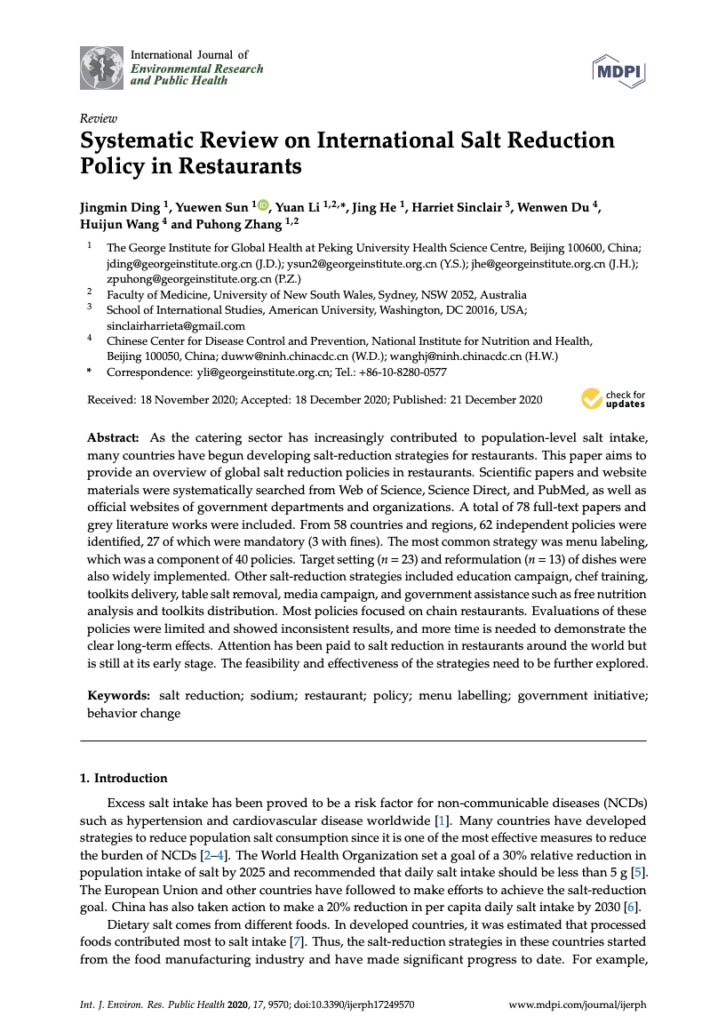
An article that provides an overview of global salt reduction policies in restaurants in many countries
Potassium-enriched salt substitutes as a means to lower blood pressure: benefits and risks
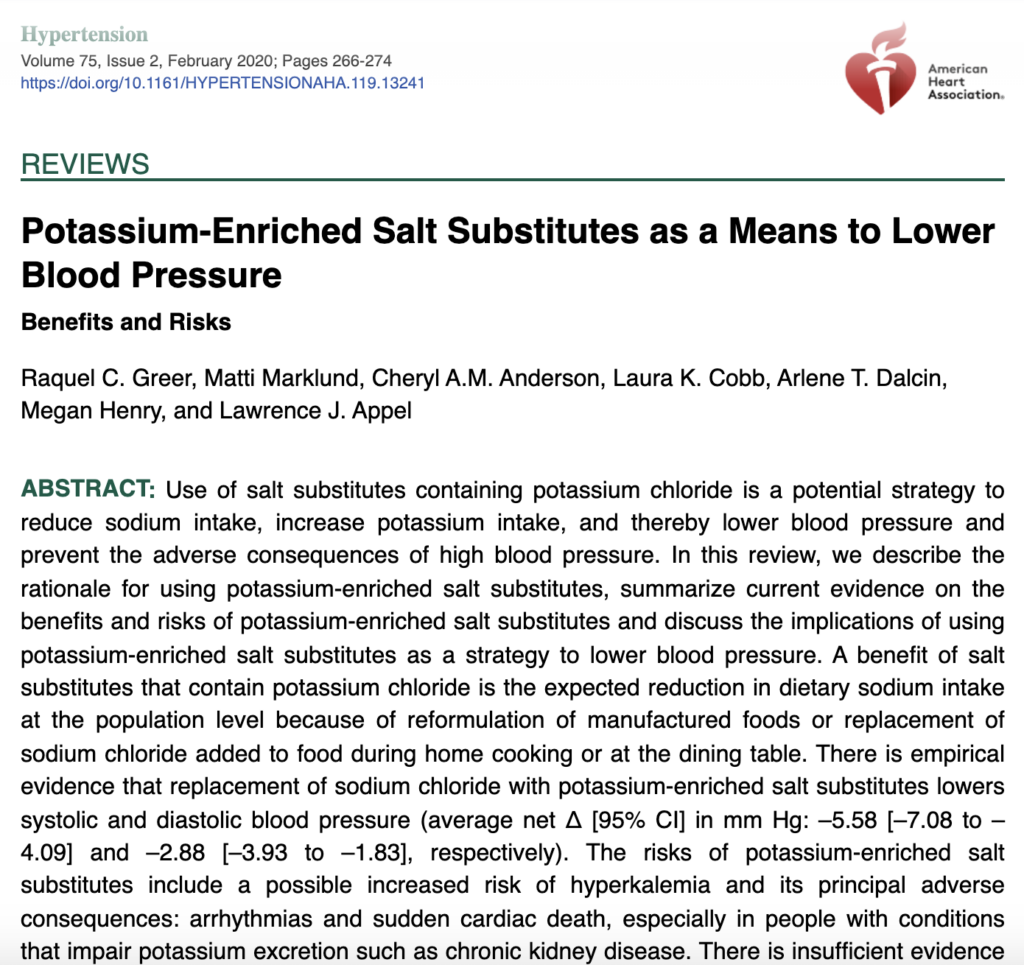
Article presenting the rationale, current evidence on benefits and risks, and implications for using potassium-enriched salt substitutes as a strategy to lower blood pressure.
NOURISHING database: Restrict food advertising and other forms of commercial promotion
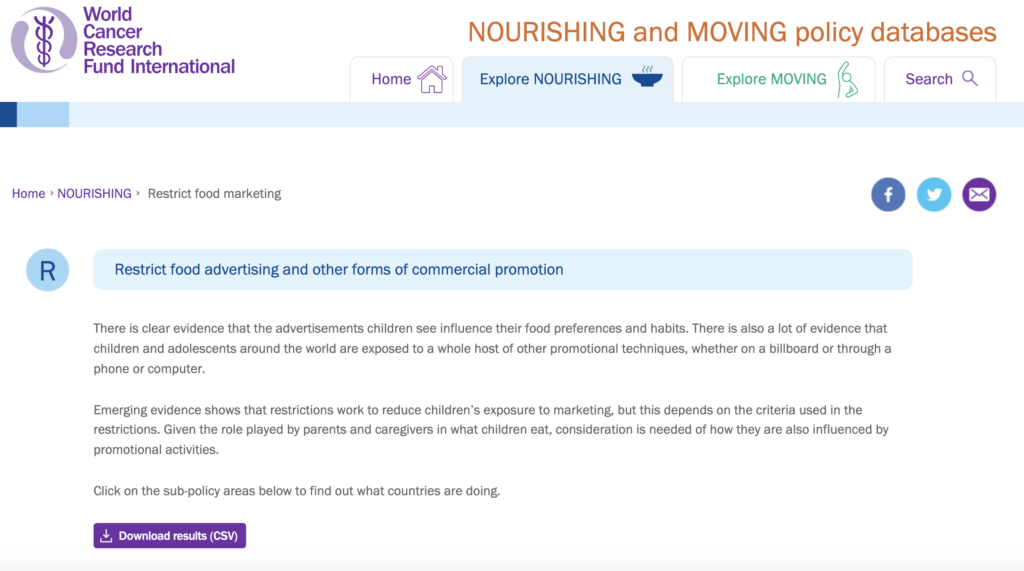
A collection of policies that different countries have in place to reduce children’s exposure to food marketing.
Food marketing exposure and power and their associations with food-related attitudes, beliefs and behaviours: a narrative review
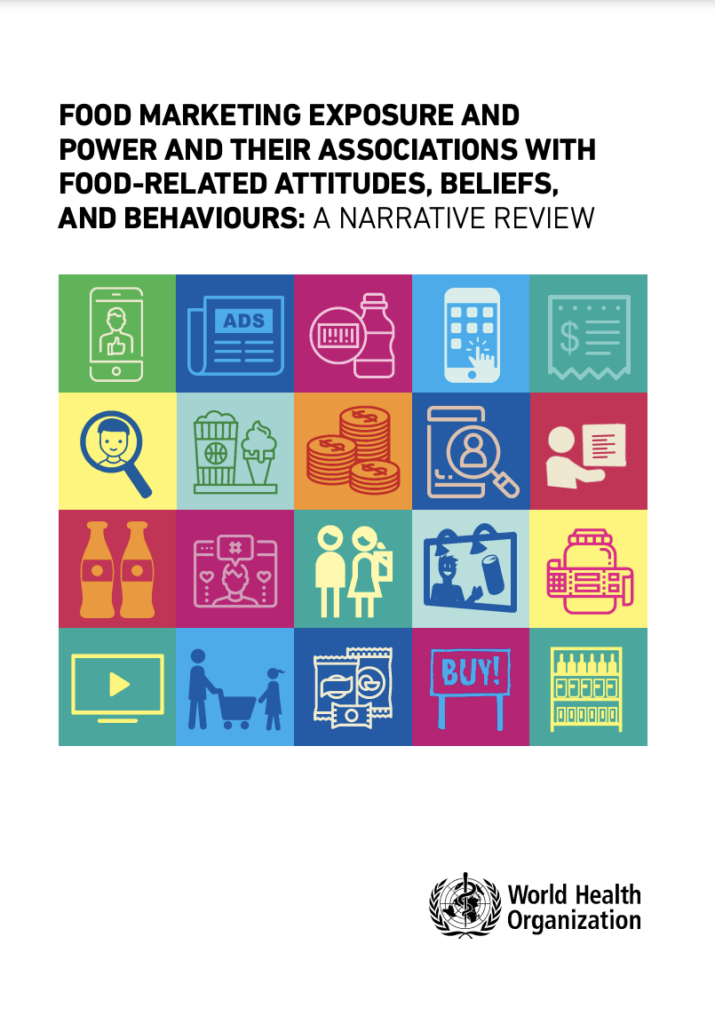
Outcomes of a narrative review conducted to update an earlier descriptive review published by WHO in 2009 on the extent, nature and effects of food marketing
Front-of-package labelling: Empowering consumers and promoting healthy diets
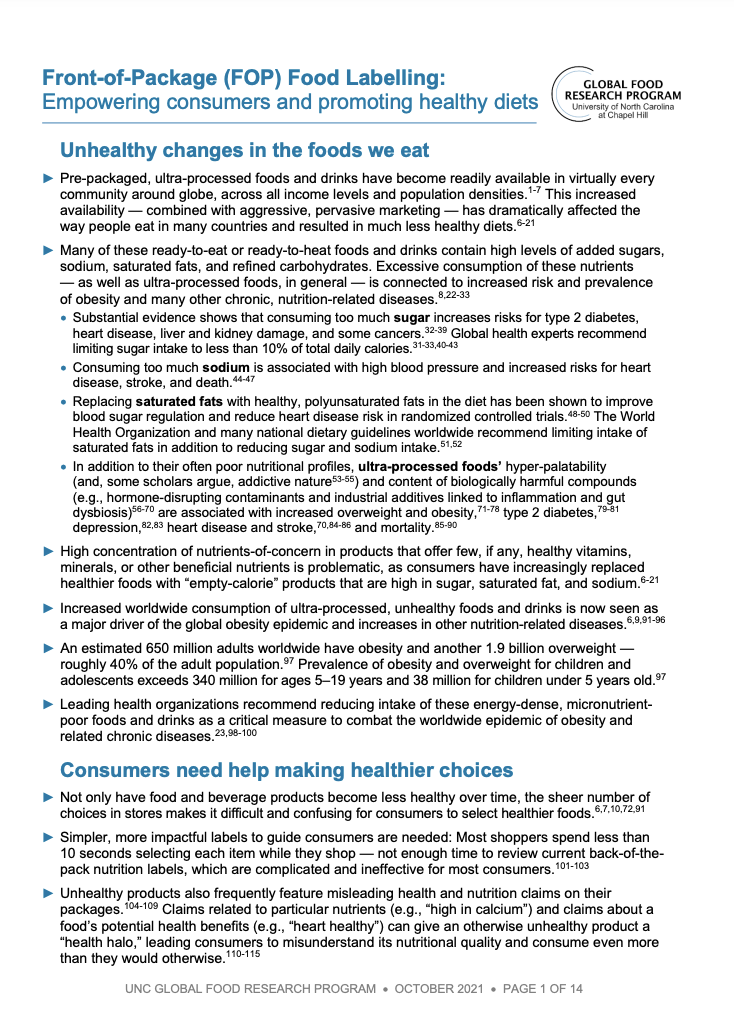
A fact sheet presenting evidence and progress of food labelling policies globally
Core strategies to increase the uptake and use of potassium-enriched low-sodium salt
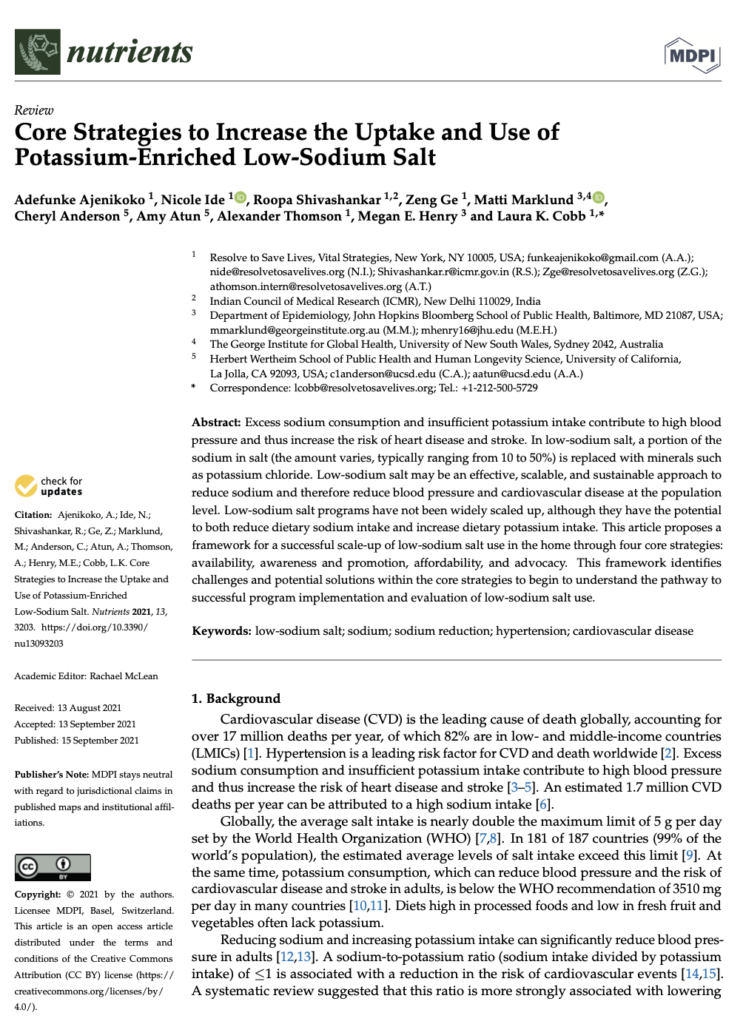
Proposes a framework for a scalable and sustainable approach of low-sodium salt use in the home and identifies challenges and potential solutions for effectiveness of this strategy
Understanding the science that supports population-wide salt reduction programs
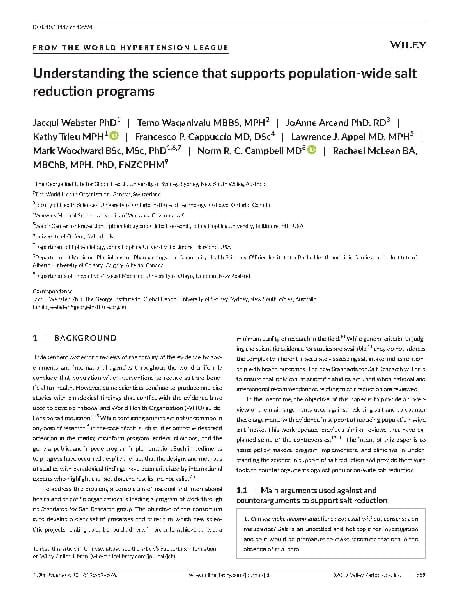
Article from the Journal of Clinical Hypertension on evidence for salt reduction
WHO guideline for the pharmacological treatment of hypertension in adults
Updated in 2021
Fundamentals for Implementing a Hypertension Program in Resource-Constrained Settings
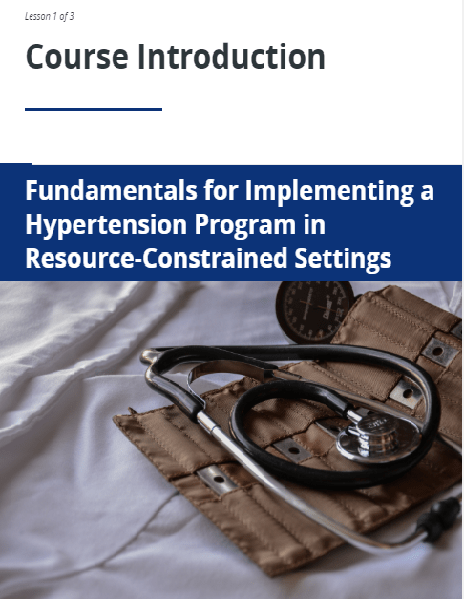
Online training course aimed at program managers and implementers
PAHO virtual course on the implementation of the HEARTS technical package
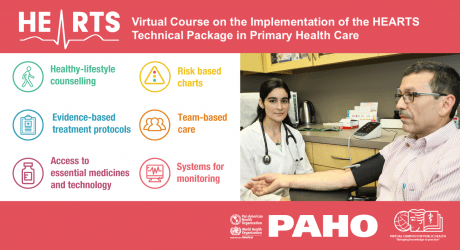
Online training course for primary care physicians, nurses and others health workers
Estimation of the global gap in clinic visits for hypertension care between patient need and physician capacity
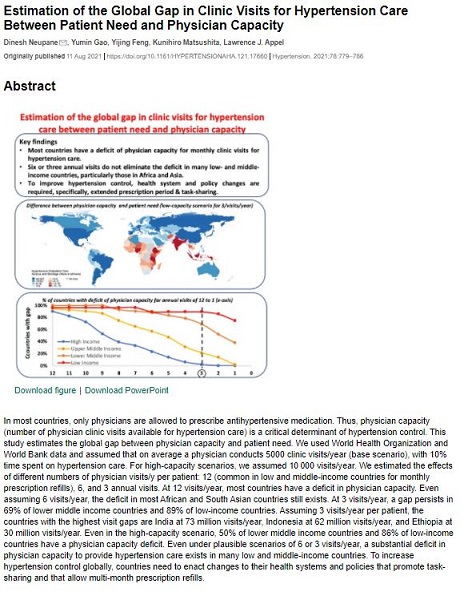
Article published in Hypertension Abstract In most countries, only physicians are allowed to prescribe antihypertensive medication. Thus, physician capacity (number of physician clinic visits available for hypertension care) is a critical determinant of hypertension control. This study estimates the global gap between physician capacity and patient need. We used World Health Organization and World Bank […]
Dyskalemia risk associated with fixed-dose anti-hypertensive medication combinations
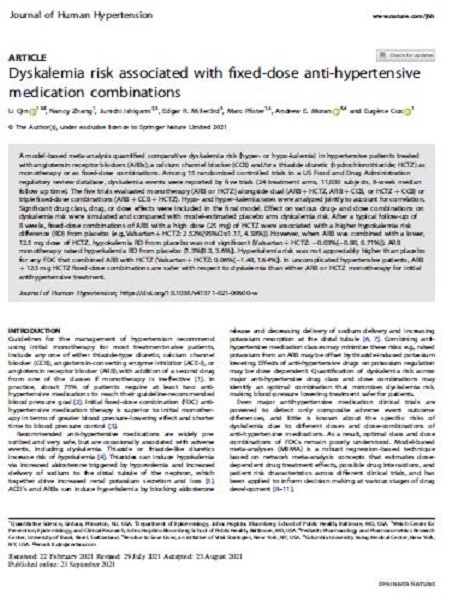
Article published in the Journal of Human Hypertension in September 2021
Recommended treatment protocols to improve management of hypertension globally
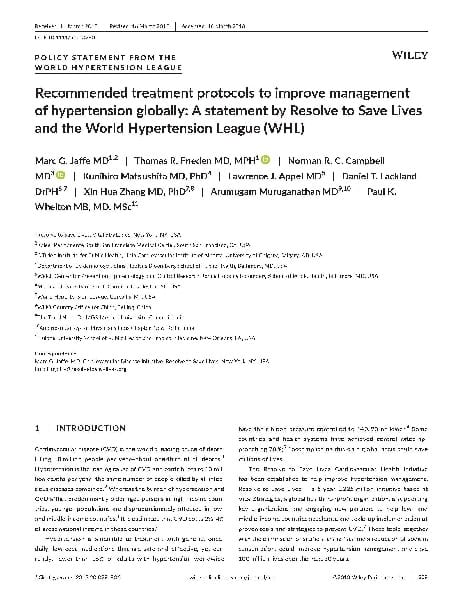
Position statement from Resolve to Save Lives and the World Hypertension League published in the Journal of Clinical Hypertension
Simple, practical hypertension treatment protocols (Spanish subtitles)
Video corto de Resolve to Save Lives sobre los protocolos simplificados de tratamiento (con subtítulos en español)
Simple, practical hypertension treatment protocols (Chinese subtitles)
决心工程出品
Template for developing a strategic advisory committee for hypertension prevention and control
Template with proposed members and terms of reference
Tool for the development of a consensus protocol for treatment of hypertension
WHO HEARTS package tool for treatment protocol development
Fixed‐dose combination pharmacologic therapy to improve hypertension control worldwide
Commentary published in the Journal of Clinical Hypertension
Ben Silbermann joins Resolve to Save Lives’ Board of Directors
April 6, 2023 (NEW YORK, USA)—Resolve to Save Lives (RTSL), a global health organization focused on preventing 100 million deaths from cardiovascular disease and making the world safer from epidemics, today announced the appointment of Ben Silbermann, Co-Founder and Executive Chairman of Pinterest, to the RTSL Board of Directors. “We are thrilled to have Ben […]
Sodium reduction policies could save 7 million lives by 2030
WHO’s first-ever Global Report on Sodium Intake Reduction shows that the world is off-track.
Massive efforts needed to reduce salt intake and protect lives
“Countries must work urgently to implement ambitious, mandatory, government-led sodium reduction policies to meet the global target of reducing salt consumption by 2025,” said Dr Tom Frieden.
Resolve to Save Lives announces Precious Matsoso appointed to Board of Directors
“I am honored to join Resolve to Save Lives as a new Board Director at this pivotal moment in the trajectory of the organization,” said Matsoso.
Resolve to Save Lives Announces Dr. Iruka Okeke to Join Its Nigeria Board of Directors
“I’m excited to contribute to an organization that has made such an impact in African countries and communities,” said Dr. Okeke.
Mexico Votes to Ban Trans Fat, Save Lives
Statement from Dr. Renu Garg, Senior Vice President of Cardiovascular Health at Resolve to Save Lives
Egypt’s New Life-Saving Policy to Ban Trans Fat
This policy has the potential to save more than one million lives in the next 25 years.
Five billion people unprotected from trans fat, leading to heart disease and deaths

The latest progress report on the World Health Organization’s REPLACE initiative to eliminate trans fat found that 43 countries have now implemented best-practice policies for tackling trans fat in food, with 2.8 billion people protected globally—a nearly six-fold increase in population coverage since WHO launched REPLACE in 2018. Despite this progress, this still leaves 5 […]
Five billion people unprotected from trans fat leading to heart disease
GENEVA, 23 January 2023 — Five billion people globally remain unprotected from harmful trans fat, a new status report from the World Health Organization (WHO) has found, increasing their risk of heart disease and death. Since WHO first called for the global elimination of industrially produced trans fat in 2018 — with an elimination […]