Patient-centered hypertension care
Patient-centered hypertension care
Patient-centered care
When hypertension services are designed to reduce barriers to care and improve treatment adherence, more people stay on track
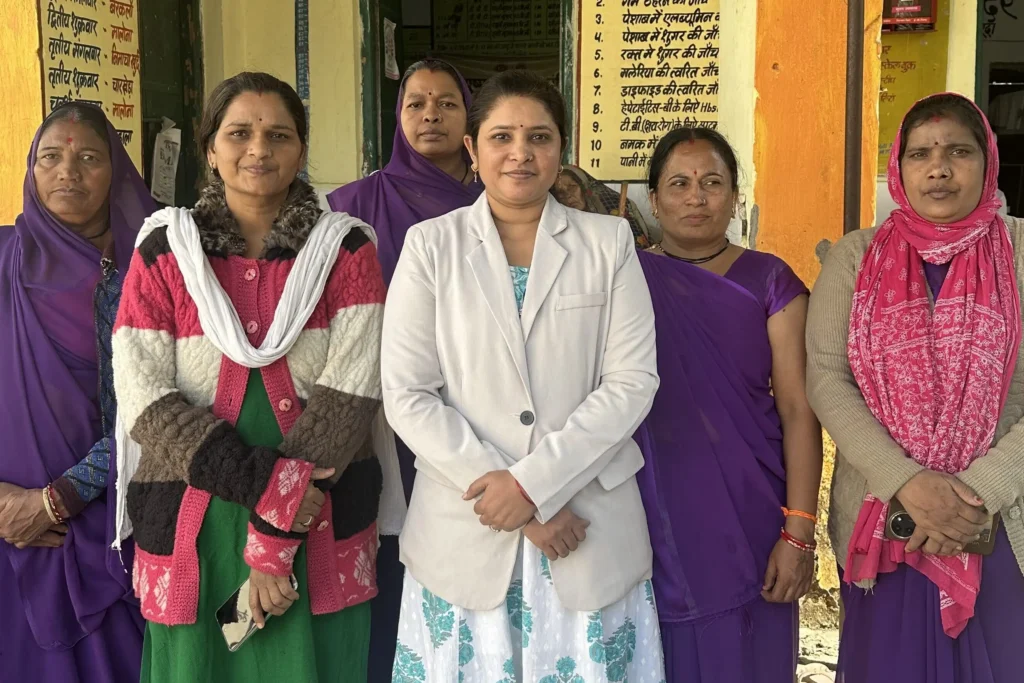
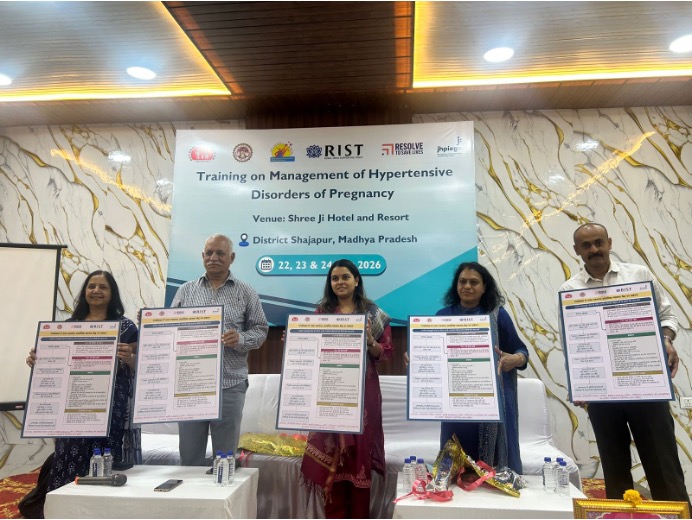
Right: Participants in “Law & Health Security: Strengthening Nigeria’s Legal Preparedness”. Credit – Resolve to Save Lives

Challenge
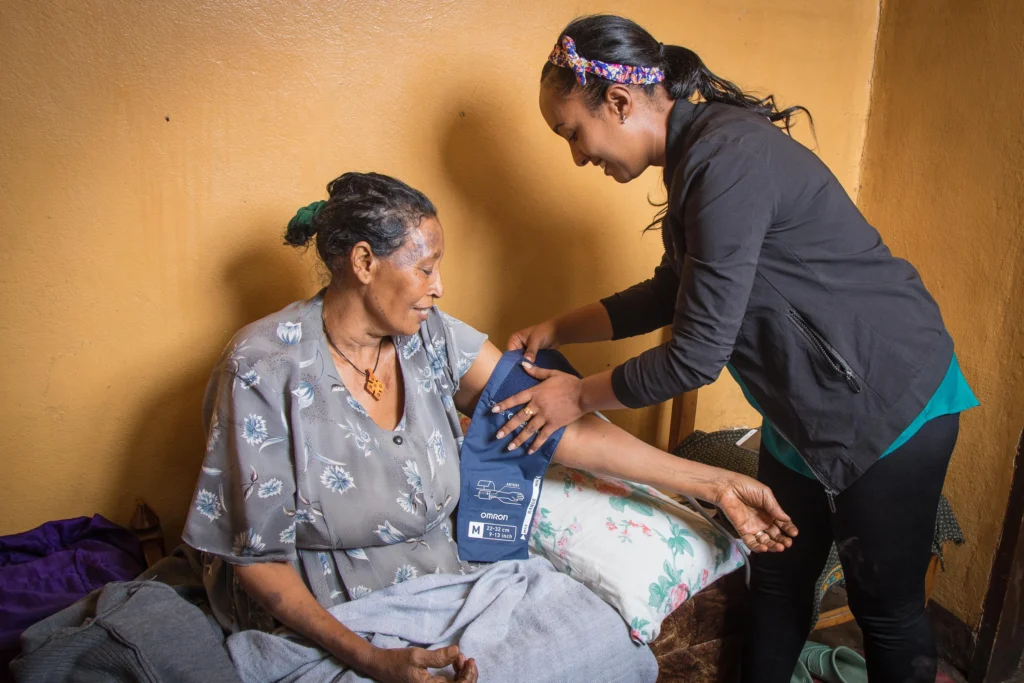
Controlling high blood pressure should be simple, but life-long care often requires multiple visits, long wait times, and extensive travel—making it hard to stick to treatment and stay in care.

Solution
Simple, patient-centered changes—like multi-month prescriptions and providing care closer to where people live and work—that set up patients and health systems for success.

Impact
Removing barriers to accessing care and staying on treatment makes it easier for patients to control their blood pressure and live longer, healthier lives.
What is patient-centered hypertension care?
Meeting patient needs with simple shifts in care delivery is a low-cost, high-impact solution proven to help keep high blood pressure under control and reduce poor health outcomes.
In practice, this can look like:
- Bringing routine care like blood pressure measurement to primary health care clinics closer to home
- Following simple, standard treatment protocols that include single-pill combination packets and make treatment plans easier to stick to
- Offering longer, multi-month prescriptions, and bringing them to patients’ homes when traveling to a clinic isn’t possible
- Fast-tracking appointments and adopting task-shifting policies and team-based care to help reduce wait times
- Follow-up phone calls and SMS/WhatsApp reminders for missed visits
- Offering evening or extended clinic hours to accommodate those working or in school
- Culturally competent counseling and individualized care plans that meet patients where they are
Highlights
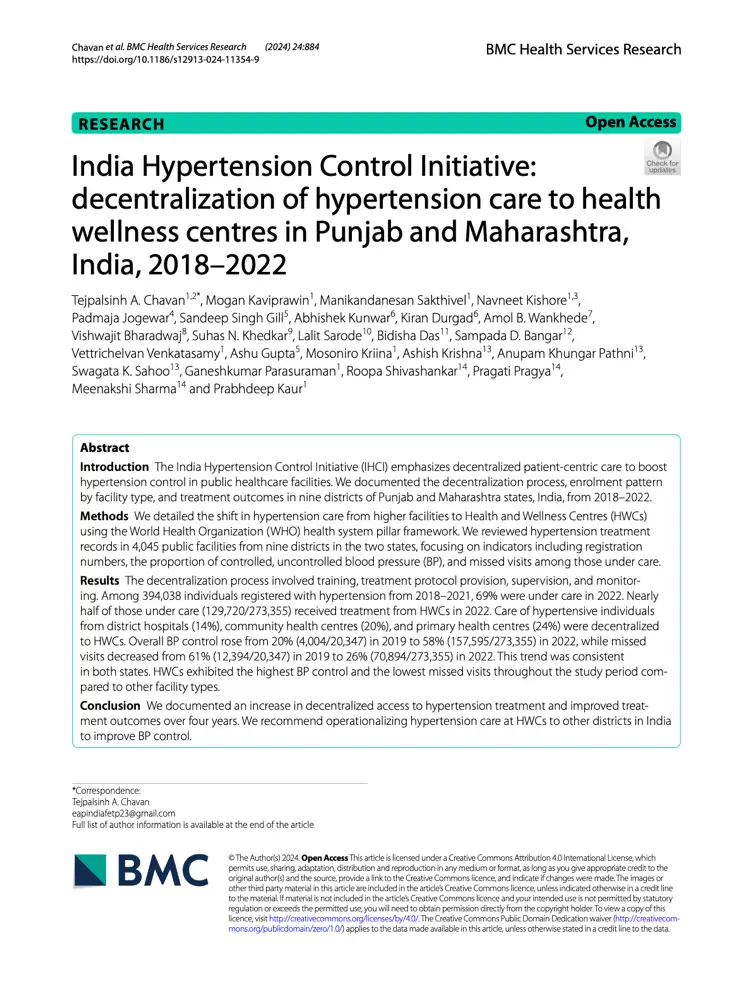
New study encourages healthcare closer to home
In India, decentralized hypertension care led to better blood pressure control and patient outcomes
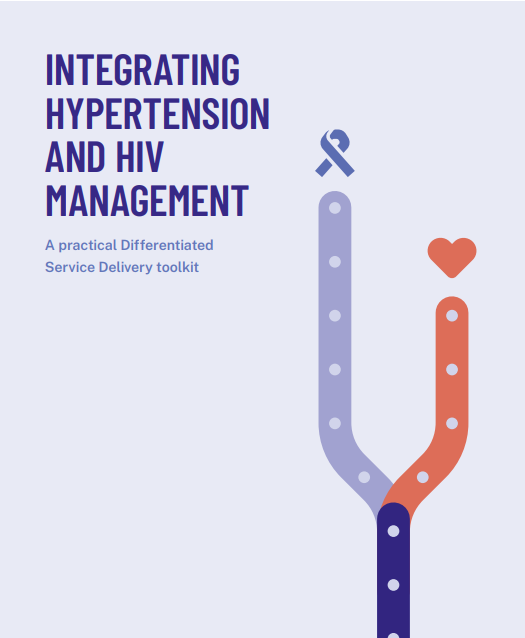
Integrating hypertension and HIV management: Toolkit
A practical guide to a patient-centered approach to integrating hypertension and HIV care using differentiated service delivery
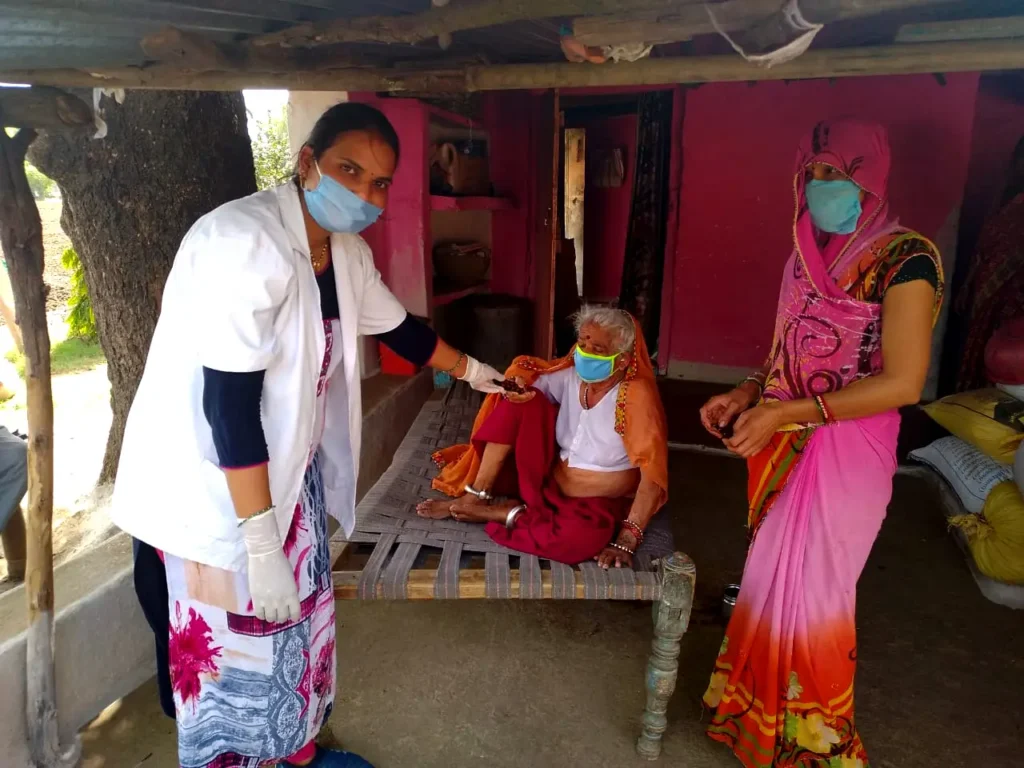
Doorstep medicine delivery for high-risk patients in India during COVID-19 lockdowns
Bringing medication to patients helped keep them on track during the pandemic
Decentralizing hypertension care in Punjab and Maharashtra States
By bringing care delivery closer to communities, we can provide more people with access to quality care, improve hypertension control and save more lives.
Patient-friendly blood pressure management
Why is patient-centered blood pressure care so important?
While treating high blood pressure with a primary care doctor close to home has been the standard in high-income countries for decades, many in low- and middle-income countries still face significant barriers to getting their blood pressure under control.
Patients are often forced to travel long distances to specialized hospitals for care, prescribed expensive medications that can be hard to find, and might have to choose between their life-saving medication and putting food on the table.
As a result, they are more likely to miss medical visits, stop taking their medications, and risk life-threatening consequences.
Integrating blood pressure management with other health services
Patient-centered services meet patients where and when they need care—and treat them efficiently so they spend less time at the clinic. Some people living with multiple chronic conditions like HIV or diabetes attend multiple appointments for each condition.
Integrating routine services means patients don’t have to visit the clinic as frequently, and health facilities are less crowded and more effective. Learn more about how treating HIV and hypertension together can help patients manage both conditions.
And because hypertension often does not cause symptoms, measuring blood pressure as part of every routine health visit can help catch it before it gets dangerous.
How we support patient-centered care
We provide significant funding and technical assistance to improve hypertension care—from streamlining prescriptions to strengthening procurement and distribution of medicines to training care teams to use a team-based approach. These efforts strengthen primary care facilities to provide quality care closer to home, keep medicine supplies reliable and affordable, and support patients to stick to a treatment plan that is simple and easy to follow.