Author:  Resolve to Save Lives
Resolve to Save Lives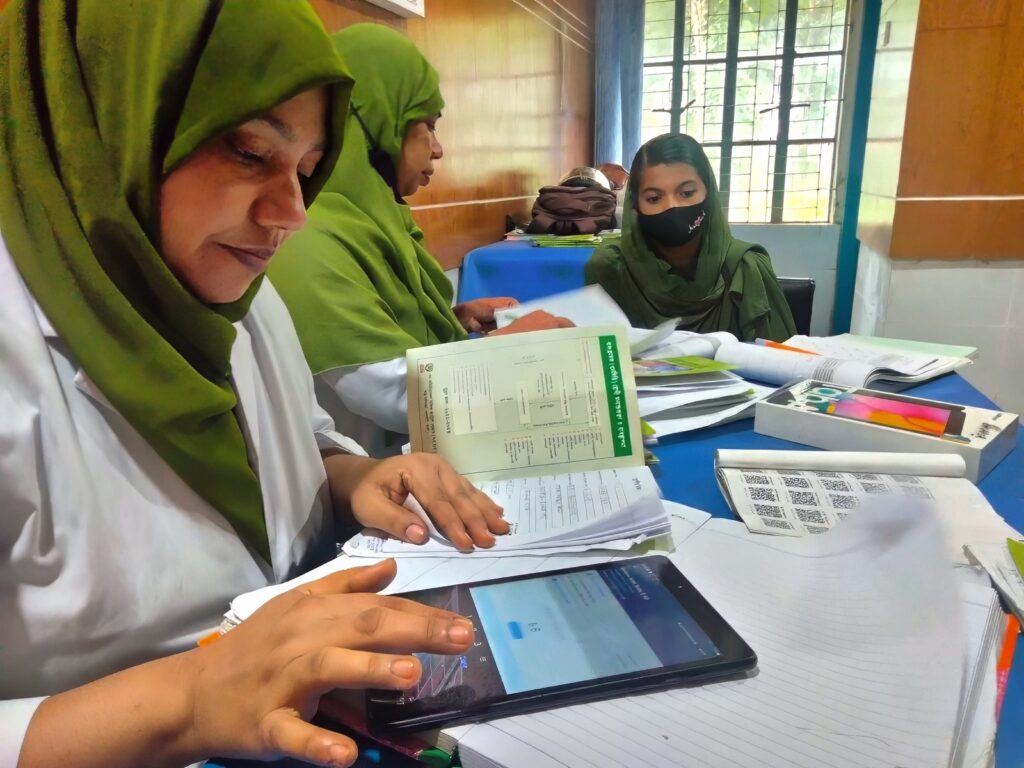
At a glance

High blood pressure is the world’s #1 killer—and in Bangladesh, it’s especially deadly. Uncontrolled hypertension is the single most important contributor to cardiovascular disease, which accounts for a staggering 34% of all deaths in the country—more than 240,000 deaths each year. Most of these deaths could be prevented with better blood pressure control: Of the 21% of the country’s adult population suffering from high blood pressure in 2019, only half had been diagnosed; only 38% were being treated; and only 14% had their condition under control.
The Bangladesh Hypertension Control Initiative
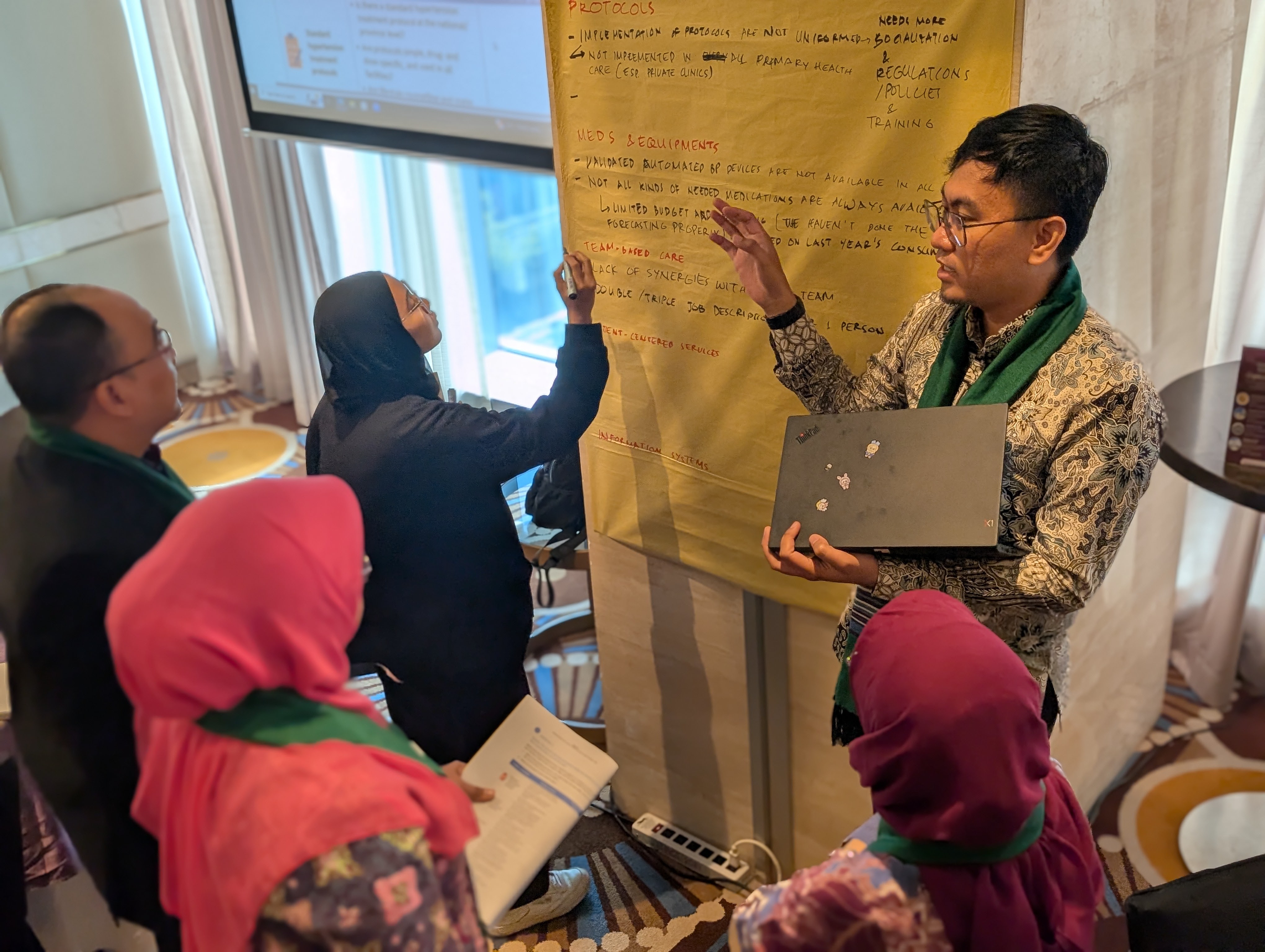
Bangladesh’s leadership was committed to changing this. In 2018, the Ministry of Health and Family Welfare’s Non-Communicable Disease Control Program (NCDC) and the National Heart Foundation of Bangladesh (NHF) partnered with Resolve to Save Lives to strengthen the detection, treatment and control of high blood pressure in primary care. In its first two years, the Bangladesh Hypertension Control Initiative (BHCI) drove the country’s adoption of standard national treatment protocols, trained healthcare workers in blood pressure management and streamlined treatment delivery in major primary healthcare facilities (known as Upazila Health Complexes (UHCs)) and community clinics.
Going digital
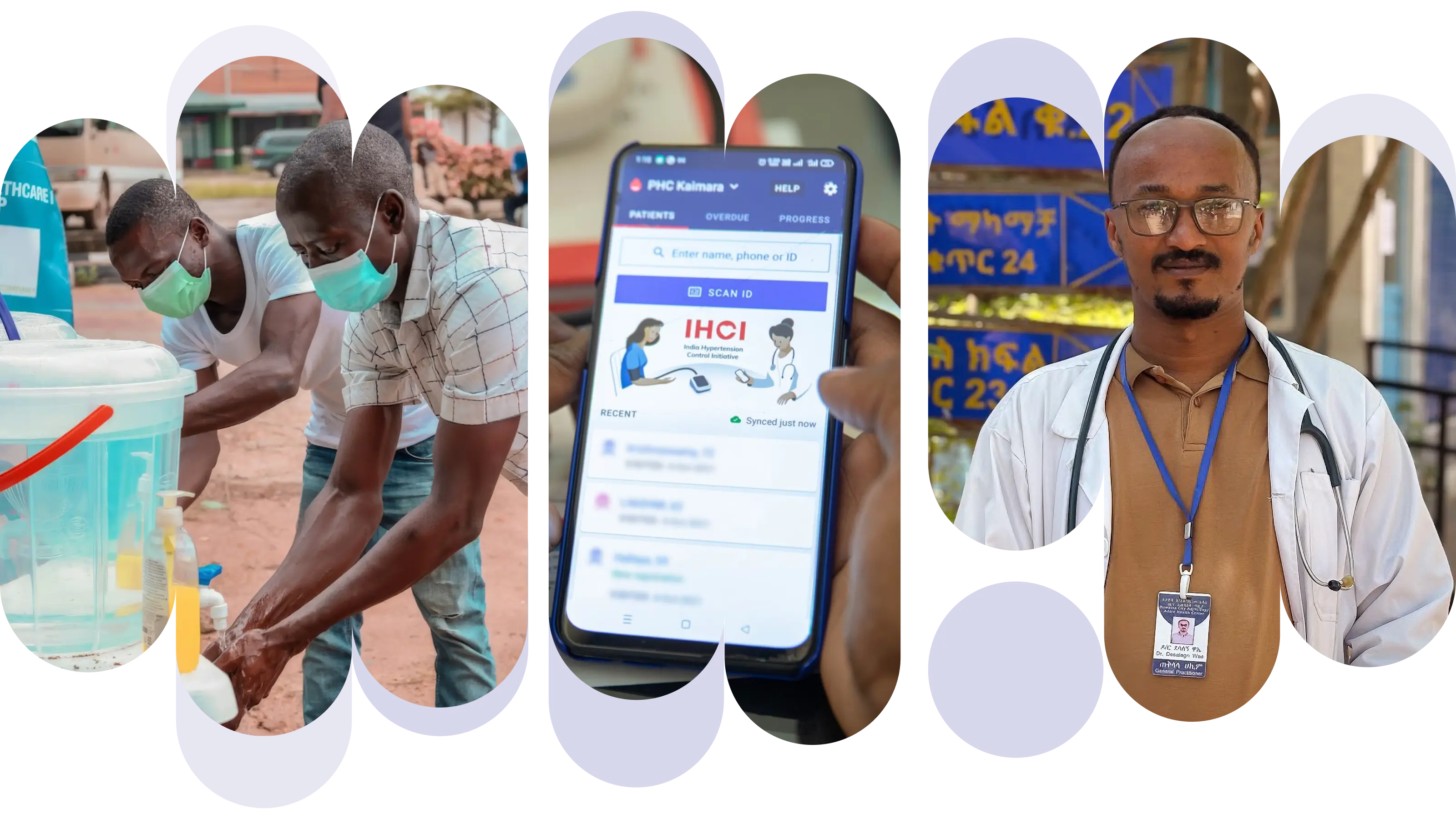
BHCI also adopted one very powerful tool: a free smartphone app for clinicians.
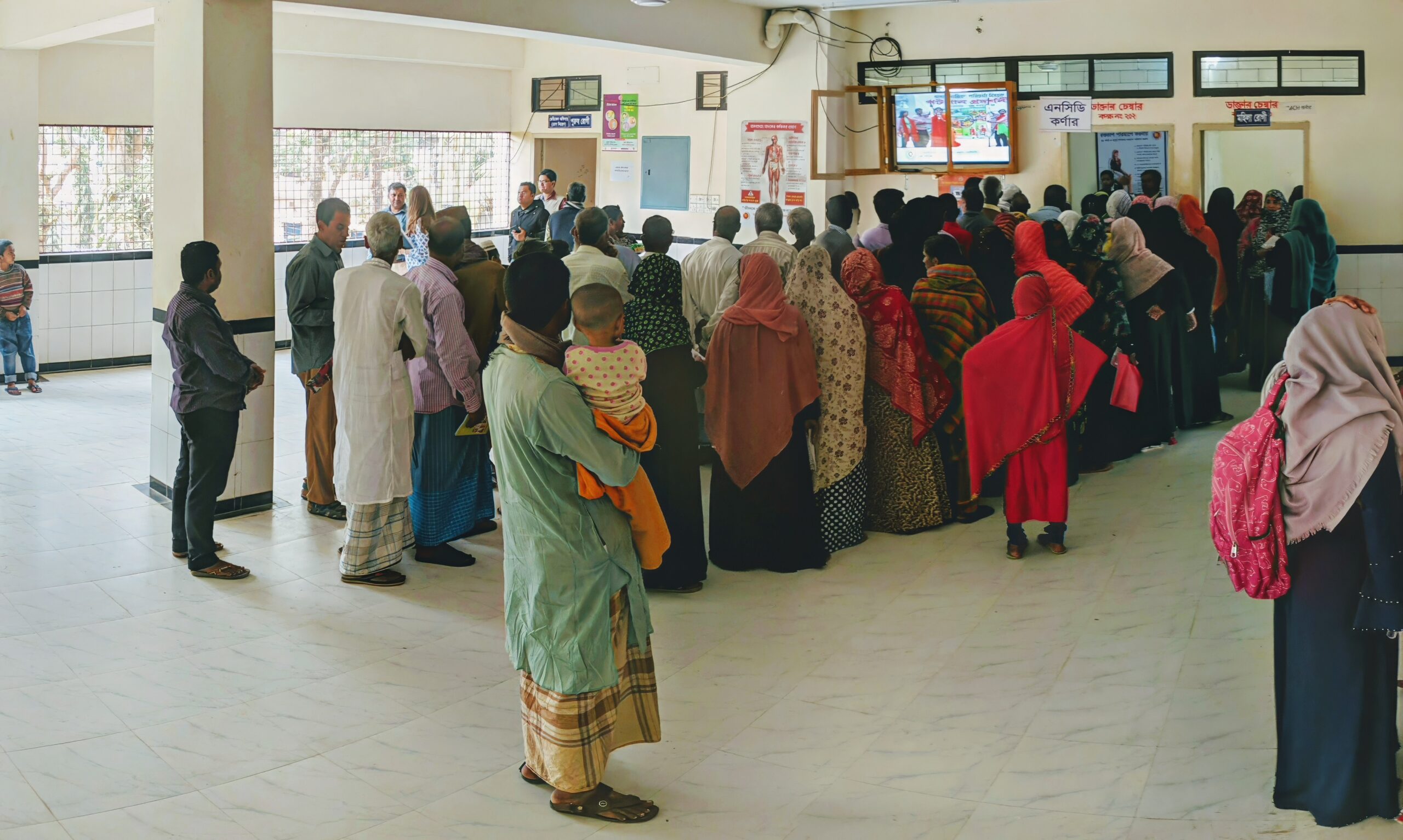
Health facilities in Bangladesh used to rely on paper-based health records to manage hypertension patients. Inefficient, error-prone and time-consuming, paper-based systems cost healthcare workers precious time with patients—high volume facilities might see more than 300 patients every day—and contribute to a vicious cycle of crowded facilities, inconsistent clinical management and high loss to follow-up.

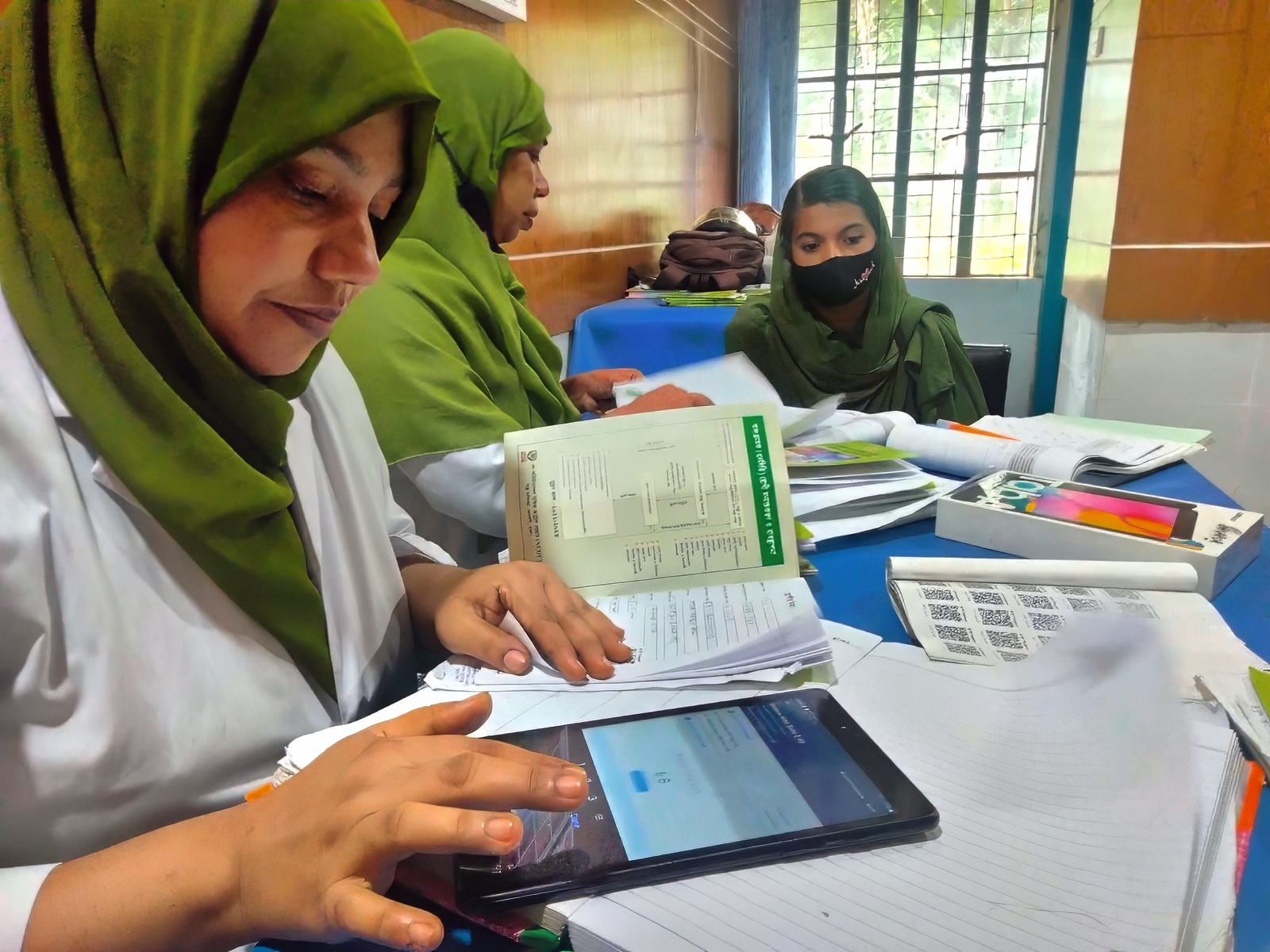
With the revolutionary Simple app, healthcare workers can retrieve up-to-date hypertension and diabetes treatment records—at any BHCI point of care, from community clinics to UHCs—with a tap of their smartphone and record new patient data in just 13 seconds. Simple was designed expressly to support healthcare workers in large hypertension control programs; before rolling out in Bangladesh in 2020, the Simple team had performed many rounds of user-testing with healthcare workers, and refined the app in response to their feedback.
Today, nearly 180 facilities in Bangladesh use Simple to track the blood pressure (and blood sugar) of 350,000 patients.
How the Simple App works
Simple has three key functions for hypertension control programs:
- Mobile point-of-care app for healthcare workers to record key data from patient visits and review treatment history.
- Patient retention support, including call lists of overdue patients and automated text messages to remind patients when they’ve missed a visit.
- Web-based dashboard for program managers to monitor performance across facilities and regions to identify key trends and gaps in care.
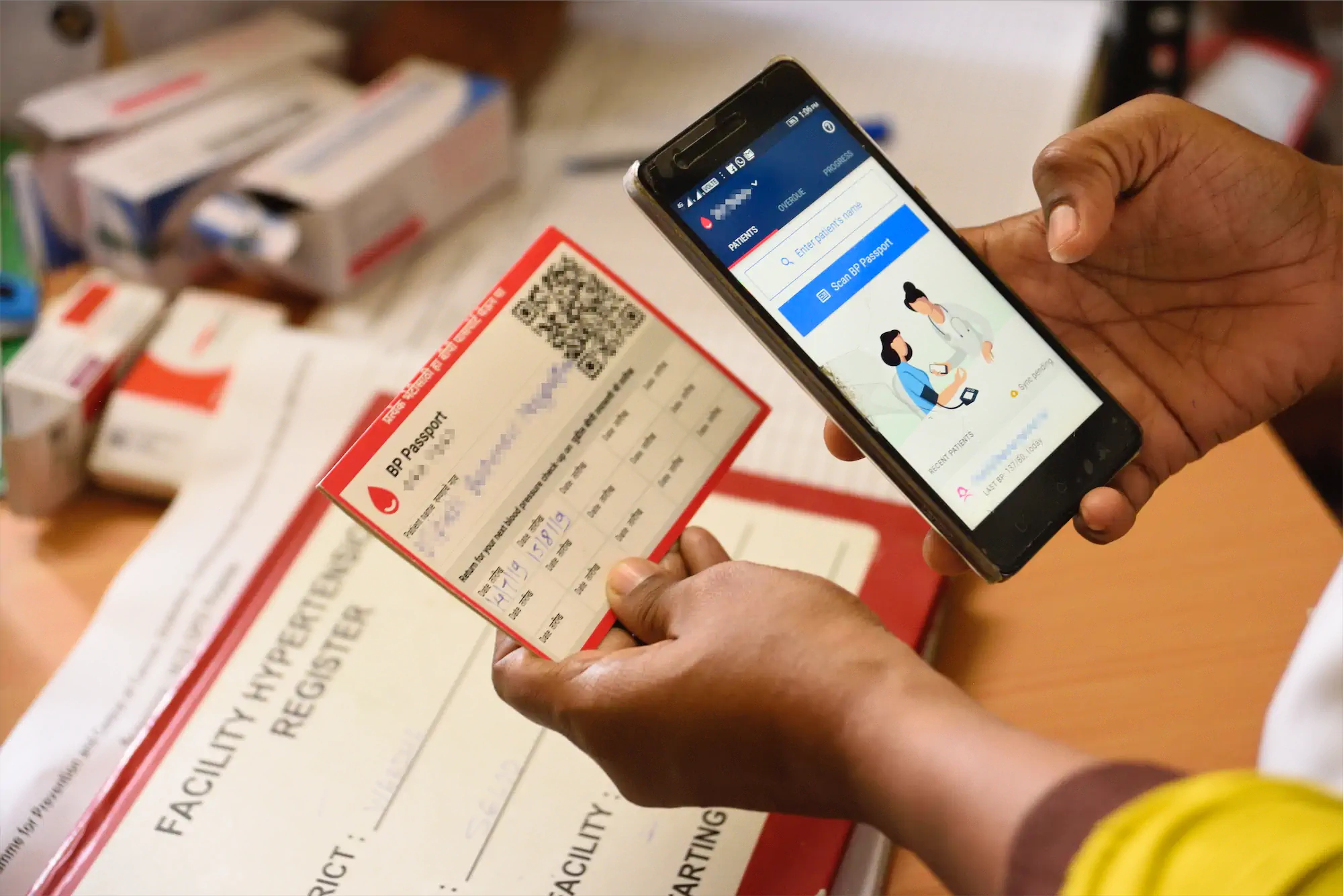
Enrolling a patient using the Simple app is fast and easy:
- A healthcare worker measures blood pressure and uses the app to record patient details and blood pressure measurement.
- A medical officer prescribes anti-hypertensive medication(s).
- The healthcare worker records the prescribed medication(s) in the Simple app.
- The healthcare worker tells the patient when they should return for a follow-up visit, and notes the date in the app.
- The patient receives a Blood Pressure Passport/Patient treatment book with a QR code.
At follow-up visits, healthcare worker scan the QR code to pull up the patient’s records in less than a second (if a patient forgets their Blood Pressure Passport/Patient treatment book, their records can be retrieved via a search function.)
Better data, better outcomes
Because Simple is fast and easy to use, healthcare workers in Bangladesh have made it part of their workflows, routinely using the app to record patient visits during consultations. This has made Simple a rich source of program data, offering a constantly evolving picture of blood pressure control across BHCI facilities.
Simple’s free, open-source software includes a web-based dashboard that program managers in Bangladesh use to monitor key program indicators. Registration rates, blood pressure control rates and missed visits can be tracked and analyzed by facility, by region, or even nationwide, allowing BHCI to identify weaknesses and improve the program.

The program leverages data dashboards from the Simple app to identify quality gaps and monitor the effect of quality improvement interventions. For example, soon after Simple was launched, the dashboard showed that half of patients were not returning for follow-up visits after three months—which BHCI leadership identified as a driver of low blood pressure control.
When BHCI staff began using the app’s overdue list and secure calling features to contact patients who had missed visits, the 3-month missed visit rate decreased from 50% to 26% in six months.
Drug inventory is also managed through Simple, ensuring that supply meets demand as the program is expanded nationally.
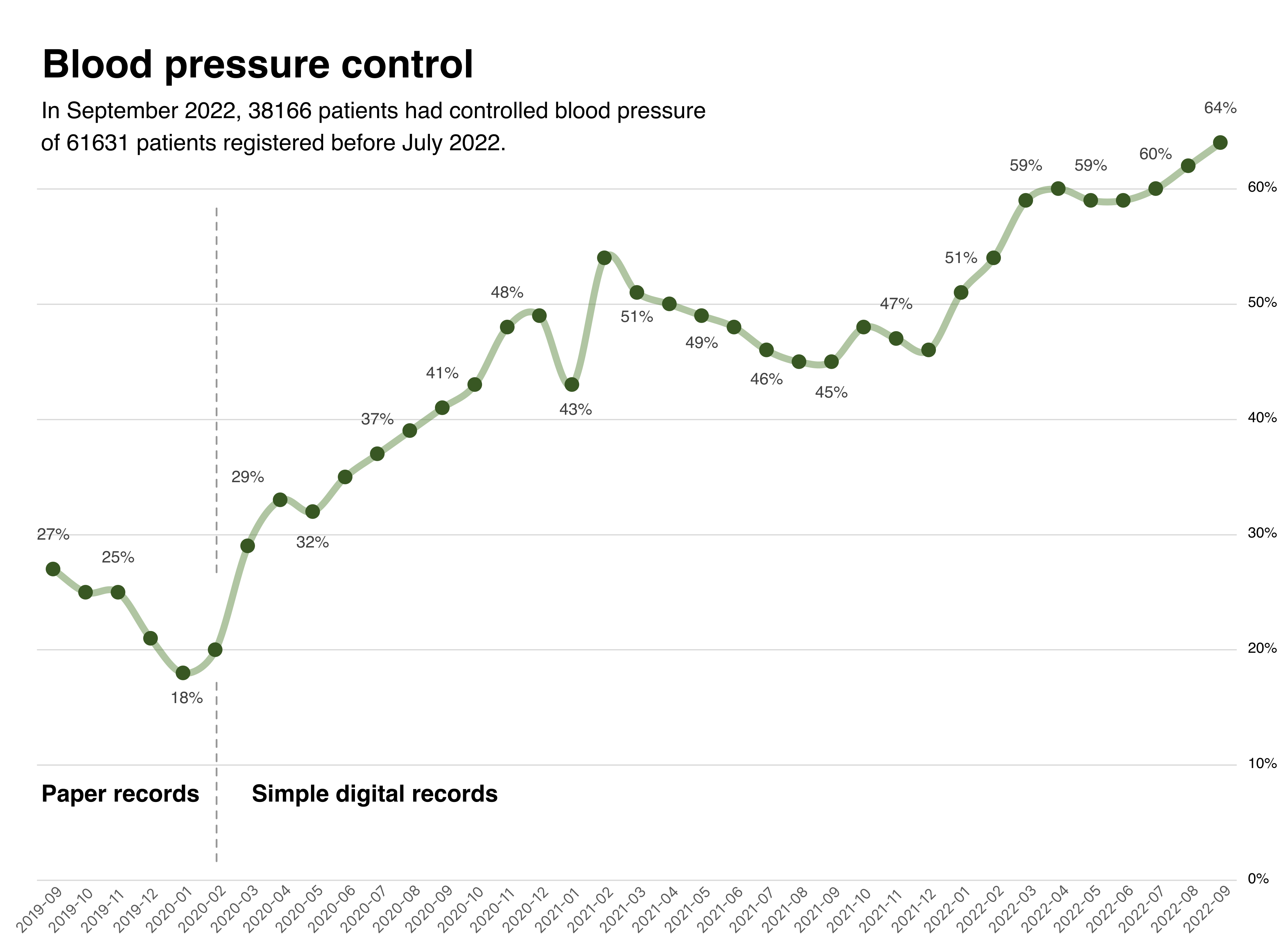
Today, BHCI has screened more than 1 million adults for high blood pressure and, in the nearly 180 facilities using Simple, close to 60% of the 260,000 patients with hypertension have their condition under control.
Source: National Heart Foundation of Bangladesh
*Data are for four health centers in Sylhet, Bangladesh that implemented the Simple mobile application starting in February 2020. Blood pressure control increased to 39% just six months after implementation. As of September 2023, the blood pressure control rate remains near 60%.
The Simple App is helping us to monitor and follow up the registered hypertensive and diabetic patients, identify implementation gaps and plan to improve the quality of services. It is a huge asset to our continuous quality improvement program— we can identify issues, make a change to improve the program, and see results in the data very quickly.
Deputy Program Director for the Bangladesh Hypertension Control Initiatives
Lessons learned
- Well-designed digital healthcare tools save valuable time: A healthcare worker at a UHC in Bangladesh typically manages more than 100 patients with hypertension every day — and often has less than two minutes to spend per patient. At scale, paper records take more than a minute to complete. Simple’s median time to record a follow-up visit is 13 seconds.
- Digital data management improves program quality: Continuous monitoring and automated analysis of trends in hypertension control rates, registration numbers and follow-up rates allows program managers to capture progress and address gaps in care delivery. BHCI was able to increase blood pressure control from 20% to 64% with near real-time data available from the field.
- Testing with healthcare workers can help increase uptake: Simple has undergone more than 100 user tests with healthcare workers in Bangladesh and other countries, resulting in a user-friendly app that is easy and quick to learn.