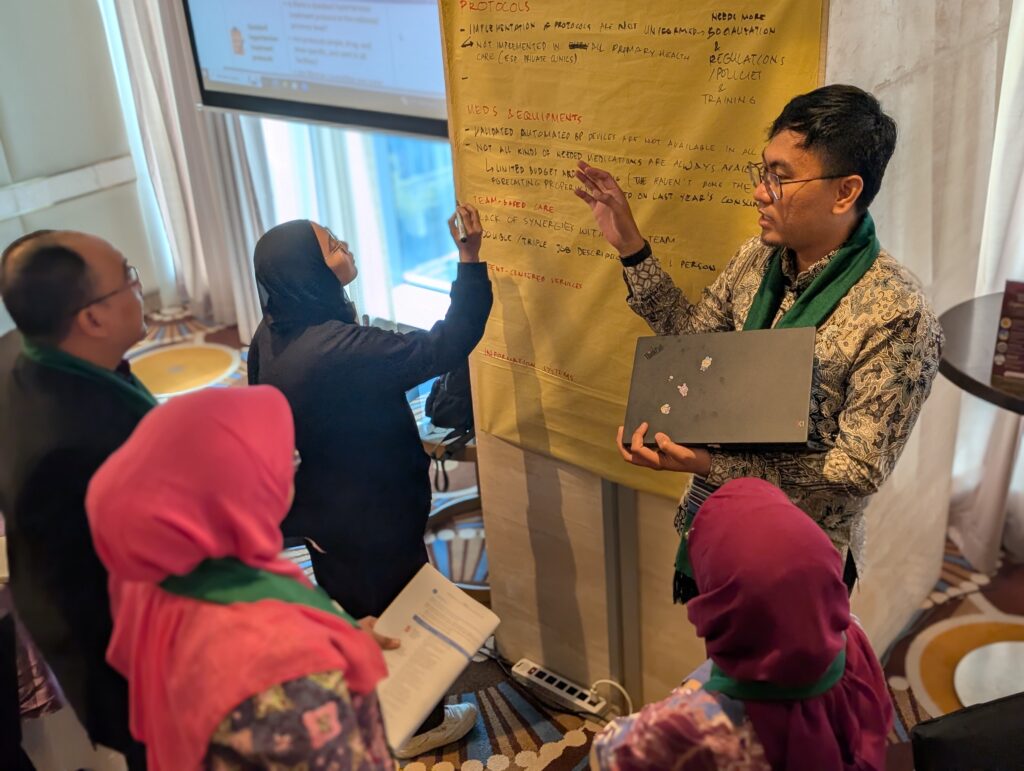
Right: Participants in “Law & Health Security: Strengthening Nigeria’s Legal Preparedness”. Credit – Resolve to Save Lives
Challenge
Worldwide, more than 1 billion adults require hypertension care, but treatment approaches vary by region, clinic and even physician—making it difficult to scale treatment.
Solution
We support protocols that are evidence-based, easy to follow, and include just the few key medications needed to treat most patients and deliver quality care.
Impact
Standardized care for high blood pressure helps manage more patients, with better results—and helps keep key medicines available and affordable.
What are simple, standard treatment protocols?
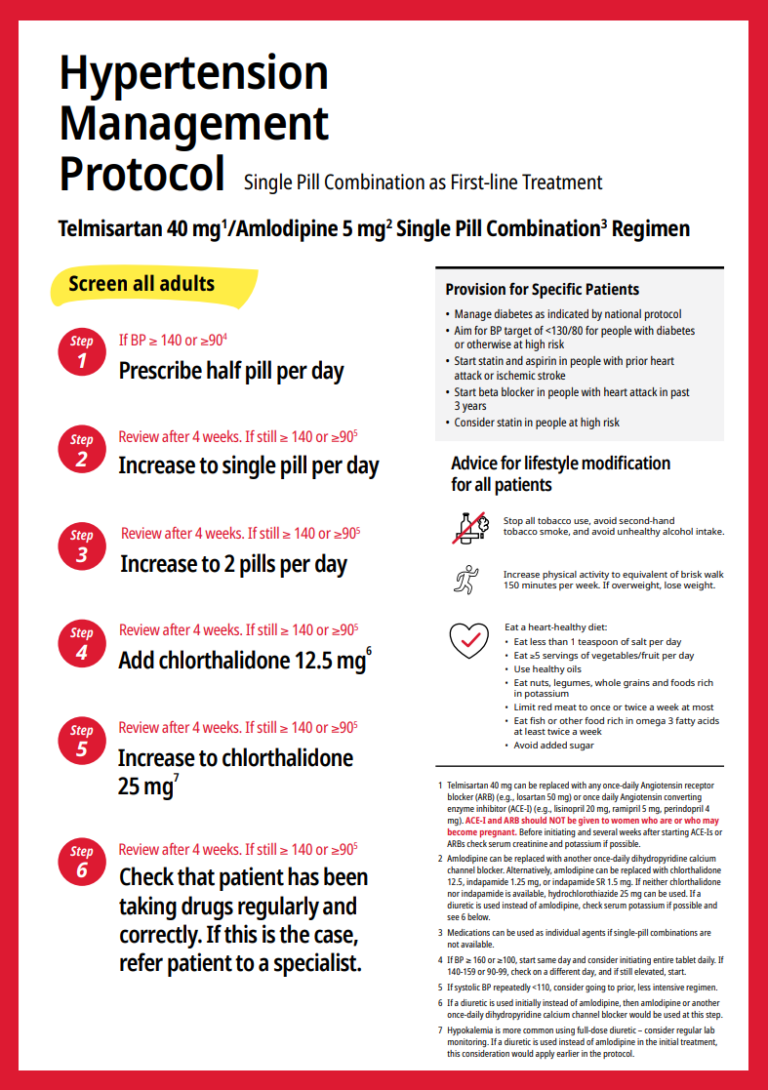
When treating high blood pressure, consistency saves lives. A simple, evidence-based protocol standardizes criteria for starting patients on treatment and making step-by-step adjustments to drug or dose until blood pressure stays under control.
Simple protocols work because they only include the preferred, evidence-based drugs in the most commonly needed doses. By specifying how and when to increase doses, include additional medicines, and refer patients to a specialist, simple protocols reduce unnecessary variation in treatment approach and improve quality of care.
Lowering medication costs through bulk purchasing
Without standard protocols, doctors may prescribe a wide range of medications in different doses, forcing clinics to stock too many options in small amounts. This makes it harder to predict demand and keep shelves stocked. When supplies run out, patients are forced to turn to expensive private pharmacies—or go without the medication they need.
Simple, standardized treatment protocols also streamline procurement. When programs buy just a few carefully selected, cost-effective medicines in large quantities, they can negotiate better prices and keep down costs to patients.
This results in shorter wait times, less crowding, and better, more accessible patient care—and not just for people with high blood pressure.
How we support treatment protocols
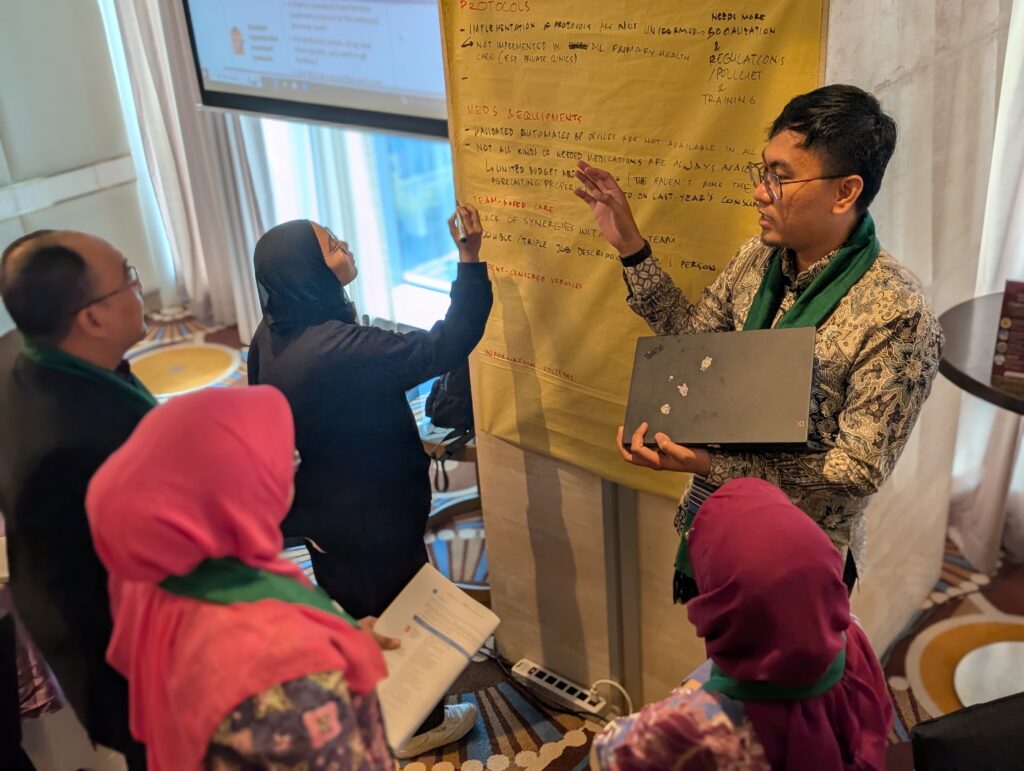
We partner with countries to adopt simple treatment protocols that reflect local needs. Working with ministries of health, clinician groups, and other stakeholders, we support programs to design and endorse a protocol that is standardized, clinically-sound, and low-cost—aligned with local drug manufacturing, existing supply chains, and existing clinical practices.
We also advocate for the integration of simple treatment protocols into national guidelines for treating high blood pressure so any patient seeking care at any clinic receives the same quality of care.