As part of efforts to address the growing burden of diet-related noncommunicable diseases (NCDs) in Ethiopia, the Ministry of Health is developing the country’s first nutrition guidelines for diet-related NCDs, with support from Resolve to Save Lives (RTSL). The guidelines aim to provide standardized, evidence-based nutrition guidance that supports consistent, high-quality nutrition care for people living with diet-related NCDs.
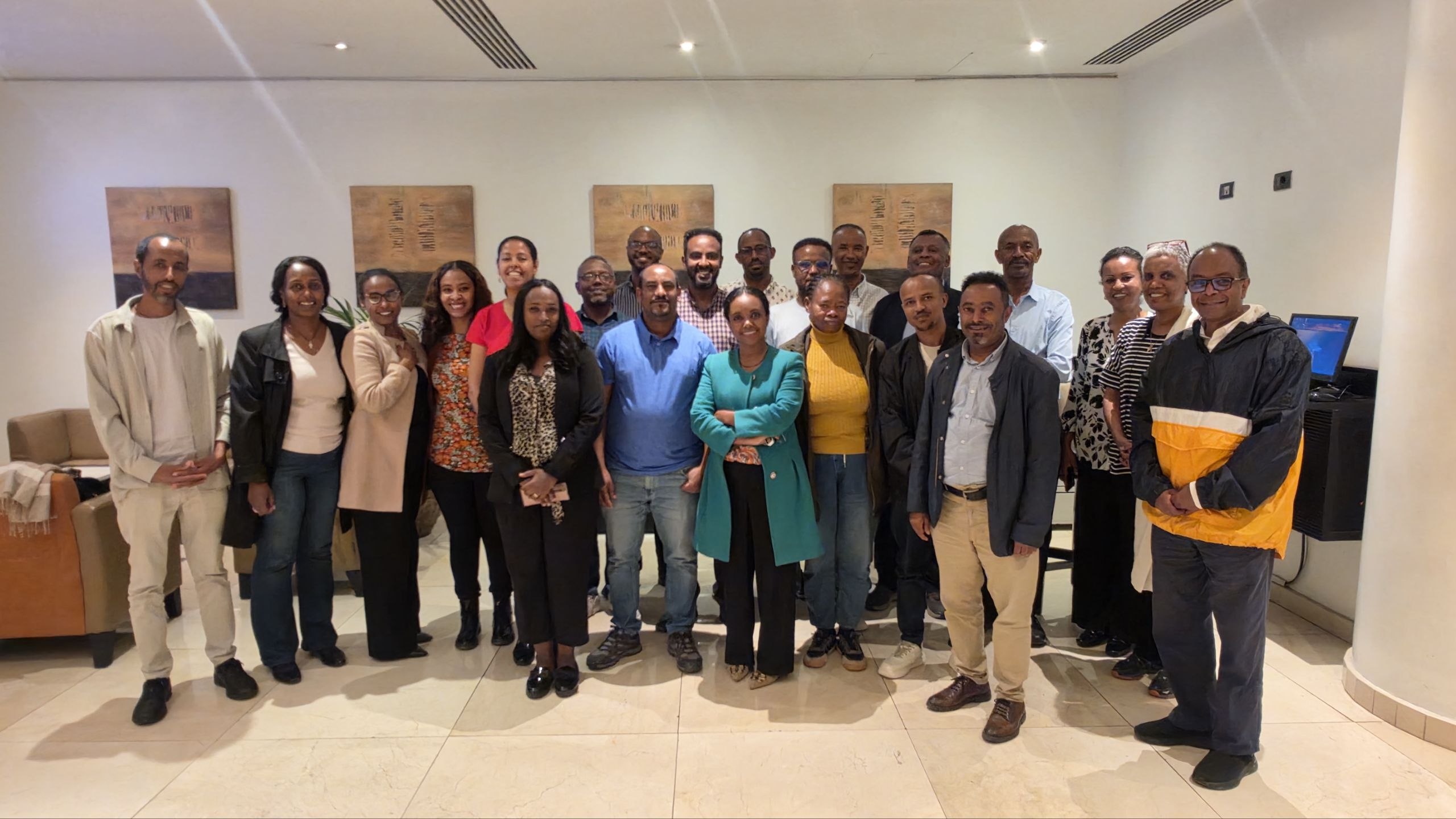
A recent validation workshop in Addis Ababa, hosted by the Ministry of Health in collaboration with RTSL, convened nutrition and health experts from the Ministry, the Ethiopian Public Health Institute, professional associations (including the Ethiopian Dietetic Professionals Association), research institutions, hospitals, and academia to review the draft guidelines, address technical feedback, and build consensus on the final recommendations.
Over several months, a technical working group that included RTSL developed the guidelines, which cover cardiovascular disease, diabetes, chronic kidney disease, overweight and obesity, and cancer. Drawing on global evidence, Ethiopia’s Food Composition Table, and the country’s Food-Based Dietary Guidelines, the recommendations provide healthcare professionals with practical, disease-specific guidance for nutrition counselling and dietary management using locally available and culturally appropriate foods.
With the validation workshop completed, the guidelines will be finalized. Once endorsed by the Ministry of Health, they will support more consistent, evidence-based nutrition counselling and dietary management across the health system.
The Ministry of Health plans to pilot the guidelines in selected hospitals in Addis Ababa, using lessons from implementation to further refine the guidance before a nationwide rollout. RTSL will continue supporting the Ministry through the pilot and subsequent refinement, endorsement, and nationwide implementation of the guidelines.