How we save lives / Blood pressure control / Reliable access to essential medicines for high blood pressure
How we save lives / Blood pressure control / Reliable access to essential medicines for high blood pressure
Reliable access to essential medicines
Lifesaving blood pressure medicines—when and where patients need them, at prices they can afford
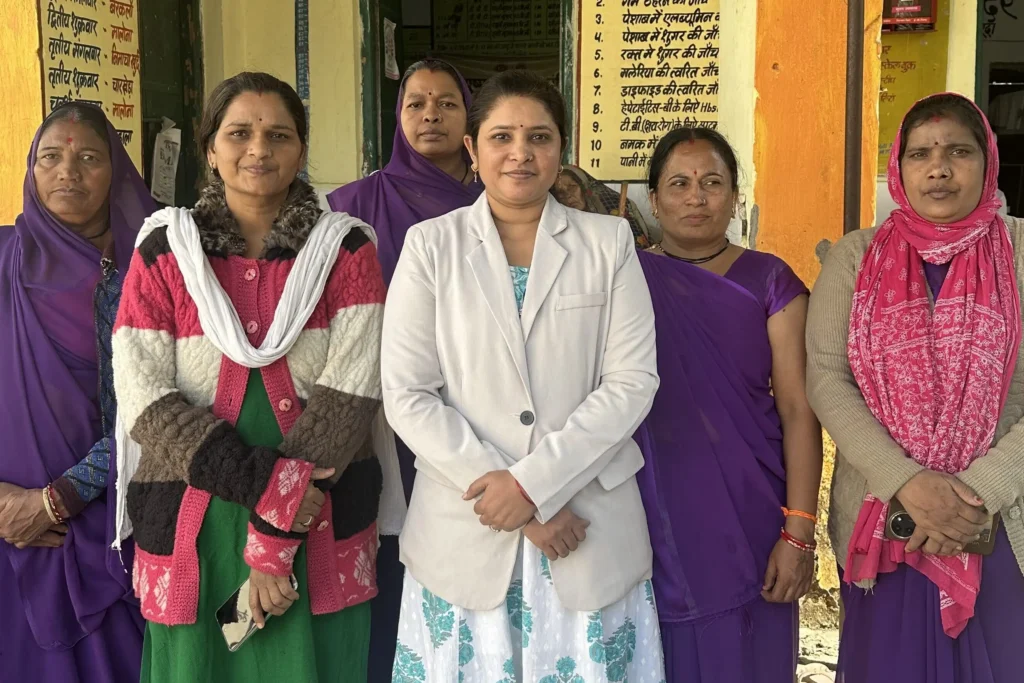
Right: Participants in “Law & Health Security: Strengthening Nigeria’s Legal Preparedness”. Credit – Resolve to Save Lives
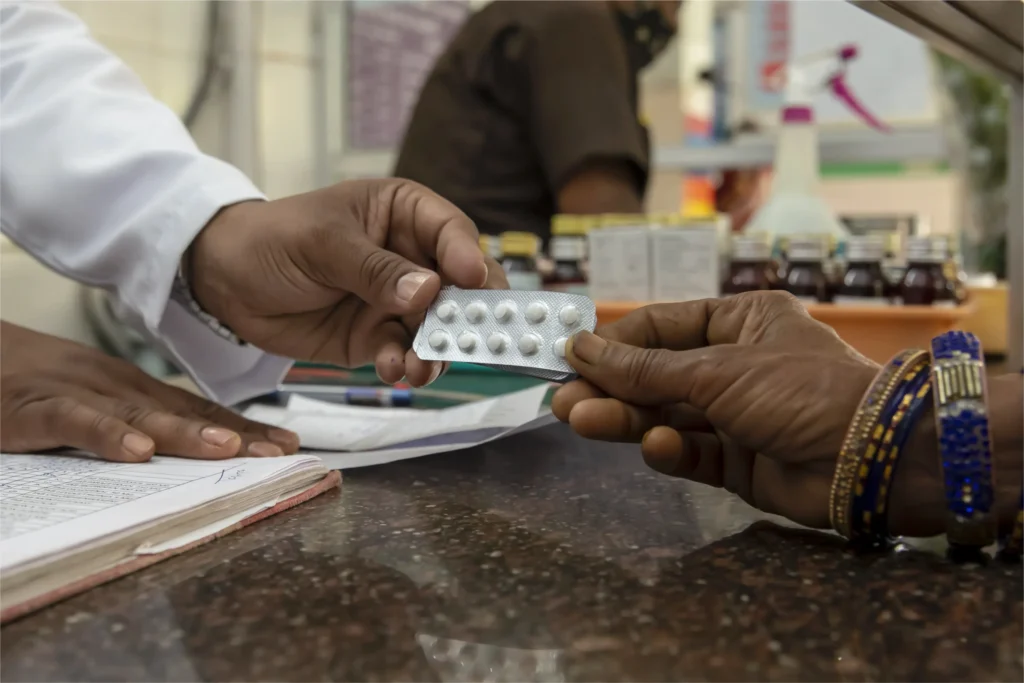

Challenge
Blood pressure control programs can struggle to maintain a consistent, affordable supply of medicines, making it hard for patients to stick to their treatment plans and leaving them at risk for heart attack and stroke.

Solution
We work with countries to strengthen medicine selection, forecasting, budgeting, procurement, last-mile distribution, and inventory monitoring to keep blood pressure-lowering medicines continuously available and affordable (or free) for patients.

Impact
Affordable, high-quality blood pressure-lowering medicines available in primary care clinics close to home make it easier for patients to control their blood pressure and stay healthy.
What is access to blood pressure medication?
High blood pressure can be controlled with medication—but for it to work, patients must take their medicines consistently, every day, for life. When medications are unaffordable, or are not consistently available, blood pressure control drops, often with deadly consequences.
Why are blood pressure medicines out of reach for so many?
Around the world, the cost of blood pressure medicines can be surprisingly high. Prices can vary dramatically between countries, and even within regions.
Market fragmentation, inconsistent prescribing practices, and lack of dedicated funds make it difficult to purchase enough stock or forecast future demand. As a result, prices rise and drug shortages occur, often leaving patients without the medicine they need to prevent heart attacks and strokes.
Access to technology, especially validated, automatic blood pressure devices, is also critical to blood pressure control.
Highlights
In Nigeria, this pilot program is making blood pressure treatment affordable for all
A self-sustaining drug revolving fund reduced costs and improved availability of key blood pressure drugs to control high blood pressure.
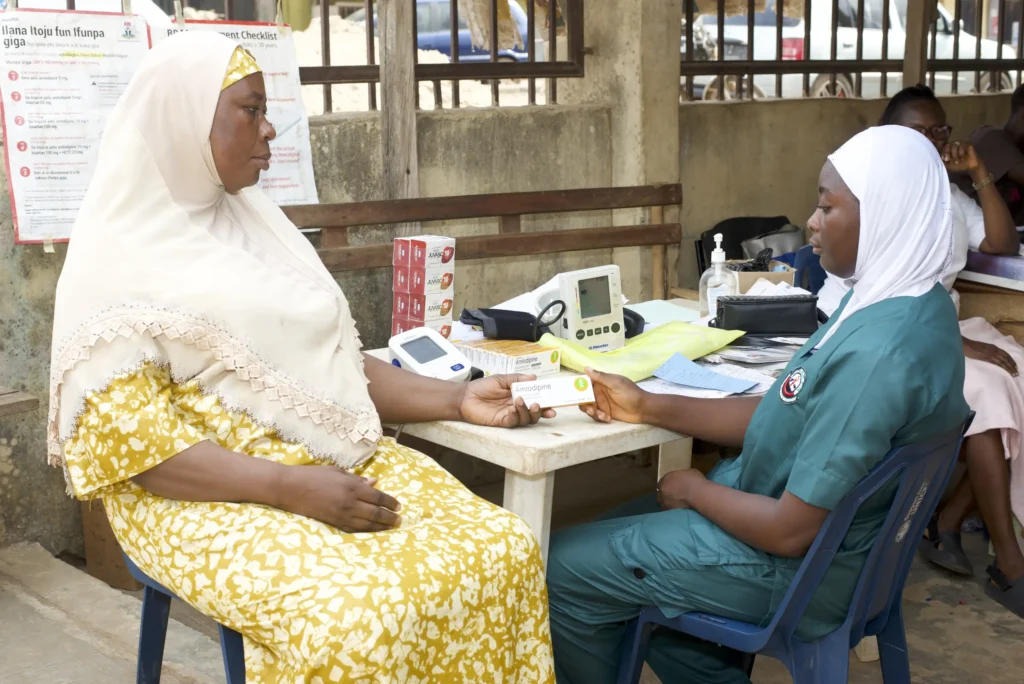
Analysis: Eliminating out of pocket costs for blood pressure medication saves lives
Resolve to Save Lives and partners found that removing patient copayments reduces risk of heart attack, stroke, and hospitalization .
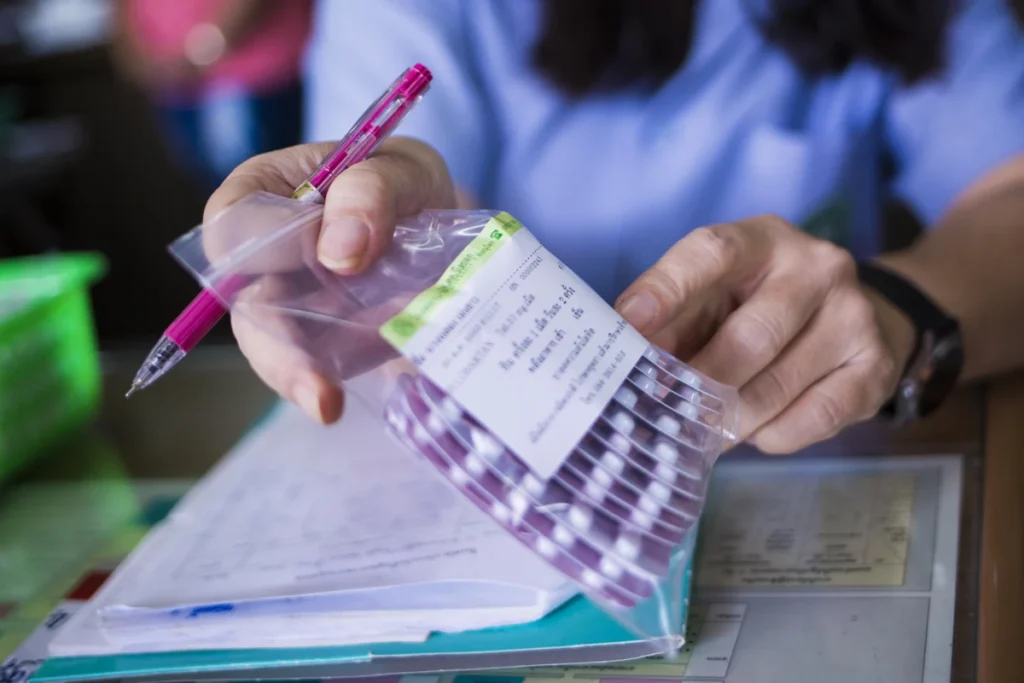
Putting lifesaving blood pressure control medication within reach
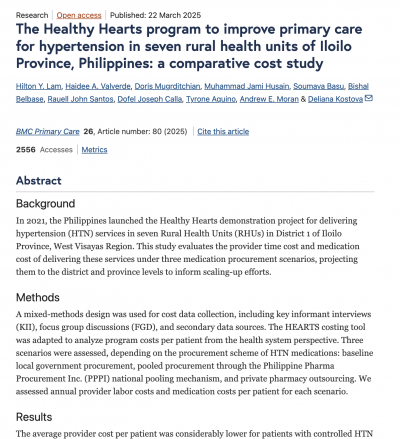
Our report on strategies to improve access to medicines to treat high blood pressure in low- and middle-income countries

How we support medication access
We partner with countries to improve equitable access to blood pressure-lowering medicines through four complementary strategies:
1. Adopting a drug-dose specific treatment protocol
Simple treatment protocols limited to a just few safe and effective drugs and doses reduce the number of medicines that need to be managed. Their inclusion in national lists open the door for clinicians to prescribe them, states and programs to purchase them, and insurance plans to cover them.
2. Morbidity and program forecasting
We support countries to adequately forecast medicine and budget needs using a practical, adaptable tool tailored to national treatment protocols and by strengthening procurement planning and ensuring uninterrupted medicine availability as programs expand.
3. Strengthening medicine supply chains
We strengthen medicine supply chains through strategic procurement, efficient distribution, inventory monitoring, and sustainable financing approaches—including drug revolving funds where appropriate—to improve affordability and ensure uninterrupted availability of quality-assured medicines.
4. Research and evidence generation
We partner with countries and leading academic institutions to generate evidence on medicine availability, affordability, access, and unmet need. These insights inform market shaping, policy reform, and sustainable financing to improve equitable access to essential cardiovascular medicines.
Supporting access to technology
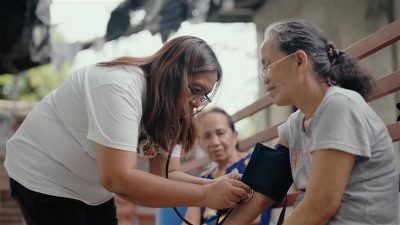
We need good data to make life-or-death decisions about blood pressure management. Inaccurate blood pressure readings can leave patients vulnerable to heart attack and stroke.
Validated automated blood pressure devices reduce human error and make it possible to manage blood pressure at the primary care level—where more people get care. RTSL partners with hypertension control programs to use these monitors widely, ensuring accurate blood pressure measurement every time.