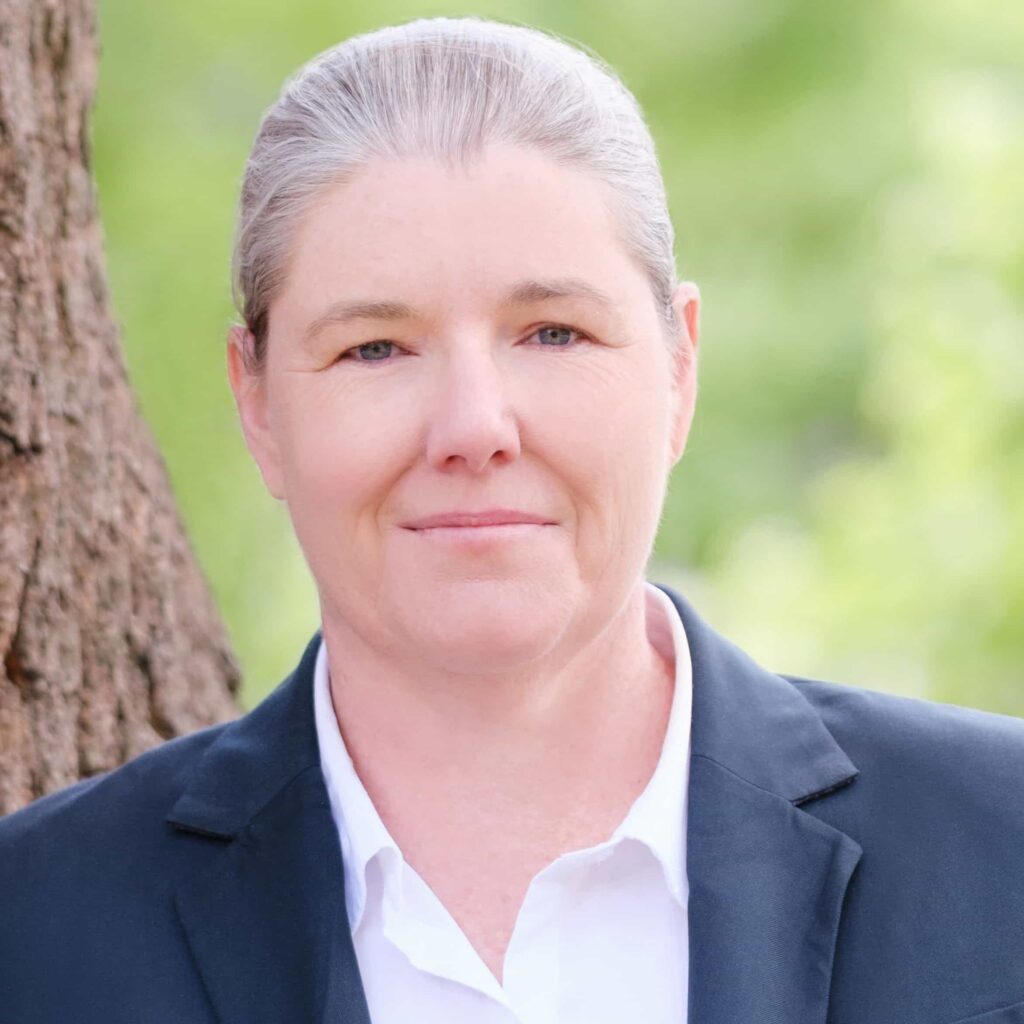
Amanda McClelland is a global health leader with more than two decades of experience responding to public health emergencies, both on the frontlines and driving systems-level change. She is currently the Chief Program Officer at Resolve to Save Lives.
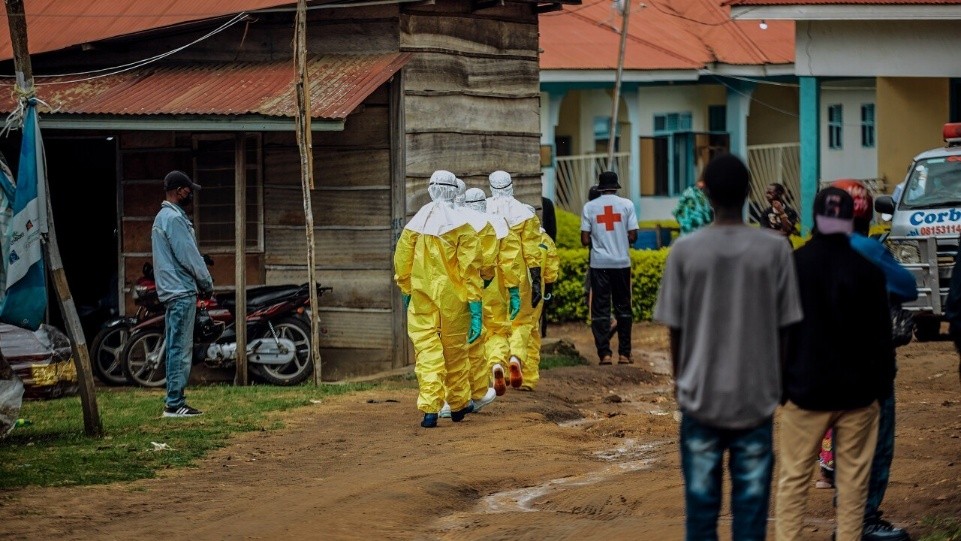
Amanda’s frontline experience spans food insecurity emergencies in the Sahel, natural disasters in the Pacific and Southeast Asia, and global outbreaks including yellow fever, cholera, Ebola and COVID-19. After years in the field, she shifted her focus to drive global improvements in preparedness. Her work at Resolve to Save Lives focuses on bridging evidence, policy and implementation to make the entire health security ecosystem–from staffing to management to communication–better prepared to prevent and respond to public health emergencies.
Amanda has published numerous peer-reviewed research papers, policy analyses and commentaries. Her writing has been featured in CNN, STAT News and Think Global Health, among other outlets, and she has been quoted in a wide range of top-tier media including Financial Times, The Telegraph and Los Angeles Times. She is also the author of Emergencies Only, a memoir reflecting on leadership, uncertainty and decision-making at the frontlines of global crises. Her work during the 2014 Ebola epidemic earned her the Florence Nightingale Medal for exceptional courage.
Amanda began her career as a nurse before shifting her focus to public and emergency health leadership. She holds a Master of Business Administration in International Health Management and a Master of Public Health and Tropical Medicine.