When hypertension care is convenient, affordable and easy to stick to, more people stay on track
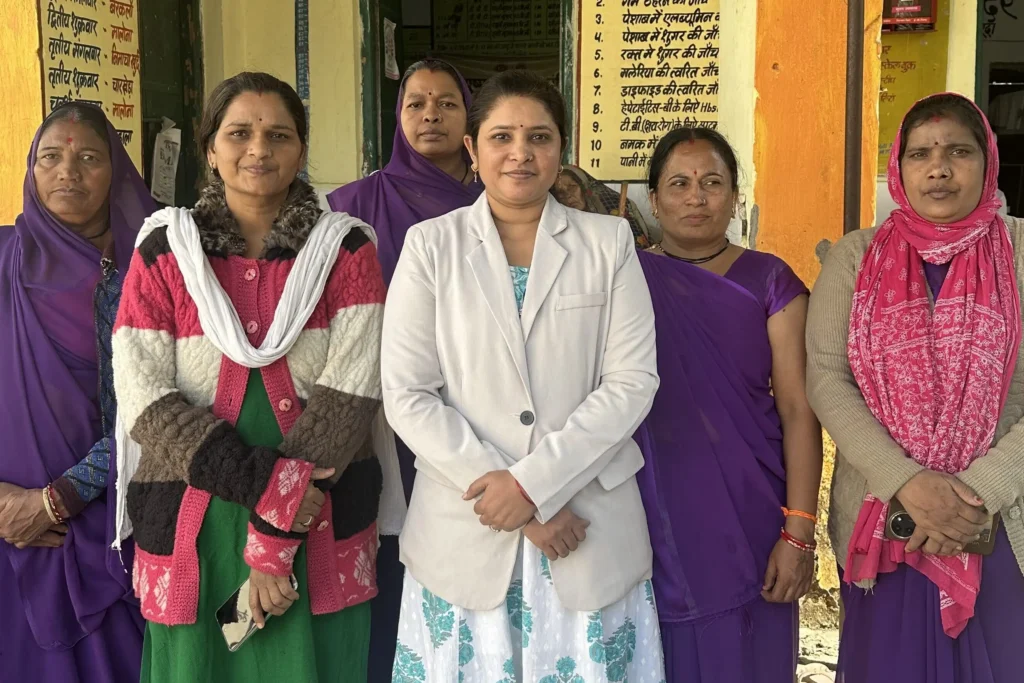
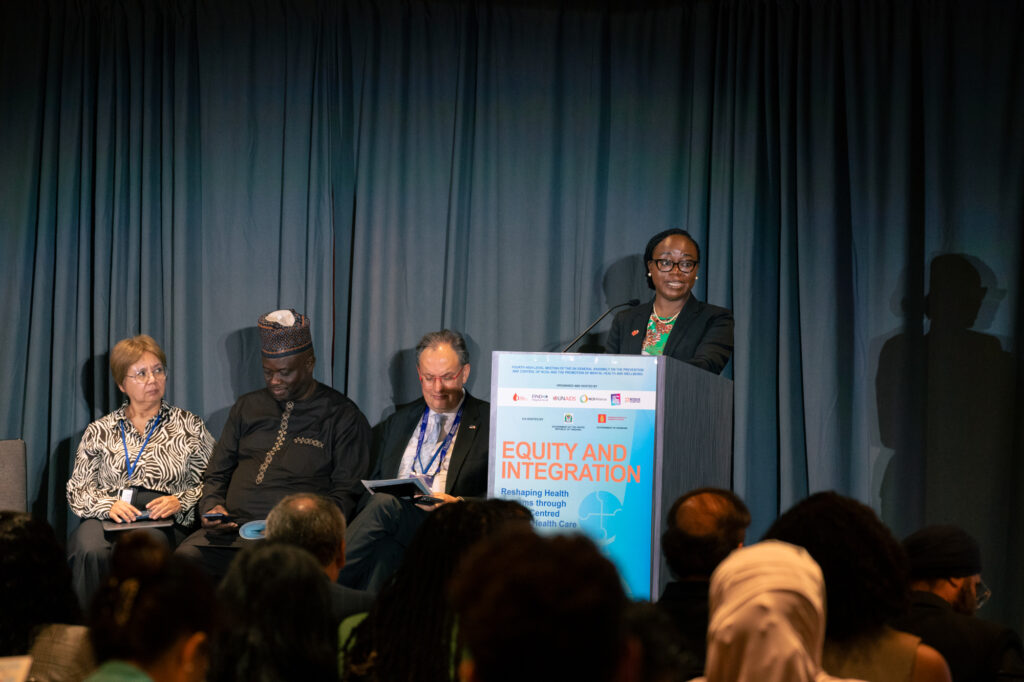
Right: Participants in “Law & Health Security: Strengthening Nigeria’s Legal Preparedness”. Credit – Resolve to Save Lives
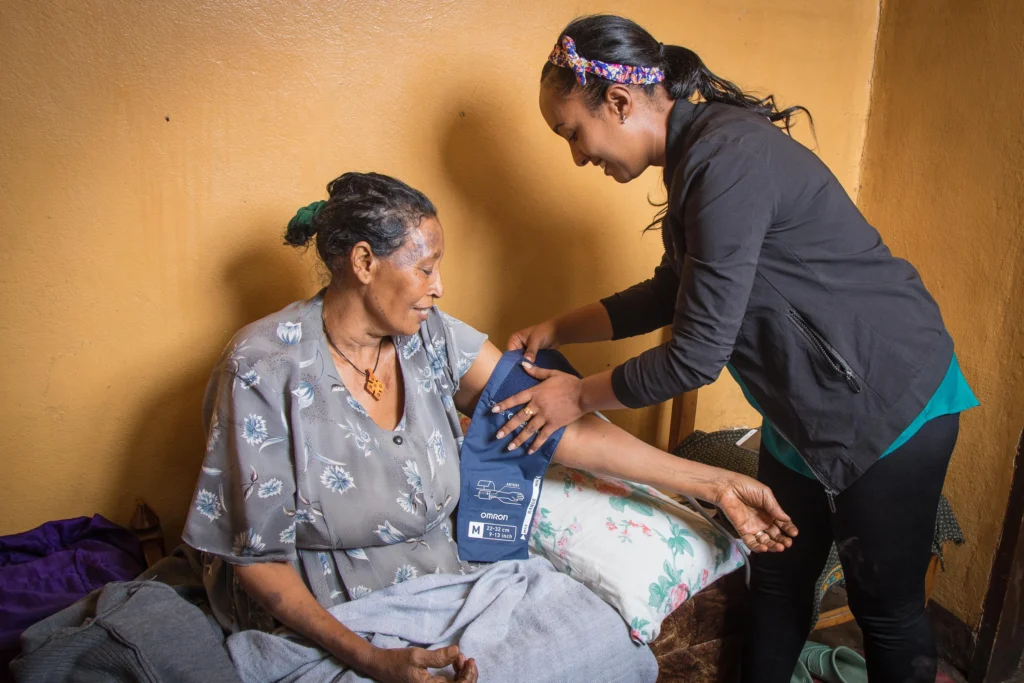
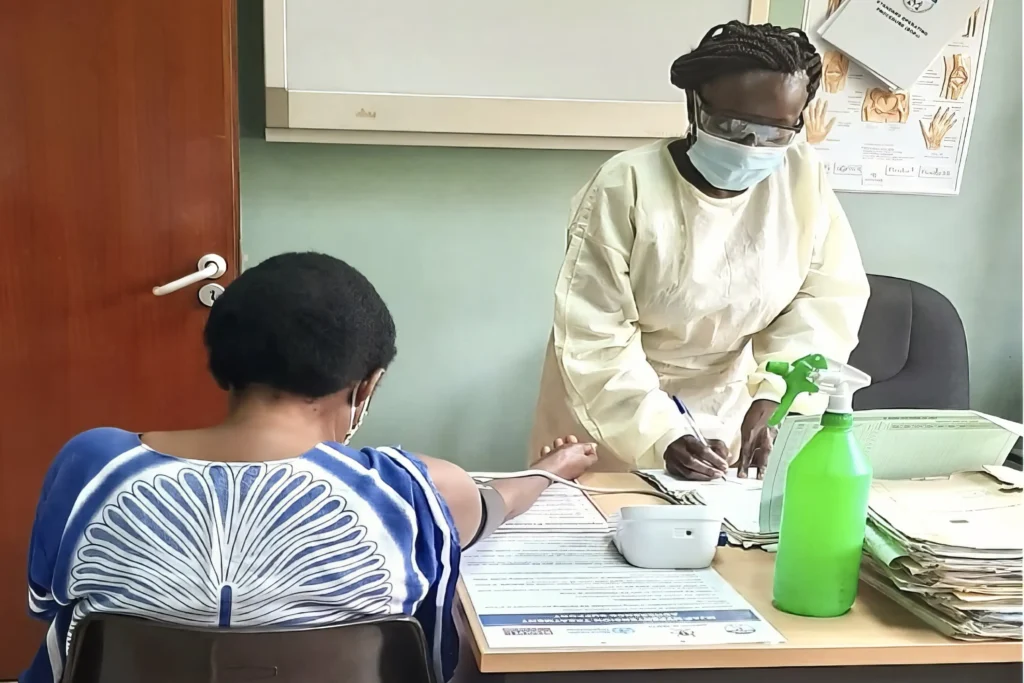
A health worker measures a woman’s blood pressure at her home in Ethiopia
Challenge
Controlling high blood pressure should be simple, but too often patients aren’t set up for success—especially those who need the most support.
Solution
Simple changes to care delivery put patients and their needs at the center so they can keep their high blood pressure controlled.
Impact
Removing barriers to accessing care and staying on treatment makes it easier for patients to control their blood pressure and live longer, healthier lives.
What is patient-centered hypertension care?
Simple shifts in care delivery can be a low-cost, high-impact way to help keep high blood pressure under control and reduce poor health outcomes.
Why is patient-centered blood pressure care so important?
In many low- and middle-income countries, people living with high blood pressure continue to face significant barriers to getting their blood pressure under control.
Patients are often forced to travel long distances to specialized hospitals for care or are prescribed medications that are hard to find, in small amounts, or too expensive, meaning choosing between their life-saving medication and putting food on the table.
As a result, they’re more likely to miss medical visits, stop taking their medications, and remain at risk for heart attack, stroke, and premature death.
Integrating blood pressure management with other health services
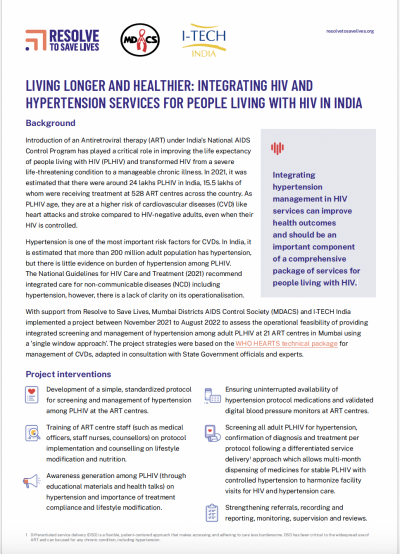
Some people live with multiple chronic conditions and attend multiple appointments for each condition.
And because hypertension often does not cause symptoms, measuring blood pressure as part of every routine health visit can help catch it before it gets dangerous.
How we support patient-centered care
We provide funding and technical assistance to improve hypertension care—from streamlining prescriptions to strengthening the purchasing and distribution of medicines to training healthcare workers in the team-based care approach. These efforts empower primary care facilities to provide quality care closer to home, and keep medicine stocked and affordable.