Governments hold the power to fund epidemic preparedness, but civil society organizations (CSOs) are often best placed to make the case for why they should. Budget advocacy is the work of encouraging decision-makers to allocate and spend public funds on proven health priorities. Done well, advocacy can shift how leaders think about preparedness, seeing it as an investment that can help prevent outbreaks before they start.
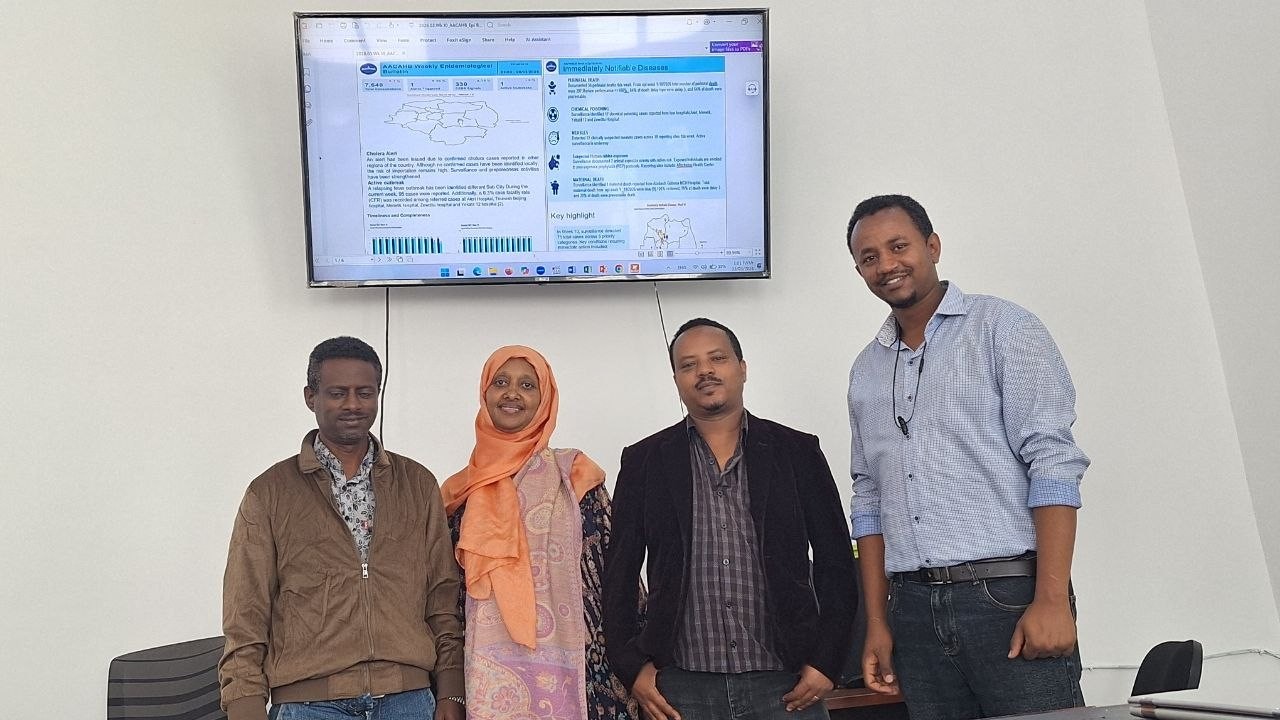
In 2024, the Professional Alliance for Development (PADet), a CSO based in Ethiopia, was one of seven organizations to receive a grant from the CSO Budget Advocacy Academy, a program from Resolve to Save Lives and the Global Health Advocacy Incubator to develop epidemic preparedness budget advocacy skills in CSOs in Africa. PADet successfully advocated for $4,000 in preparedness funding from the local government in Kalu district.
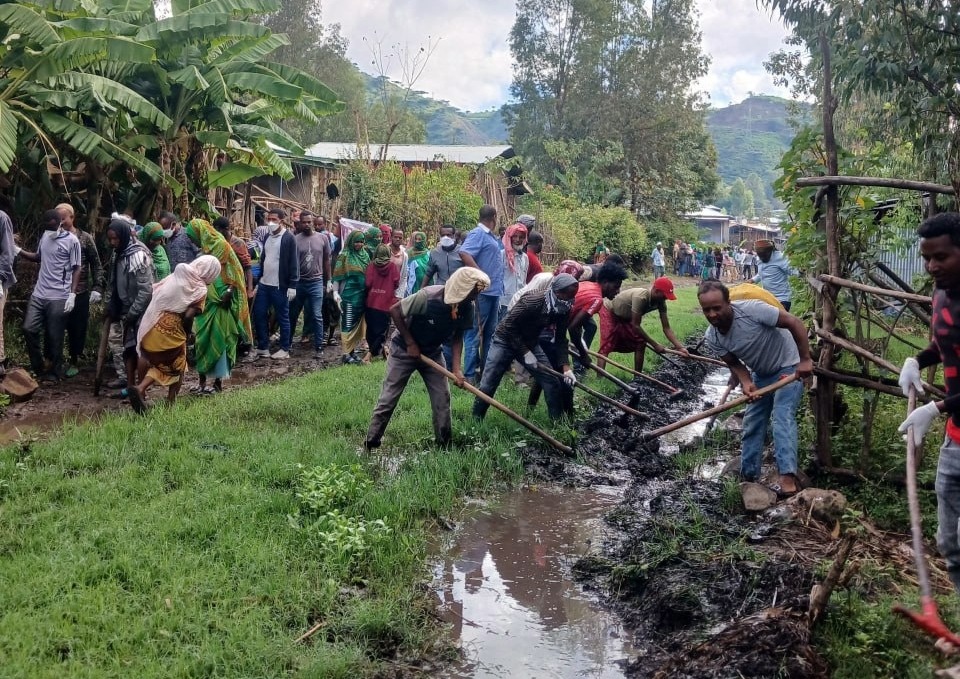
With this government funding, PADet organized mass community health education sessions, advocated for toilet construction ahead of Mawlid, a major annual festival historically linked to cholera outbreaks, and secured training for rapid response teams and malaria prevention. Kalu’s leadership also built a stockpile of supplies, including gloves, IV fluids and antibiotics.
Although conflict and cash shortages delayed early disbursement, leaders re-committed the following fiscal year. The district has since recorded no cholera outbreaks.
“Now that they know they can effectively use this amount of money, they believe they can ask for more,” said PADet Program Manager Yemisirach Tadesse Timihirte.
Learn more about civil society advocacy for epidemic preparedness.