Bridging health security funding gaps with rapid outbreak financing
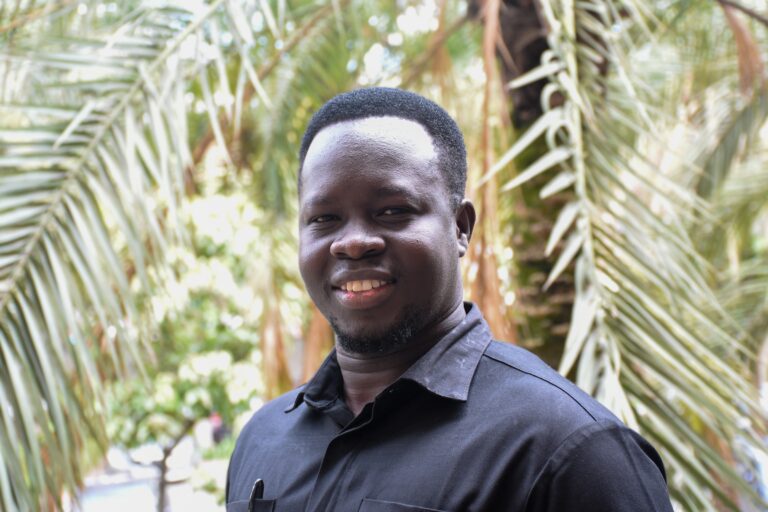
How South Sudan is bridging funding gaps to strengthen health service delivery with support from RTSL.
Highlighting epidemic prevention at the 2025 Africa Health Agenda International Conference
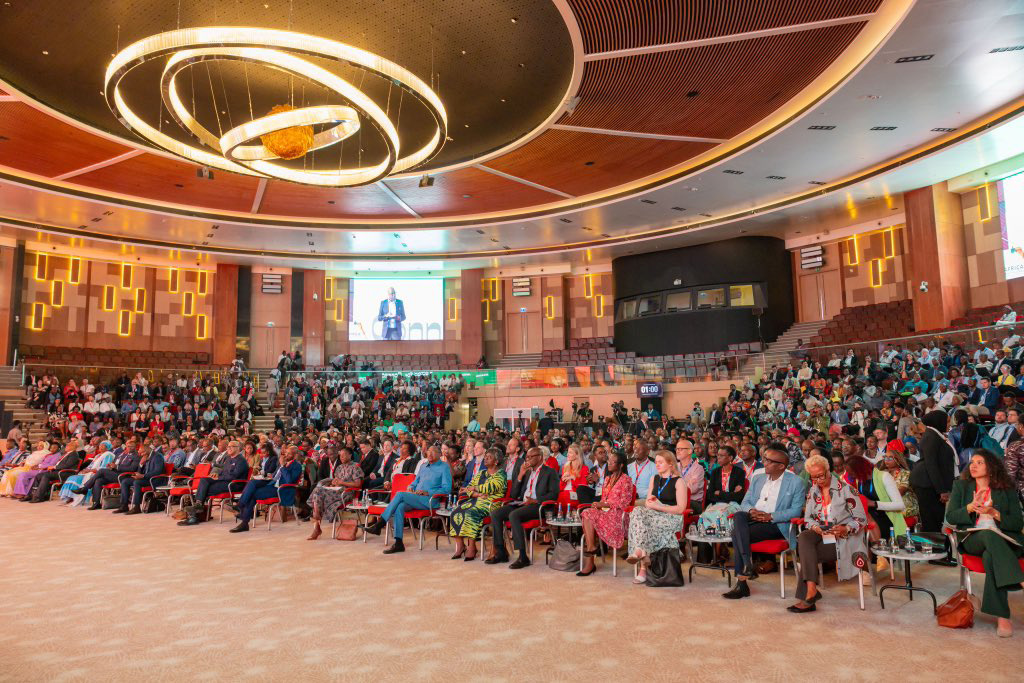
RTSL Nigeria’s Executive Director, Nanlop Ogbureke outlined three proven strategies to ensure countries can respond effectively to health threats.
Advocacy for action: domestic financing for IPC in Ethiopia
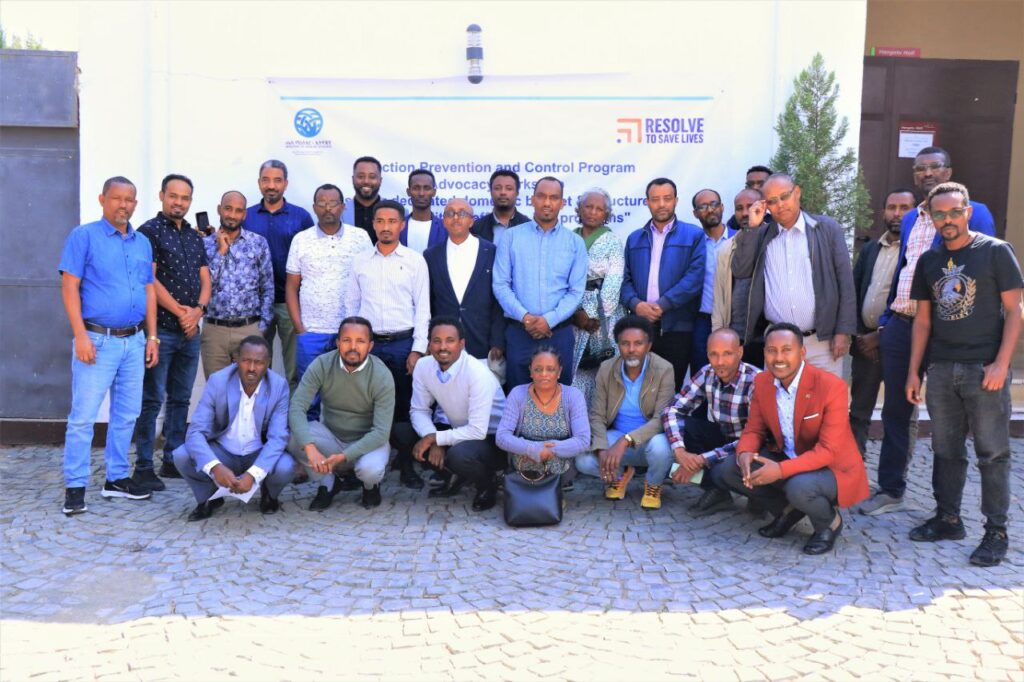
A two-day advocacy workshop focused on the need to strengthen IPC programs to combat healthcare-associated infections and address the growing threat of antimicrobial resistance.
Better blood pressure monitors will help Ethiopia save lives
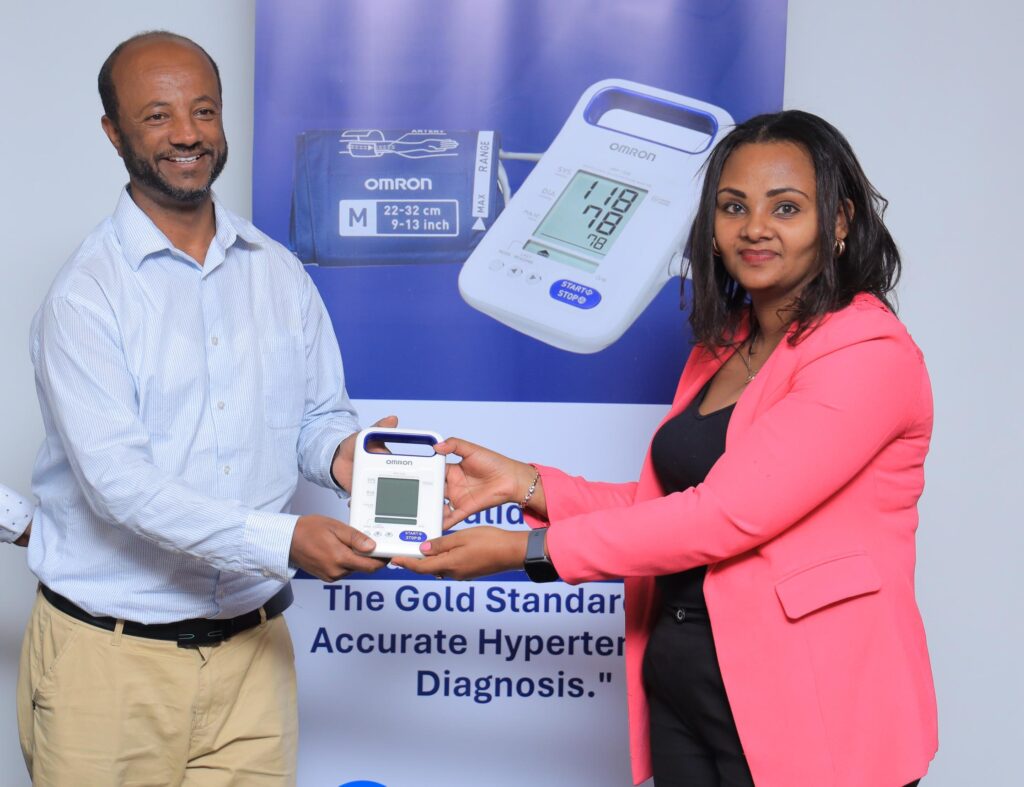
We donated over 100 validated digital monitors to support Ethiopia’s national strategy to combat heart disease.
Ethiopia adopts proclamation to improve delivery of health services

The Proclamation aims to improve the management and delivery of health services across Ethiopia.
Training lab techs to keep toxic trans fat out of Nigeria’s food
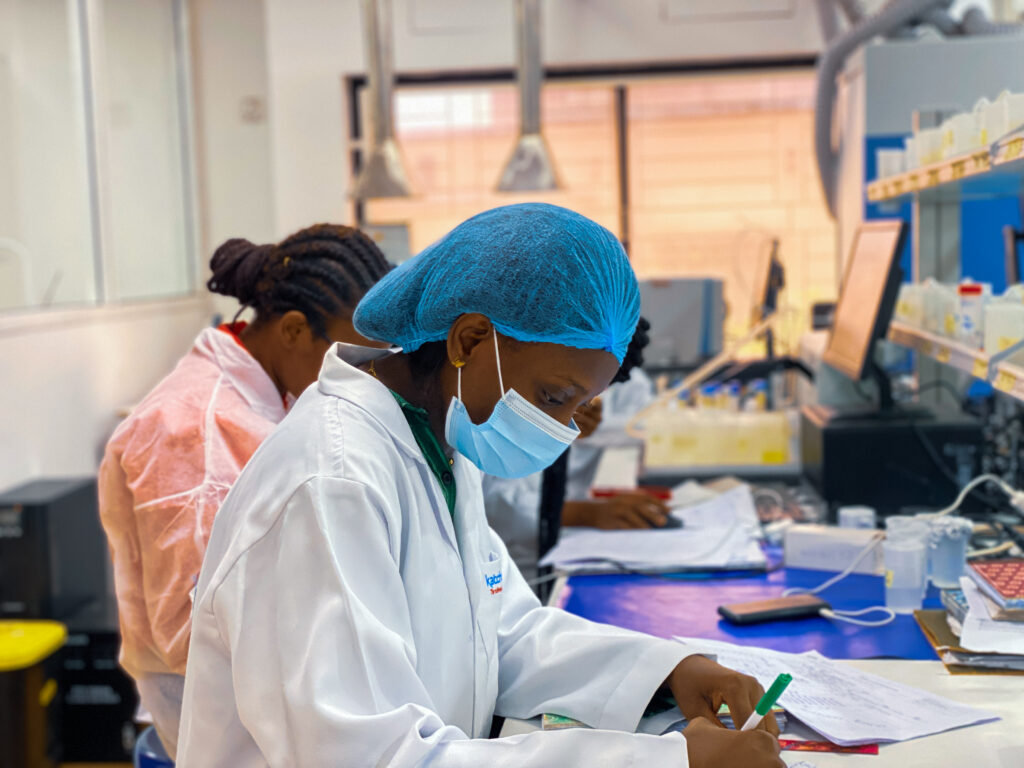
To effectively ban trans fat and enforce compliance, lab tachs need training on simple protocols.
Dr. Lia Tadesse Gebremedhin joins Resolve to Save Lives’ Board of Directors
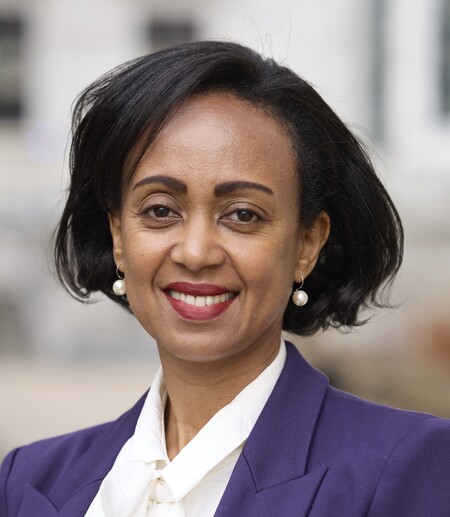
Dr. Lia Tadesse Gebremedhin joins Resolve to Save Lives Board of Directors
Advancing gender equity in Africa’s digital health transformation
The African Women in Digital Health initiative
How “Epidemic-Ready” health facilities in Sierra Leone stopped measles in its tracks
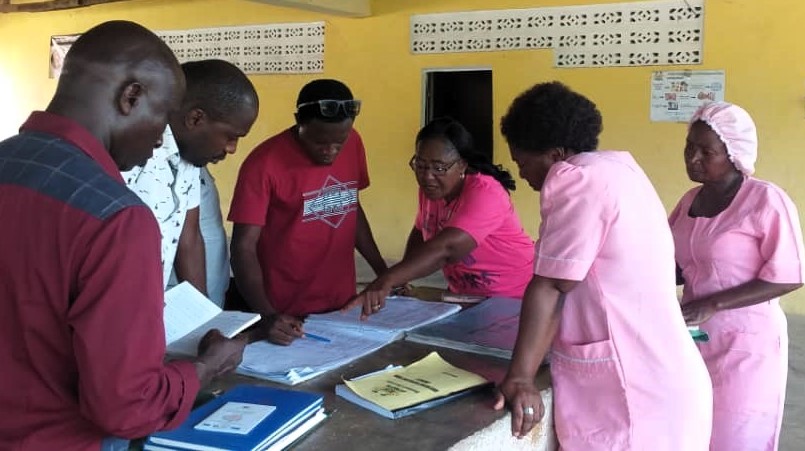
We partnered with primary health facilities in Sierra Leone to train frontline workers to detect and report infectious disease cases.
“Epidemic-Ready” healthcare workers in Uganda sound the alarm to end outbreaks faster
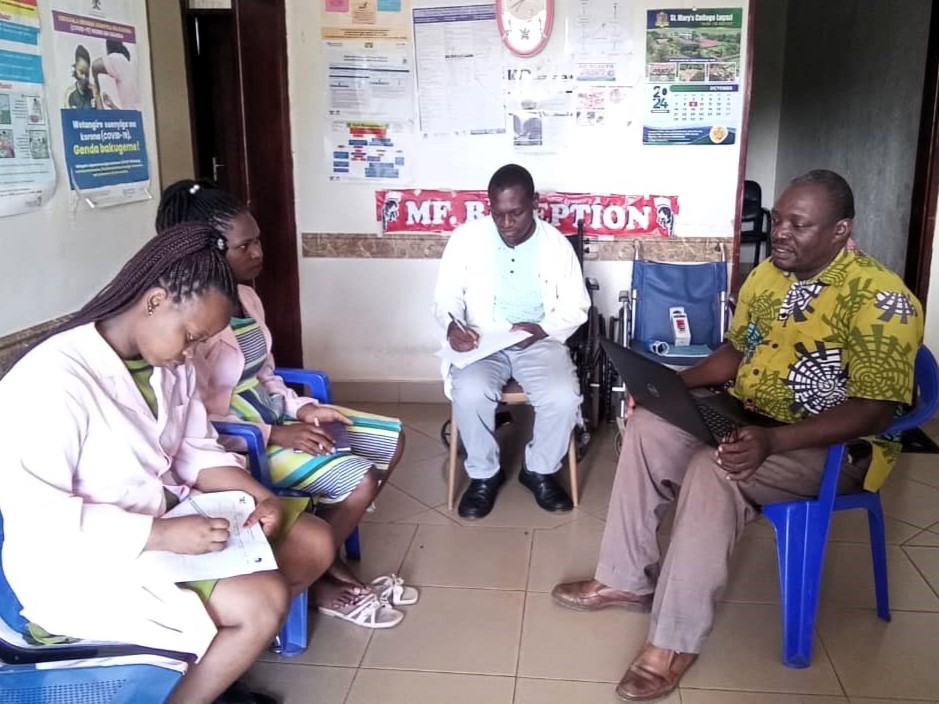
We partnered with Uganda’s Infectious Diseases Institute and its MoH to equip frontline health workers to quickly spot and report infectious disease threats in an Epidemic-Ready Primary Healthcare project.
Widespread adoption of 7-1-7 in Uganda leads to rapid improvement and increased community protection
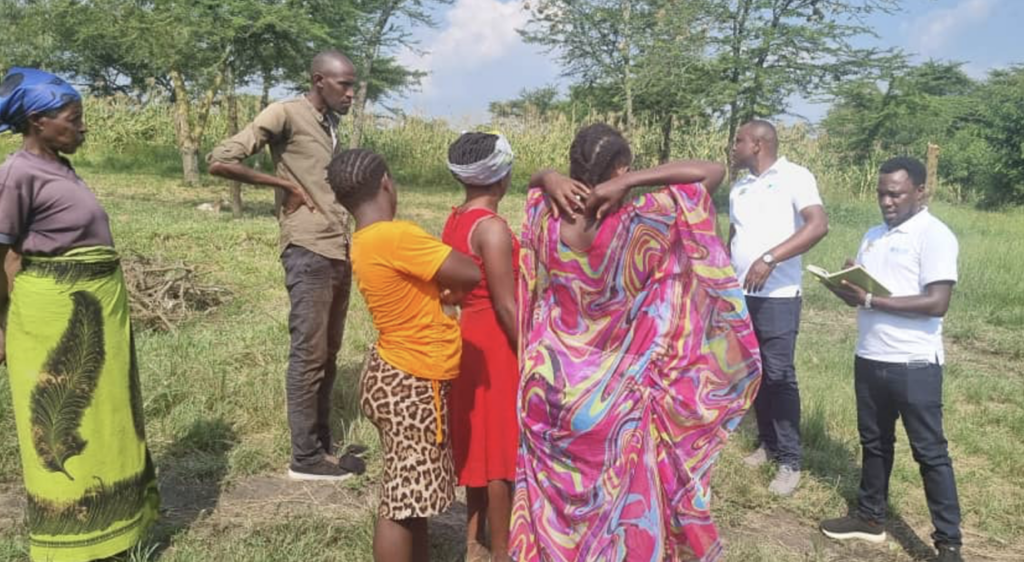
Deploying the 7-1-7 target during measles outbreaks in Uganda’s Kasese and Kiboga districts in early 2024 helped mobilize the political will and the resources necessary to respond to the outbreaks. It also helped the districts react more quickly when an even more deadly virus, the Crimean-Congo hemorrhagic fever, was detected months later.
Salt reduction media campaign (Ethiopia): Avoid Food That Is High in Salt (Mok Kalebet) – concept 1
Salt reduction media campaign (Ethiopia): Avoid Food That Is High in Salt (Mok Kalebet) – concept 2
Enhanced situational awareness: taking action to stop outbreaks before they begin in Ethiopia
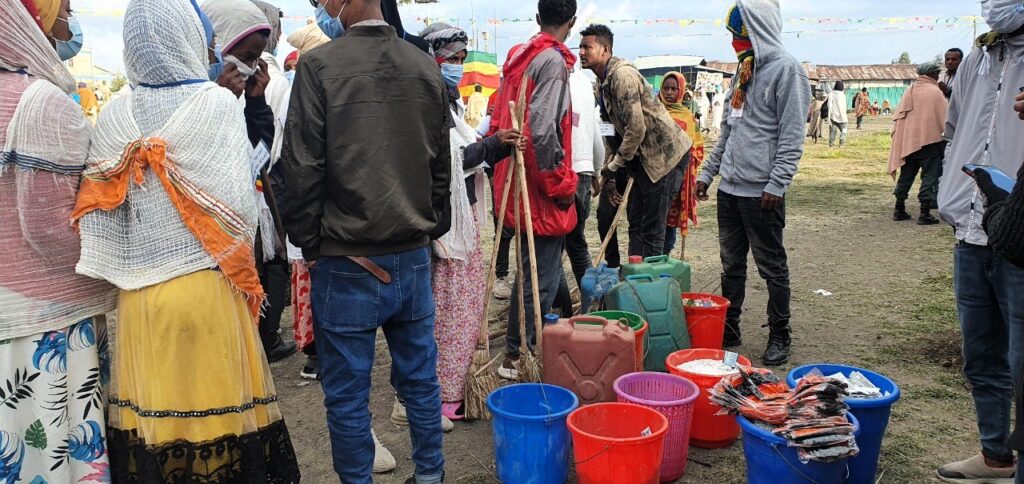
Resolve to Save Lives partnered with the Ethiopian Public Health Institute and local community leaders to prevent a surge in cholera cases during a popular religious holiday.
Connect, detect, protect, treat: learnings from implementing Epidemic-Ready Primary Healthcare
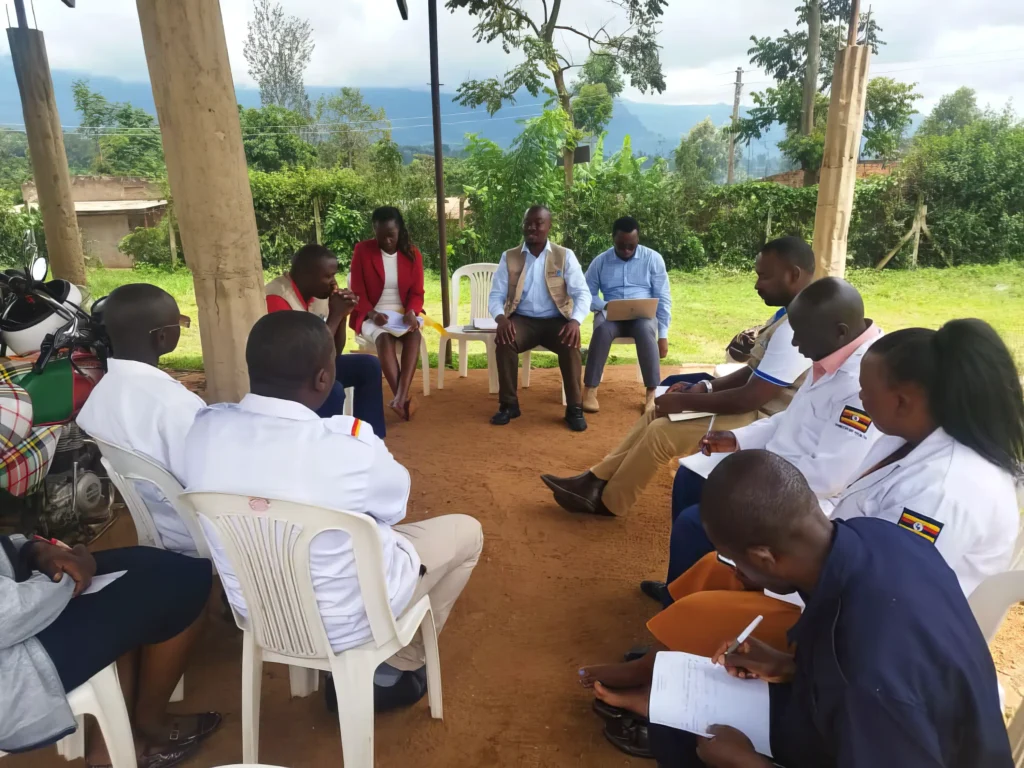
Resolve to Save Lives is partnering with primary health facilities to make sure they’re ready to stop the next epidemic.
7-1-7 helps Kenya quickly contain Rift Valley Fever outbreak
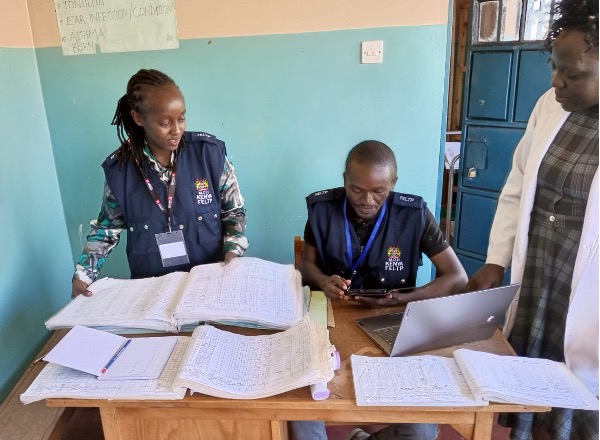
Seasonal heavy rains can spark mosquito-borne infections in livestock and spill over into humans. By applying the 7-1-7 target during a recent outbreak of Rift Valley Fever, Kenya was able to identify barriers to an effective response and quickly get resources to the affected region.
Training healthcare workers to prevent epidemics—with their smartphones

Resolve to Save Lives and our partners at HealthLearn developed free, mobile-optimized training courses that help frontline healthcare workers recognize, report and contain infectious disease outbreaks.
How event-based surveillance is saving lives in Sierra Leone
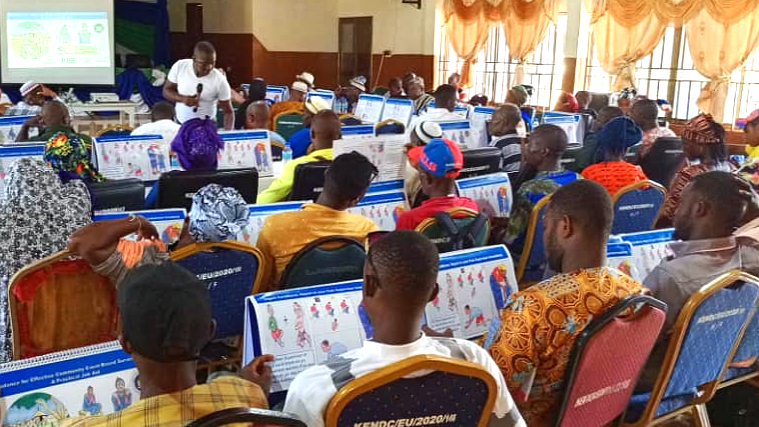
Resolve to Save Lives collaborated with Sierra Leone’s Ministry of Health and global partners to support advanced surveillance for the earliest signs of an outbreak.
How “event-based surveillance” is saving lives Sierra Leone
Resolve to Save Lives partnered with the Sierra Leone Ministry of Health and global partners to support event-based surveillance for the earliest signs of an outbreak. By focusing on advanced signals such as sudden growth in pharmacy sales or drops in school attendance, event-based surveillance will allow the Ministry to detect outbreaks more quickly, thereby […]
New policies in Nigeria will help save lives from heart disease
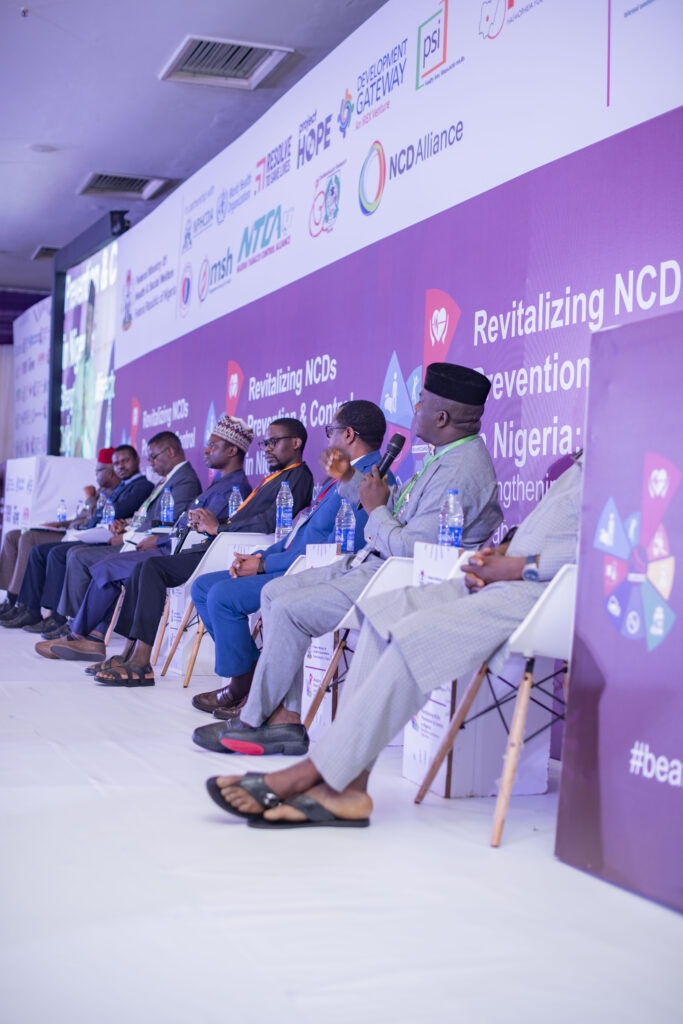
In partnership with Resolve to Save Lives, Nigeria’s Federal Ministry of Health and Social Welfare unveiled a bold new strategy.
Nigeria passes first subnational health security bill

Resolve to Save Lives recently supported the passage of Nigeria’s first subnational health security bill in partnership with the Nigeria Centre for Disease Control and Prevention and the Government of Kano State. This new law brings Kano State into alignment with International Health Regulations (2005) and will allow the state to better protect its people—and […]
How Kano became the first state in Nigeria to pass landmark health security law
Kano is the first state in Nigeria to adopt comprehensive subnational health security legislation.
How Ethiopia established its first ever national infection prevention and control budget
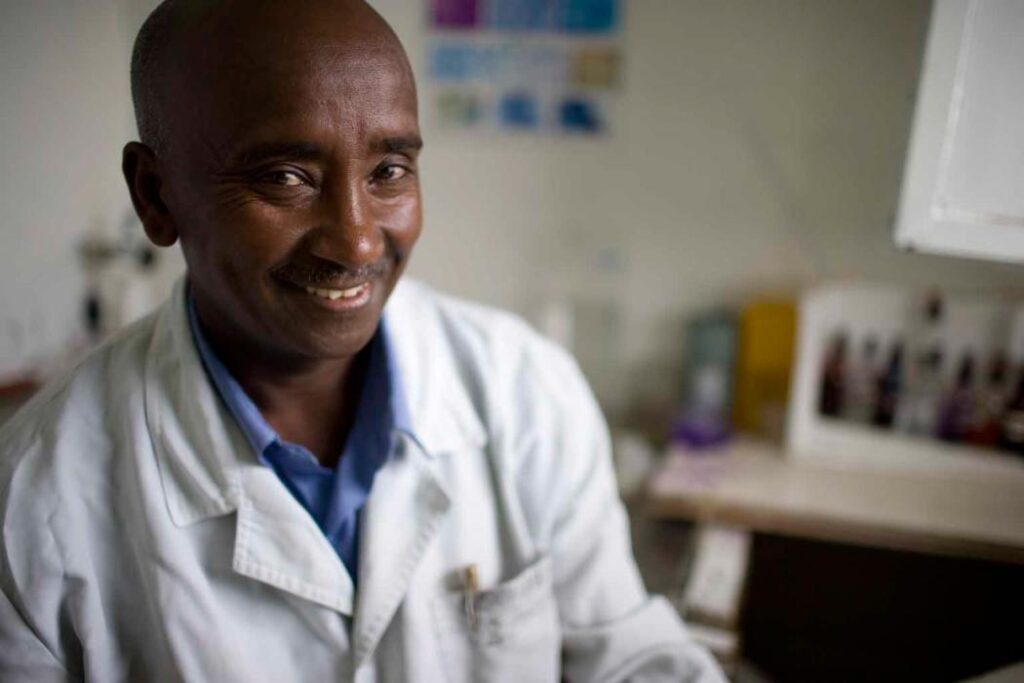
The nation’s recent success represents a milestone for global health security efforts.
New African Women in Digital Health Mentorship Program

The new RTSL-supported African Women in Digital Health Mentorship Program is now accepting applications. Women are integral to achieving Africa’s inclusive growth and sustainable development agenda. This new program will help enhance the representation and leadership of African women in the digital health sector by bolstering their business acumen and leadership skills, supporting them to thrive […]
7-1-7 saves lives in South Sudan
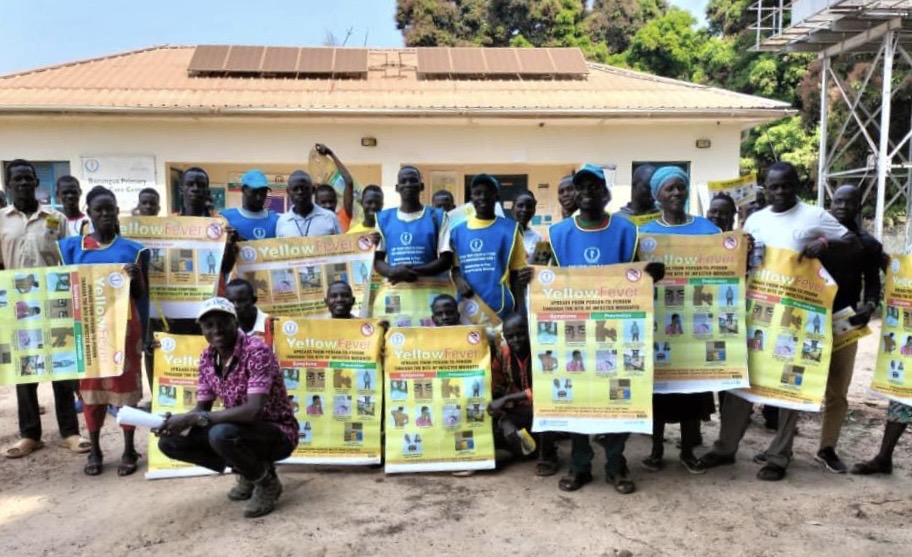
Yellow fever is endemic throughout sub-Saharan Africa. But the 7-1-7 target is helping contain outbreaks quickly.
Flexible funding for epidemic response is a game-changer
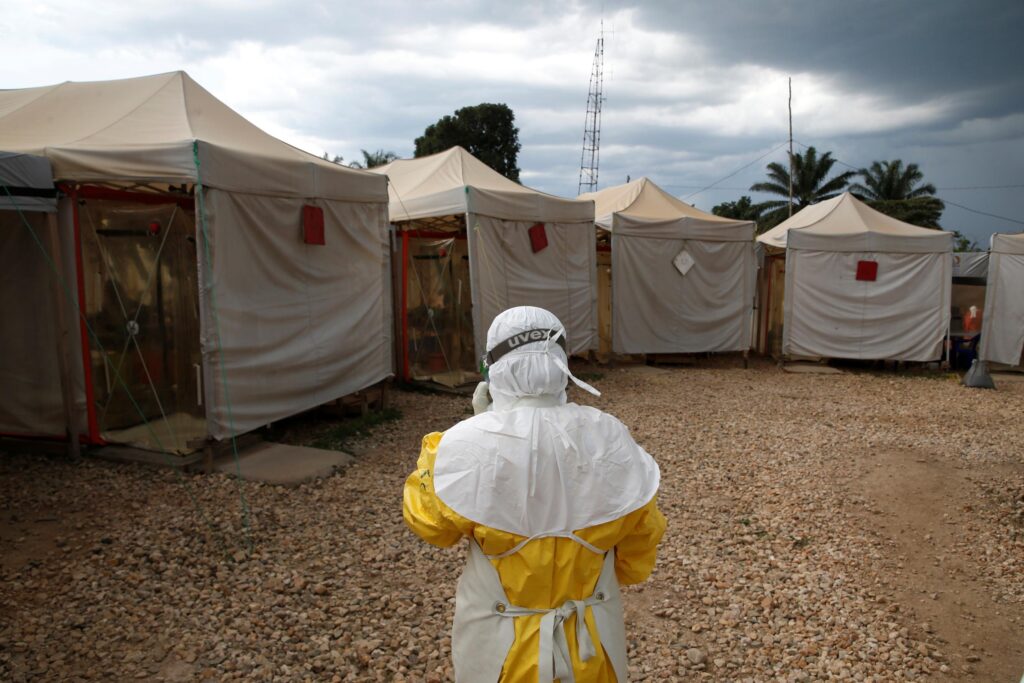
In her latest op-ed for Think Global Health, our Senior Vice President for Prevent Epidemics, Amanda McClelland, explains how early access to flexible funding at the first sign of an outbreak can save tens—or even hundreds of thousands of dollars—in addition to lives and livelihoods. Get the full story at Think Global Health.
Establishing Nigeria’s first subnational public health institute

This historic development makes Kano the first state in Nigeria to establish a public health institute at the subnational level.
On-demand mobile training for health workers can improve treatment for chronic conditions
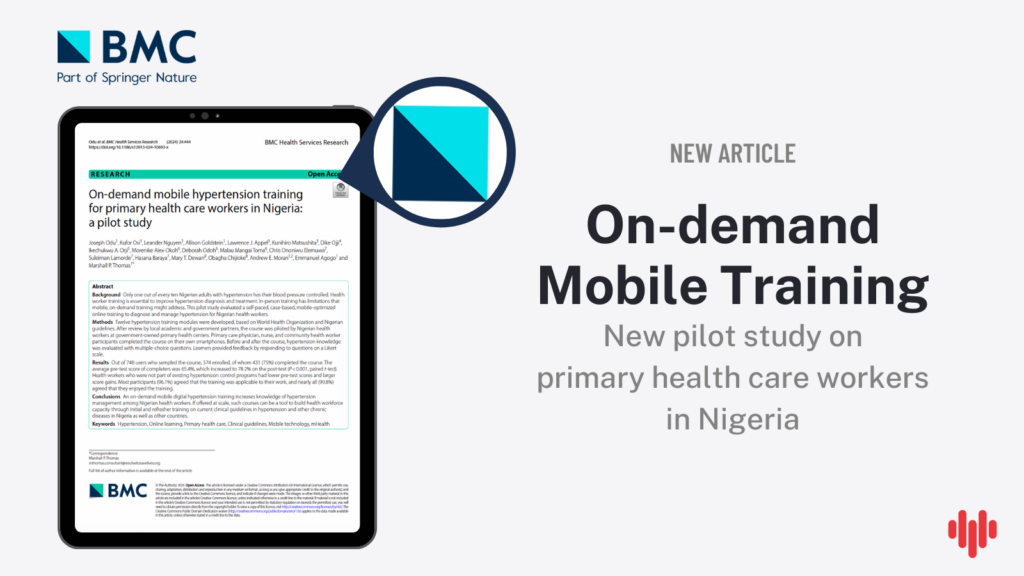
A new pilot study in BMC Health Services Research explores on-demand mobile training for healthcare workers to support progress in chronic disease management.
Celebrating World Health Worker Week
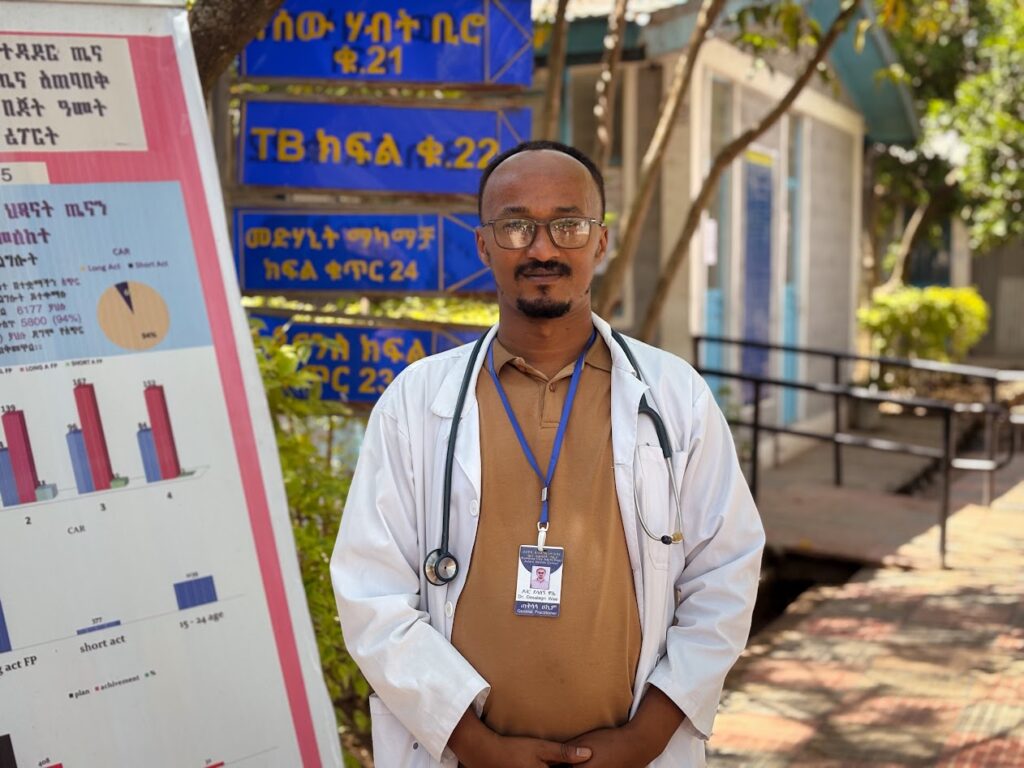
Amanda McClelland tells the story of how Resolve to Save Lives partnered with Ethiopia to create the nation’s first domestic IPC budget, a much-needed step for health worker safety.
Leadership training for health security leaders
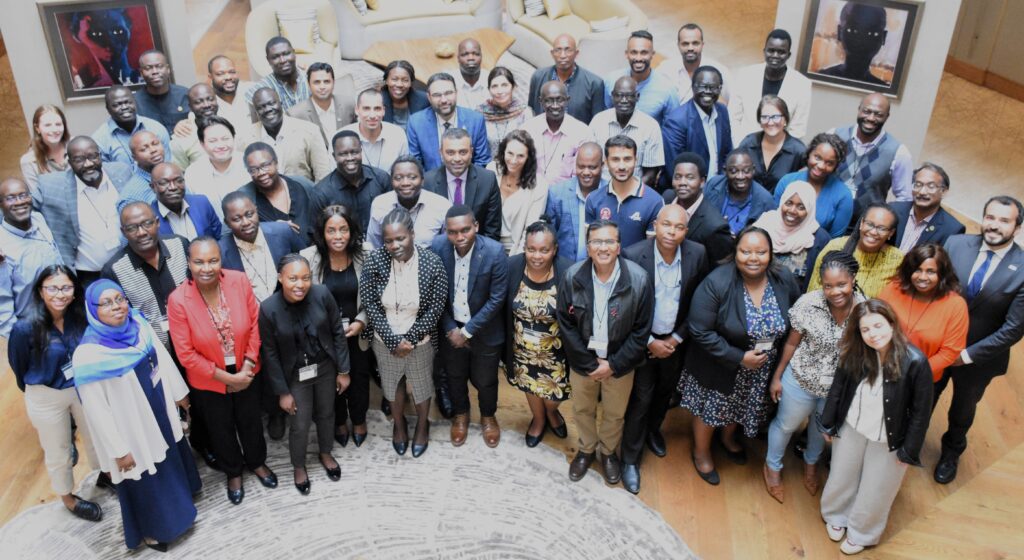
71 public health experts from 12 countries across Africa and the Middle East recently gathered in Nairobi, Kenya, for Program Management for Epidemic Preparedness (PMEP) Core.