Strengthening legal frameworks to enable early and effective action and prevent epidemics
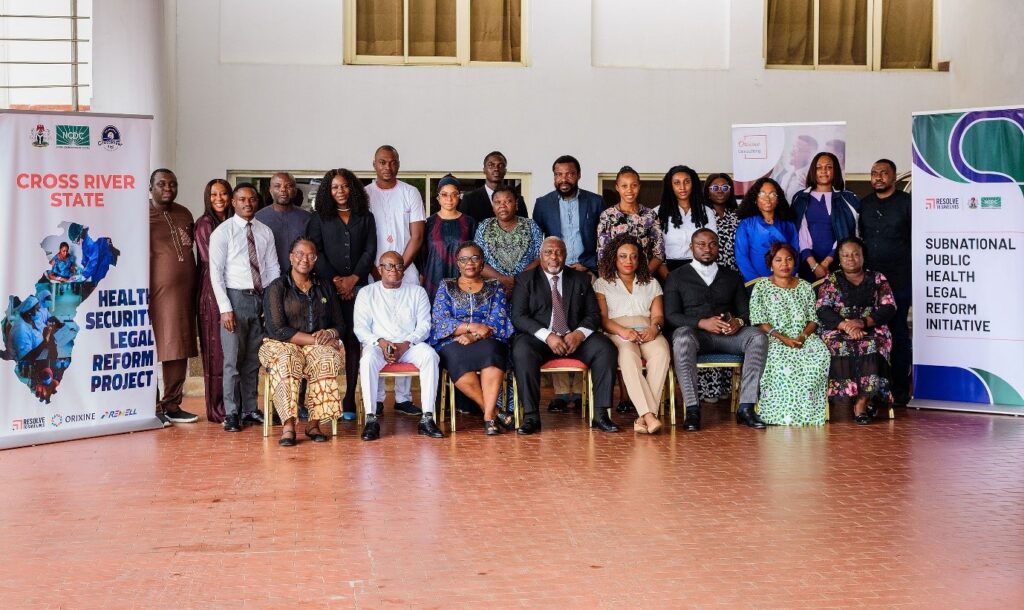
Right: Participants in “Law & Health Security: Strengthening Nigeria’s Legal Preparedness”. Credit – Resolve to Save Lives
Participants in "Law & Health Security: Strengthening Nigeria's Legal Preparedness". Credit: Resolve to Save Lives
Challenge
Without strong legal frameworks, governments lack the authority to act quickly against epidemic health threats, putting lives and livelihoods at risk.
Solution
We partner with governments and civil society organizations to strengthen legal frameworks, aligning laws with international standards and local needs.
Impact
Stronger laws enable governments to detect, report and respond to infectious disease outbreaks faster, protecting communities and preventing epidemics.
What are health security laws and regulations?
When a health threat emerges, governments need the legal authority to act immediately. Without it, response efforts stall and outbreaks that could be contained spiral into larger crises.
Strong legal frameworks lay the groundwork for preparedness long before an outbreak begins. The right laws enable governments to:
Investigate cases and share data across borders
Direct resources quickly to where they’re needed
Hold multiple sectors accountable for health security
Fund preparedness activities outside of emergencies
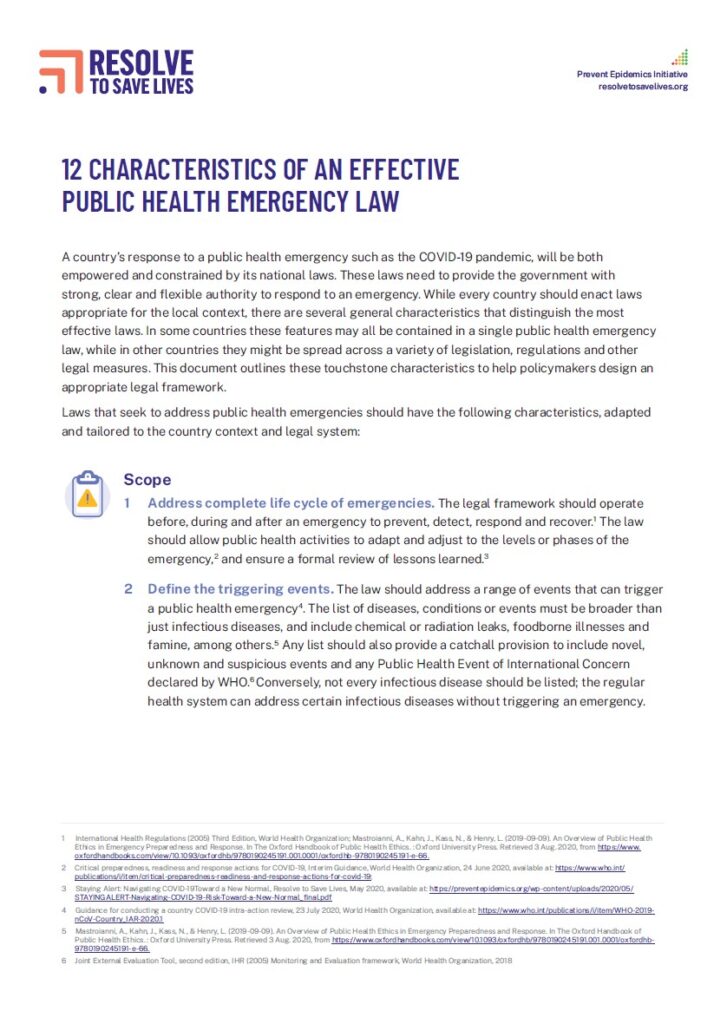
A framework designed for one legal system may not function in another. Effective legal reform connects international standards such as the International Health Regulations (IHR) (2005) to each country’s own legal traditions, structures and national priorities.
Effective public health legal frameworks share common characteristics. They give governments clear authority to act during emergencies, protect individual rights, enable cross-border coordination and create accountability mechanisms that function in peacetime, not just in crisis.
The international standard: IHR (2005)
The International Health Regulations (IHR) (2005) set the global benchmark for national legal preparedness. Countries that align their domestic laws with the IHR (2005) score higher on Joint External Evaluations (JEEs) and State Party Self-Assessments (SPARs). Higher scores reflect real improvements in a country’s ability to prevent, detect and respond to health threats.
Define clear roles and responsibilities across government
Enable rapid activation of emergency powers with appropriate oversight
Allow for flexible, evidence-based decision-making
Protect and support healthcare workers
Establish financing mechanisms for preparedness and response
How RTSL supports legal reform
Resolve to Save Lives supports governments and partners through every stage of legal reform, from the first assessment to the day a law passes.
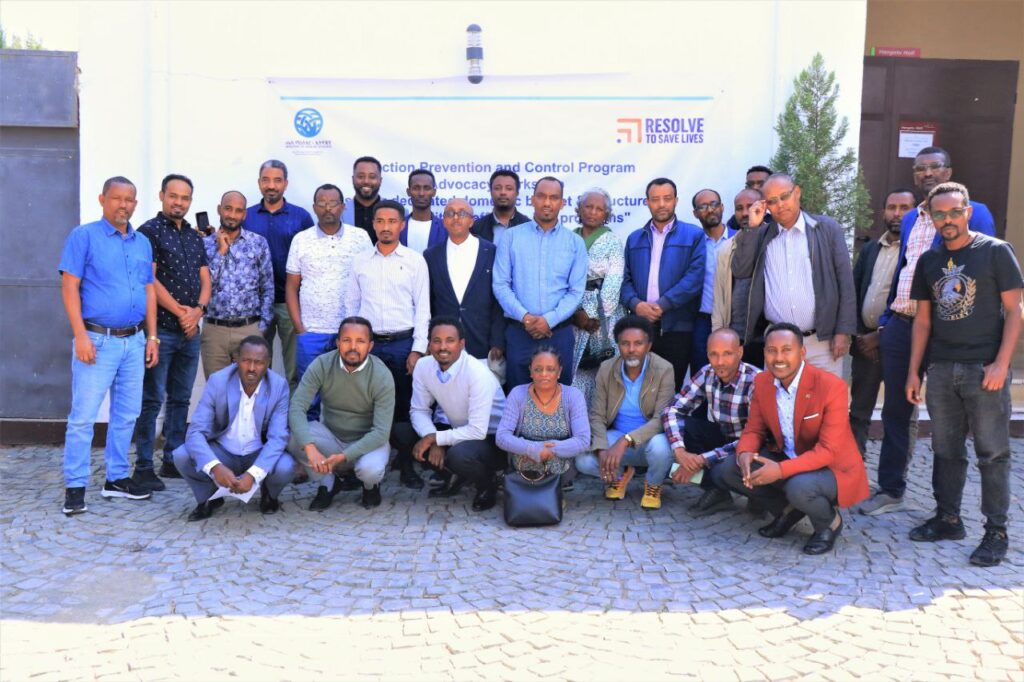
Participants at a legal training workshop, including legal officers from federal and state ministries, departments and agencies in Nigeria. Credit: RTSL
Our team of multilingual legal advisors and embedded consultants works within each country’s own National Action Plan for Health Security (NAPHS). Rather than applying a single template, we adapt international standards to each country’s legal traditions and context. We support governments through:
Mapping and assessment: identifying gaps, inconsistencies and barriers in existing legislation
Stakeholder engagement: convening governments, civil society organizations, regional bodies and international organizations to validate findings and build consensus
Drafting and revision: working alongside national counterparts to translate public health priorities into clear, enforceable legal language
Passage and implementation: supporting governments in navigating legislative processes, building political will and planning for enforcement
Our legal work connects directly to other Resolve to Save Lives priorities, including subnational legislation, infection prevention and control, public health emergency operations centers and epidemic preparedness financing. Strong laws tie these efforts together and make each one more effective.