How we save lives / Epidemic prevention / 7-1-7 Early Disease Detection
How we save lives / Epidemic prevention / 7-1-7 Early Disease Detection
The 7-1-7 target
The first global target for rapid outbreak detection and control. Outbreaks move fast. Countries can move faster.
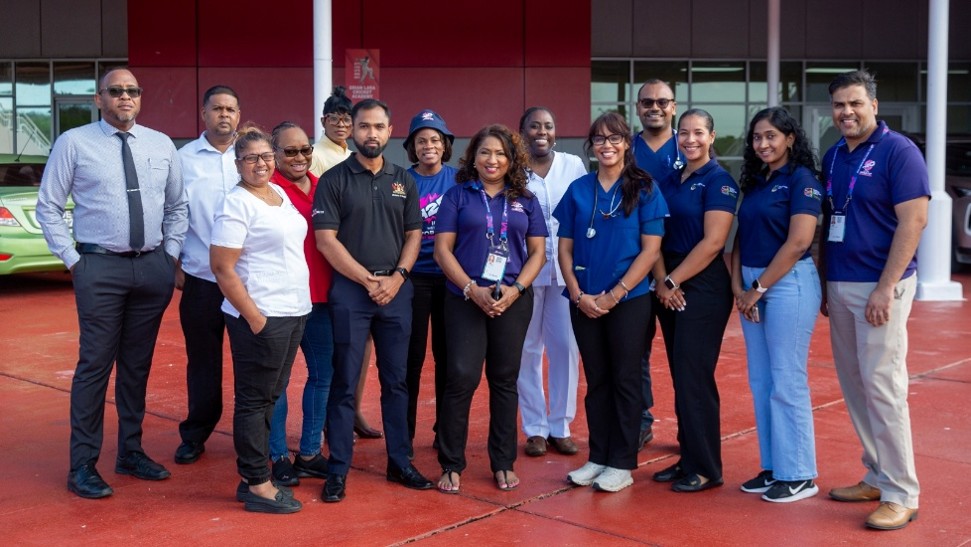
Right: Participants in “Law & Health Security: Strengthening Nigeria’s Legal Preparedness”. Credit – Resolve to Save Lives

Challenge
Every day an outbreak goes undetected, it grows. Too many countries find out too late—and miss the chance to learn what went wrong before the next one hits.

Solution
Most measurement tools tell you what happened. Resolve to Save Lives developed the 7-1-7 target to learn how to do better. By tracking real-world detection, notification and response times, it gives countries a roadmap for continuous improvement.

Impact
One target. 1 in 4 countries using it—or on the road to using it. Through the 7-1-7 Alliance, governments are identifying what slows them down and acting on it—stopping outbreaks faster and saving lives worldwide.
What is 7‑1‑7?

The 7‑1‑7 target sets three timeliness metrics:
7 days to detect
1 day to notify public health authorities
7 days to complete early response actions
When countries meet the 7-1-7 target, the world gets safer. And when they don’t, they get better—because 7-1-7 surfaces the bottlenecks and enablers that shape every response so countries can keep getting faster and more effective over time.
Highlights

How 7-1-7 works
Why use 7-1-7?
It’s an ambitious but achievable target—at national and local levels, and in all country income settings.
It makes every outbreak a learning opportunity and promotes performance improvement. Bottlenecks in outbreak detection and early response are routinely identified so they can be addressed.
It facilitates transparency, advocacy and accountability. Clear and simple metrics make it easier to communicate with partners, decision-makers and the public.
Who has adopted 7-1-7?
- World Health Organization: 7-1-7 is embedded in Early Action Reviews, the Fourteenth General Programme of Work for 2025-2028 and the
National Health Emergency Alert and Response Framework. - World Bank
- Global Fund
- Pandemic Fund
How we support 7-1-7
We designed the 7-1-7 target with partners based on available evidence on event timeliness, prior work on timeliness metrics, existing frameworks and guidance, and country pilots.
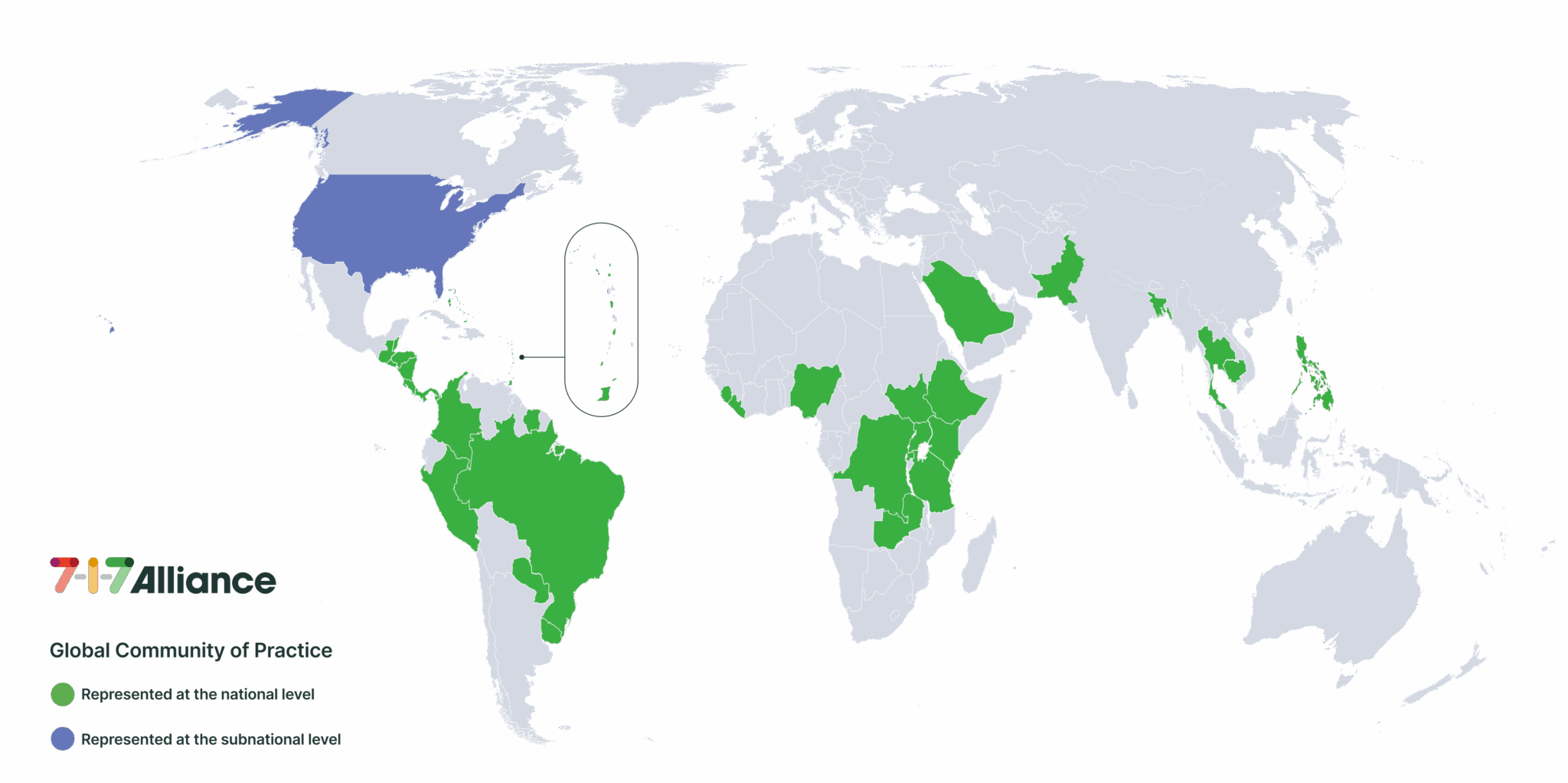
To help all countries achieve the target, we host the 7-1-7 Alliance, a country-led initiative which brings together partners from all over the world to provide resources, training and guidance, and a global community of practice.
With funding from the CDC Foundation, Gates Foundation, Start Small and Wellcome Trust, we are expanding the evidence base that demonstrates how meeting 7-1-7 translates to lives saved and outbreaks contained.
Our research program is answering critical questions:
- Why 7-1-7?
A Lancet study establishes the rationale for using timeliness metrics to improve outbreak response systems. - Does speed actually save lives?
A BMJ Global Health study provides the first statistical evidence that faster detection leads to fewer cases, fewer deaths, and shorter outbreaks. - How are countries actually performing?
A Lancet Global Health study documents 7-1-7 performance across 41 outbreaks in five countries, revealing that while 54% met the detection target and 71% the notification target, early response remains the biggest challenge—only 49% met the early response target, resulting in just one in four outbreaks achieving the full 7-1-7 target.
7-1-7 drives our strategies in epidemic prevention
7-1-7 shows us where systems break down. Our work with partners targets those exact points—so countries can detect outbreaks sooner and stop them faster.
Delays in detection
- Epidemic-read primary healthcare: The first sign of an outbreak often walks through a clinic door. We work with primary healthcare facilities to make sure frontline workers can spot and report cases before they multiply.
- Collaborative surveillance: Good data saves lives—but only if it moves fast and reaches the right people. We work with national health institutions to build systems that turn information into coordinated action.
Delays in response
- Program Management for Emergency Preparedness (PMEP): Technical expertise alone doesn’t stop outbreaks. It takes leaders who can mobilize resources, bridge sectors and make decisions under pressure. We work with national public health leaders to build those skills.
- Legal: Outdated laws can stall a response at the worst possible moment. We work with legal experts and governments to make sure legal frameworks are ready for the threats countries face today.
7-1-7 in action
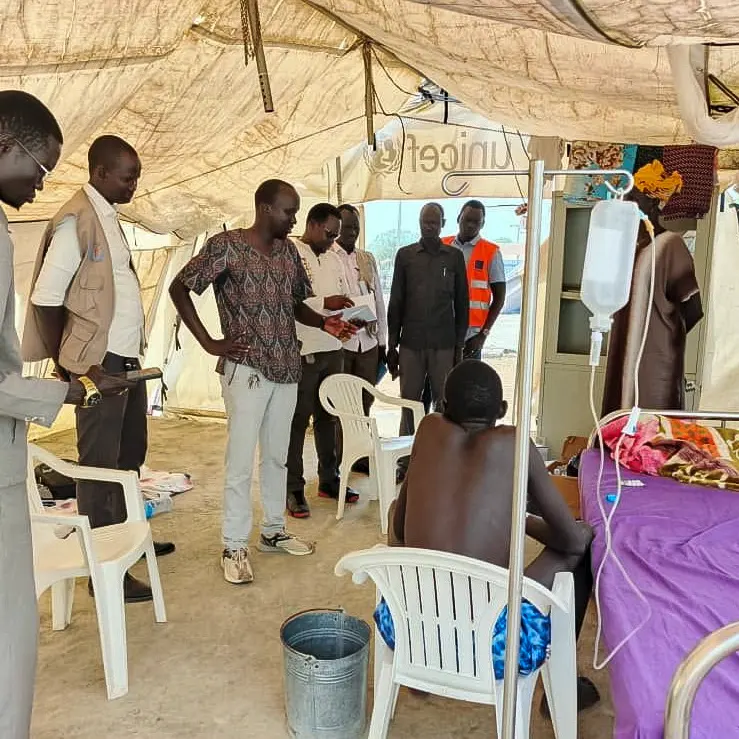
7-1-7 data insights on funding for outbreak investigation
What 7-1-7 data tells us about access to resources to initiate outbreak response and how to improve it.
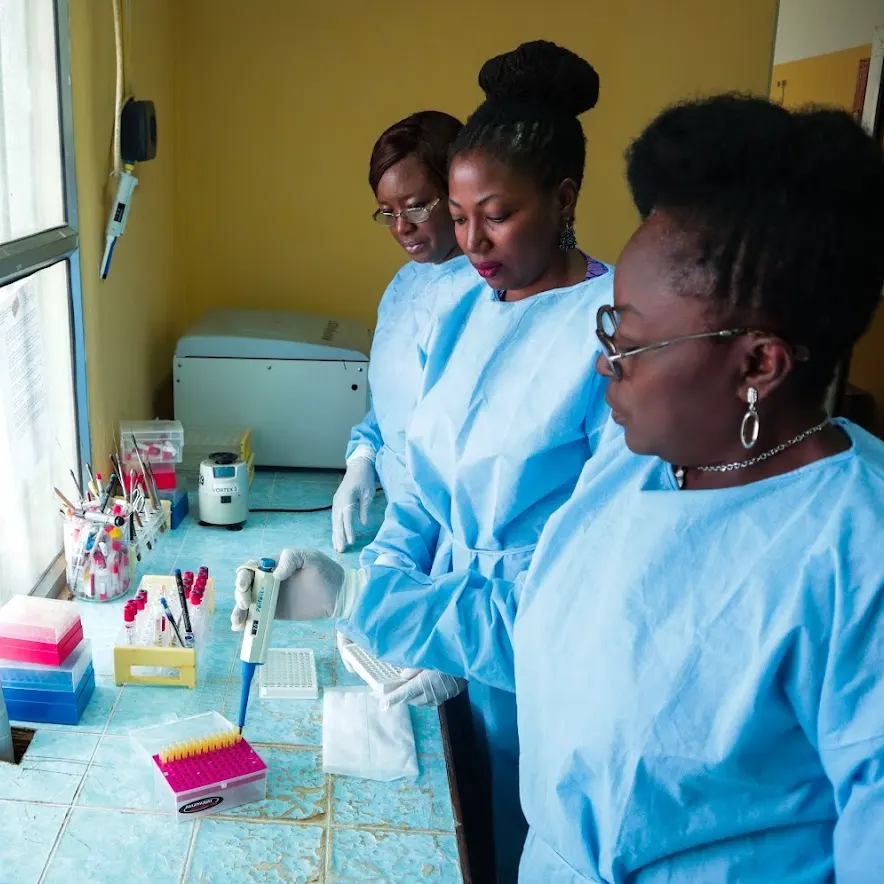
7-1-7 data insights on clinical suspicion
What 7-1-7 data tells us about clinical suspicion in outbreak detection and how to improve it.