National policies provide the framework for responding to public health emergencies, but strong state-level systems are what enable outbreaks to be detected, investigated and contained quickly. Measuring preparedness and using data to drive action are essential to building resilient health systems and strengthening health security across Nigeria.
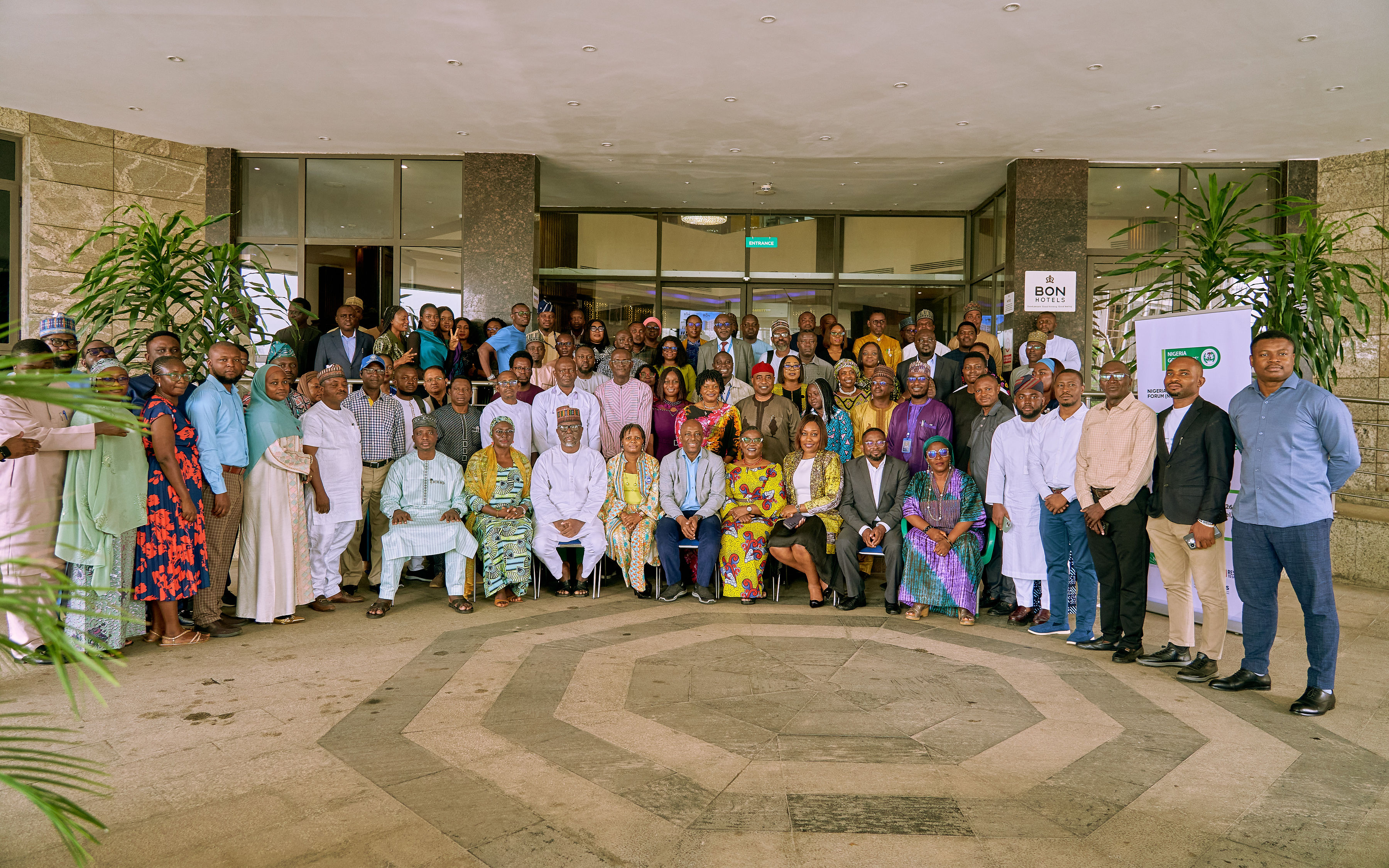
Resolve to Save Lives (RTSL), in collaboration with the Nigeria Governors’ Forum (NGF), the Nigeria Centre for Disease Control and Prevention (NCDC), convened a two-day workshop to review and validate findings from the 2025 NGF Health Security Scorecard. Developed by the NGF Secretariat and the NCDC, with support from RTSL, the scorecard is an accountability tool that assesses states’ preparedness for public health emergencies, identifies critical capacity gaps and supports evidence-based action to strengthen epidemic preparedness and response across Nigeria.
The meeting brought together public health leaders, national and subnational government representatives and development partners to examine preliminary findings, validate supporting evidence and ensure the scorecard accurately reflects health security capacities and challenges across Nigeria’s states.
Dr. Ahmad Abdulwahab, the Executive Director of Programme Partnership at the NGF Secretariat, said: “At the Nigeria Governors’ Forum Secretariat, we firmly believe that true health security is built from the ground up. While national frameworks provide the architecture, subnational execution and accountability are the bedrock upon which epidemic preparedness, detection and response must rest.”
Nanlop Ogbureke, Executive Director at Resolve to Save Lives Nigeria, pointed to the stakes: “There is little that can be achieved without the states. Health security can only be effective when implemented at the subnational level. If we strengthen state capacities and empower leaders to make informed policy and investment decisions, we will be better positioned to prevent and respond to outbreaks such as cholera, Lassa fever, Ebola and other infectious diseases.”
The validated findings from the 2025 Health Security Scorecard will inform state-level planning, guide preparedness investments, and strengthen coordination among governments and partners, ultimately supporting a more accountable, data-driven approach to epidemic preparedness across Nigeria.
The workshop was hosted in partnership with the World Health Organization, the U.S. Centers for Disease Control and Prevention, the UK Health Security Agency and the U.S. government-funded EPiC and STRIDES projects.