As the world moves away from multilateral solutions toward country-led approaches, the importance of strong national health leadership has never been clearer. Preparedness and response cannot be imported in moments of crisis. They must be built, owned and sustained by countries themselves. This moment calls for leadership that can connect people, institutions and sectors into systems that work under pressure.
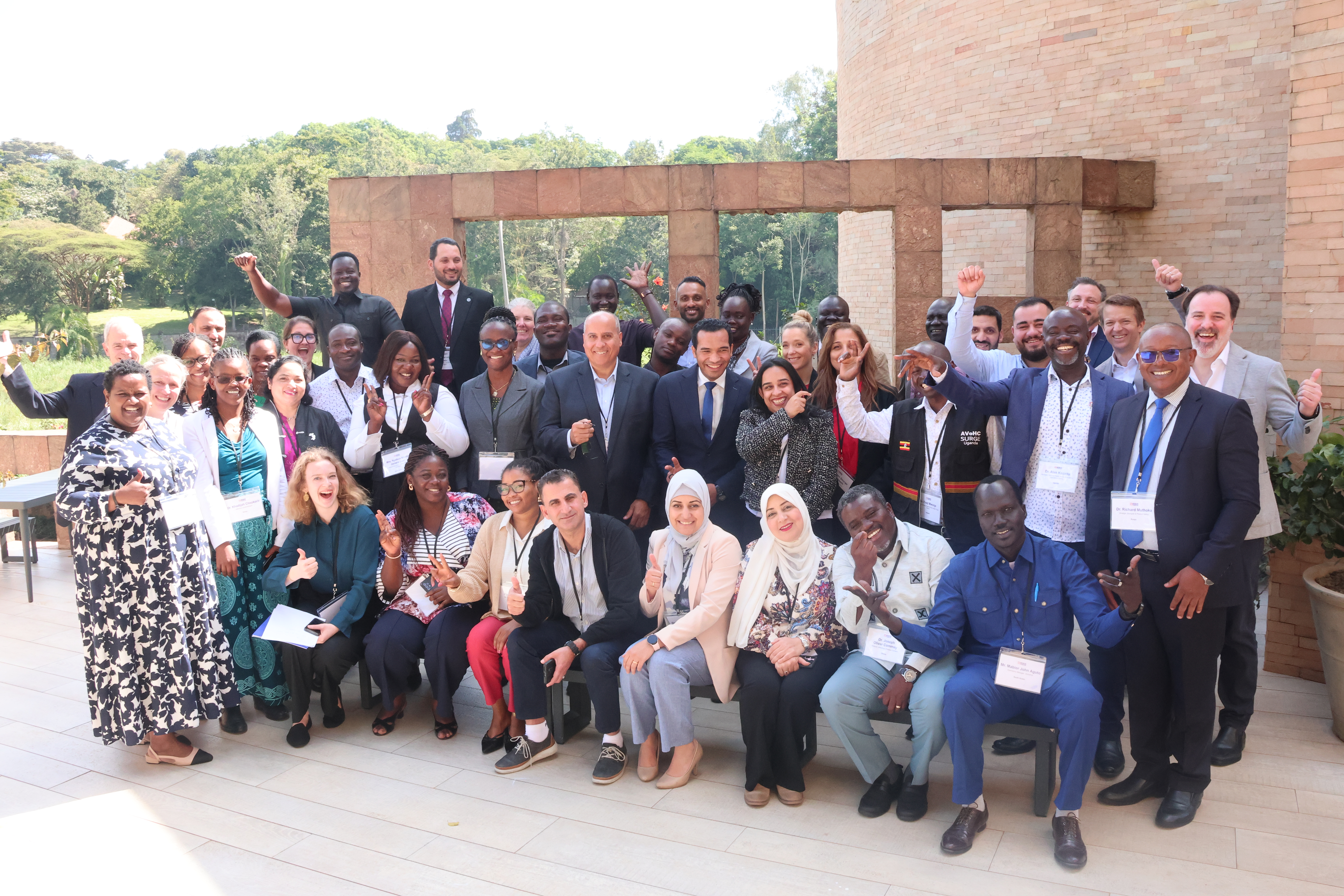
That approach sits at the heart of our new Connected Leadership initiative, which focuses on the relationships and networks that enable effective emergency management. Earlier this month in Nairobi, we convened the first cohort of national public health leaders participating in this program, together with partners from the World Health Organization, the Gates Foundation and the International Association of National Public Health Institutes. Over three days, participants mapped their emergency ecosystems and co-designed strategies to strengthen collaboration before and during crises.
What stood out most was the openness of colleagues to engage candidly with complexity, acknowledging real challenges while identifying practical opportunities to improve how systems function. As we look ahead, we’re excited to deepen this work, supporting leaders with ongoing mentorship as they strengthen the connections that turn plans into action, keep people healthy and safeguard communities. In a more country-led world, leadership that connects may be one of the most powerful tools we have to prevent the next emergency from becoming a crisis.