For countries committed to preventing lead poisoning, understanding how people are exposed to lead is an important early step.
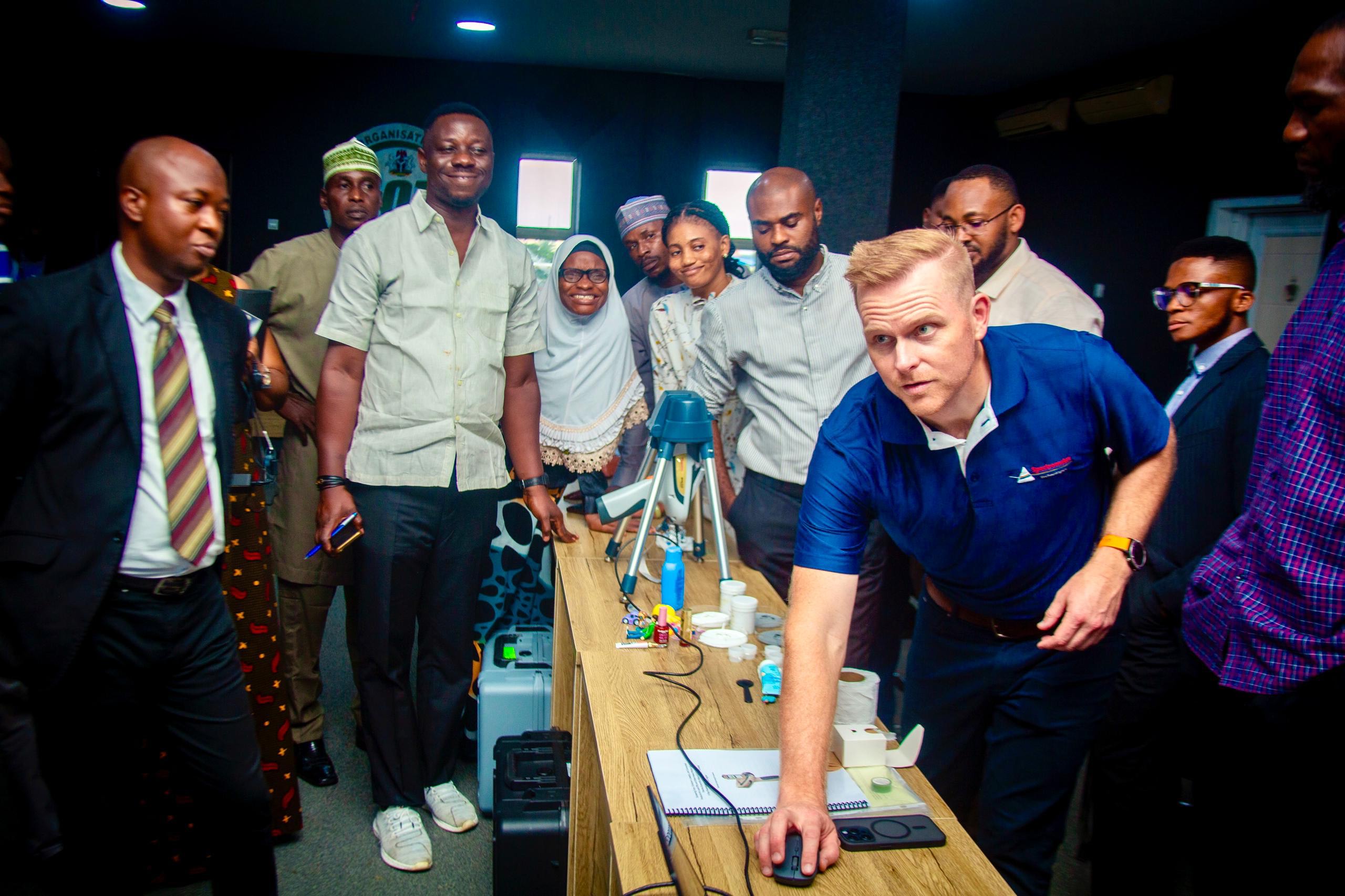
At a two-day workshop held in Lagos in November, Resolve to Save Lives (RTSL) partnered with the Standards Organisation of Nigeria (SON) to train 35 scientists and analysts—from the National Agency for Food and Drug Administration and Control, state environmental health offices, the University of Ilorin, and private laboratories— to use portable X-ray fluorescence (XRF) devices to rapidly screen consumer products for lead contamination.
Building on this work, RTSL will collaborate with Kano, Lagos, Kwara, and Nasarawa states, alongside regulatory agencies, to cascade the XRF training to additional environmental health officers, strengthening post-market surveillance for cosmetics. The University of Ilorin will also begin market testing of cosmetics across four states to build evidence on sources of lead contamination nationwide.
In partnership with government agencies, regulatory institutions, academia, and community partners, RTSL supports efforts to reduce lead exposure from consumer products in Nigeria by strengthening surveillance and testing capacity and advancing evidence-based policies.
Learn more about our work in Nigeria here.