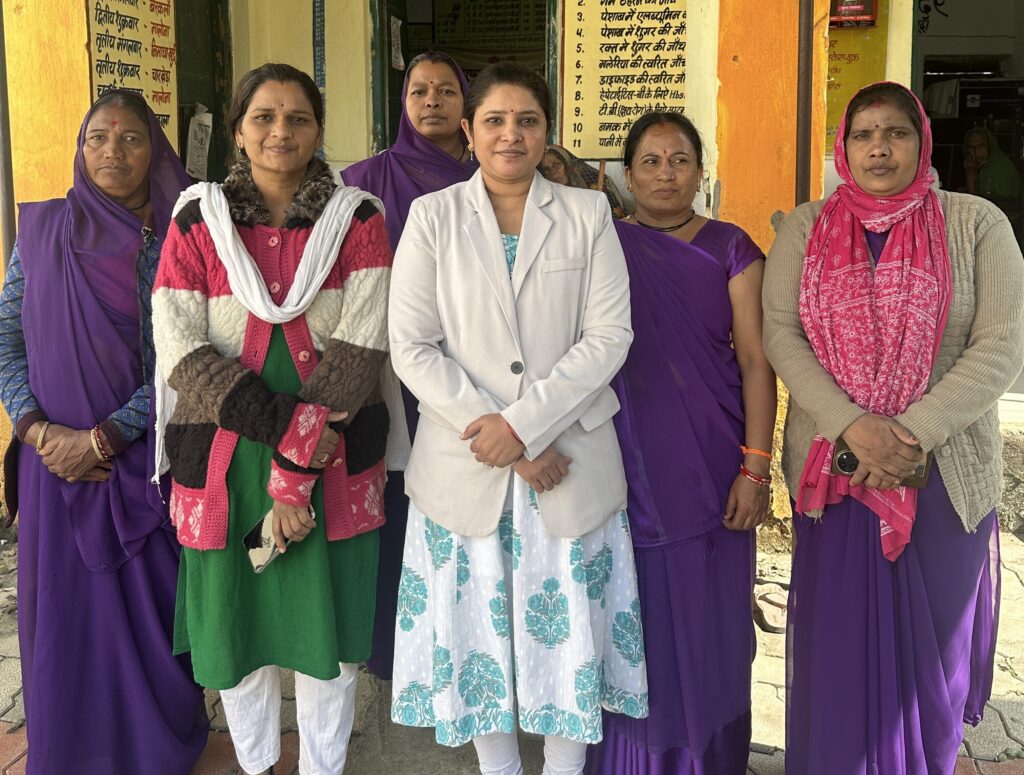
Team photo of the front line health workers
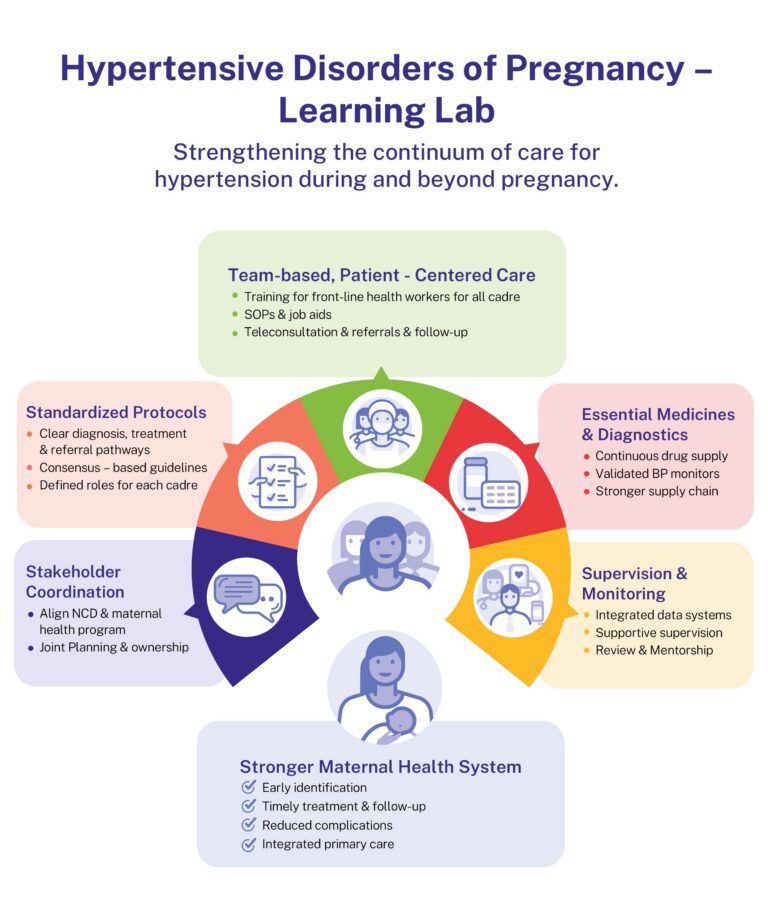
In Harda district in Madhya Pradesh, India, a pilot project on Hypertensive Disorders of Pregnancy (HDP) is helping improve how women are screened, treated, and followed up with blood pressure care during and after pregnancy. Along with providing technical guidance on a standardized treatment protocol, RTSL supported the development of a digital tool to help health workers identify women at high risk for preeclampsia and systematically capture key data elements not available on other platforms, such as ANMOL or the NP-NCD portal.
We spoke with a pregnant woman, a Community Health Officer, and a district official to learn more about how this initiative is making a difference.
The patient experience
Alka, a mother expecting her second child, was diagnosed with high blood pressure during this pregnancy.
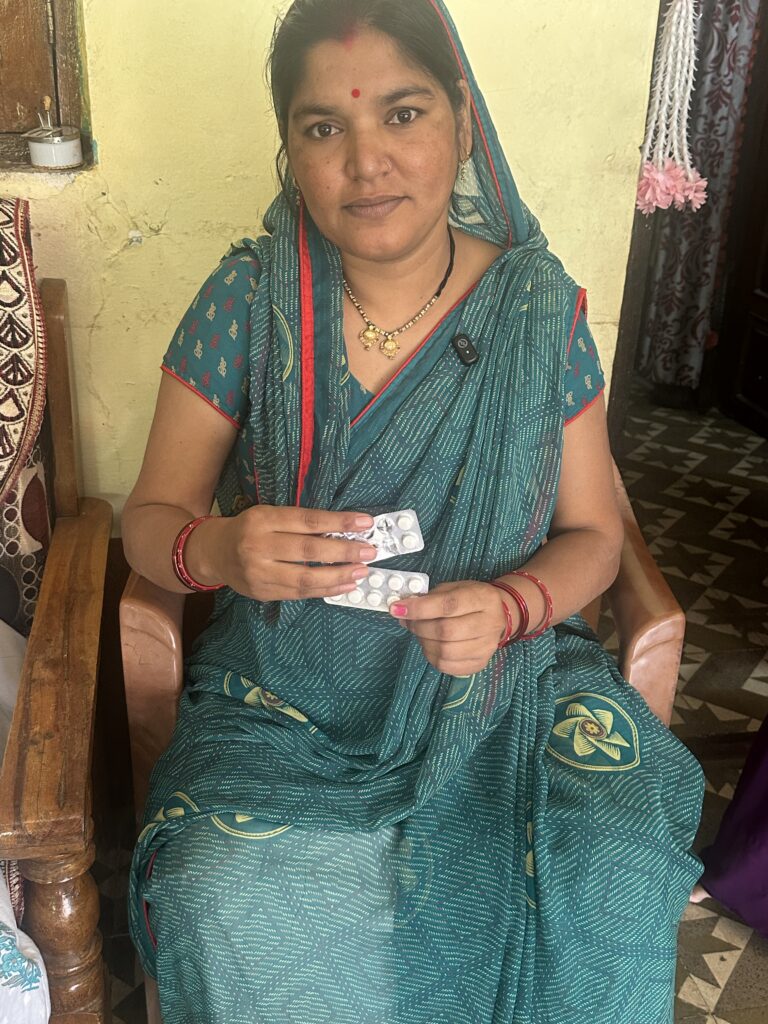
How did you feel when you learned that you had high blood pressure during pregnancy? Did you know about it before?
I had gone for my regular check-up after the health worker from my village called me. I did not know that I had high blood pressure. During my first pregnancy, I did not face this issue, so I did not even think this could happen to me.
When they told me my blood pressure was high, I was surprised and worried. I did not feel very sick, so I did not realize something was wrong.
Can you tell us about your experience receiving care during your pregnancy? How did the health workers support you?
At the health centre, the Community Health Officer checked my blood pressure and blood sugar and explained that both were high. I was scared at first because I did not understand this condition. But the health worker explained everything clearly. She told me that if I took my medicines regularly and came for follow-up visits, I would be fine.
I was given medicines and asked to come for regular check-ups. The health worker continues to follow up with me and makes sure I take my medicines on time. Now my blood pressure is much more under control. Earlier, I used to feel uneasy and anxious, but now I feel better.
How did the regular visits and follow-ups make you feel? What difference do you think this care made for you and your baby?
The health worker is very supportive and visits regularly. She checks my blood pressure and sugar and makes sure everything is normal. Earlier, during pregnancy, only weight was checked. Now, blood pressure and sugar are also checked regularly.
Health workers even visit our homes to ensure everything is going well. Because of this regular monitoring, I feel more confident and cared for. I believe this care helped prevent complications and ensured my baby’s health.
Pregnant women can develop high blood pressure during pregnancy, even if they’ve never had the condition before. If not identified and treated quickly, gestational hypertension can lead to serious complications, including preeclampsia—and in severe cases, death. Early diagnosis and timely treatment can keep mothers and their babies healthy, and help health care workers treat women at risk for hypertension long-term.
For nearly a decade, RTSL has been working with partners around the world to implement programs to better control high blood pressure, which causes 10 million deaths every year. For the first time, Resolve to Save Lives—which focuses on accelerating action against the world’s deadliest health threats—is working with partners in India to address uncontrolled blood pressure in pregnant women.
The health worker perspective
The Community Health Officer from Harda district has worked on the program since 2025.
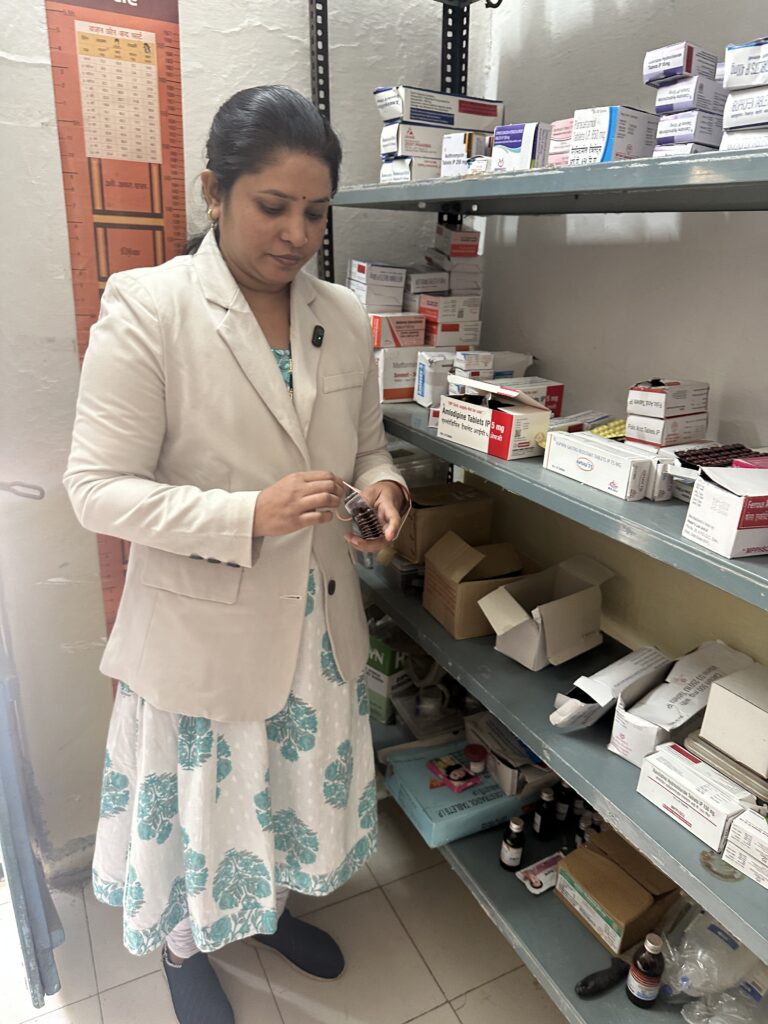
How has the HDP training supported you in identifying and managing high-risk pregnancies more effectively?
After receiving training under the HDP program in 2025, we are better able to identify high-risk pregnancies early. Before, some cases could be missed or detected late. Now we know how to calculate the gestosis score and assess risk properly.
This helps us identify women who may develop serious complications and take action early. The simplified treatment protocol makes it easier to understand which medicines to use and when to refer the mother for appropriate management. Because of this, we can ensure timely and correct treatment and help prevent conditions like eclampsia.
How has the digital tracking tool improved follow-up and overall care?
The digital tracking tool on our mobile phones helps us calculate the gestosis score and record important details about pregnant women that were not captured in existing systems. It helps us identify high-risk women early and monitor their condition more closely. We can easily track their blood pressure, ensure they come for follow-up visits, and take timely action when needed.
The tool also helps the district maintain proper records, making sure no patient is missed and improving the overall care for high-risk pregnancies.
How has this initiative strengthened the care and support provided to high-risk pregnant women?
This project has benefited both health workers and mothers. Our knowledge has improved, and we are more confident in identifying high-risk cases early and initiating appropriate management. Women feel reassured because they receive regular follow-up and proper guidance closer to home. Timely action makes a big difference in ensuring a safe pregnancy and healthy delivery. The initiative also strengthens continuity of care by linking women at risk of hypertension to ongoing follow-up and long-term management within the health system.
The district perspective
Dr Sunil Kumar Dwivedi is a District Health Officer (DHO) from Harda.
What has been most encouraging for you to see since this initiative began?
Regular training of health workers has improved their ability to identify high-risk women early. We are now able to document and monitor women with high blood pressure more effectively.
The care provided has become more focused on the patient. Health workers are giving more attention, comfort, and guidance to pregnant women. This has improved trust in the public health system.
Based on the results in Harda, what potential do you see for scaling this model to other districts?
This pilot project gives us the opportunity to understand what works. We are documenting the results and lessons carefully. Based on the positive response, this model can be expanded to other districts.
We plan to present these learnings to higher officials so that the approach can be integrated into maternal health and NCD programs and scaled up across the state.
How does this pilot fit into the government’s broader efforts to reduce maternal deaths in Madhya Pradesh?
Reducing maternal deaths is a priority for the government. Enabling primary healthcare providers to manage high blood pressure during pregnancy plays an important role in achieving this goal.
This pilot strengthens the health system by improving early detection, regular follow-up, proper documentation, and timely referral. It supports the government’s broader efforts to improve maternal health and ensure safer pregnancies across Madhya Pradesh.