How do local governments contribute to pandemic response? Surveying 25 cities, we documented a crucial role in risk communication and community coordination.
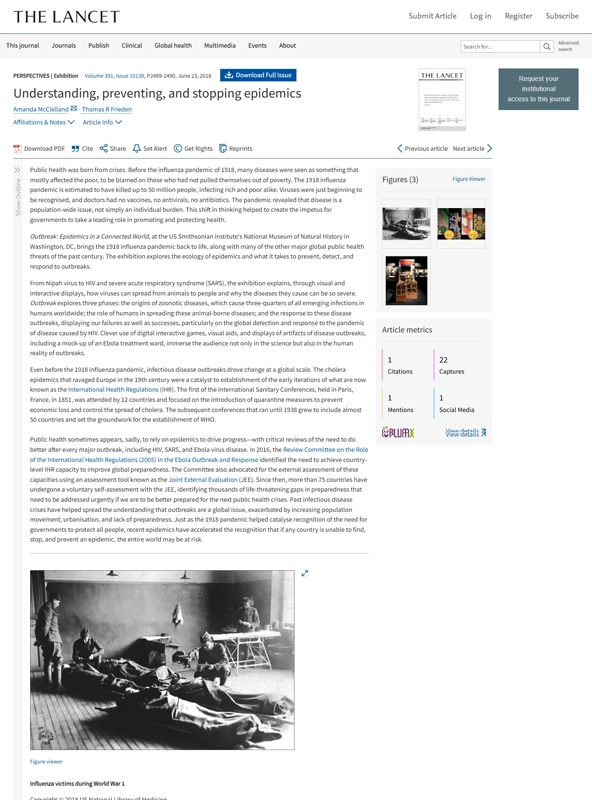
The Smithsonian exhibition, Outbreak: Epidemics in a Connected World, shows that we cannot wait for the next epidemic—we must act on current information to end preventable outbreaks.
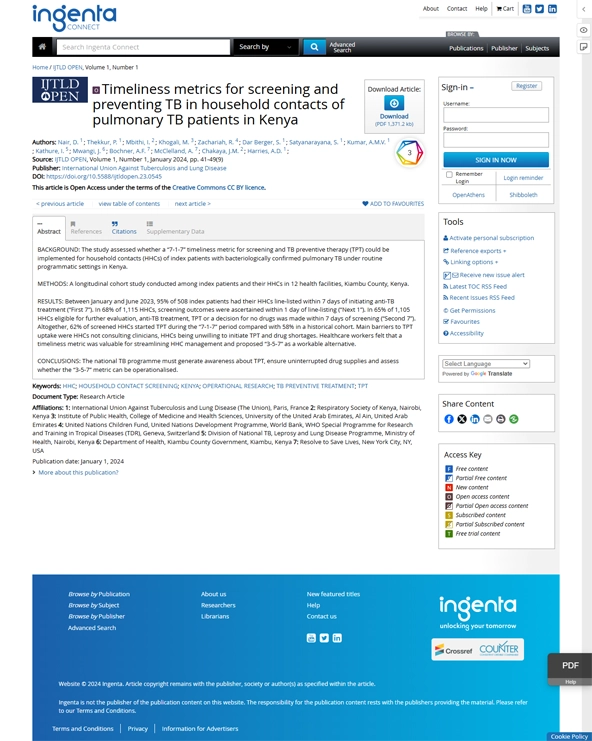
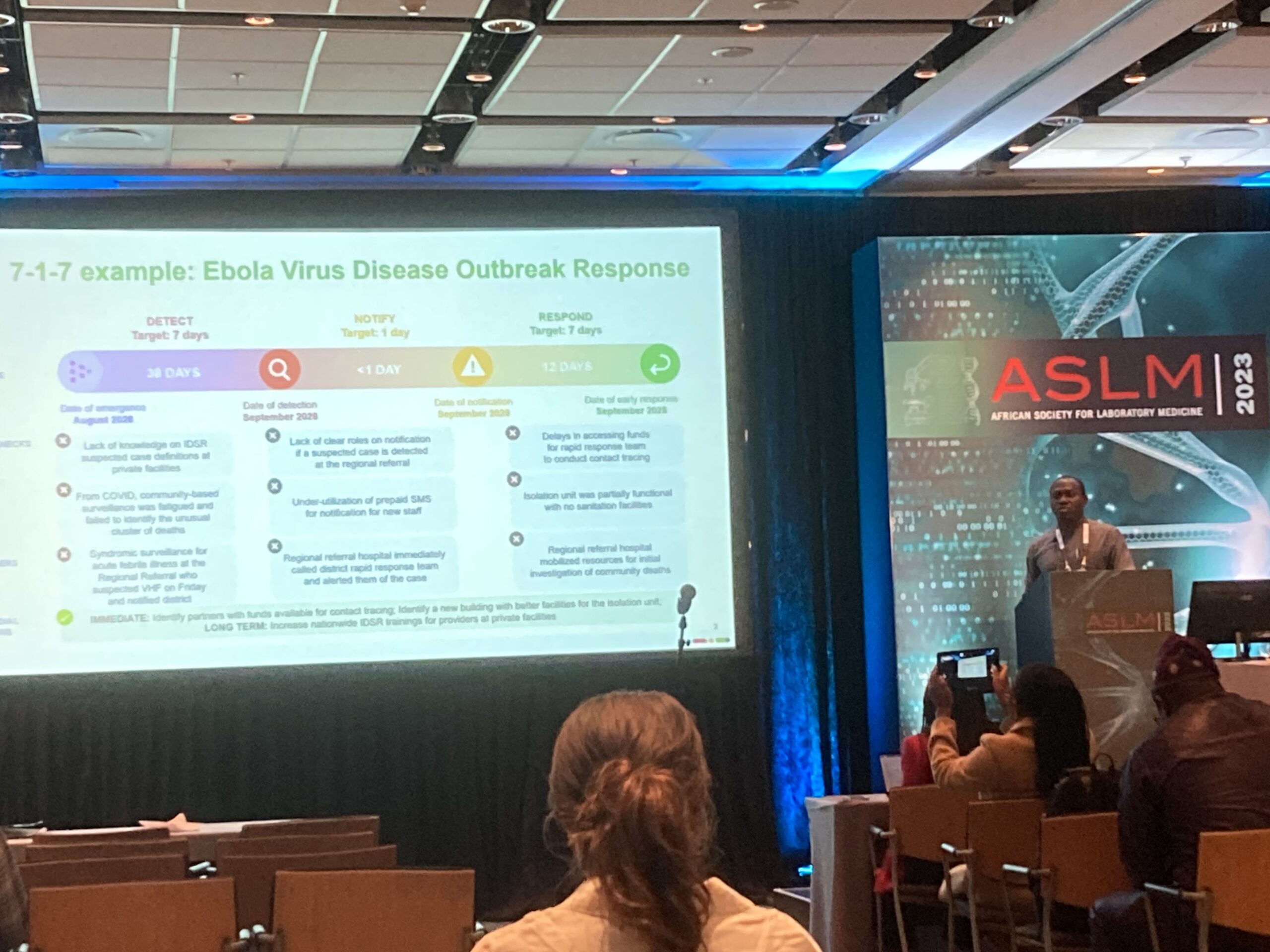
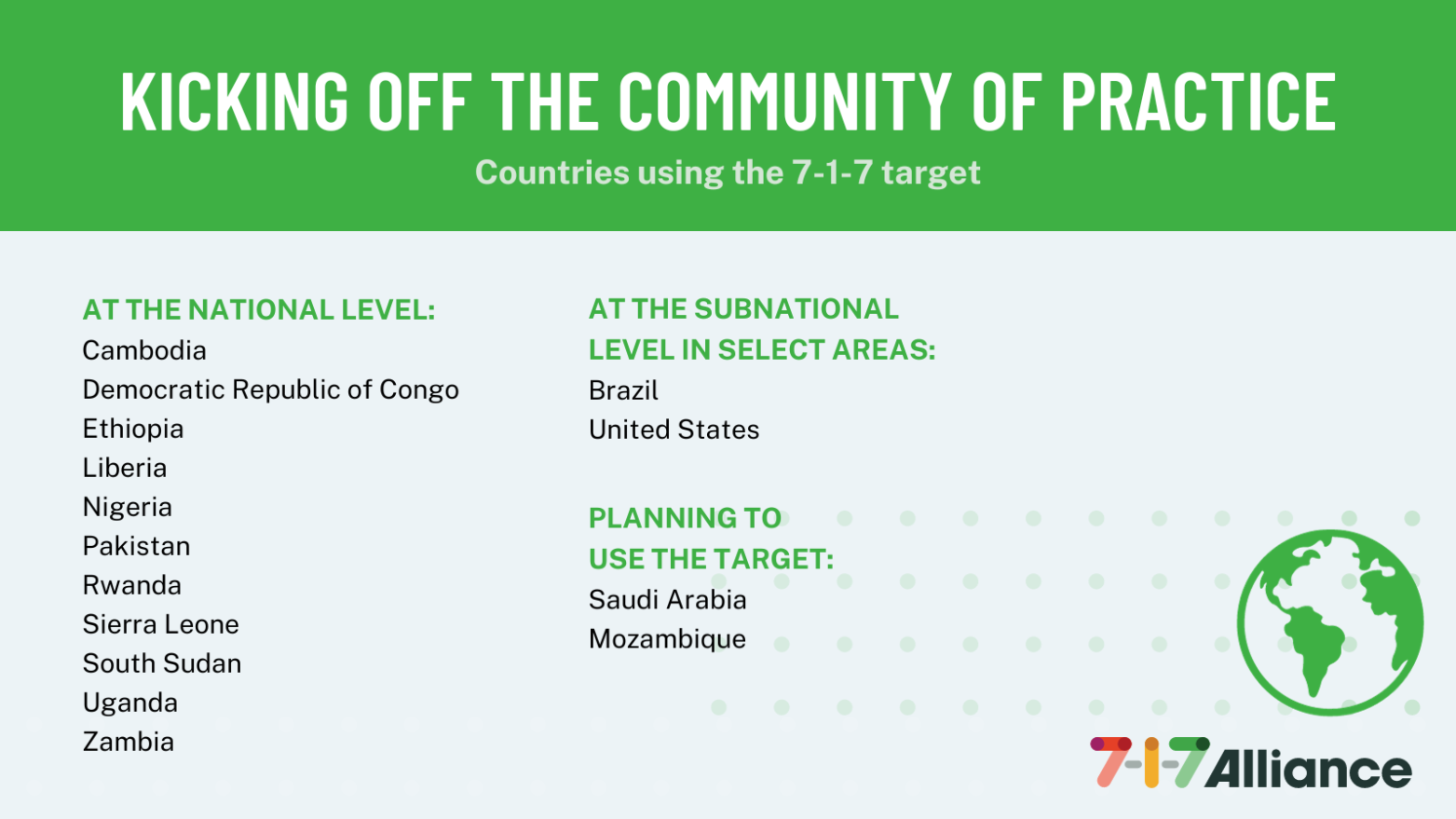
Our colleagues assessed whether the 7-1-7”timeliness metric could be implemented in Kenya for screening and tuberculosis preventive therapy (TPT), and proposed an adaptation: “3-5-7”.
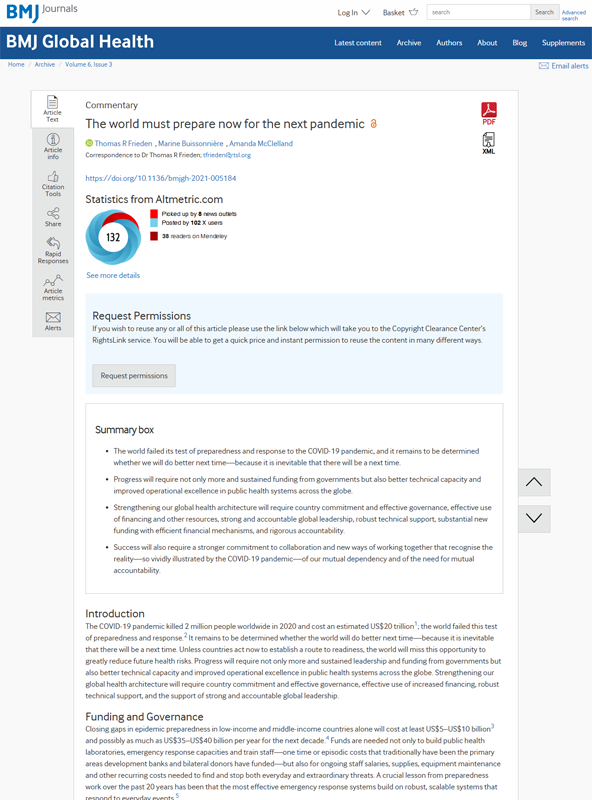
Preparing for the next pandemic requires sustained government funding, efficient financial mechanisms, better public health capacity, strong global leadership, and a commitment to collaboration.
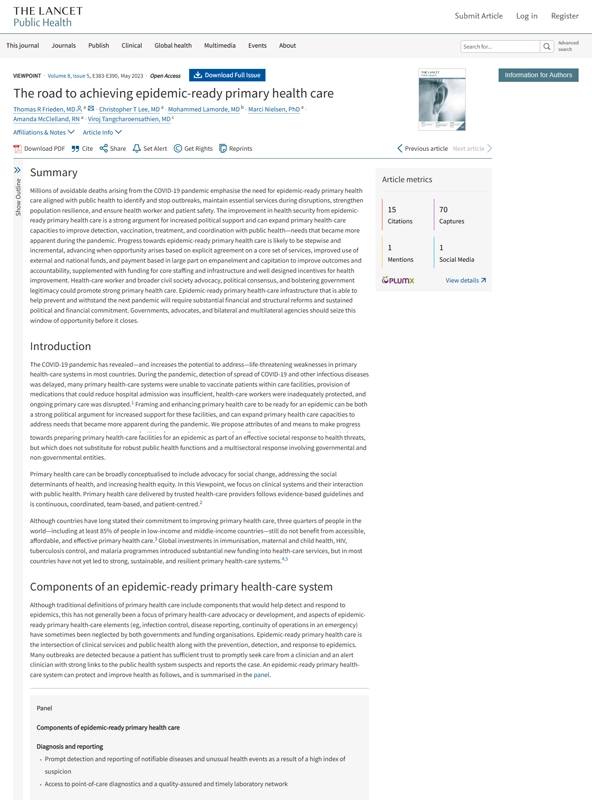
We propose an epidemic-ready primary healthcare model to integrate public health and healthcare, stop outbreaks, ensure essential services, strengthen resilience, and protect workers and patients.
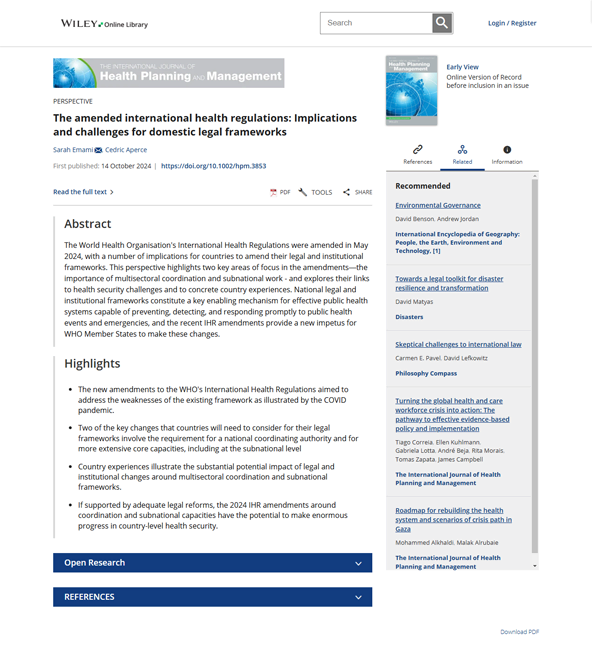
The International Journal of Health Planning and Management
The May 2024 updates to WHO’s International Health Regulations (IHR) can drive national legal reforms, establish a coordinating authority, and boost local capacities to improve global health security.
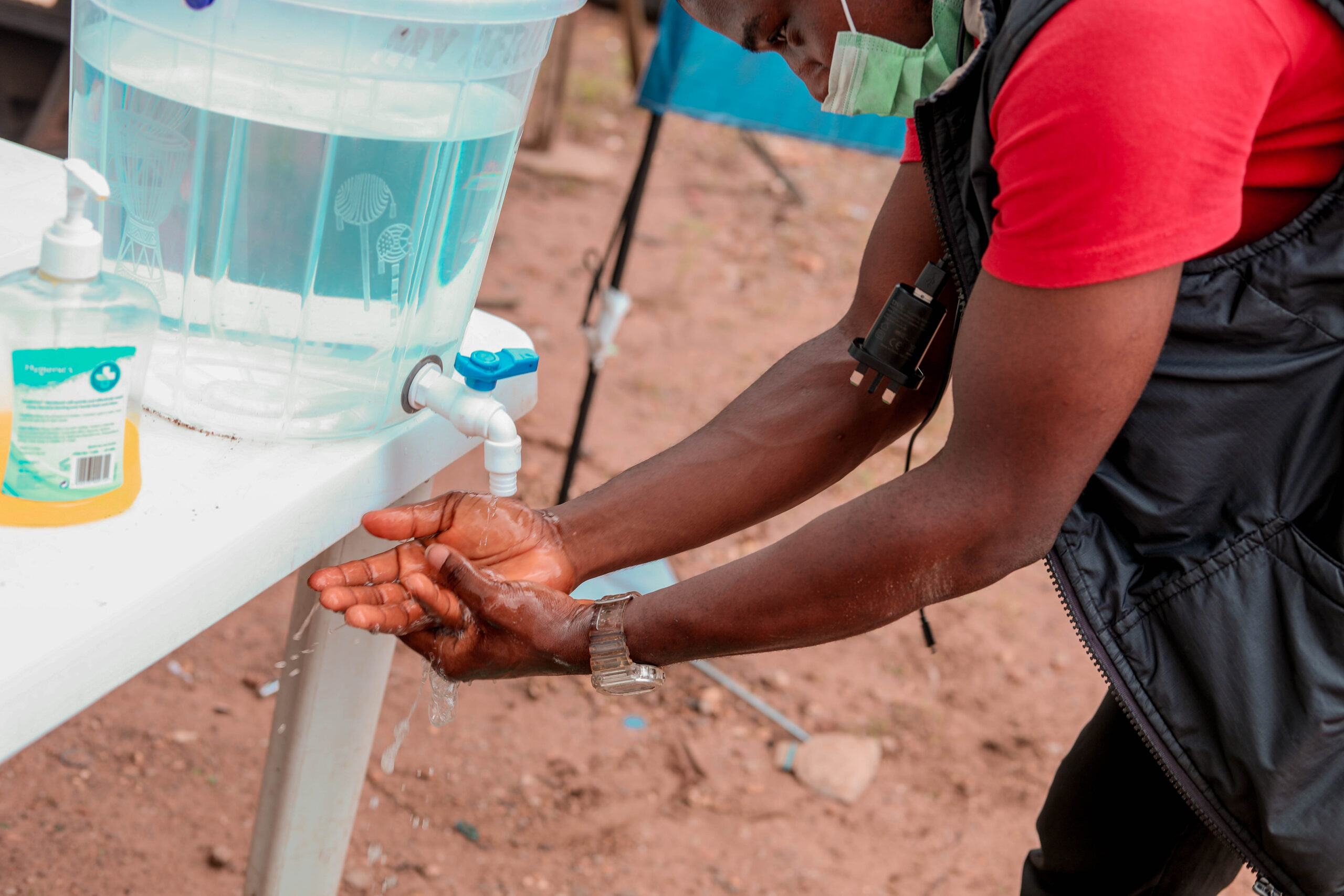
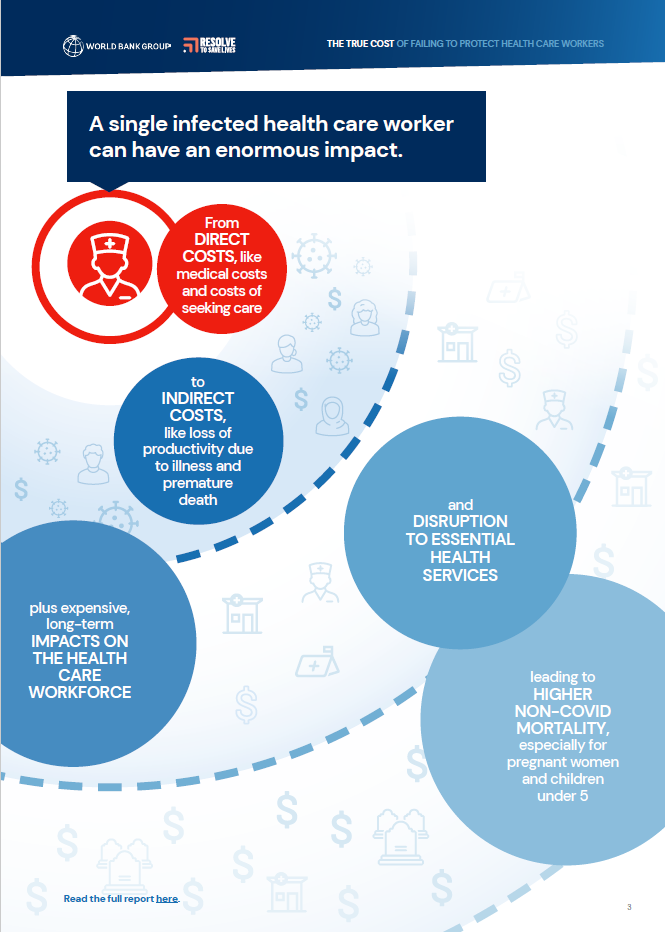
A landmark study from the World Bank and Resolve to Save Lives that measures the broader socio-economic costs of healthcare
worker infections and deaths from COVID-19