CSO Budget academy
Civil society advocacy for domestic investment in epidemic preparedness
Creating an ecosystem of civil society organizations committed to pandemic preparedness and response
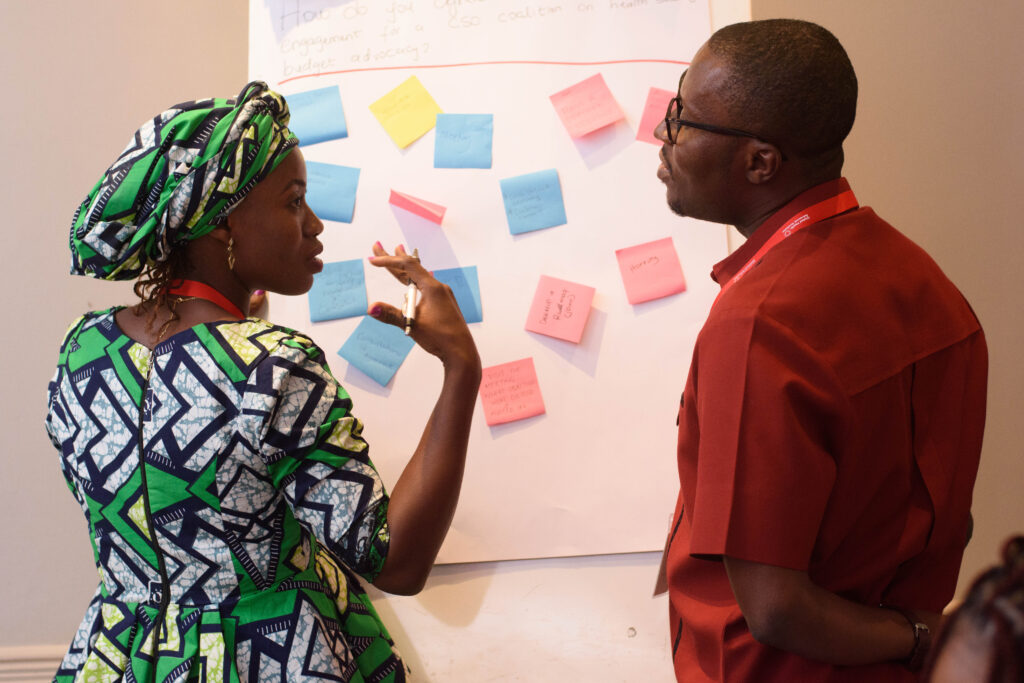
 From 2018 to 2025, we partnered with the Global Health Advocacy Incubator (GHAI) and more than a dozen African civil society organizations to advocate for increased domestic funding for epidemic preparedness.
On this page, you will find:
- An overview of methods and outcomes
- An in-depth report on boosting civil society advocacy for domestic investment
- Deep dives into unique country experiences
- Key lessons from seven years of advocacy

The challenge
African countries have long recognized the need to allocate domestic funding for public health, but progress has been slow. Bilateral and multilateral donors and development banks have funded a significant portion of countries’ health security efforts. This has resulted in under-resourced systems, a bias towards response over preparedness, and heightened vulnerability to shifts in external funding priorities.

The solution
Since 2018, Resolve to Save Lives and GHAI partnered with 15 civil society organizations in nine countries—Ethiopia, Ghana, Kenya, Nigeria, Senegal, South Africa, Tanzania, Uganda and Zambia—to increase domestic investment in epidemic preparedness.
Activities ranged from landscape analyses, participation in key national processes such as Joint External Evaluations (JEEs) and the development of costed National Action Plans for Health Security (NAPHS), political and budget process mapping, legal and policy reviews, coalition building, multi-pronged advocacy campaigns, high-level government engagement, subnational engagement, media training, journalism fellowships, public mobilization and budget tracking.
CSOs’ technical capacity in both budget advocacy and health security were reinforced through peer learning and mentorship, trainings and the development of several bespoke tools—such as the Budget Advocacy Framework, Toolkit, and Facilitator’s Guide—to strengthen advocacy efforts.

The impact
RTSL, GHAI and the CSOs they partnered with have changed national conversations about epidemics, mobilized political commitments and increased national investments in epidemic preparedness. They have demonstrated that civil society has tremendous power to change policy and bolster domestic investments.
In Nigeria, the federal epidemic preparedness budget increased by one-third since 2021, and the budget of the Nigeria CDC tripled since 2019. In Senegal, the Public Health Emergency Operations Center tripled its budget from CFA 50M in August 2018 to CFA 150M in August 2020. In Uganda, more than $15 million of newly budgeted money was dedicated to COVID-19 response and epidemic preparedness in 2024. And in Nigeria, Ethiopia and Ghana, local-level epidemic preparedness funds were established in 50 localities.
Deep dives
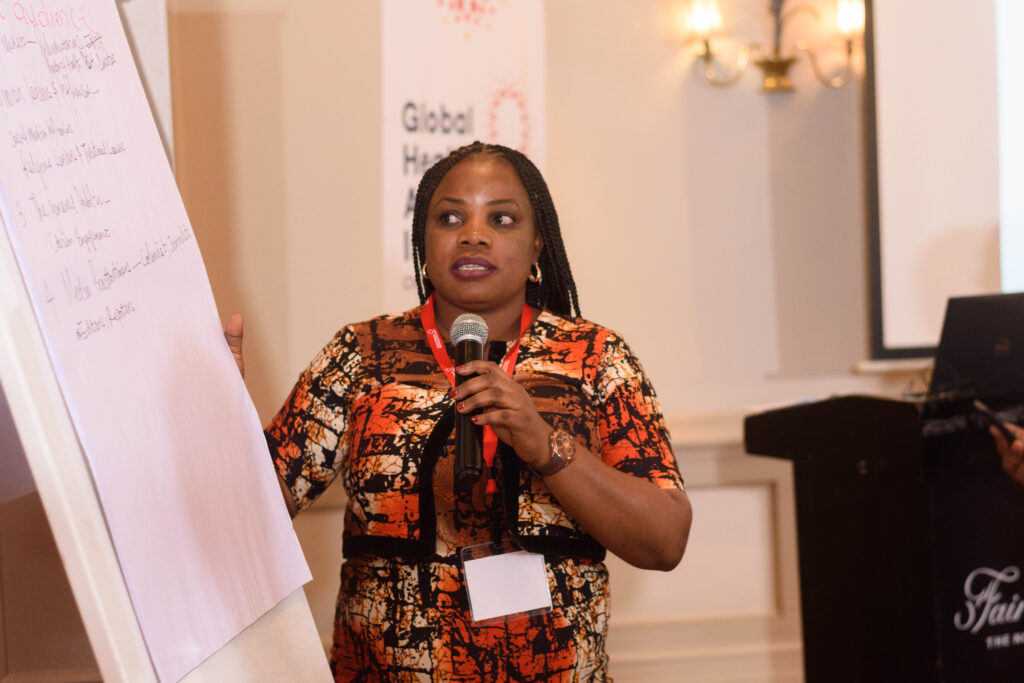
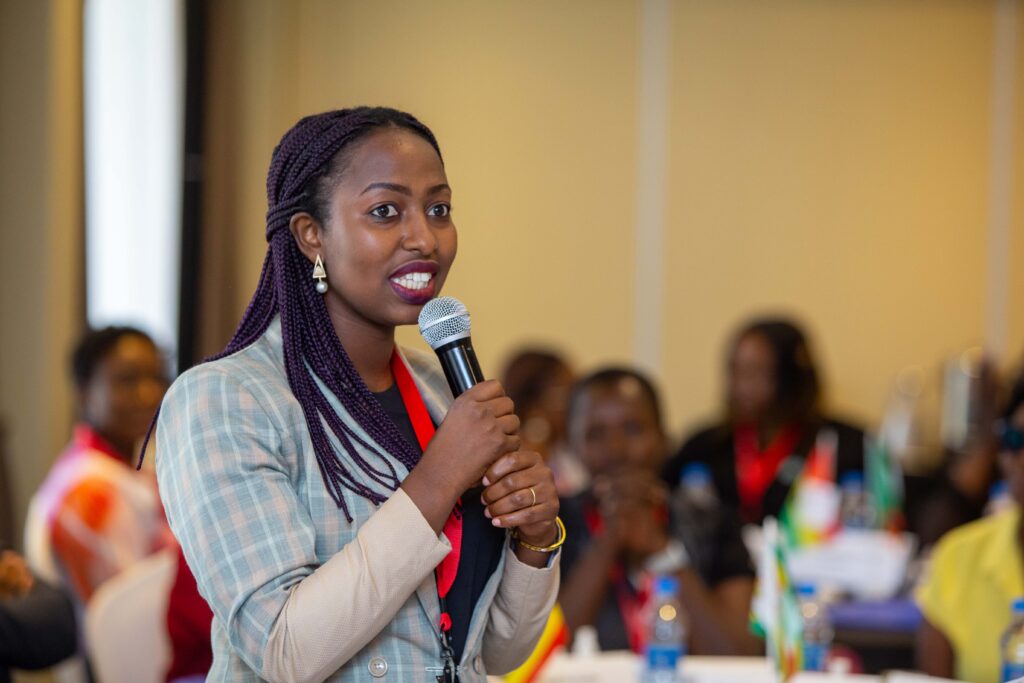
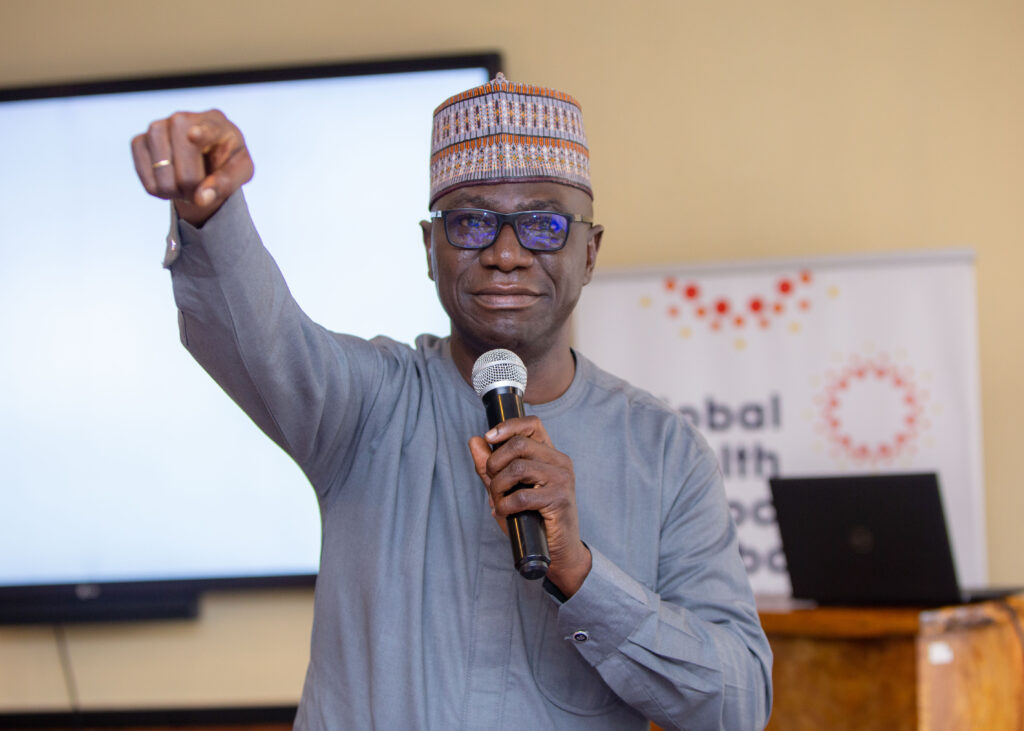
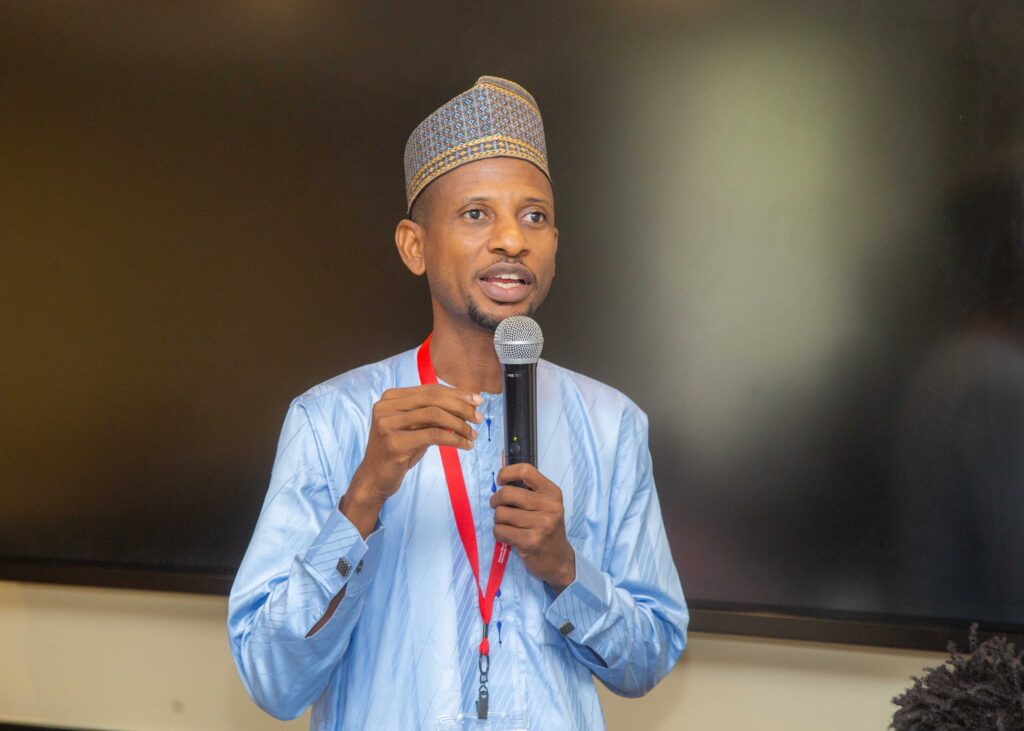
Timeline: activities and impact
2018
January 2018 • Nigeria
Exploratory work begins
RTSL, GHAI and more than a dozen African civil society organizations (CSOs) begin to explore the feasibility of increasing domestic investment in epidemic preparedness. Work begins in Nigeria where RTSL has been facilitating development of the newly established Centre for Disease Control, and GHAI has a strong track record implementing tobacco policy using a civil society organization-led advocacy model. Together with three CSOs, this powerful coalition begins leveraging media and policy makers to garner public support for epidemic preparedness.
June 2018 • Senegal
An early budget advocacy model in Senegal
ONG 3D, a CSO focused on public health, development and human rights and a GHAI consultant work together on a budget advocacy model in Senegal. They meet regularly with Senegal’s Public Health Emergency Operations Center to understand preparedness gaps and develop strategies for increased allocations.
2019
January 2019 • Nigeria
Groundbreaking legislation is approved in Nigeria
One year after work is launched in Nigeria, the country passes the NCDC Act, which legitimizes the agency, enabling it to become fully operational. US $4.1 million is approved for NCDC, and sustained advocacy ensures that by 2024, the budget nearly triples. As the quality of budget requests improves, other elements of epidemic preparedness budgets also increase.
2020
August 2020 • Senegal
Significant strides in Senegal
The country’s Emergency Operations Center nearly triples its budget to $256k.
September 2020 • Kano
Three CSOs collaborate in Kano
Supported by GHAI’s in-state coordinator, several CSO organizations—BudgIT, LISDEL and NHW—begin budget advocacy work in Nigeria’s Kano state.
September 2020 • Ghana
A powerful plan to repurpose COVID funds
Budget advocacy work begins in Ghana. Informed by a 2017 Joint External Evaluation recommendation, the goal is to create a specific budget line for epidemic preparedness and response. The team—a GHAI in-country coordinator and SEND GHANA, a policy research and advocacy organization—create proposals to repurpose a successful COVID-19 levy. These reach the highest levels of government and seem poised for adoption until an election—and a change in government—creates formidable setbacks.
2021
January 2021 • Nigeria
Emergency preparedness is prioritized across Nigeria
January: Emergency preparedness is prioritized across Nigeria. At the federal level, Nigeria allots US $30 million to health security. Kano State allocates US$777k to epidemic preparedness and response (EPR). Forty-four localities allocate a total of US $228k to EPR.
January 2021 • Ghana
Ghana pledges support for EPR
Three districts—Tema Metropolitan Assembly in the Greater Accra region; Ketu Municipal Assembly in the Volta region; and Birim South in the Eastern region—allocate a total of US $40k for EPR; previously, there was no budget for this work.
April 2021 • Nigeria
Subnational work starts in Nigeria’s most populous state
Budget advocacy begins in Lagos state.
September 2021
A framework takes form
Recognizing that a less resource-intensive and more hands-on approach might appeal to additional countries, RTSL and GHAI create the Budget Advocacy Framework for Increased and Sustained Investment in Epidemic Preparedness. Building on years of campaigning in Nigeria, Senegal and Ghana, the Framework lays out a high-level roadmap for political and civil society leaders working to increase support for preparedness investments.
2022
January 2022 • Nigeria
A bold budget line signals strong commitment to EPR
Lagos state creates a new EPR budget line, allocating US $12.2 million. (This budget is later significantly reduced to US $109k).
June 2022
A comprehensive toolkit packed with resources
With support from RTSL, GHAI develops the Budget Advocacy Toolkit for Epidemic Preparedness. It details campaign process steps and includes action items as well as practical tools—everything from worksheets to support political analysis and budget process mapping to guidance on creating media engagement plans.
2023
January 2023 • Ghana
Three early advocates for EPR increase their commitments
Three districts in Ghana—the Tema Metropolitan Assembly in the Greater Accra region, Ketu Municipal Assembly in the Volta region and Birim South in the Eastern region—increase EPR budgets, allocating GHS 20,000, GHS 205,790 and GHS 10,000, respectively.
January 2023 • Ghana
Additional Ghanaian districts embrace EPR
Adaklu district in the Volta region and Afigye Kwabare Municipal Assembly in the Ashanti region include EPR in their 2023 and 2024 budgets for the first time.
May 2023 • Uganda
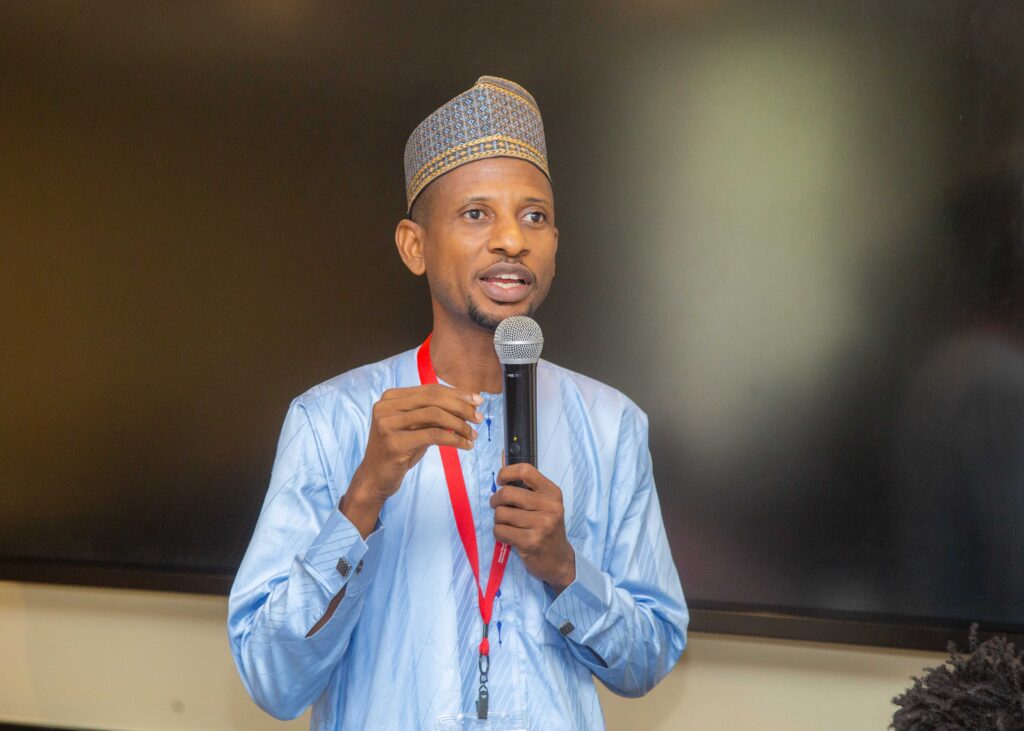
Uganda takes steps toward sustainability
After Uganda National Health Consumer Organization (UNHCO) is identified as a CSO partner, experienced Nigerian campaigners support skill building and work to replace donor funding for the Public Health Emergency Operation Center (PHEOC) with domestic funding.
July 2023 • Tanzania
Building capacity in Tanzania
CSOs from seven countries—Ethiopia, Kenya, Rwanda, Tanzania, Uganda, Zambia and Zimbabwe—participate in a capacity building workshop in Tanzania. They field test the tools in the Facilitator’s Guide, identify potential CSO partners in new geographies and model a peer learning approach to create a sustained network of relationships to support campaigners.
December 2023
Training trainers to empower epidemic preparedness advocates
Following the July capacity building workshop, GHAI launches the Budget Advocacy Toolkit for Epidemic Preparedness: Facilitator’s Guide. It trains facilitators so they can then prepare advocates to plan campaigns using the toolkit’s 11 modules.
2024
January 2024 • Nigeria
Nigeria’s epidemic preparedness budgets soar at state and federal level
The federal epidemic preparedness budget has increased by one-third since 2021. Since 2019, the Nigerian CDC budget has increased from US$4.1 million to US $4.8 million. At the subnational level, Kano State’s epidemic preparedness budget increases by two-thirds. Kano establishes its CDC with a US$1.1 million budget.
May 2024 • Uganda
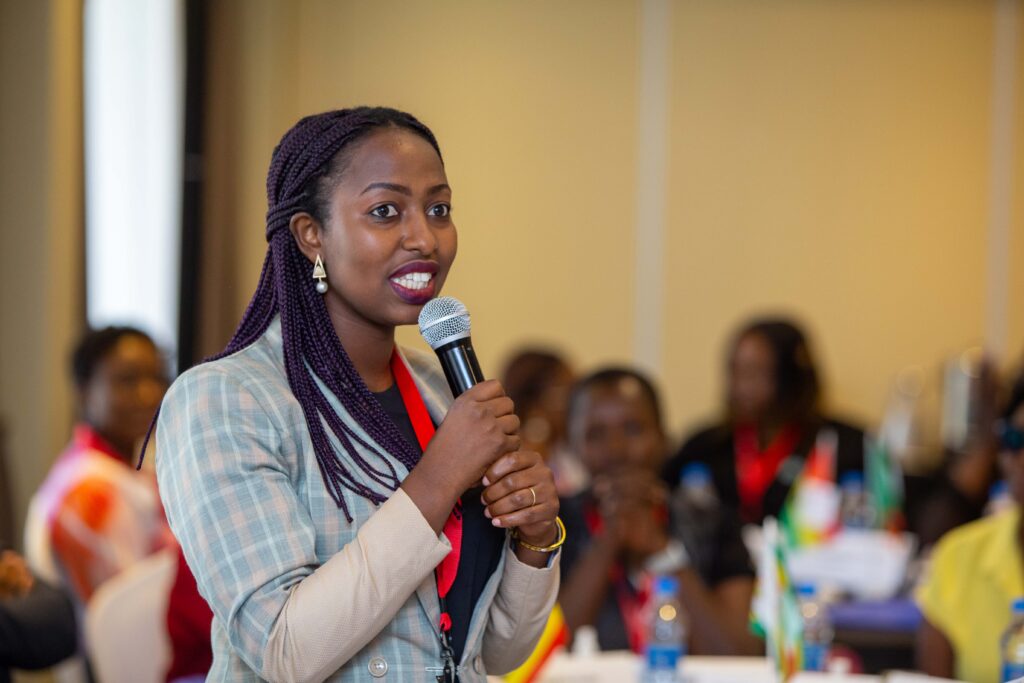
Uganda invests in pandemic response and emergency preparedness
Following advocacy to secure an additional US$600,000 for epidemic preparedness and response—this would replace donor funding for the Public Health Emergency Operation Center (PHEOC)—the Uganda Parliament allocates US$15.4 million for COVID-19 response and emergency preparedness.
July 2024
Kicking off capstones and giving grants
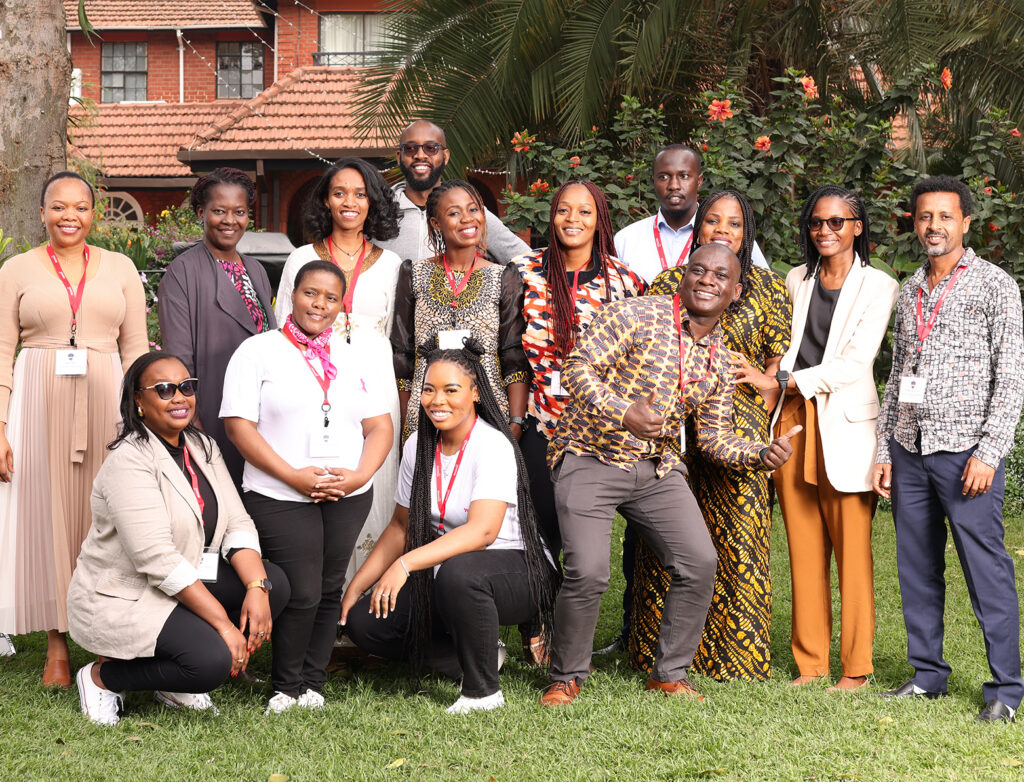
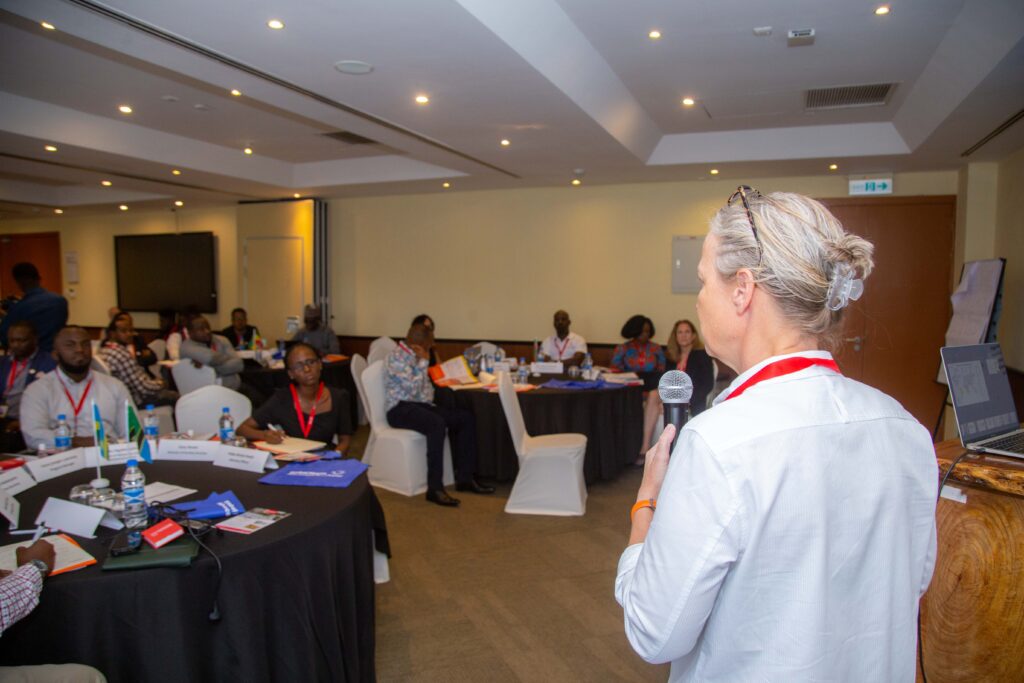
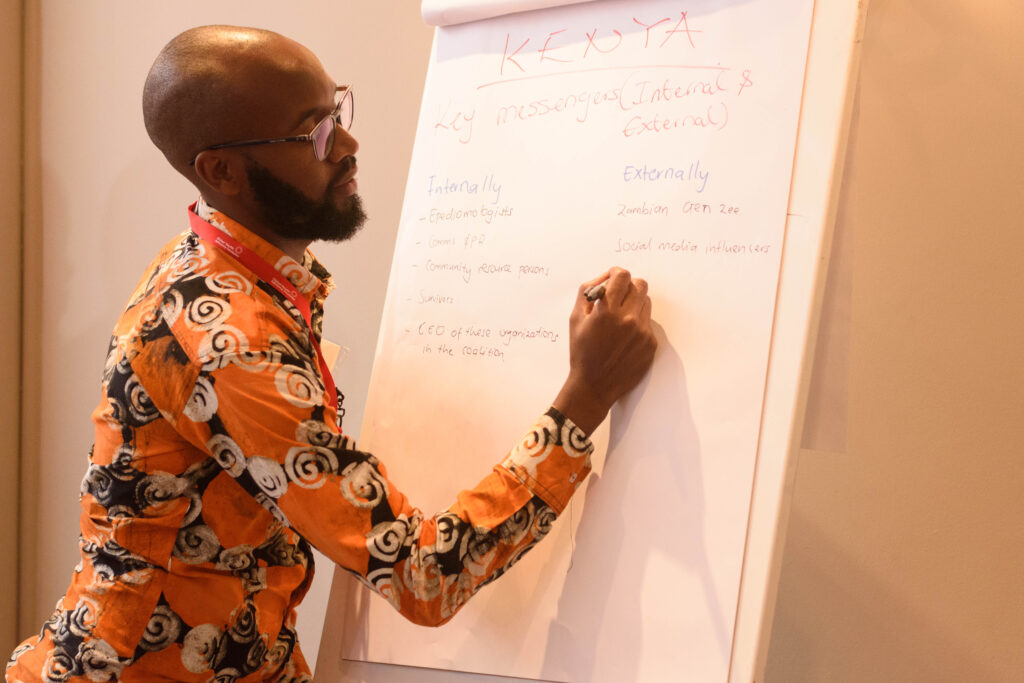
After two months of online webinars, CSO participants meet in Nairobi for an in-person workshop that builds relationships, explores topics and kicks off the capstone project planning. Each CSO receives a modest $10,000 grant to create a capstone project that would achieve a distinct outcome over a six-month period. Organizations are also assigned two mentors from the continent who field questions in real-time, conduct regular check-ins and offer ongoing advice as campaigns progress.
December 2024
A new Budget Advocacy Academy is born
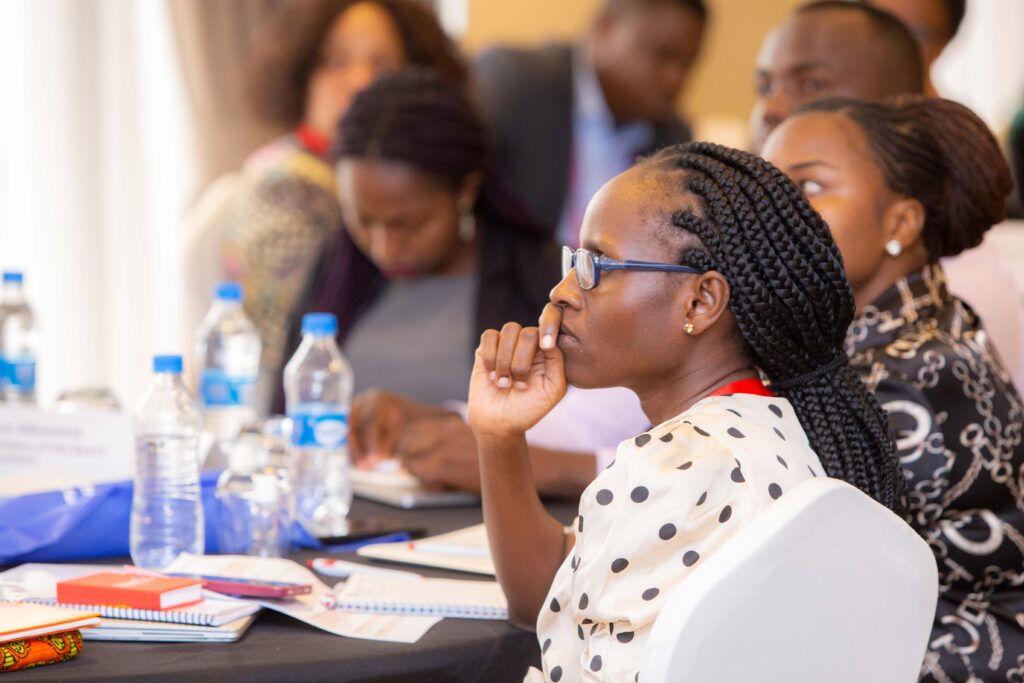
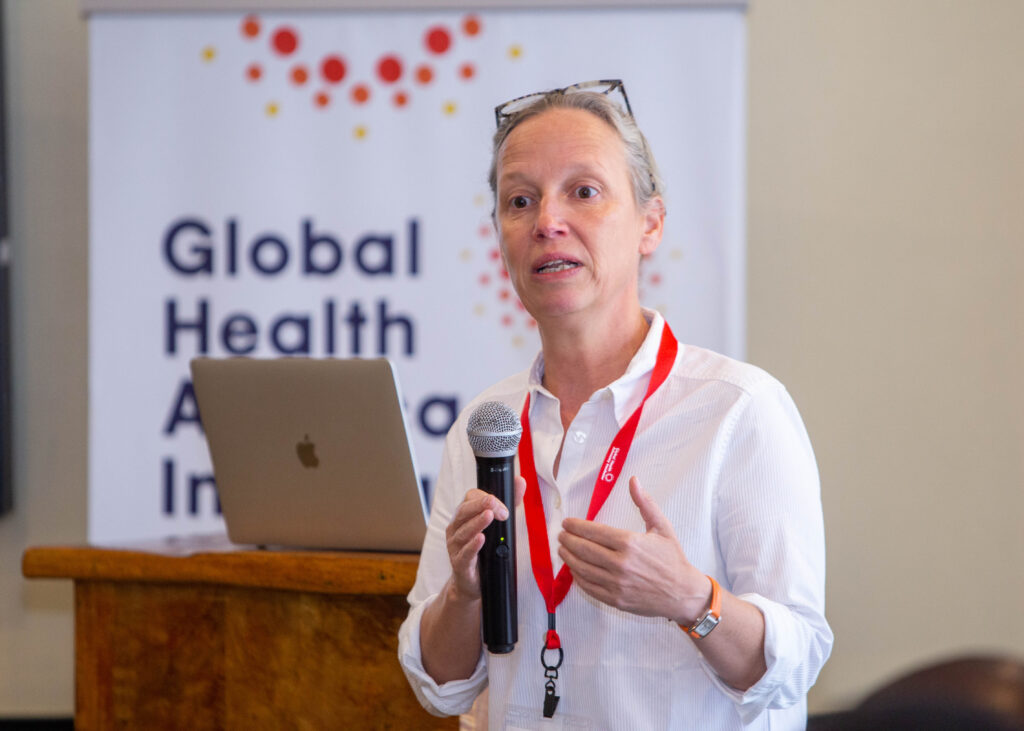
More than 140 applicants apply to the CSO Budget Advocacy Academy. Two staff from each of seven organizations are selected to attend several months of online trainings and one in-person workshop. The program begins with RTSL content on the epidemic preparedness landscape, including health security, legal aspects and health financing. Next, GHAI leads sessions on budget advocacy mechanics, using the roadmap created in the toolkit sessions.
2025
January 2025 • Ethiopia
From idea to inception in Ethiopia
A successful capstone project results in Kalu Woreda, Ethiopia increasing its EPR funding from US $0 to US $4k.
March 2025 • Nigeria
Projects produce results and powerful lessons
Capstone projects conclude. Not all organizations achieve their goals, but there are notable successes. A new epidemic preparedness budget line is created for an Ethiopian locality. In two other cases, CSO Academy participants support legacy campaigns. The Network for Health Equity and Development and a CSO coalition partner ensure that Kano State integrates the Health Security Accountability Framework into its regular work.
Key lessons learned
Over a seven-year period, RTSL, GHAI and CSOs proved that it is possible to secure political commitment to and increased national investments in epidemic preparedness. The lessons learned from this partnership are especially useful in a rapidly shifting environment where major international donors—USAID, PEPFAR, the Global Fund and WHO—are slashing their aid budgets, and Official Development Assistance (ODA) is shrinking. In this context, emerging models like the CSO Academy hold tremendous promise, demonstrating that targeted, strategic investments paired with sustained relationship-building produce resource-efficient results.
Here are other major findings:
- Relationships rule: Coalitions successfully advocated for epidemic preparedness when they had meaningful relationships with a variety of stakeholders, extensive knowledge of the local context and strong track records that bolstered their reputation.
- Innovation is essential: Emerging models like the CSO Academy demonstate that targeted, strategic investments, paired with sustained relationship-building, produce resource-efficient results and significant impact.
- Windows open and close: External factors—everything from elections to increasing debt burden—have tremendous impact on campaign success and often require advocates to revise once promising strategies and pivot accordingly
- Ecosystems are invaluable: Ensuring sustained support for pandemic preparedness mandates building capacity among diverse actors who have the knowledge and passion to run effective funding campaigns even when formal programming and initiatives like the CSO Budget Advocacy Academy conclude.
- Global context counts: Enthusiasm for and commitment to domestic investment in epidemic preparedness changes—and is heavily influenced by global events.