7-1-7 data insights: Why cholera response can’t keep pace with detection
7-1-7 Alliance analysis of 7-1-7 data across six countries point to a persistent challenge: In nearly two-thirds of cholera responses, coordination constraints delay critical action.
A System in Transition: Nigeria Country Report
A new landscape assessment shows that financing disruptions are increasing risks to Nigeria’s surveillance, laboratory, and specimen transport systems, while highlighting opportunities to strengthen more integrated and resilient public health systems.
A call to end lead exposure in Nigeria
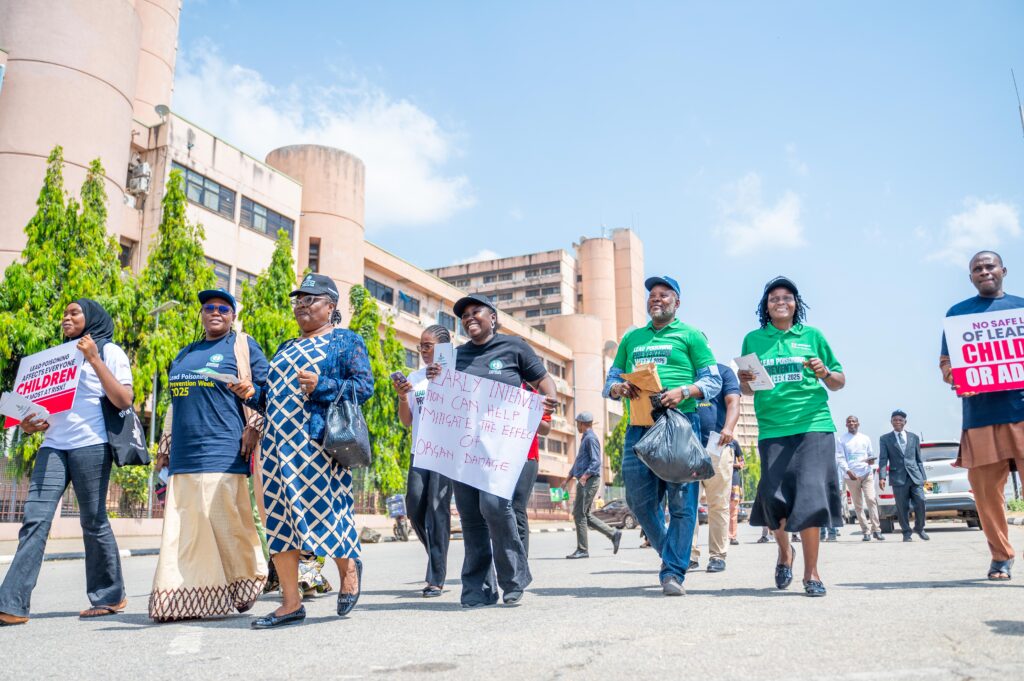
For our partners in Nigeria, this year’s International Lead Poisoning Prevention Week was an important opportunity to spread the word about this deadly health threat. Resolve to Save Lives (RTSL) supported activities led by the Federal Ministry of Environment (FMEnv) and the Federal Ministry of Health and Social Welfare (FMoH&SW) to mark the week, including […]
Healthier food options in Nigeria’s public institutions
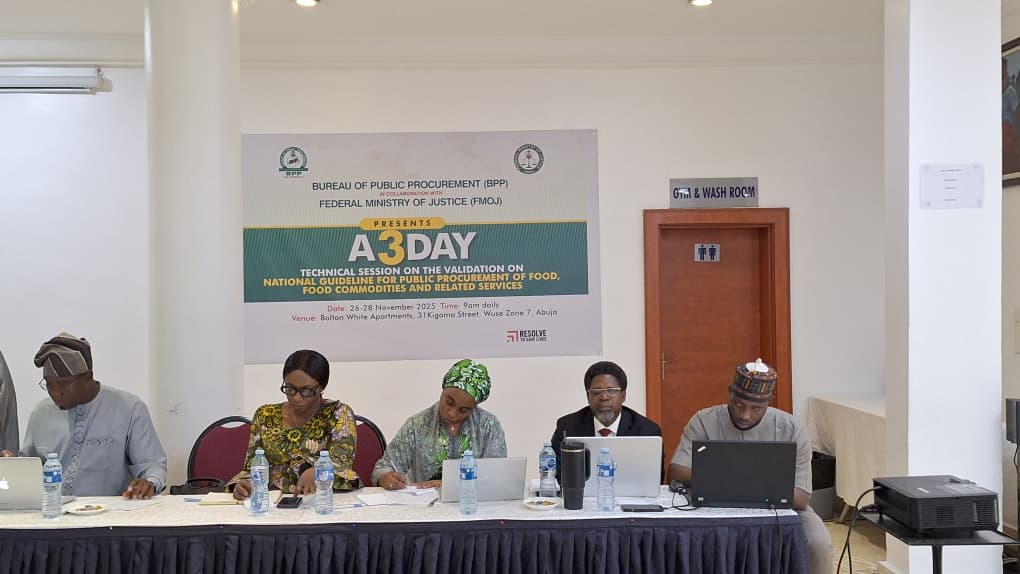
In collaboration with Nigeria’s Bureau of Public Procurement (BPP), the Federal Ministry of Budget and Economic Planning, and the Federal Ministry of Justice, Resolve to Save Lives (RTSL) convened a technical workshop to review and validate the National Guideline on Public Procurement of Food and Related Services. The workshop brought together key government and technical […]
Strengthening Nigeria’s capacity for subnational health security assessments

In collaboration with the Nigeria Centre for Disease Control and Prevention (NCDC), RTSL supported a capacity-building workshop to train 40 evaluators to conduct subnational health security assessments using the Joint External Evaluation (JEE) tool and International Health Regulations (IHR 2005) benchmarks adopted from the World Health Organization. The training is part of efforts to build […]
Detecting harmful lead in cosmetics in Nigeria
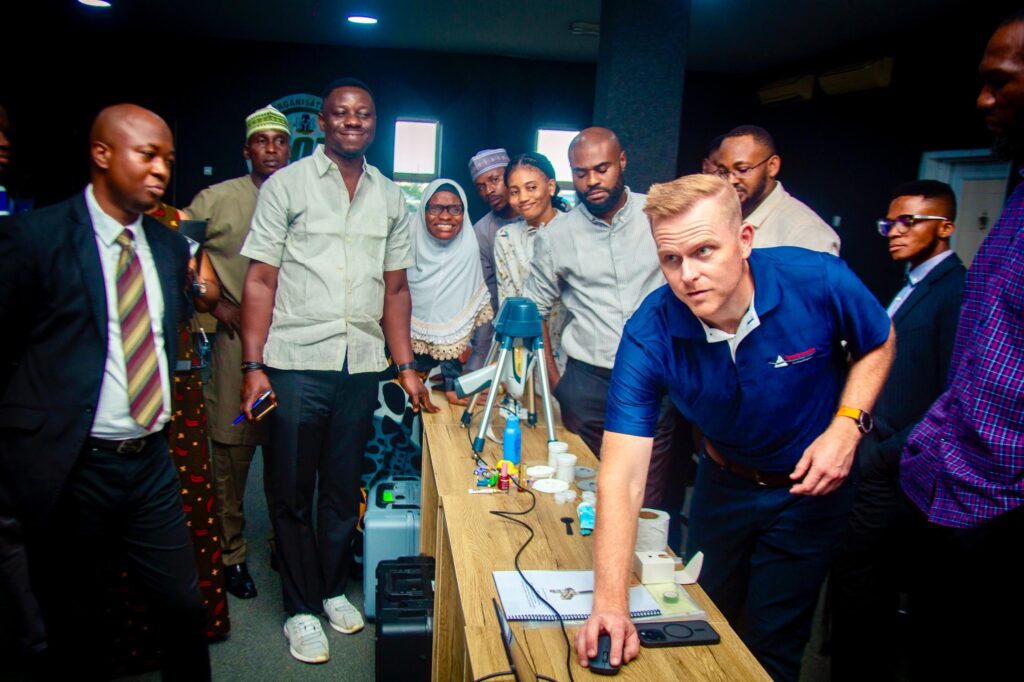
For countries committed to preventing lead poisoning, understanding how people are exposed to lead is an important early step. At a two-day workshop held in Lagos in November, Resolve to Save Lives (RTSL) partnered with the Standards Organisation of Nigeria (SON) to train 35 scientists and analysts—from the National Agency for Food and Drug Administration […]
“Putting people first”: What we learned at ICPHC 2025
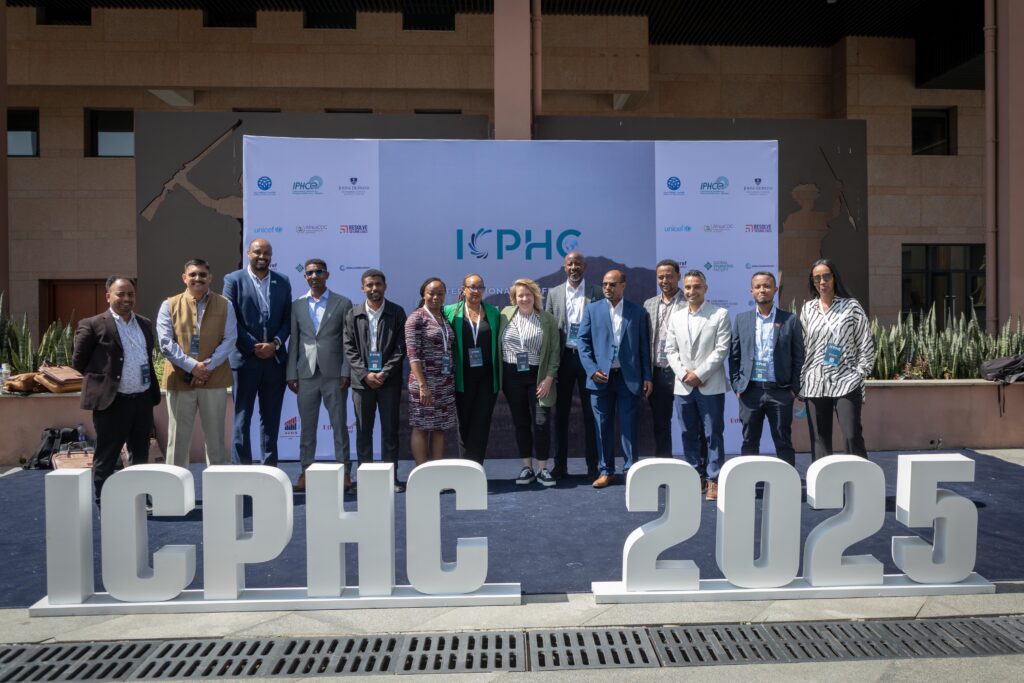
We were thrilled to join more than 700 global health leaders, policymakers, and practitioners at the 2025 International Primary Health Care Conference (ICPHC) in Addis Ababa, Ethiopia to explore how strong, people-centered PHC systems drive resilience, equity, and epidemic readiness. Throughout the five-day conference—which RTSL co-hosted— our 18-member delegation led and contributed to sessions that […]
New partnerships to prevent lead poisoning
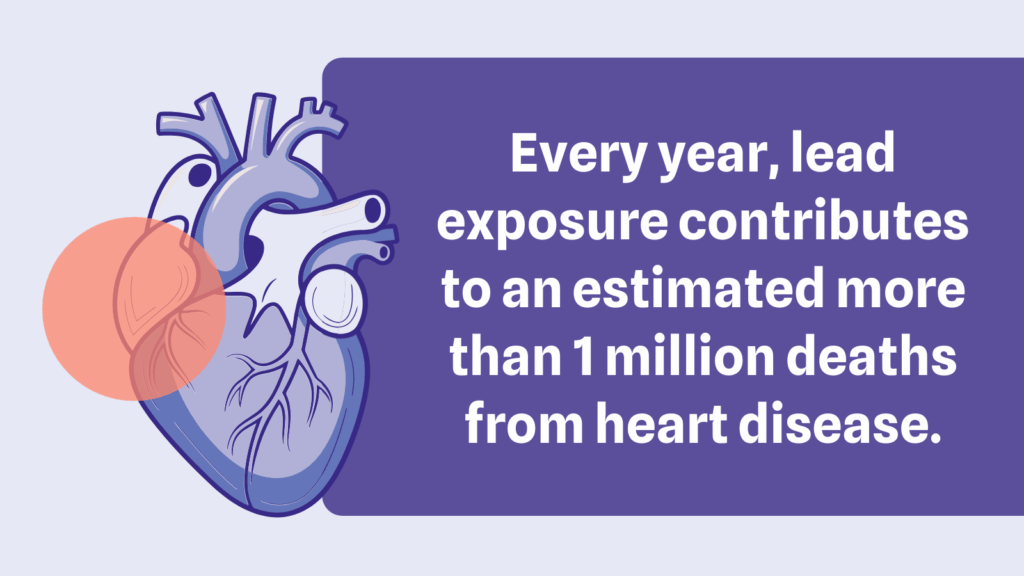
Did you know that every year, lead exposure contributes to an estimated more than 1 million deaths from heart disease? The overwhelming majority of these preventable deaths occur in low- and middle-income countries. With support from Open Philanthropy through the Lead Exposure Action Fund (LEAF), we are working alongside government and local partners in […]
Nigeria advances national policy to eliminate lead and toxic substances from cosmetics
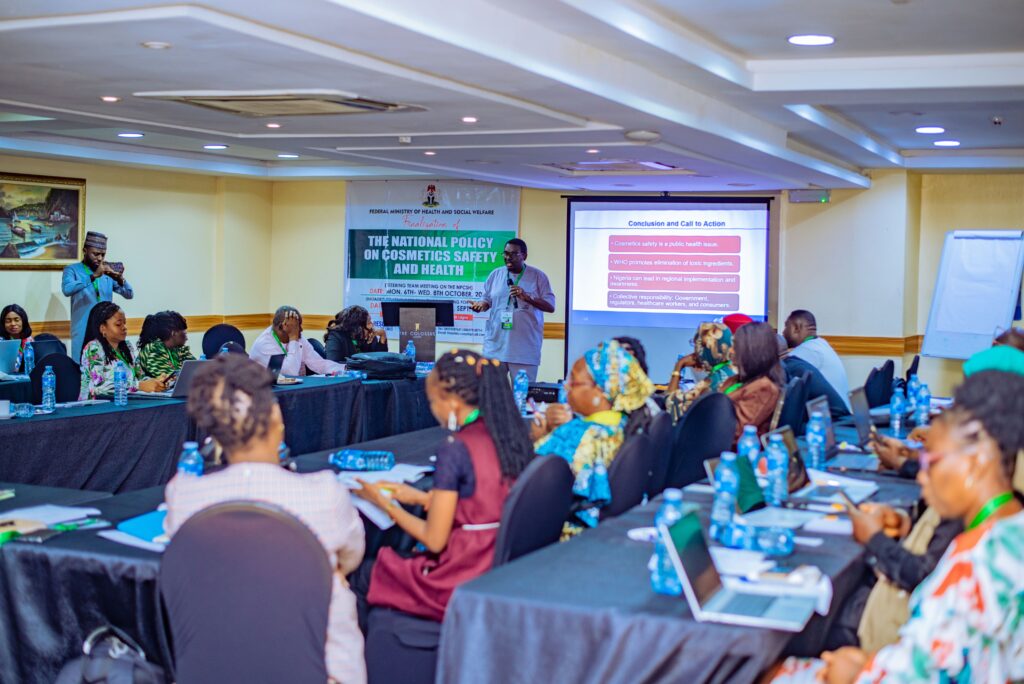
RTSL partnered with Nigeria’s Federal Ministry of Health to develop the National Policy on Cosmetic Safety and Health, reducing exposure to toxic substances like lead in cosmetic products.
RTSL and NCDC partner to strengthen Nigeria’s epidemiological reporting and One Health Lassa Fever surveillance

As part of efforts to strengthen data-driven epidemic intelligence and improve reporting efficiency in Nigeria, Resolve to Save Lives (RTSL) partnered with the Nigeria Centre for Disease Control and Prevention (NCDC) to host a workshop focused on enhancing two of Nigeria’s key public health surveillance products: the Weekly Epidemiological Report and the Lassa Fever Situation […]
Progress in epidemic-ready primary health: early pilot results from four African countries (Ethiopia, Nigeria, Sierra Leone and Uganda), December 2023-October 2024
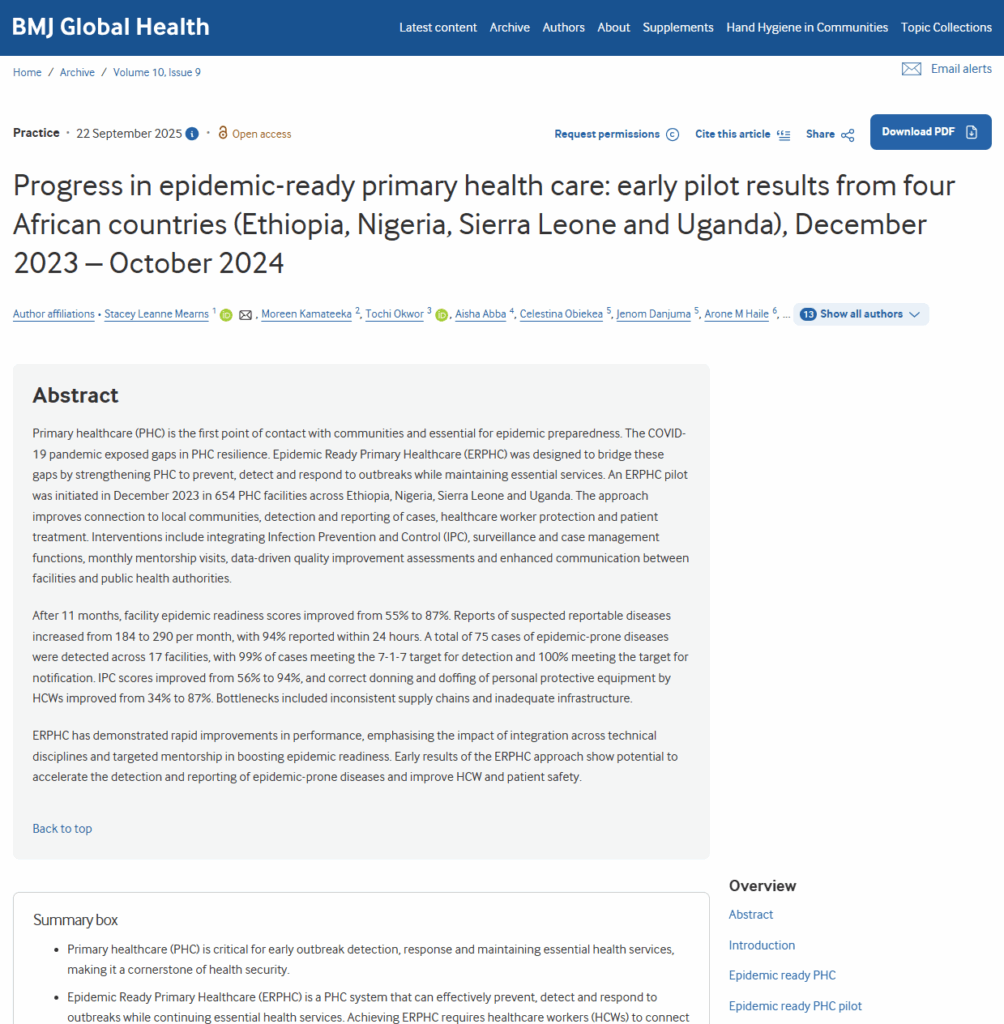
Primary health care facilities are the first point of contact when community members fall ill. They are also essential to epidemic preparedness. Despite their critical importance, many facilities lack the capacity to prevent, detect and respond to outbreaks while maintaining essential services. To address these gaps and bolster facility resilience, we launched an Epidemic Ready […]
Preparing for policy in action: Nigeria builds capacity to eliminate trans fat and protect heart health
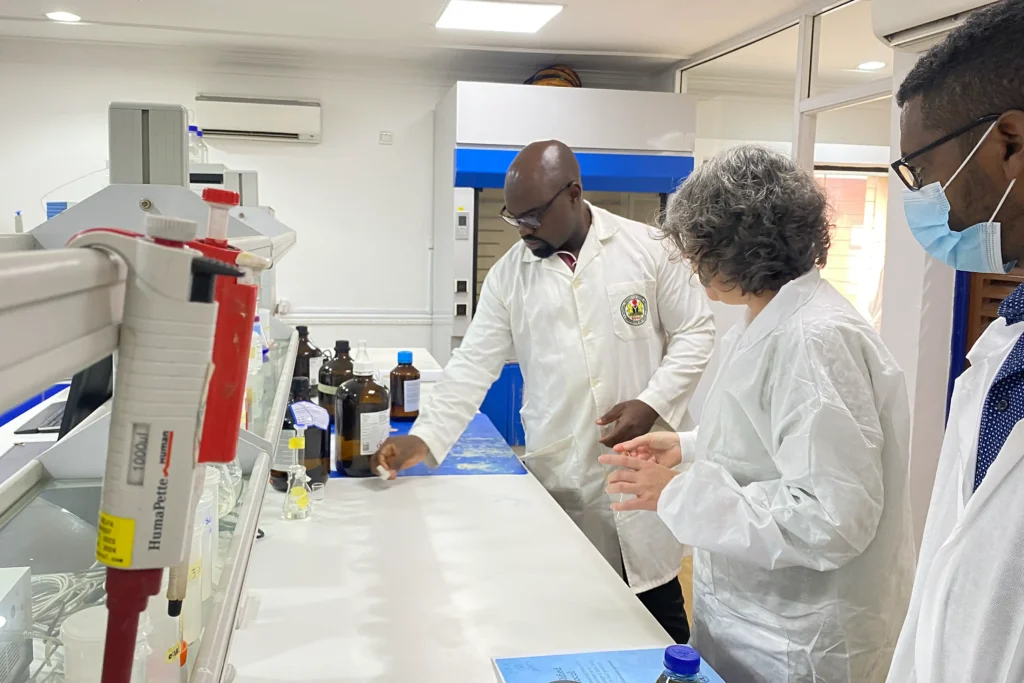
After banning trans fat in 2023, Nigeria worked with RTSL and WHO to equip labs and train technicians—building the enforcement capacity needed to protect heart health nationwide.
Legal reforms to strengthen health security in Nigeria’s Cross River State
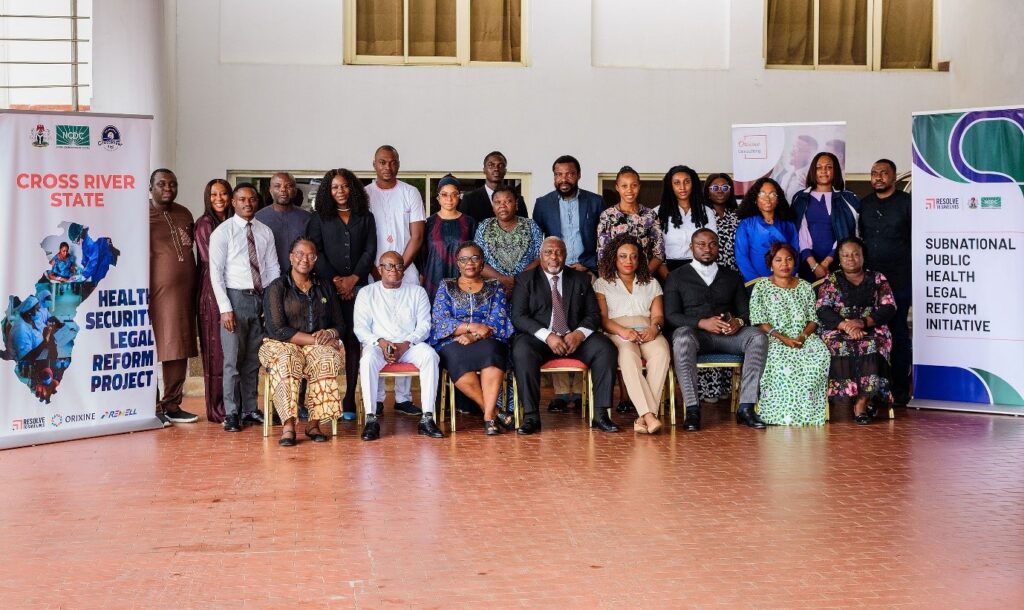
Resolve to Save Lives and partners are supporting Cross River State to draft new public health and animal health laws that strengthen surveillance, response, and coordination for a One Health approach. These reforms will equip the state to act quickly and protect communities during health emergencies.
To stop state-level outbreaks, Nigeria is integrating 7-1-7 in its national emergency management system
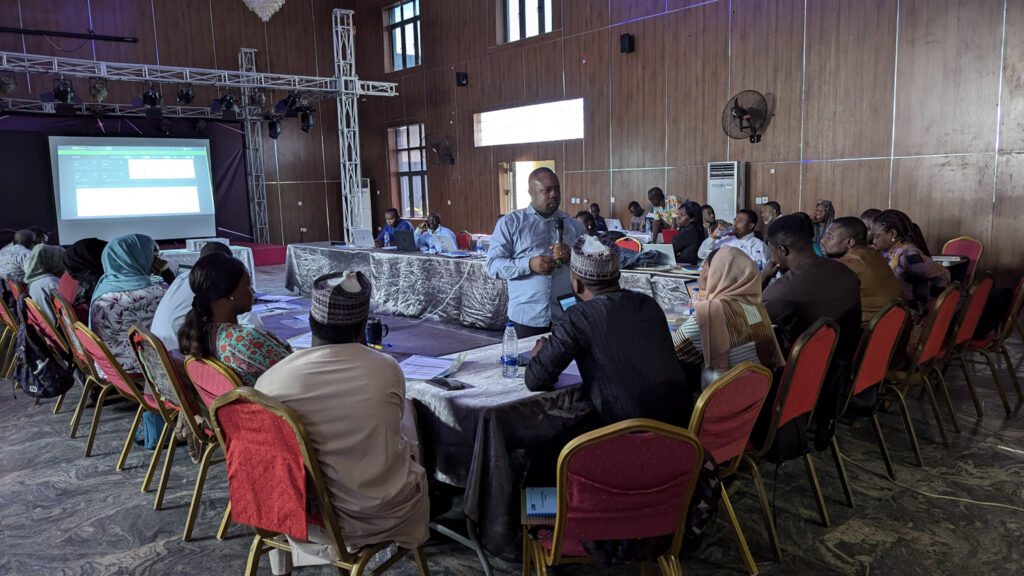
Nigeria integrated the 7-1-7 target into its national emergency management system, enabling faster outbreak detection and response — and setting a regional standard for digital epidemic preparedness.
Building local capacity to produce life-saving hypertension medicines in Nigeria
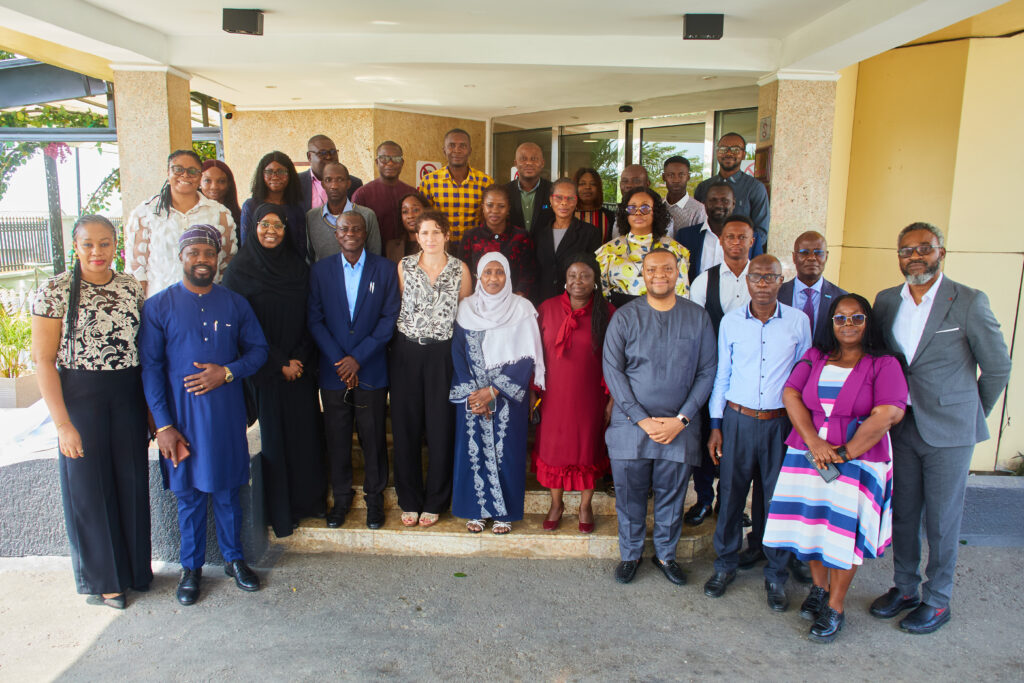
To make hypertension medicines more affordable in Nigeria, Resolve to Save Lives and partners trained local manufacturers on quality production practices. The initiative aims to boost local supply of safe, effective cardiovascular drugs.
Babatunde Fashola Joins Resolve to Save Lives Nigeria’s Board of Directors
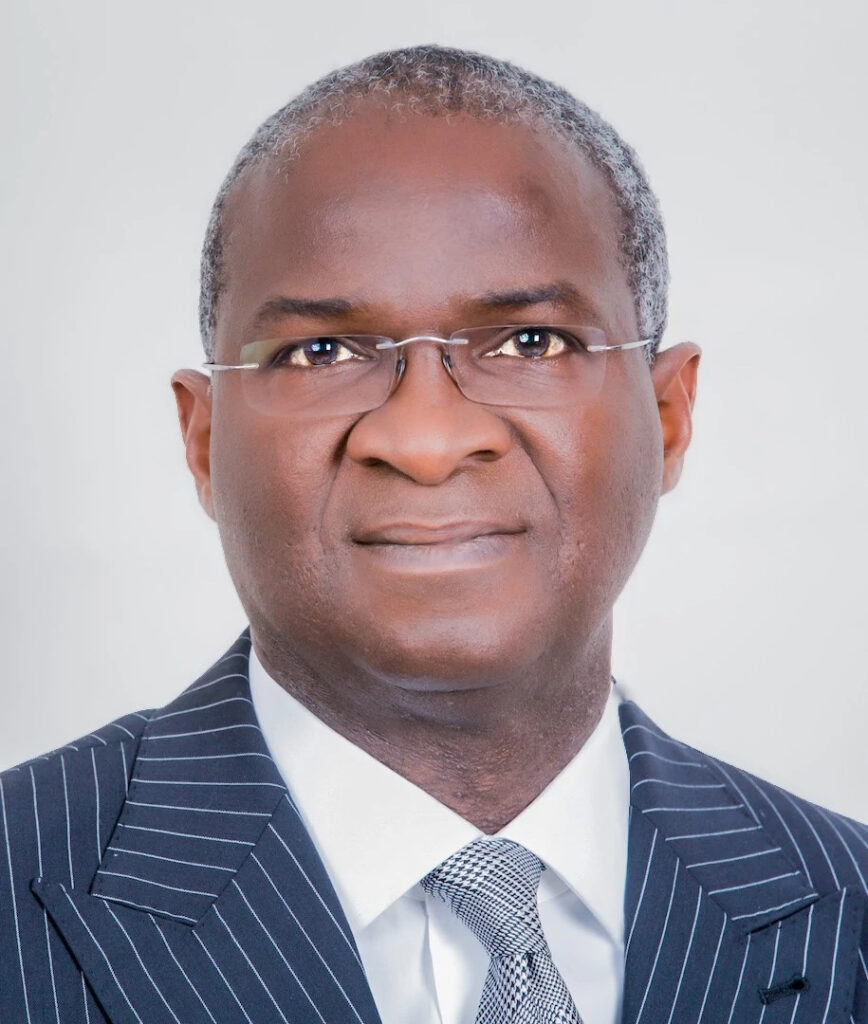
JULY 18, 2025 (ABUJA, NIGERIA) — Today, Resolve to Save Lives Nigeria (RTSL Nigeria) announced the appointment of Mr. Babatunde Raji Fashola, SAN, a seasoned legal practitioner and public official, to the RTSL Nigeria Board of Directors. Resolve to Save Lives opened an office in Abuja in 2022 to strengthen partnerships for cardiovascular health and […]
How event-based surveillance is saving lives across Africa
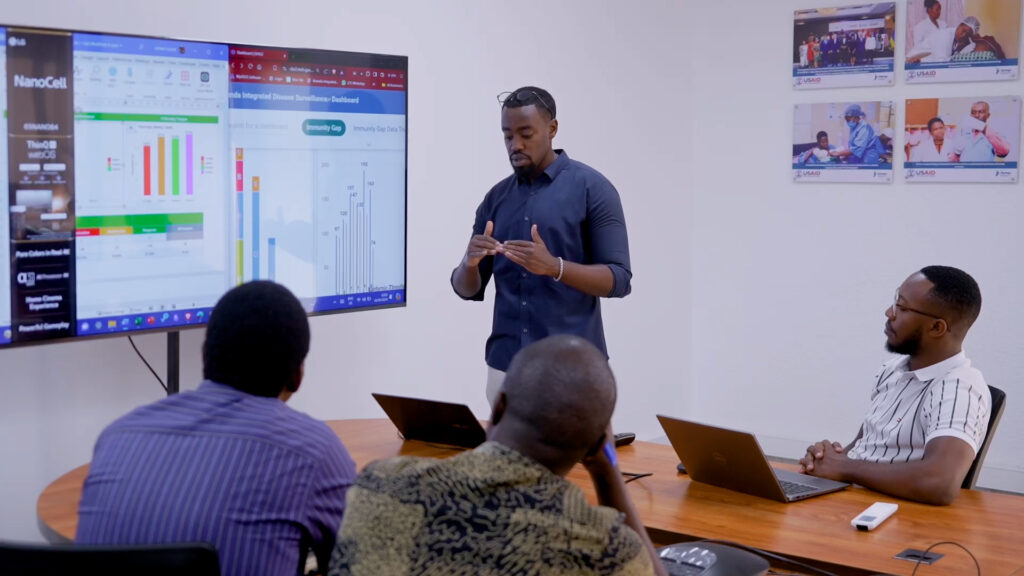
We partnered with National Public Health Institutes in five African countries to detect outbreaks faster using early warning signals.
Advancing subnational health security through legal reform in Nigeria

We spoke with Emem Udoh, a senior legal advisor at Resolve to Save Lives, to find out how his team is using state-level legal reforms to keep Nigeria safe from public health threats.
Activating leadership to strengthen Nigeria’s health security

Leadership is an act, not just a position. Nigeria’s health security leaders join PMEP, our learning laboratory for global epidemic prevention management.
Analysis of costs in implementing the HEARTS hypertension program in Nigerian primary care
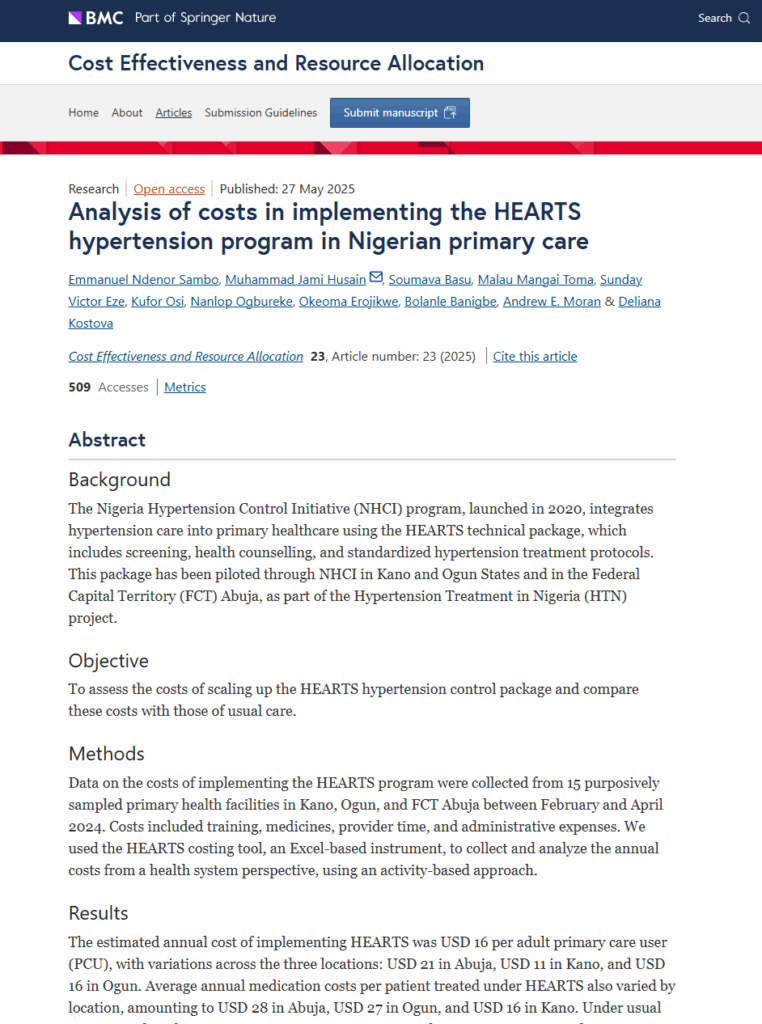
A new article co-authored by Resolve to Save Lives dives into the cost of scaling up HEARTS hypertension services in Nigeria to help prevent and control high blood pressure, and outlines the next steps to lowering the cost of HEARTS implementation. Abstract Background The Nigeria Hypertension Control Initiative (NHCI) program, launched in 2020, integrates […]
In Nigeria, this pilot program is making blood pressure treatment affordable for all
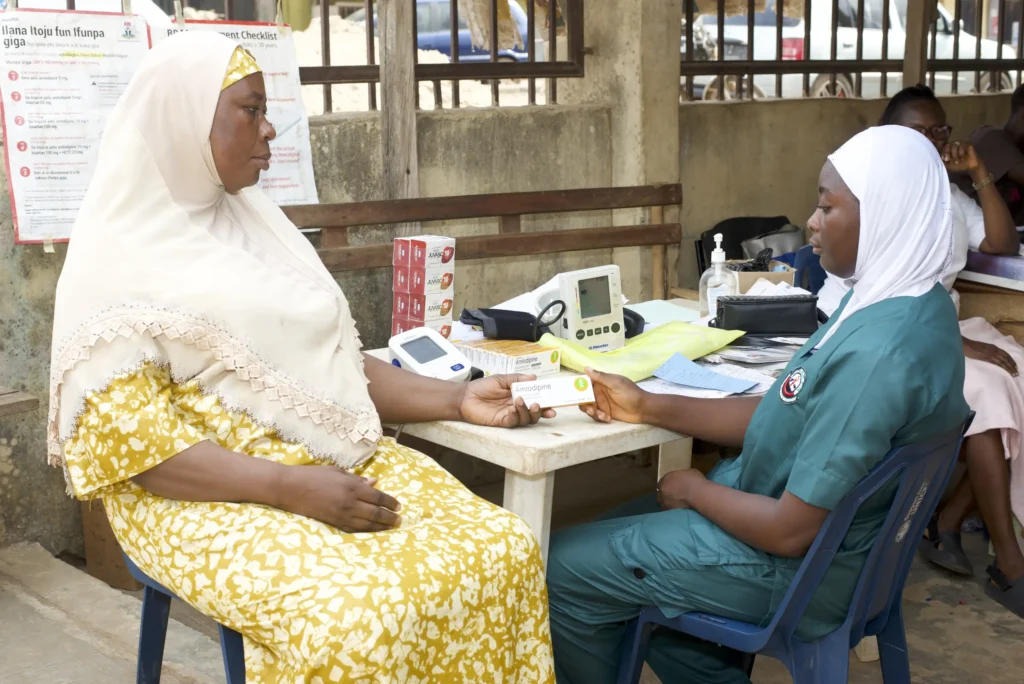
Streamlining makes quality treatment possible at a price patients can afford.
Development and Implementation of a Public Health Event Management System, Nigeria, 2018–2024
In a study published in Emerging Infectious Diseases, Resolve to Save Lives and colleagues explore the role of event management systems (EMS) in epidemic intelligence, focusing on the Nigeria Centre for Disease Control and Prevention’s (NCDC) SITAware software. EMS are essential for integrating surveillance signals and managing incident response, though international standards for their development […]
Nigeria launches National Sodium Reduction Guideline
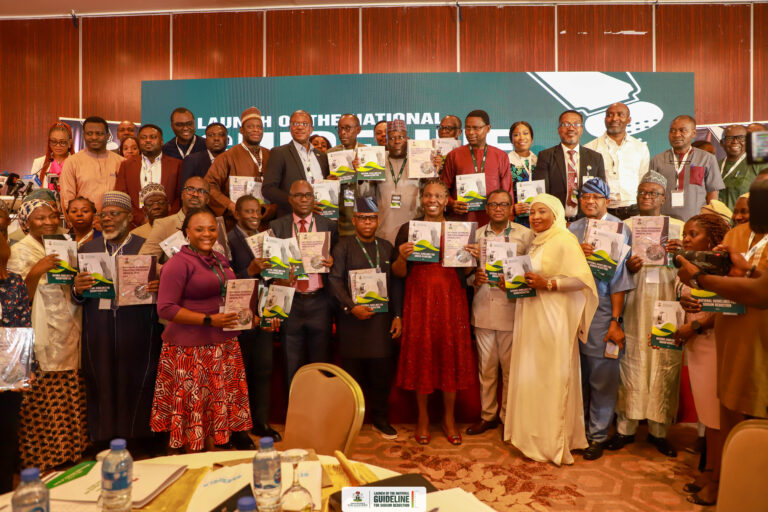
Evidence-based interventions include mandatory limits on sodium content in processed and packaged foods.
National guideline for the prevention and management of hypertension in Nigeria

National treatment guideline adopted in Nigeria to support the management of high blood pressure and improve access to medications.
Highlighting epidemic prevention at the 2025 Africa Health Agenda International Conference
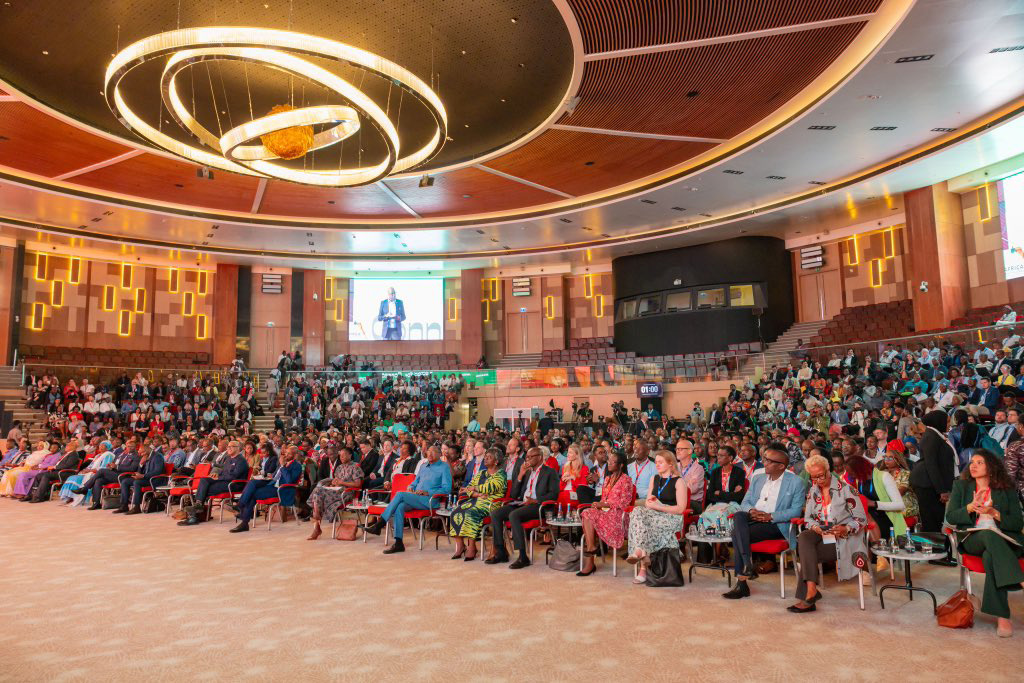
RTSL Nigeria’s Executive Director, Nanlop Ogbureke outlined three proven strategies to ensure countries can respond effectively to health threats.
Development of a Subnational Health Security Capacities Assessment Tool: Lessons From Nigeria and Implications for the Implementation of the Integrated Disease Surveillance and Response Strategy
In a study published in Health Security, Resolve to Save Lives and partners introduce a tool for assessing subnational health security in Nigeria that evaluates state-level capacities under the International Health Regulations (2005) (IHR). With input from public health leaders and legal experts, the team used a legislative evaluation to determine feasible IHR activities within […]
Training lab techs to keep toxic trans fat out of Nigeria’s food

To effectively ban trans fat and enforce compliance, lab tachs need training on simple protocols.
Connect, detect, protect, treat: learnings from implementing Epidemic-Ready Primary Health Care
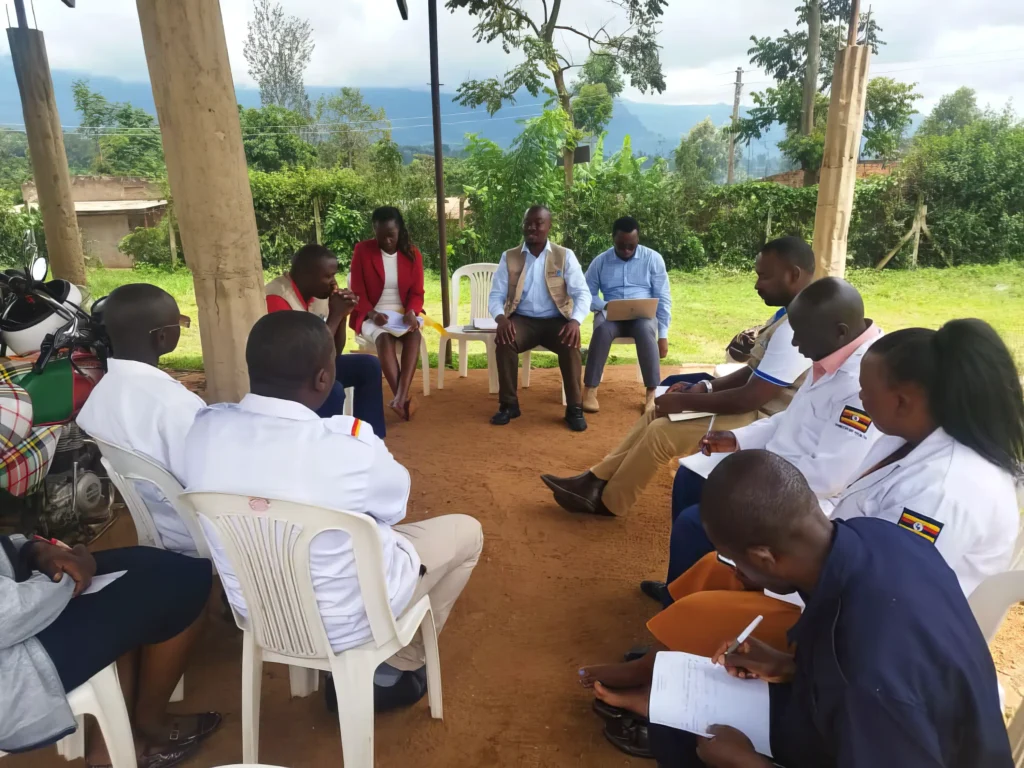
Resolve to Save Lives is partnering with primary health facilities to make sure they’re ready to stop the next epidemic.
Training health care workers to prevent epidemics—with their smartphones

Resolve to Save Lives and our partners at HealthLearn developed free, mobile-optimized training courses that help frontline health care workers recognize, report and contain infectious disease outbreaks.
Developing the 2024 National Action Plan for Health Security (NAPHS) Annual Operational Plan (AOP)
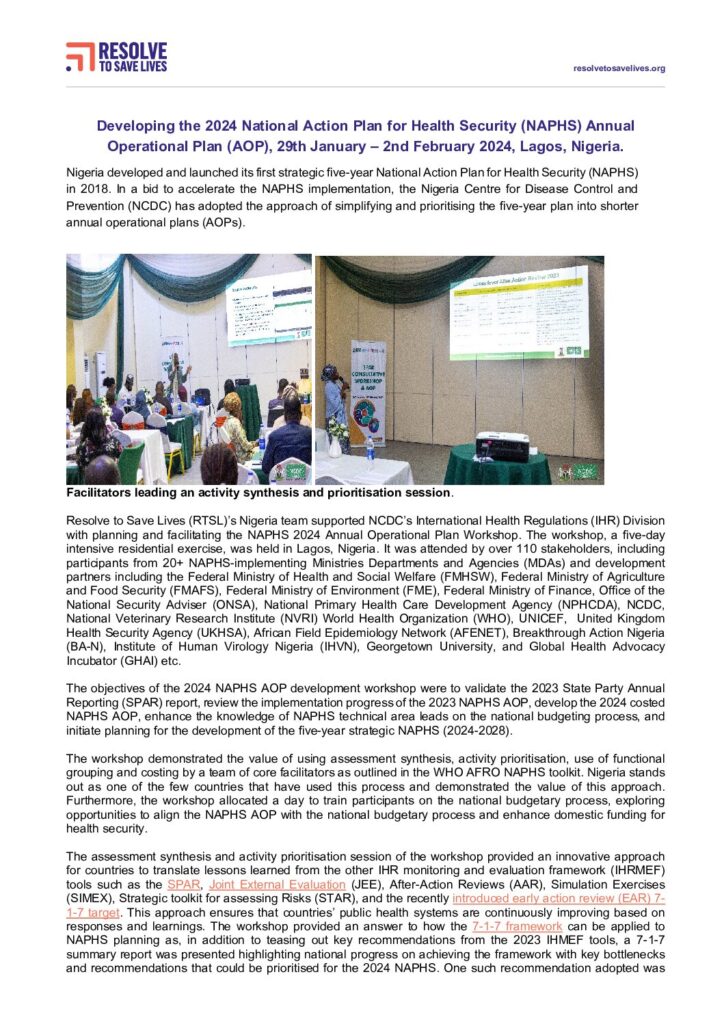
An overview of the process of developing the 2024 National Action Plan for Health Security Annual Operational Plan in Nigeria.