Resolve to Save Lives
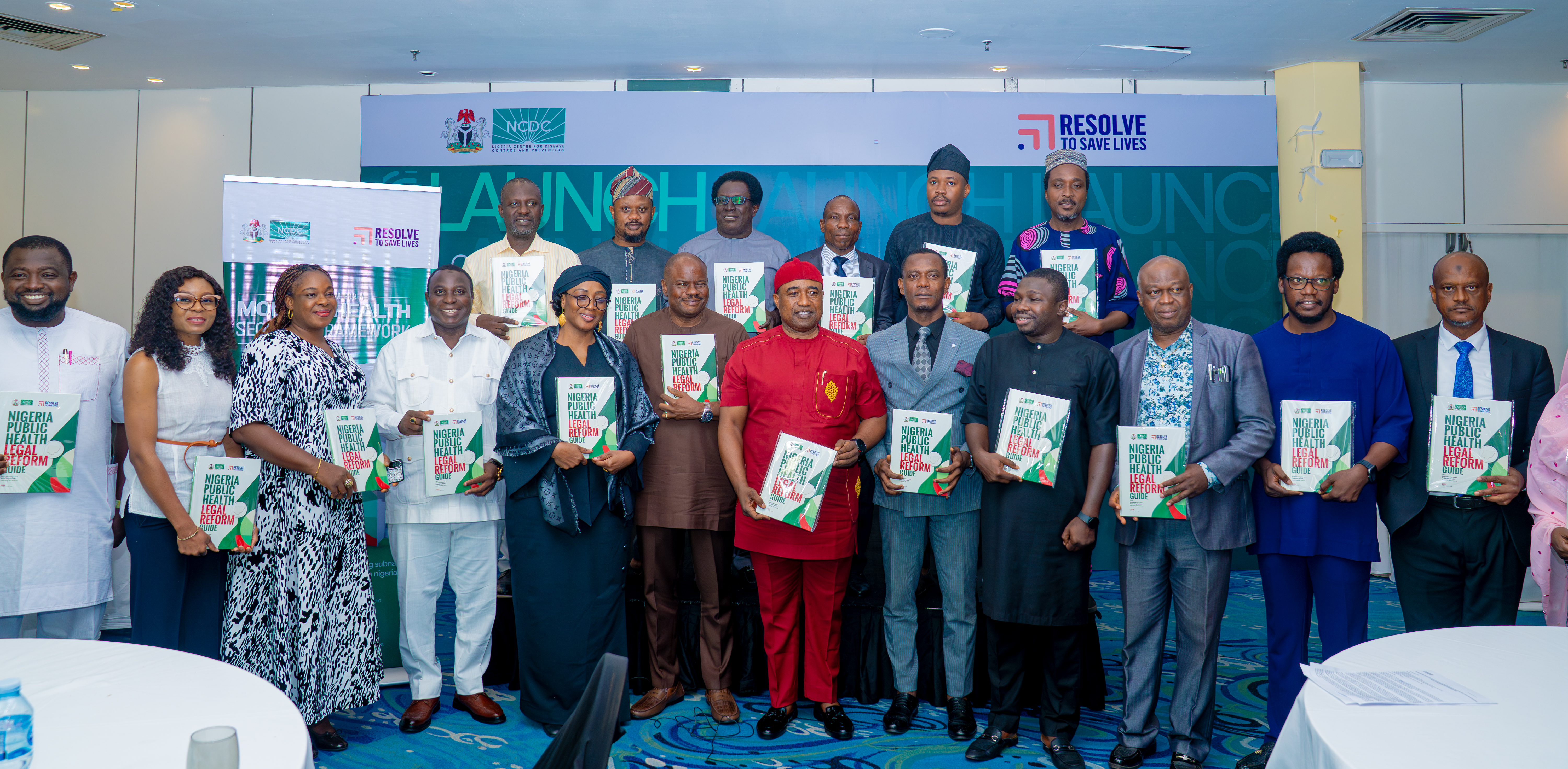
Resolve to Save Lives (RTSL) Nigeria convened government leaders, public health officials, and partners in Abuja to launch A System in Transition: Nigeria Country Report, a landscape assessment of how recent disruptions in financing are affecting Nigeria’s public health architecture.
The report finds that while donor support over the past two decades expanded diagnostic capacity, digital surveillance platforms, laboratory networks, and outbreak response functions, it also reinforced fragmented, disease-specific systems that remain heavily dependent on external financing. With recent disruptions in U.S. government and other donor funding, Nigeria’s surveillance, laboratory, and specimen transport systems now face rising uncertainty.
In her keynote address, RTSL Nigeria Executive Director Nanlop Ogbureke described the report as “a mirror held up to Nigeria’s health security system at a defining moment, pointing toward the decisions that will shape our preparedness for years to come.” She noted that “Nigeria is not alone in facing this moment, “…across the world, countries are grappling with similar transitions and asking hard questions about sustainability, efficiency, and national ownership.”
She emphasized that the countries navigating this transition most effectively are not those attempting to replace donor funding, but the ones using evidence to integrate systems, reduce fragmentation, and invest in the core public health functions that ensure longterm resilience.
Subnational stakeholders at the event also reinforced the urgency of action. The Kaduna State Epidemiologist, Dr. Jeremiah Daikwo, stressed the need for stronger domestic investment, saying, “This is coming at a time when donor funding has decreased significantly, so we must begin to look inward to support surveillance, laboratories, and outbreak response.”
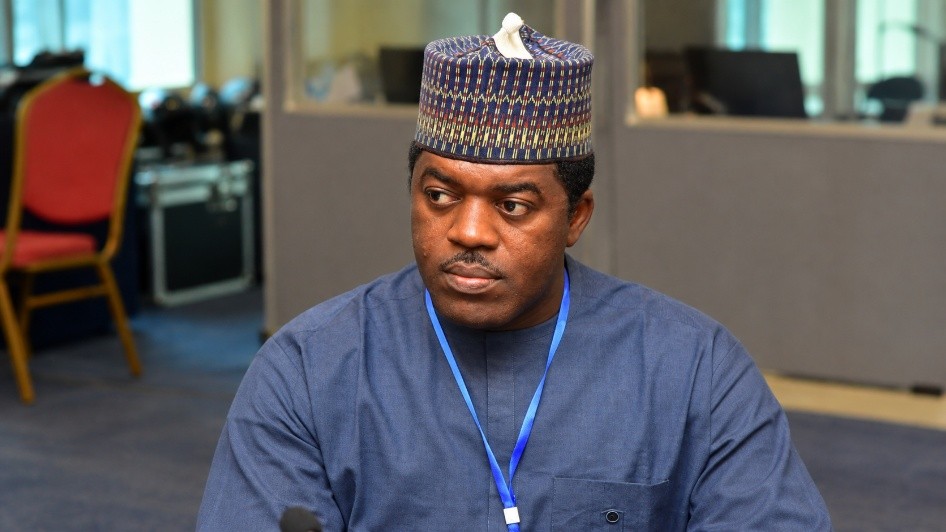
Dr. Muhammad Abbas, Director-General of the Kano State Centre for Disease Control, also warned of the vulnerability of state-level systems, noting that “for an agency responsible for preventing and responding to epidemics, we will naturally be affected by these disruptions,” and urging states to pursue more sustainable approaches.
Despite these challenges, the report also highlights this period as both a challenge and an opportunity, stressing that Nigeria stands at a critical juncture with the chance to consolidate fragmented systems and strengthen national ownership for a more resilient future. As major financing streams converge, the assessment points to a strategic opening: Nigeria can move beyond short term risks to redesign, finance, and govern its core public health functions more sustainably.
Learn more about our work in Nigeria