Turning the tide on blood pressure control in Sri Lanka
February 26, 2026
At a glance

Sri Lanka had launched a blood pressure control program—now, they needed to determine if was working, and if not, to quickly implement interventions to address the issues.
Resolve to Save Lives partnered with Sri Lanka’s Ministry of Health to find a solution.
Over the course of a single year, medication titration increased by over 50%, planing a key role in raising blood pressure control rates from 50% to 68%.
Learn how RTSL and the Sri Lanka Ministry of Health (MoH) worked together to make this happen.
Challenge: Troubleshooting a HEARTS program
Of the roughly 4.3 million people suffering from high blood pressure in Sri Lanka, only 16 percent have it under control, putting them at risk of heart attack, stroke, and premature death.Recognizing the need to tackle high blood pressure at scale, the Sri Lanka Ministry of Health (MoH) adopted the WHO HEARTS technical package for hypertension control in 2021.
The ultimate goal of a successful hypertension program is to control blood pressure. Diagnosing is important to find those at risk, and initiating treatment is a crucial first step. But it is through controlling high blood pressure that programs help reduce their patients’ risks of a disabling event and improve outcomes. With the HEARTS program in place, Sri Lanka needed to next determine if their hypertension control program was in fact controlling high blood pressure, and to quickly implement interventions to address the reasons if it wasn’t.
With technical support from RTSL, Sri Lanka’s MoH implemented a quality improvement package in three pilot facilities in December of 2022.
Quality improvement is an approach that uses regular assessment of program data to identify gaps between actual outcomes and desired outcomes, and determine what factors are responsible. Program managers then create interventions to address those gaps. Continued monitoring and assessment determine if the interventions are working and worthy of scaling—creating a virtuous cycle of feedback.
Sri Lanka’s QI program included three main components:
- QI training for program managers;
- A simple digital dashboard for monitoring; and
- Monthly QI meetings to evaluate and iterate interventions.
Solution: A quality improvement approach
Qi training for program managers
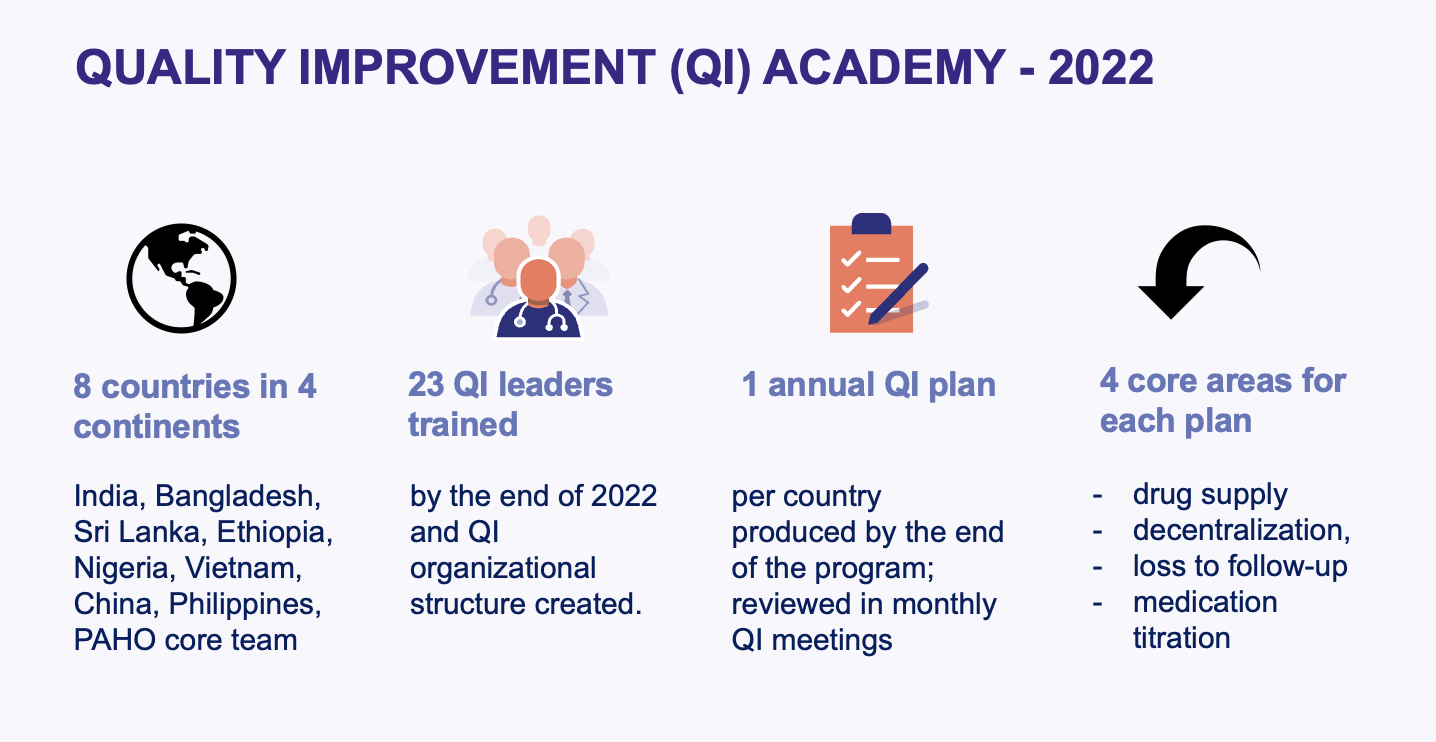
National hypertension program managers attended RTSL’s Quality Improvement Academy, which focused on how to analyze data, identify gaps in care, test targeted interventions, and conduct monthly quality improvement meetings to assess progress. The Academy included 23 national hypertension quality leaders from eight countries and involved multiple virtual trainings over the course of 3 months facilitated by Resolve to Save Lives.
At the end of the training, each country developed an annual plan with interventions to target the main drivers of BP control:
- Drug supply
- Missed patient visits
- Decentralizing care
- Medication titration
A simple digital dashboard for decision-making
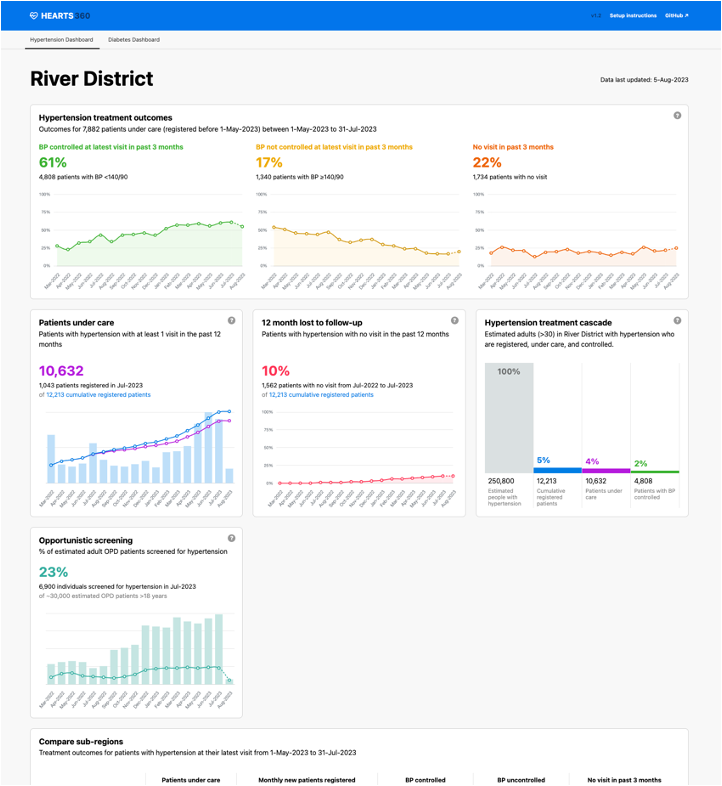
Program managers used the HEARTS360 dashboard, which is pre-configured with WHO HEARTS indicators for hypertension and diabetes and enables rapid performance assessments and real-time comparisons across facilities. Data in the dashboard is updated daily in settings with a digital information system such as Simple or DHIS2. In Sri Lanka, healthcare workers input just a handful of key indicators into the Simple app so program managers can use the resulting dashboard to assess the progress of their interventions and inform next steps.
Iterative interventions
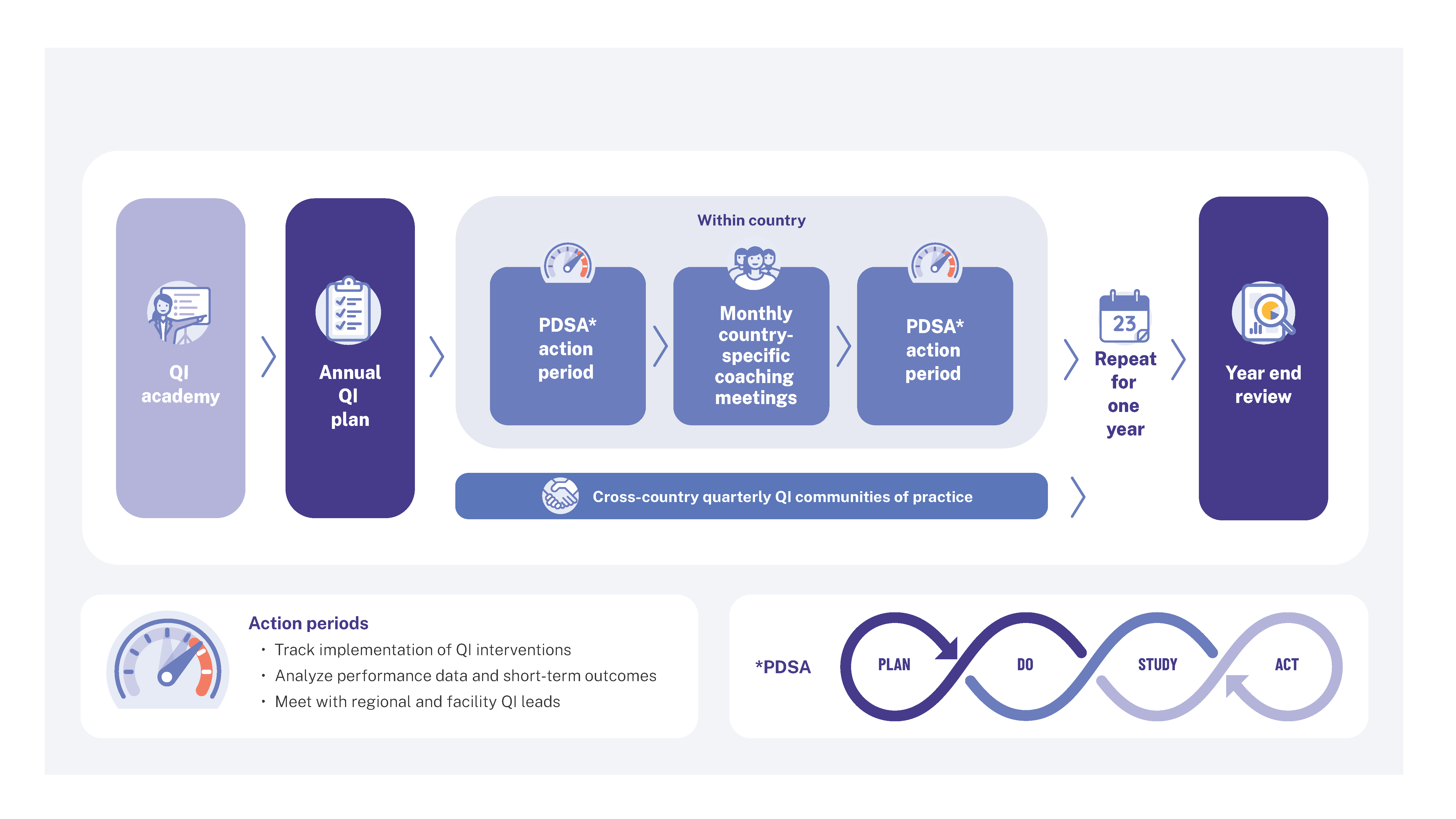
Monthly and quarterly QI meetings to assess progress of interventions were pivotal to improve program quality. Monthly meetings consisted of a national quality leaders trained by the academy and RTSL quality improvement experts who reviewed reports produced by the HEARTS360 dashboard to determine next steps across the national program. Quarterly, the Ministry of Health NCD Unit leaders met with district officials and facility champions to review the data and share learnings and best practices, encouraging improvement and structuring accountability.
How we did it: finding—and reducing—treatment inertia
The QI program revealed a major bottleneck to blood pressure control: some patients were returning to the facility for a follow up with their blood pressure uncontrolled; in many cases, instead of intensifying their treatment, clinicians were maintaining them on the same drug and dose they had before. This challenge, known as treatment inertia, is not unique to Sri Lanka—globally, clinicians in low- and middle-income countries adjust medications in such cases less than 20% of the time. But it can undermine the effectiveness of a hypertension control program.
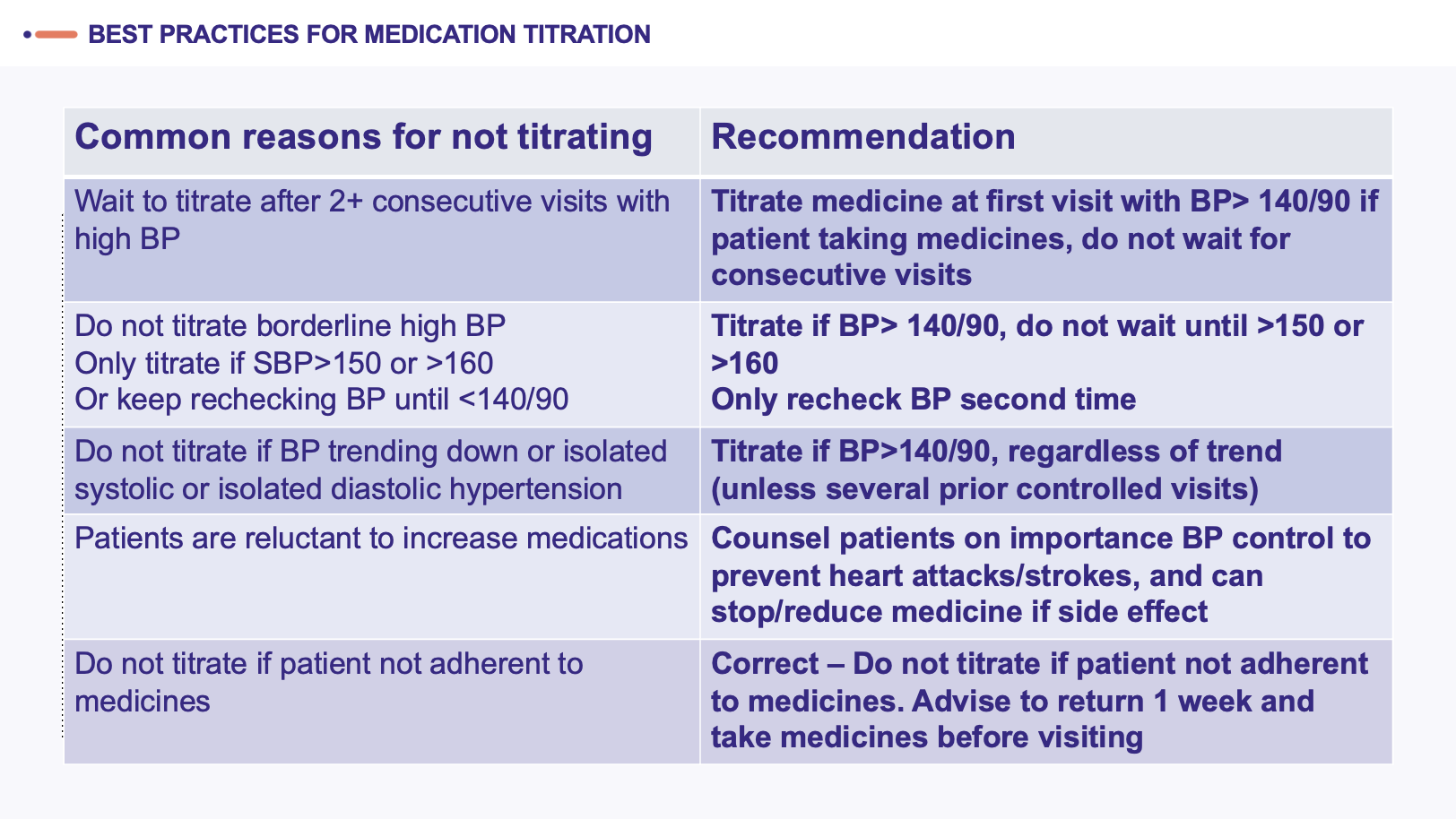
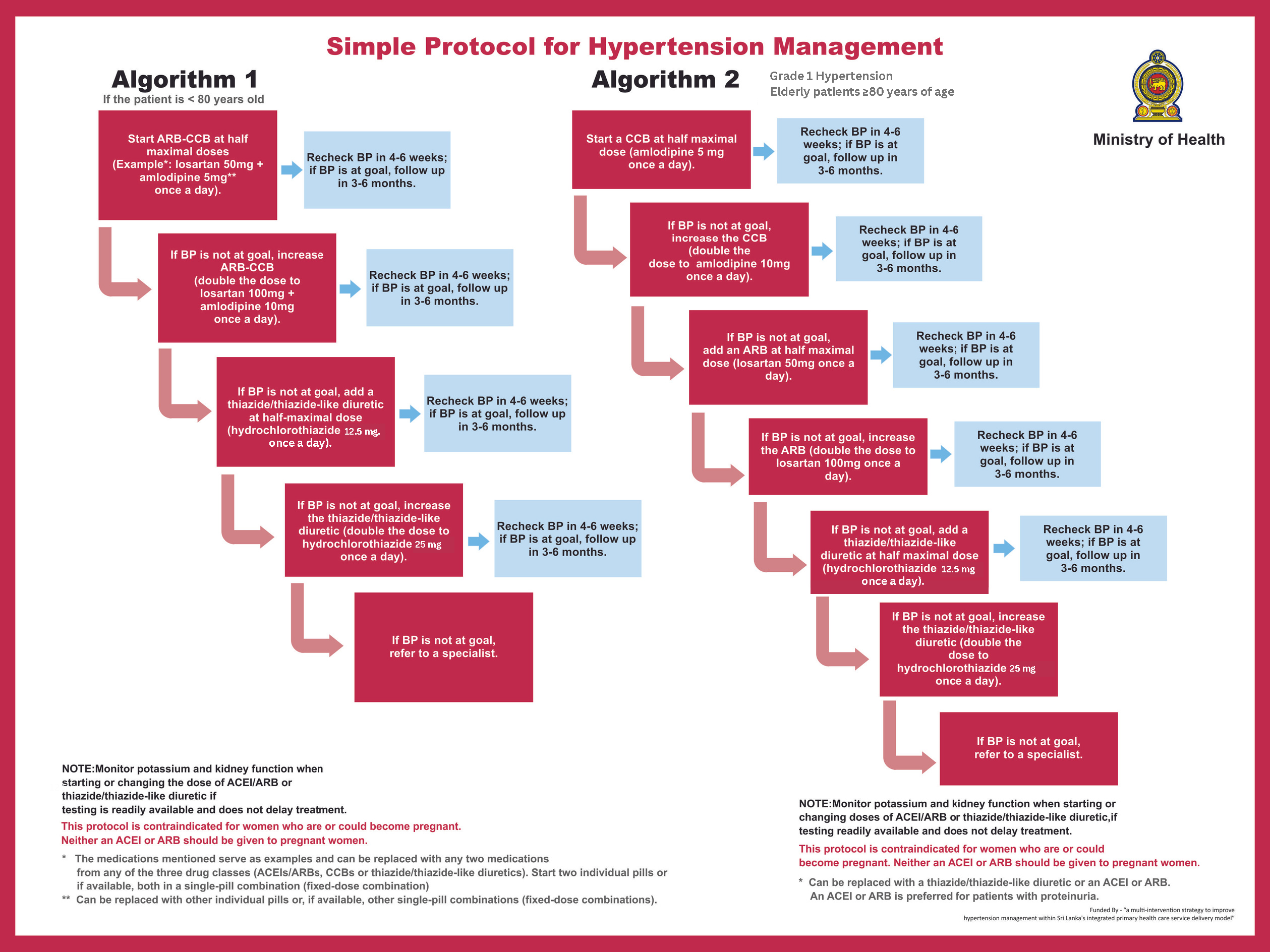
The pilot facilities implemented a comprehensive package of quality improvement interventions aimed at addressing the causes of treatment inertia. A local clinician who championed this effort, Dr. Amila of the DH Haltota pilot facility, conducted clinician trainings that focused on best practices for titration. They also worked with the MoH to reinforce use of the national simplified treatment protocol with just a few key medications and clear titration guidelines. Streamlining prescription processes not only standardized care but also reduced medication costs and increased availability by enabling bulk procurement. Quarterly reviews of medication titration data highlighted best practices that were shared amongst the clinicians, while reminders from healthcare workers encouraged patients to take their medications consistently and refresher trainings ensured healthcare uploaded data into the digital tool correctly.
The evidence is clear – lower blood pressure is better. But we see that clinicians are often reluctant to increase medications until blood pressure is controlled, and that can undermine the impact of a hypertension control program. Using a quality improvement approach and local clinical champions, we were able to identify the barrier and train clinicians on the importance of following a simple treatment protocol. And it worked.
Dr. Reena Gupta, Chief Medical Officer for Performance Improvement, Resolve to Save Lives, Professor of Medicine, Univsersity of California, San Francisco
Impact: 50% to 68% increase in blood pressure control
The interventions worked. Within just one year of routine quality improvement meetings and an iterative intervention and assessment process, medication titrations according to protocol in the three pilot facilities increased by more than 50%. This contributed to a cross-facility increase in blood pressure control from 50% to 68%
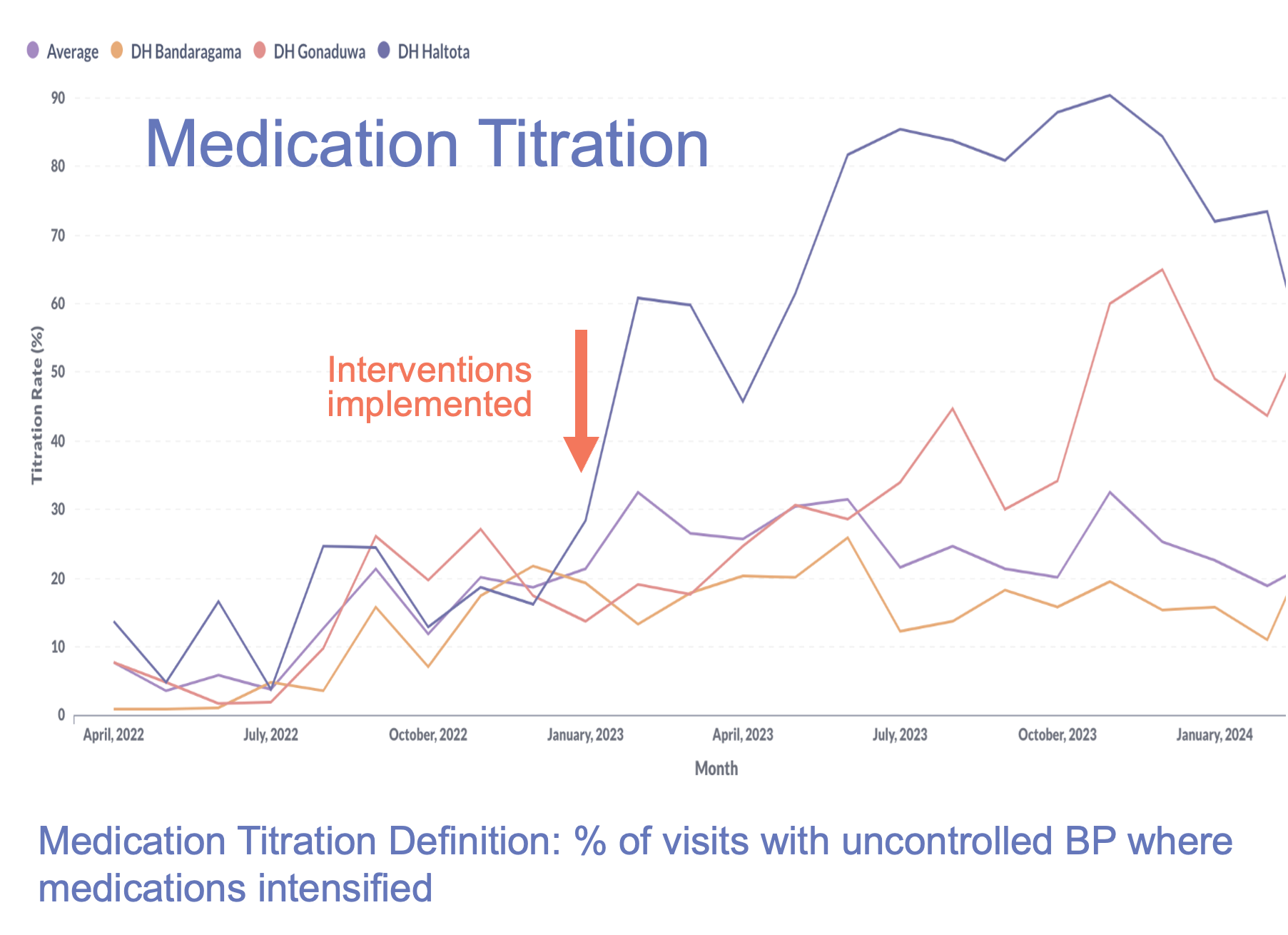
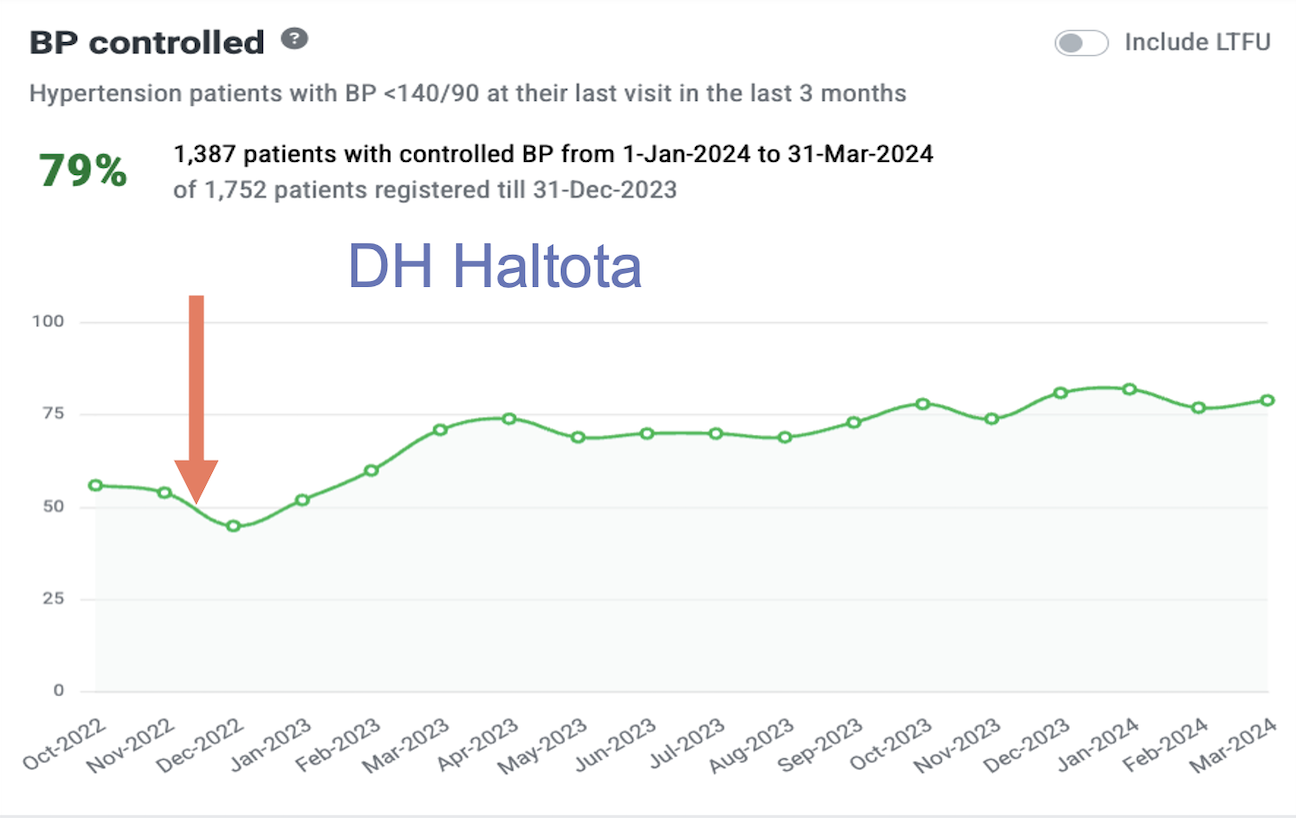
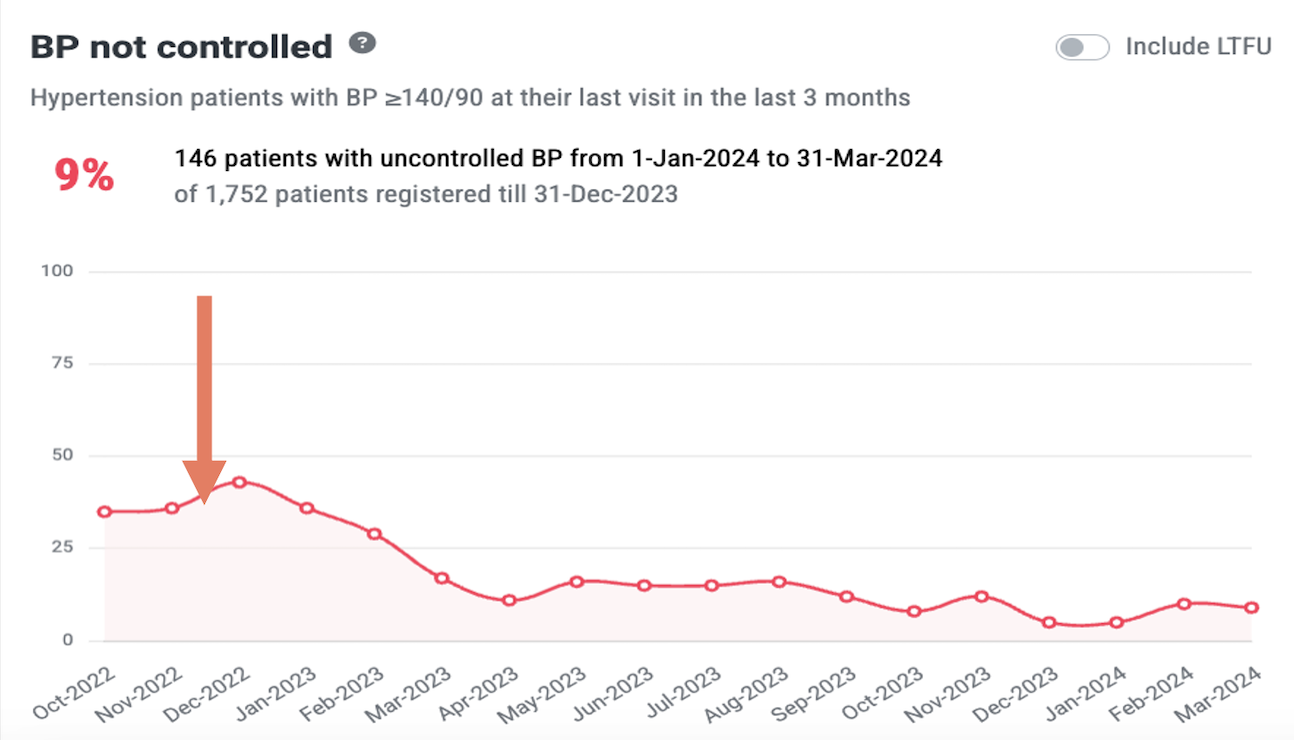
Due to the success of these pilot facilities, the Sri Lanka MoH added the QI interventions for medication titration to 11 hospitals in January 2023 and 10 more hospitals in December of 2023. Sri Lanka MoH has also committed to scaling the QI program to all project facilities throughout the country over the coming years. Sri Lanka’s journey demonstrates how leveraging data, fostering accountability, and standardizing care can transform hypertension control programs, saving lives and strengthening health systems for the future.
Blood pressure control is key to reducing health risks from hypertension, such as heart attack and stroke. After implementing the WHO HEARTS technical package, we needed to verify if our interventions were working and where we could improve. The QI Academy gave us the tools we needed to adapt our approach until we found what works. In our continued commitment to improving the lives of all In Sri Lanka, we have plans to expand these interventions and to continue using the QI approach.
Dr Champika Wickramasinghe, Deputy Director General (NCD), Ministry of Health, Sri Lanka
We spoke with Emem Udoh, a senior legal advisor at Resolve to Save Lives, to find out how his team is using state-level legal reforms to keep Nigeria safe from public health threats.
We often talk about national and international health security. Why is subnational important?
Global and national health security are important but can sometimes feel abstract. Especially in a federal state like Nigeria, the subnational level is where much of the action takes place! Strengthening state-level health security is essential because it directly underpins national and international efforts. Nigeria’s size and complexity mean that national health security cannot be fully achieved without robust subnational systems.
The International Health Regulations (IHR 2005) emphasize containing outbreaks at the source, and the recent amendments place greater importance on local implementation. Our work in Nigeria reflects this shift—preparedness at the national level alone isn’t enough. We need to ensure that states have the capacity, legal frameworks and resources to detect, respond to and prevent health threats. Through this, our efforts ultimately strengthen the entire country.
How have you been strengthening state-level legal frameworks so far?
Our work so far has involved legal analysis, training legal officers and supporting state-level reforms. Between 2019 and 2021, we conducted an initial legal analysis to assess the state of health security laws at both federal and state levels, using a tool adapted from WHO guidance. This helped us understand how IHR was being implemented across states in terms of legal reforms. From there, we advanced our work through three main initiatives.
First, we developed a subnational legal assessment tool to standardize assessments across Nigeria’s 36 states. Next, we designed a curriculum for legal officers, launched in 2022 and expanded in 2024, to train both state and federal officers on legal assessment of IHR capacities, and best drafting practices. Finally, we created a model subnational health security bill to help states streamline and contextualize their legal reforms. These initiatives provide a structured approach to strengthening state-level health security.
Who have been your primary partners in executing these activities?
Partnerships are essential for the success of this work! Our primary partner is the Nigeria Centre for Disease Control and Prevention (NCDC), which plays a critical role as a coordinating body for legal developments at the state level. We supported NCDC to ensure it can lead legal reform discussions and facilitate smoother engagement between federal and state governments.
Civil society organizations (CSOs) also play a vital role—particularly those specializing in health security, legal drafting and advocacy. A network of state-based CSOs helps keep reform efforts moving forward by engaging stakeholders, organizing advocacy forums and fostering trust between state ministries. Furthermore, we strategically leveraged resources from development partners, notably Lafiya Palladium, to support ongoing legal reform efforts across various states. Lafiya provided critical support for convening stakeholder meetings and engagement sessions, which significantly contributed to securing broad-based buy-in and acceptance of the proposed legal instruments, including draft public health bills for Kano, Kaduna and Jigawa states.
Additionally, at the state level, the leadership of state governments is crucial, as they hold the ultimate authority to enact and implement health security laws.
What have been the biggest impacts of your work so far?
The momentum for legal reform is growing across Nigeria! Kano State led the way by successfully passing a landmark health security bill, ultimately aligning the state with international standards. Kaduna and Jigawa States have followed the successful example set by Kano State by enacting their respective public health and health security laws. Notably, all three states adopted the legal reform methodology introduced by our team!
This approach has proven instrumental in deepening understanding of health security issues and strengthening the legal frameworks that govern health and epidemic preparedness at the subnational level. Following the successes in the three states already discussed, Ogun and Nasarawa States quickly initiated similar processes. And within just 12 months, these states moved from initial discussions to submitting legislation for passage. This work is supporting capacities at the state level, ultimately saving lives by more effectively stopping outbreaks.
What’s next for you and your team?
Scaling up our efforts is the next priority! We are expanding our legal reform work across additional states to create a truly national impact.
To support this expansion, we are developing guidance documents and best practices that will streamline the process for other states looking to strengthen their health security laws. The goal is to build a sustainable framework where legal reforms become an integral part of public health planning. By continuing to strengthen legal foundations at the state and local levels, we are reinforcing Nigeria’s ability to prevent, detect and respond to health threats more effectively.
