Technical and leadership skills for experts in epidemic preparedness
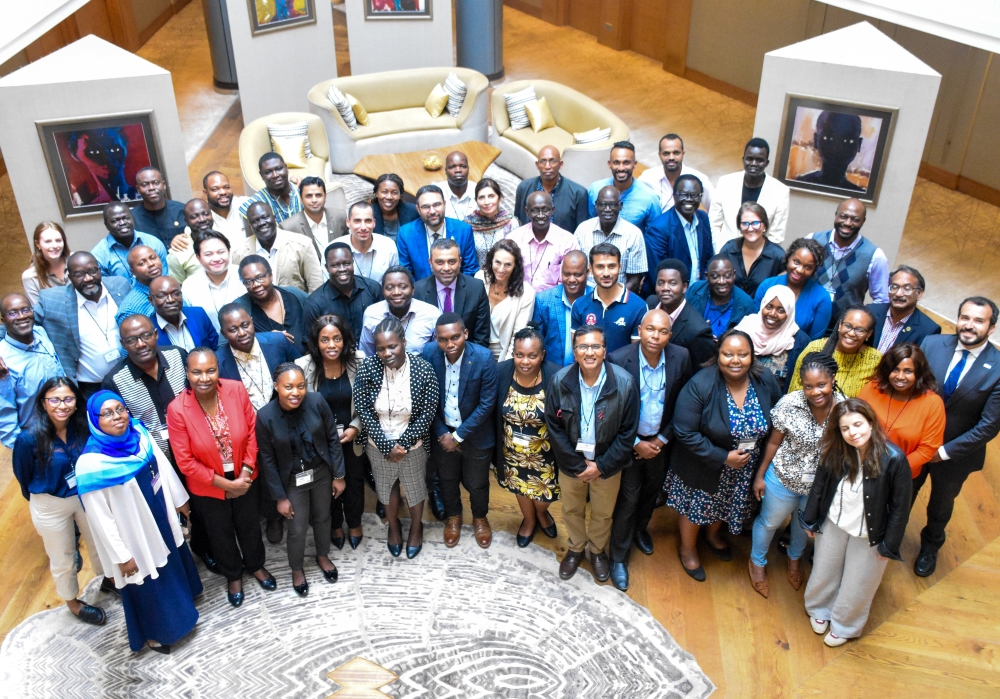
Our team visited Nairobi, Kenya, to facilitate our Program Management for Epidemic Preparedness (PMEP) training for 71 health security leaders from 12 English- and French-speaking countries in Africa and the Eastern Mediterranean. A selection of participants will advance into our new 12-month program offering funding and coaching to develop their national action plans for health […]
Putting hypertension courses in the palm of health workers’ hands in Nigeria
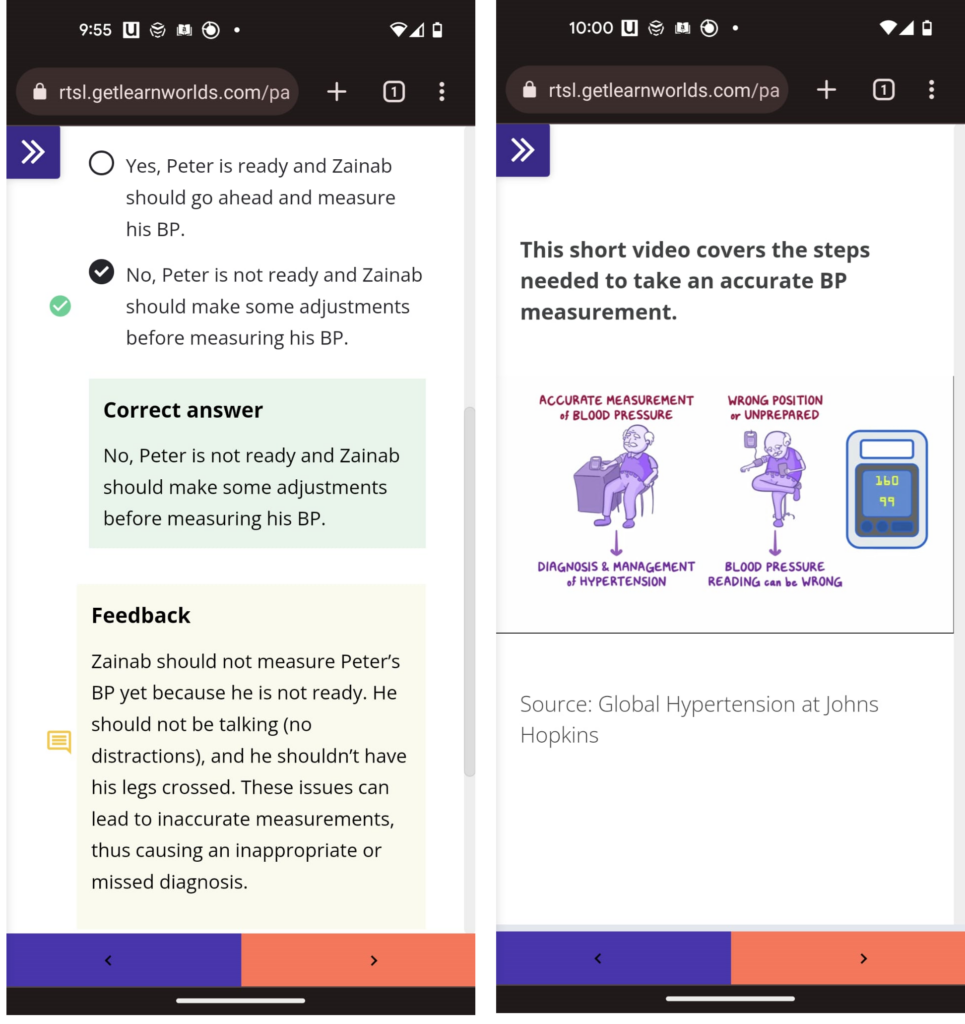
An effective, lower-cost alternative to traditional, in-person training.
Launching our new Epidemic-Ready Primary Health Care program
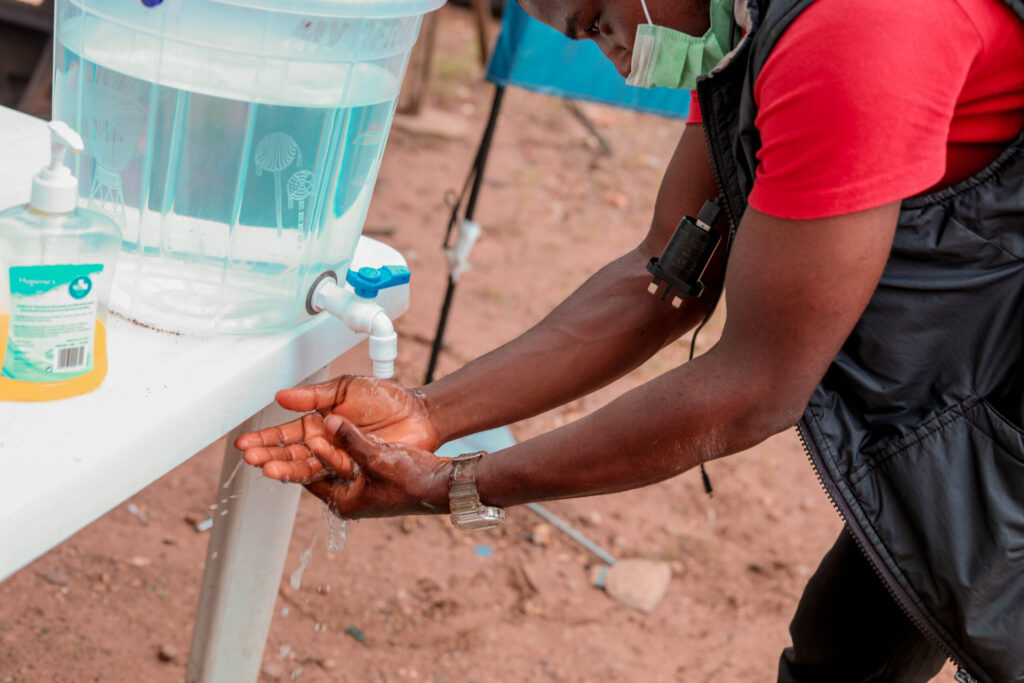
In Ethiopia, Nigeria, Sierra Leone, and Uganda, we’ll support primary health facilities to detect outbreaks promptly and safely deliver essential services.
Including hypertension treatment during HIV care dramatically improved patient outcomes in Uganda
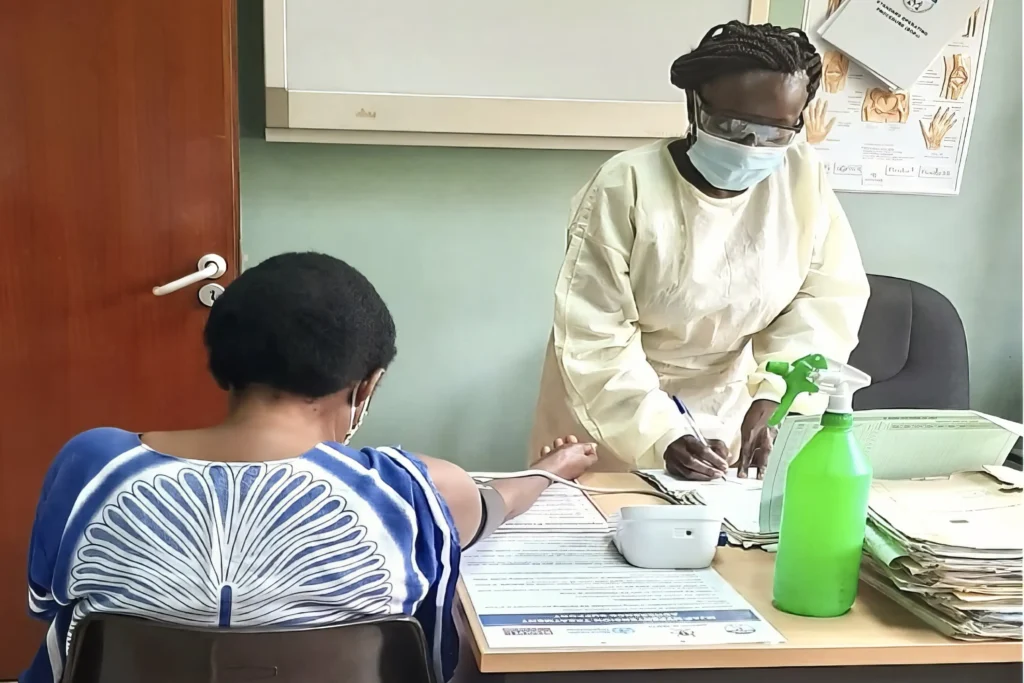
Including treatment for high blood pressure in HIV programs improves outcomes for both conditions.
Strengthening leadership and management for preparedness in Ethiopia
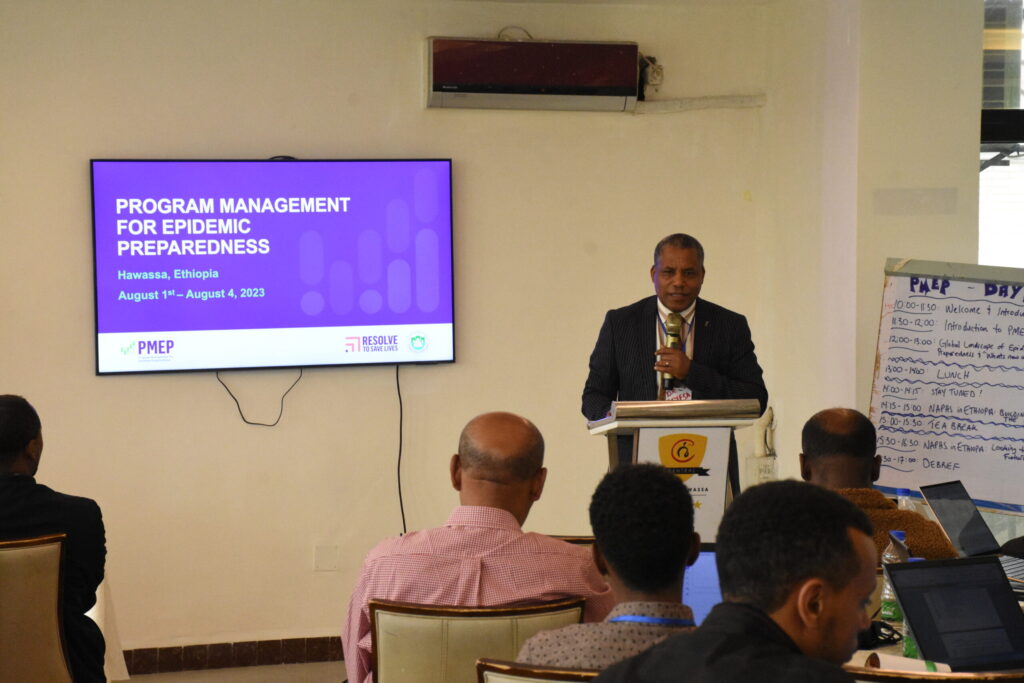
Our team convened in Hawassa, Ethiopia, to facilitate a four-day leadership and management program for epidemic preparedness for 33 of the nation’s health security leaders. The training will support efforts to strengthen Ethiopia’s health security over the next five years.
Ethiopia among World Bank Pandemic Fund’s first grantees
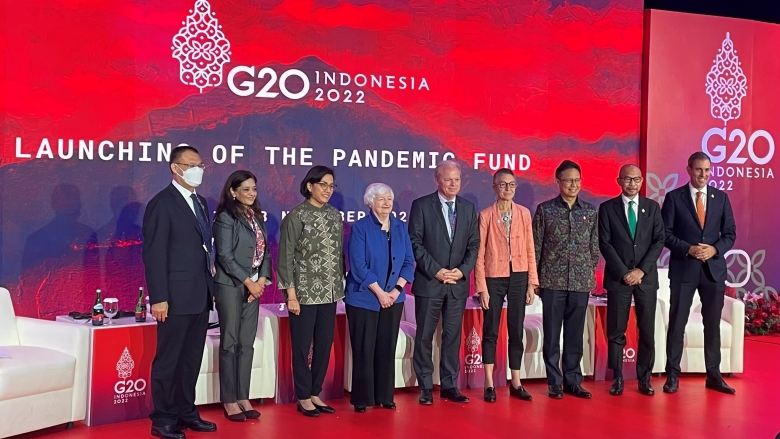
The Pandemic Fund is the first multilateral financing mechanism dedicated to providing multiyear grants to help low- and middle-income countries become better prepared for future pandemics. Ethiopia just became one of the first countries to achieve a grant towards better epidemic preparedness, with support from our in-country team. Image credit: World Bank
Dr. Nnenna Ezeigwe joins the Board of Directors of Resolve to Save Lives Nigeria

18 JULY 2023 (ABUJA, NIGERIA)—Today, Resolve to Save Lives Nigeria (RTSL Nigeria) announced the appointment of Dr. Nnenna Ezeigwe, Co-Founder and CEO, Environment for Health Development Initiative (E4HDI), to the RTSL Nigeria Board of Directors. RTSL Nigeria is part of Resolve to Save Lives, a global health nonprofit focused on preventing 100 million deaths from cardiovascular disease and making […]
Ethiopia’s first-ever domestic infection prevention and control budget

Strong infection prevention and control (IPC) programs are essential to protect health care workers, patients, caregivers and communities. Although the World Health Organization has identified budgets as a core component of national IPC programs, only 50% of member states currently have dedicated domestic funding. Our team worked with Ethiopia’s Ministry of Health to develop its […]
Hypertension Treatment Protocol: Uganda
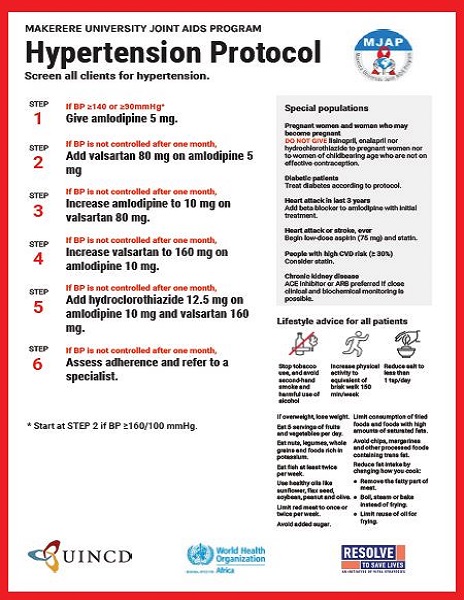
Treatment protocol developed by LINKS Grantee, Makarere University Joint AIDS Program
Integrating hypertension and HIV management could save 87,000 lives over the next 10 years
This toolkit offers a practical guide to treating high blood pressure in HIV programs to improve outcomes for both conditions.
Nigeria builds momentum for a trans fat-free Africa
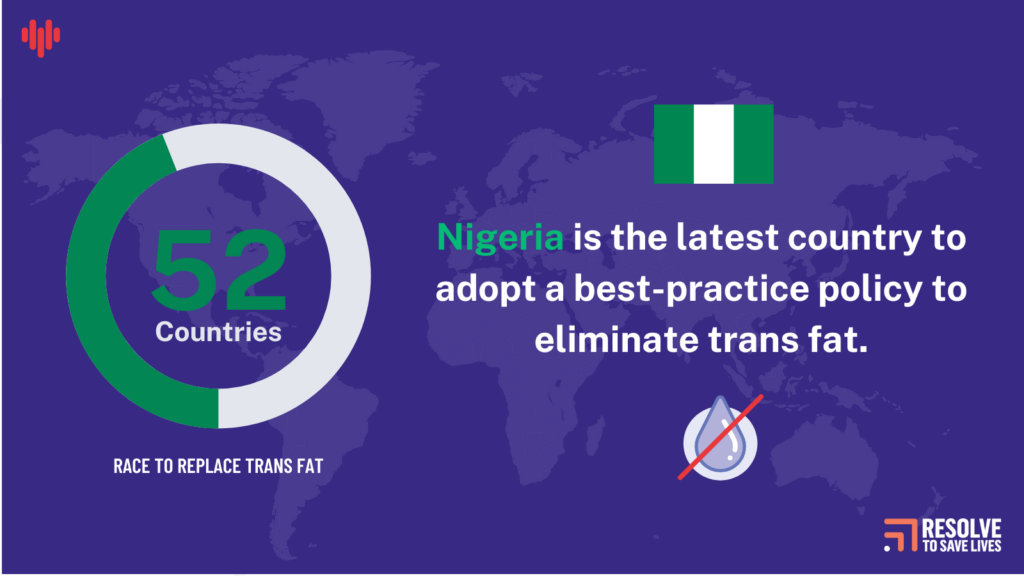
Nigeria joins the global movement to eliminate trans fat from the global food supply.
Statement from Dr. Renu Garg: Nigeria builds momentum for a trans fat-free Africa
Statement from Dr. Renu Garg, Senior Vice President of Cardiovascular Health at Resolve to Save Lives 10 May 2023 (NEW YORK, USA)—“We congratulate Nigeria on the passage of its new best practice trans fat elimination policy, which will save approximately 1,200 lives per year. As the most populous country in Africa, Nigeria has set a […]
WHO Nutrient Profile Model for the African Region (2019)
Nutrient thresholds used to implement the set of recommendations on the marketing of foods and non-alcoholic beverages to children.
Scaling-up purchase from Africans for Africa (2014)
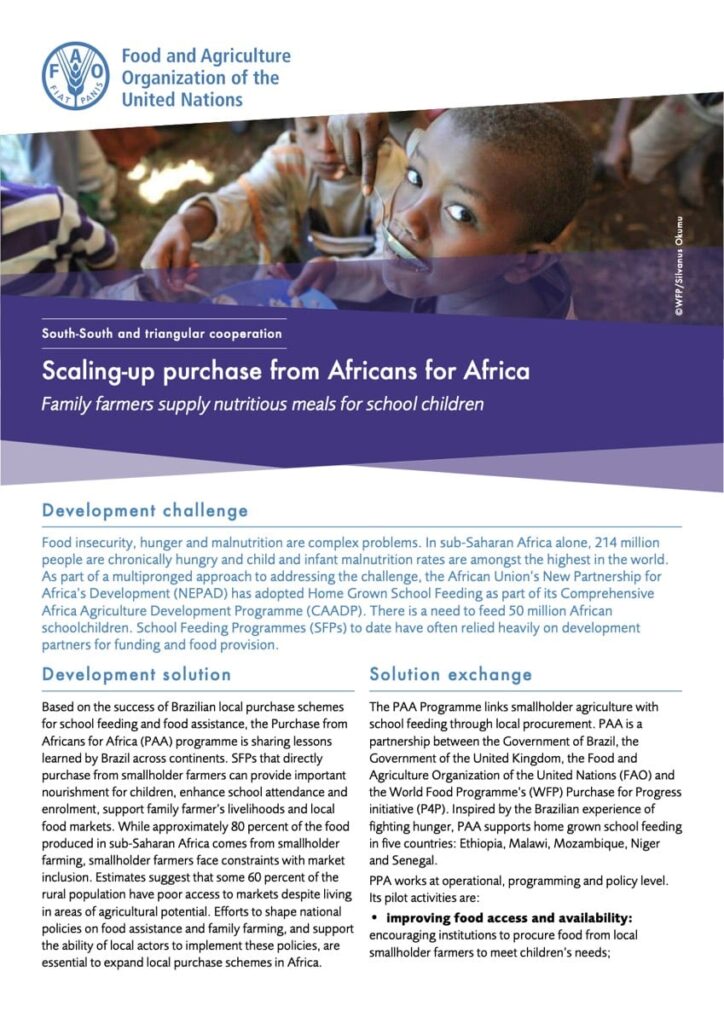
Multi-stakeholder initiative by the FAO, World Food Programme, Brazil and the UK, and the governments of each pilot country: Ethiopia, Malawi, Mozambique, Niger and Senegal, to procure food from small farms for schools.
Estimation of the global gap in clinic visits for hypertension care between patient need and physician capacity
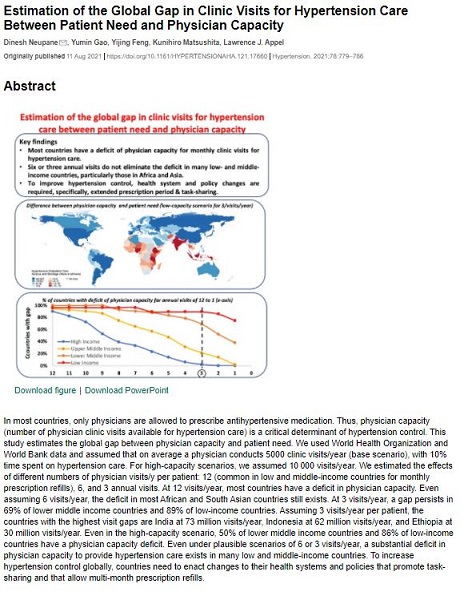
Article published in Hypertension Abstract In most countries, only physicians are allowed to prescribe antihypertensive medication. Thus, physician capacity (number of physician clinic visits available for hypertension care) is a critical determinant of hypertension control. This study estimates the global gap between physician capacity and patient need. We used World Health Organization and World Bank […]
Rapid scale-up of COVID-19 training for frontline health workers in 11 African countries

Effective outbreak response requires sustained investments in health systems—going beyond training to include adequate equipment, space and staffing levels. For Human Resources for Health, our colleagues at ICAP at Columbia University analyzed a COVID-19 response training program for health care workers in 11 African countries in mid-2020. While confidence in managing COVID-19 increased, barriers like […]
Psychosocial determinants of adherence to public health and social measures (PHSMs) in 18 African Union Member States during the early phase of the COVID-19 pandemic: results of a cross-sectional survey
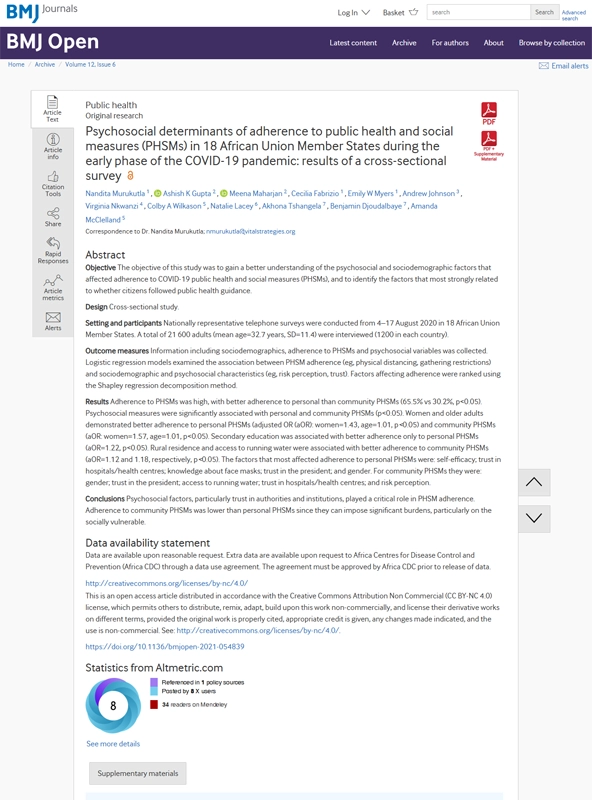
Trust in authorities, a sense of control over one’s environment and behavior, and access to resources influenced adherence to public health and social measures during the COVID-19 pandemic. Writing in BMJ Open, experts at Resolve to Save Lives analyzed psychosocial and sociodemographic factors influencing COVID-19 public health and social measure (PHSM) adherence through a cross-sectional […]
7-1-7 target in Lancet Global Health

RTSL’s Prevent Epidemics Team publishes evidence from early pilots on the 7-1-7 target for early detection of and response to disease threats.
The 7-1-7 Alliance is a new country-led, global partnership to improve health security
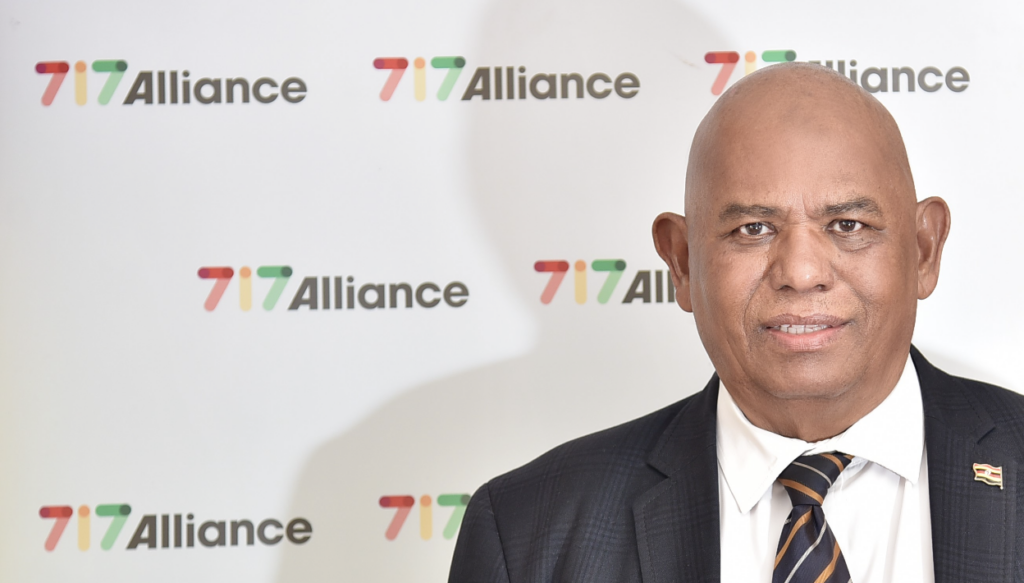
Dr. Issa Makumbi, Director of Uganda’s Public Health Emergency Operations Centre, will serve as inaugural Chair of the Technical Steering Group for The 7-1-7 Alliance: a country-led partnership for technical assistance, financial support and a growing, global community of practice to help all countries achieve the 7-1-7 target for outbreak detection and control.
RTSL Welcomes New Board Members
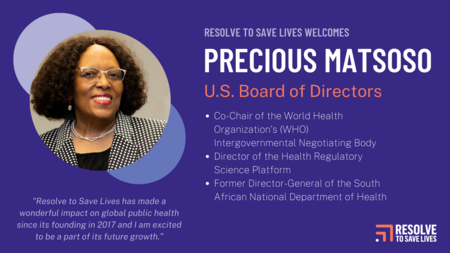
RTSL welcomes Precious Matsoso to our U.S. Board of Directors, and Dr. Iruka Okeke to our Board of Directors for RTSL Nigeria.
Sharing lessons from dedicated preparedness teams
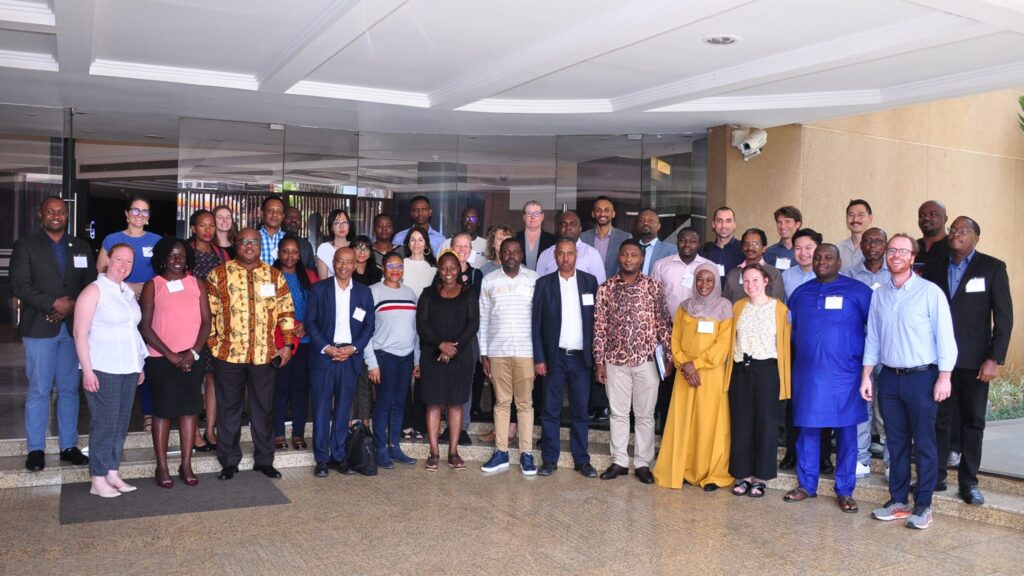
The Prevent Epidemics team held the first-ever gathering of its dedicated preparedness teams, also known as acceleration teams, in Nairobi, Kenya. Teams from DRC, Ethiopia, Liberia and Uganda gathered with RTSL staff from the global and Nigeria offices to share their successes and challenges in making epidemic preparedness a priority in their countries.
Egypt’s new policy banning trans fat could save more than one million lives over the next 25 years
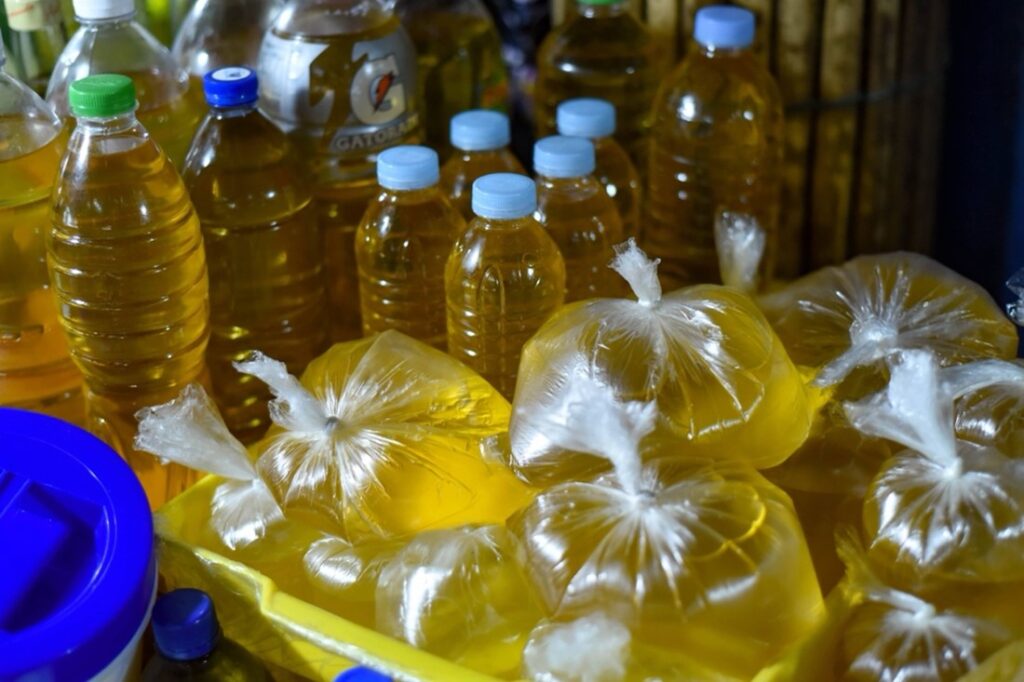
Trans fat is estimated to cause 45,000 deaths per year in Egypt, among the highest burden of deaths due to trans fat in the world.
Better epidemic preparedness through strategic legal reform in Nigeria
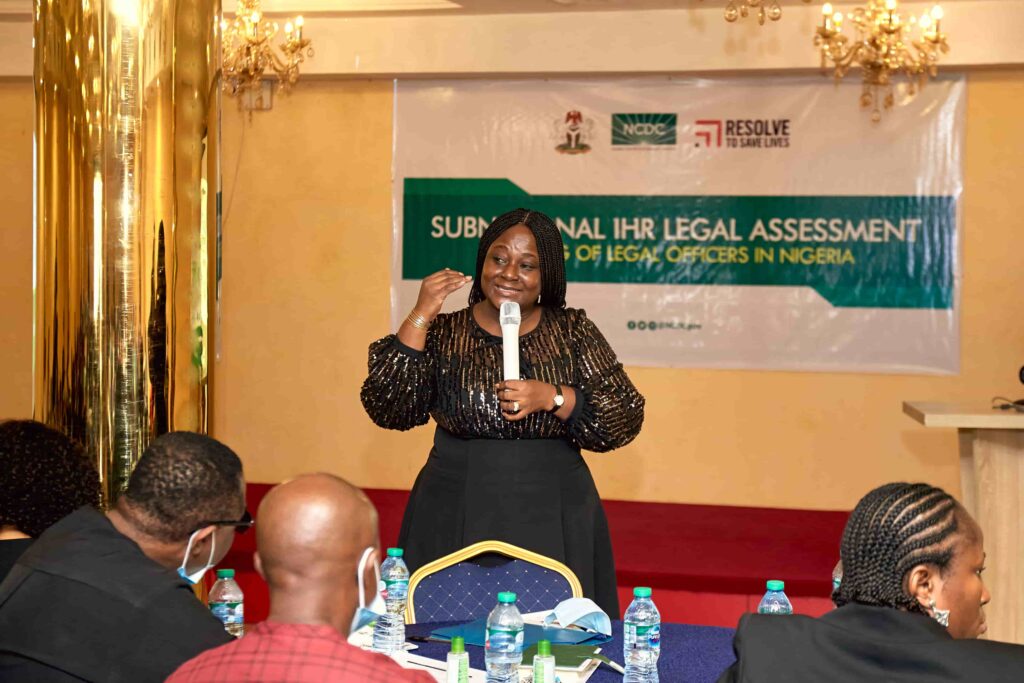
A single guide can support all 36 states in contributing to national health security.
Improving the sightline on cardiovascular disease in Ethiopia
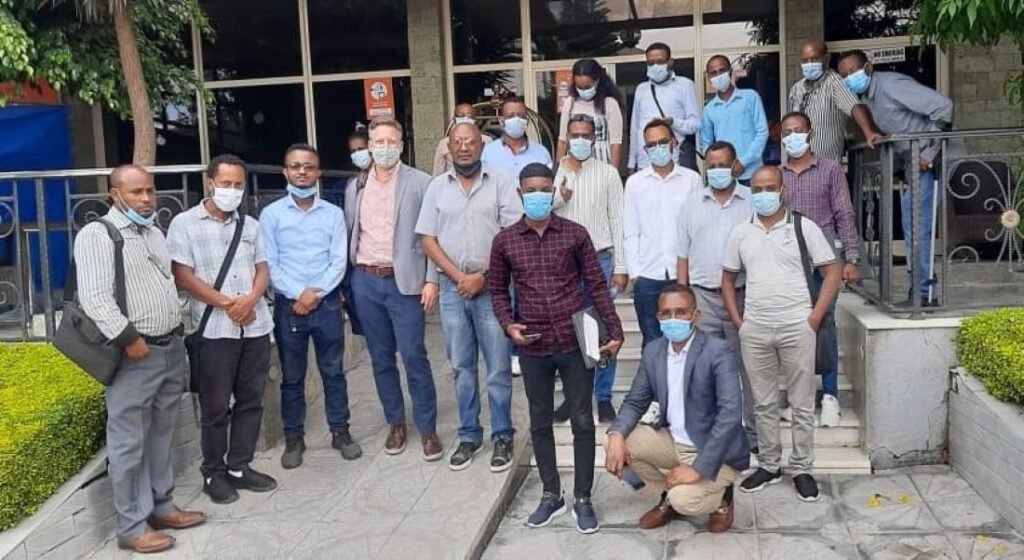
With support from Resolve to Save lives, this first-of-its-kind program helps track heart disease on the African continent.
Webinar: How the 7-1-7 Approach Improves Epidemic Preparedness and Response
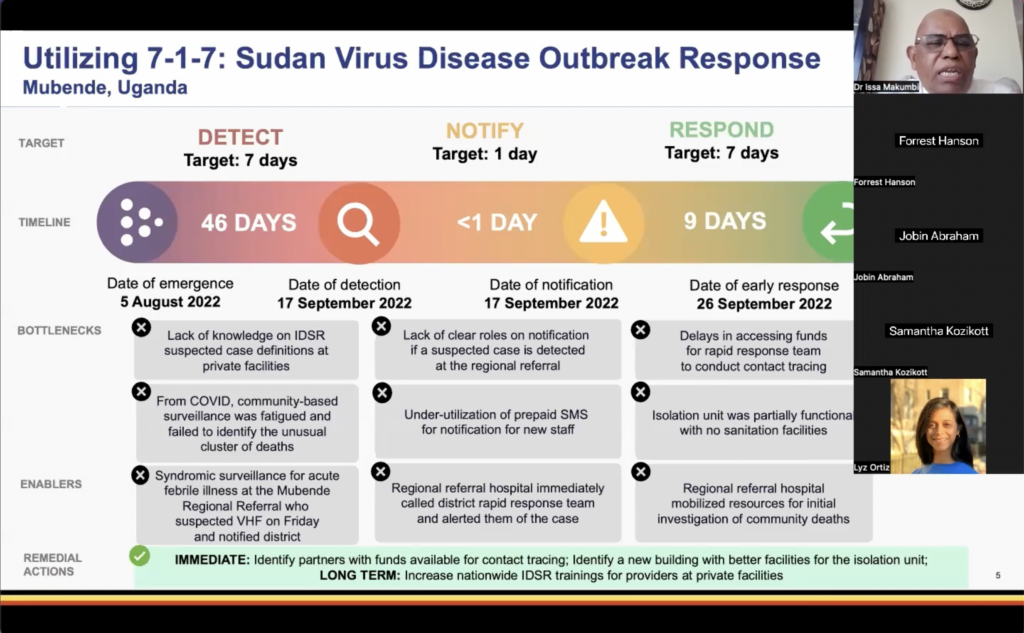
Featuring presentations from Dr. Issa Makumbi of Uganda’s National Public Health Institute and Dr. Ambrose Talisuna of the World Health Organization, our latest webinar gave attendees insight into 7-1-7’s utility as a performance improvement tool in Uganda and the vision of the WHO Regional Office for Africa for leveraging the metric. The event featured opening […]
Health security bulletin helps coordinate epidemic preparedness in Ethiopia

Dedicated preparedness team uses regular communication to support multi-sectoral collaboration.
Nigeria’s joint external evaluation and national action plan for health security
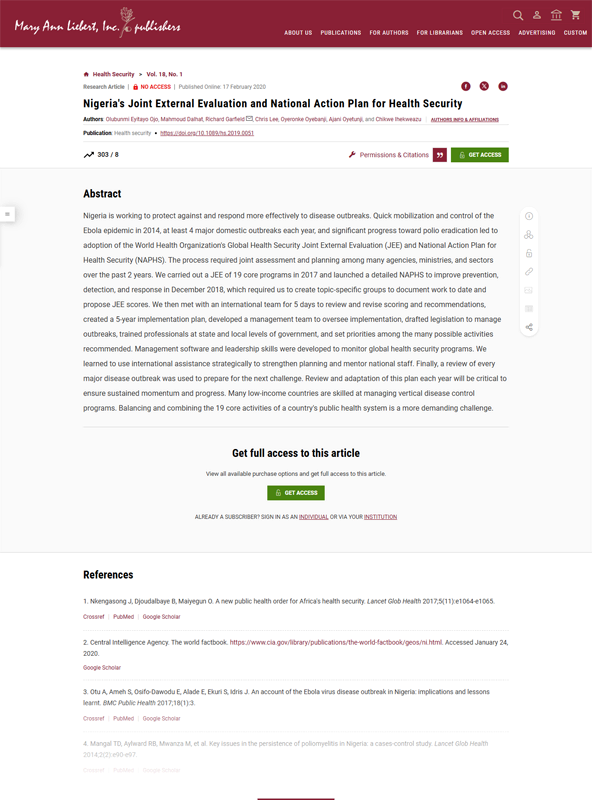
Nigeria’s adoption of the World Health Organization’s Joint External Evaluation (JEE) and National Action Plan for Health Security (NAPHS) will strengthen its national health security efforts. Writing in Health Security, experts at Resolve to Save Lives document the process of completing a JEE with partners in Nigeria in 2017 and subsequently creating a NAPHS to […]
New DHIS2 hypertension control package

DHIS2 is a free, open-source software now supports hypertension and diabetes care for large-scale NCD programs.
Campaigns build vaccine confidence in Rwanda and Uganda
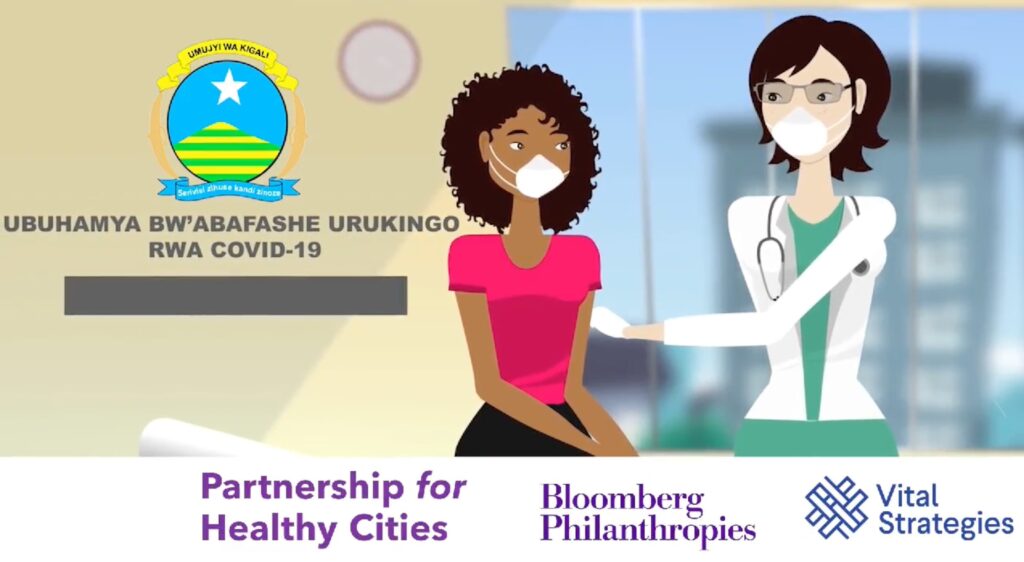
Campaigns demonstrate the power of transparent communication and trust in public health messaging.
Campaigns build vaccine confidence in Rwanda and Uganda
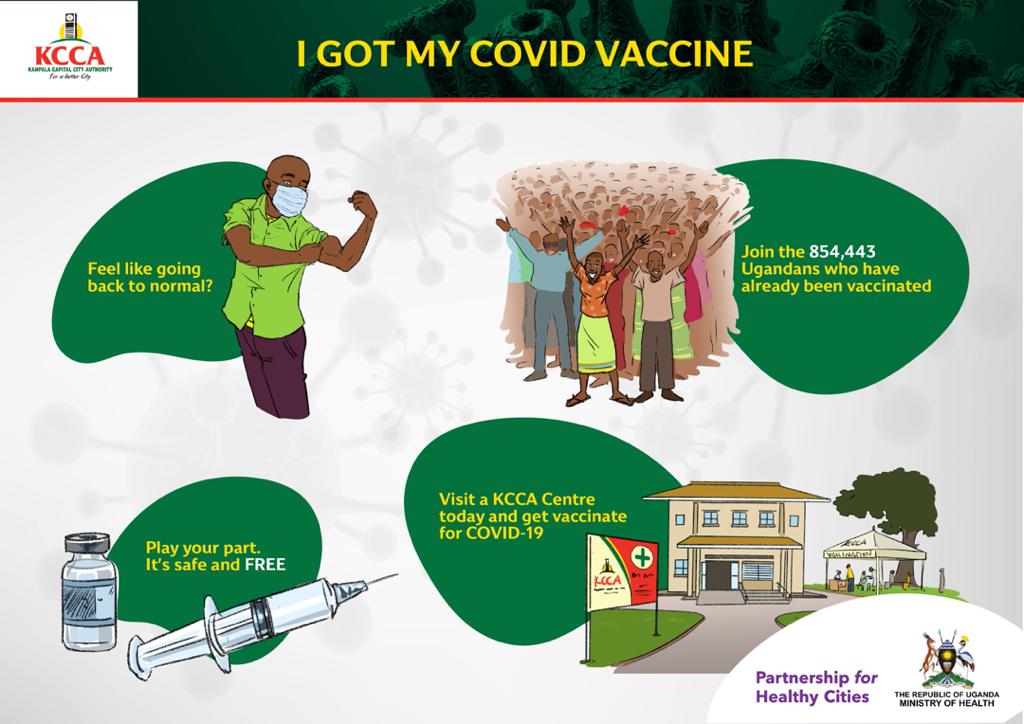
Resolve to Save Lives partnered with the Partnership for Healthy Cities to support cities in low- and middle-income countries in securing and administering COVID-19 vaccines. The campaigns, in Kampala, Uganda and Kigali, Rwanda, featured compelling video testimonials from an array of city residents about their positive experiences with inoculation. In Kigali, the campaign helped bring […]